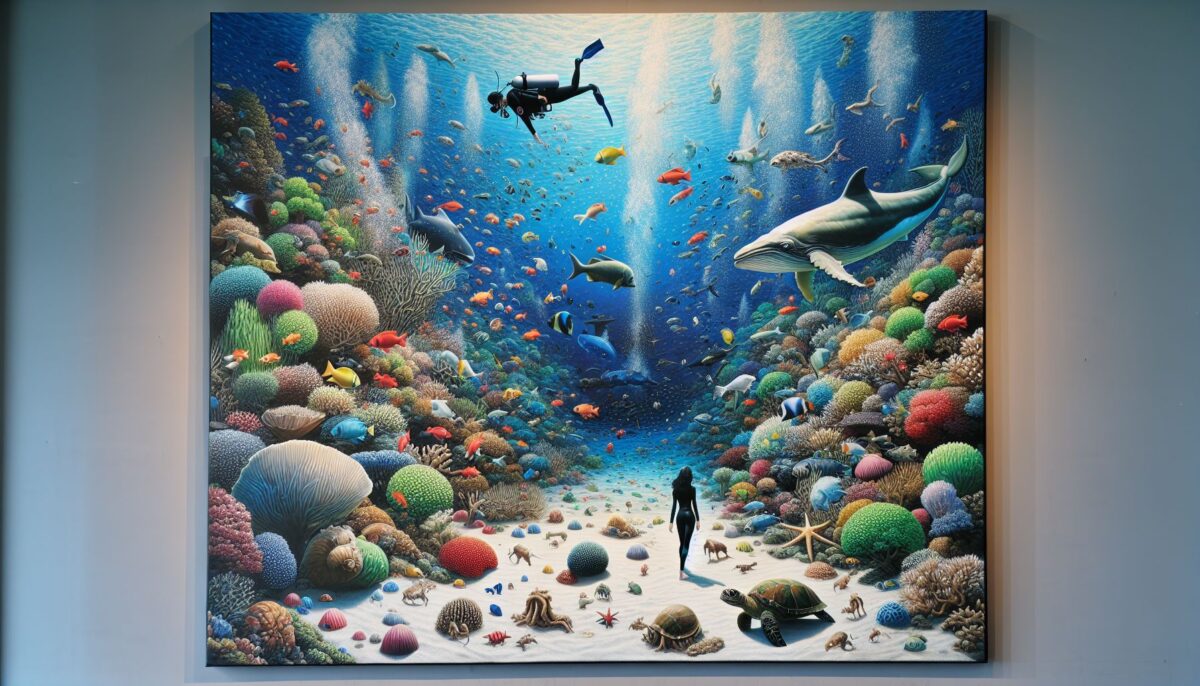
Earth’s oceans are vast repositories of wonder, a mesmerizing blend of life and elemental forces that shape our world in profound ways. Among these marvels, the rich tapestry of marine biodiversity stands out as a true spectacle of nature’s variety. From the smallest phytoplankton to the largest whales, the oceans harbor a staggering array of life forms, each intricately linked to the other in the complex web of marine ecosystems.
Marine biodiversity is not just a biological phenomenon; it is also of immense ecological, economic, social, and scientific value. In this deep dive into marine biodiversity, we will explore the incredible diversity of life beneath the waves, the threats it faces, and the steps being taken to preserve this invaluable asset for future generations.
The Wonder of Marine Life
No conversation about marine biodiversity can begin without acknowledging the sheer scale and diversity of life it encompasses. Species in the ocean range from microscopic bacteria to the blue whale, the largest animal that has ever lived on our planet. Life in the ocean has adapted to an incredible variety of habitats, from the sunlit surface waters to the dark depths of the ocean trenches.
A Symphony of Species: Understanding the Variety
Ocean environments are home to an estimated 300,000 known species, with scientists suspecting that many more remain undiscovered [1]. Some of the major groups of marine life include:
- Phytoplankton: These microscopic organisms are the foundation of the marine food web, producing half of the Earth’s oxygen through photosynthesis.
- Zooplankton: Tiny drifting animals that feed on phytoplankton and, in turn, are prey for larger species.
- Invertebrates: A diverse group including animals like corals, sponges, jellyfish, and mollusks.
- Fishes: Over 30,000 known species, from the tiny clownfish to the massive whale shark.
- Marine Mammals: Creatures like dolphins, seals, and whales that have adapted to life in the ocean.
- Marine Reptiles: Species such as sea turtles and marine iguanas.
- Seabirds: Birds that have evolved to live and forage at sea, including penguins and albatrosses.
Habitats: From Shores to the Abyss
Marine biodiversity thrives in a plethora of distinct habitats, each with its unique characteristics and resident species:
- Coral Reefs: Often described as the rainforests of the sea, coral reefs are hotspots of biodiversity.
- Kelp Forests: Underwater ecosystems dominated by towering kelp, a type of seaweed.
- Deep Sea Vents: Extreme environments where life thrives without sunlight, relying on chemosynthesis.
- Open Ocean: The vast pelagic zone that makes up the majority of the ocean’s surface area.
- Coastal Ecosystems: Including mangroves, estuaries, and salt marshes, which are crucial for juvenile fish.
The Plight of Marine Life
Despite its grandeur, marine life faces unprecedented threats from human activities. Some of the most pressing concerns include:
Overfishing: Emptying the Ocean
Overfishing occurs when fish and other marine species are caught at a rate faster than they can reproduce, leading to population declines. This not only threatens individual species but can destabilize entire marine ecosystems [2].
Habitat Destruction: Eroding the Foundations of Life
Coastal development, pollution, and destructive fishing practices like trawling decimate critical habitats, leaving marine species homeless and vulnerable.
Climate Change: An Uncertain Future
Rising sea temperatures, ocean acidification, and changing currents due to climate change have far-reaching effects on marine life. Species may become extinct, or be forced to migrate to new areas, disrupting the balance of ecosystems.
Pollution: Choking the Oceans
The oceans are the final destination for much of the world’s waste, from plastic pollution to toxic chemical runoff. These pollutants can entangle animals, poison food chains, and despoil habitats.
Invasive Species: Uninvited Guests
Invasive species, often transported by ships, can outcompete, prey upon, or bring diseases to native marine species, causing significant ecological and economic damages.
Preserving Our Marine Heritage: Conservation Efforts
With the stakes so high, concerted efforts are being made to conserve and protect marine biodiversity.
Marine Protected Areas (MPAs): Safe Havens for Marine Life
MPAs are regions where human activities are managed to protect important marine ecosystems. They can help preserve biodiversity, replenish fish stocks, and enhance resilience to climate change [3].
Sustainable Fisheries: Harvesting with Care
Sustainable fishing practices aim to ensure that fish populations remain healthy, ecosystems are preserved, and fishing communities continue to thrive.
Habitat Restoration: Healing Wounded Ecosystems
Efforts to restore habitats like coral reefs and mangroves are essential to provide shelter and breeding grounds for marine species.
Combating Climate Change: A Global Effort
International agreements like the Paris Agreement seek to limit global temperature rise, which would have numerous benefits for marine life.
Pollution Control: Cleaning Our Oceans
Initiatives like beach clean-ups and policies to reduce plastic consumption tackle the scourge of pollution.
Research and Education: Spreading Awareness
Studying the oceans and teaching the public about the importance of marine biodiversity is crucial for fostering a sense of stewardship for this precious resource.
The Road Ahead: Challenges and Opportunities
Protecting marine biodiversity is an ongoing challenge that demands global action. Climate change, pollution, and unsustainable practices continue to put pressure on our oceans. Nonetheless, opportunities for positive change exist. Innovations in technology, increased environmental awareness, and stronger international policies can aid in the preservation of marine ecosystems. It’s imperative that individuals, governments, and organizations work collaboratively and decisively to ensure that the marvels of marine life endure for generations to come.
Conclusion
Marine biodiversity is one of Earth’s greatest treasures, a vibrant and essential component of our planet’s ecological health, as well as a remarkable testament to nature’s ingenuity. As we continue to grapple with the pressures we’ve placed on the oceans, it is more crucial than ever to acknowledge our responsibility to safeguard this underwater world. After all, the fate of marine biodiversity is inexorably linked to our own—a healthy ocean means a healthy planet.
Sources
- Costello, M. J., et al. (2012). “Marine Biodiversity in the Atlantic and Pacific Coasts of South America: Knowledge and Gaps.” PLOS ONE, 7(1): e14631. DOI:10.1371/journal.pone.0030091
- Pauly, D., & Zeller, D. (2016). “Caught in the Net: The Global Tuna Industry, Environmentalism, and the State.” UNC Press Books.
- “Marine Protected Areas.” NOAA. Retrieved from NOAA Marine Protected Areas.
By understanding and honoring the complexity of
