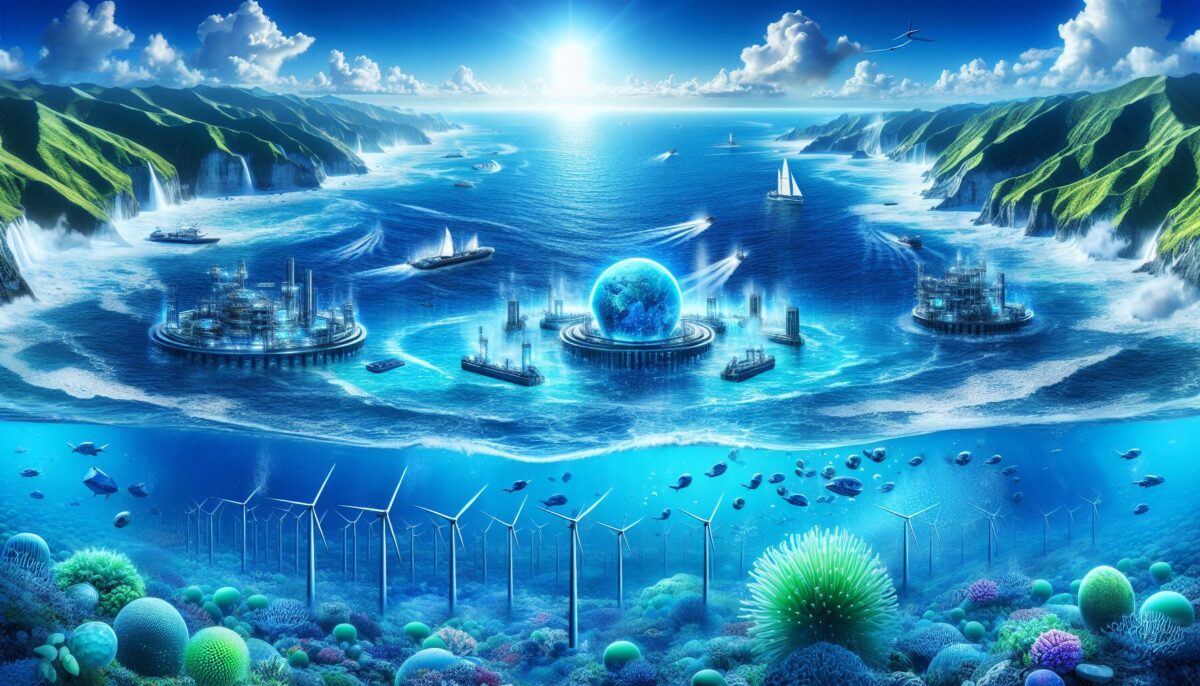
The “Blue Economy” is a term that has gained considerable traction over the past decade. It refers to the sustainable use of ocean resources for economic growth, improved livelihoods, and jobs while preserving the health of ocean ecosystems. From aquaculture and fisheries to coastal tourism, marine biotechnology, and beyond, the blue economy encompasses a wide spectrum of activities and opportunities. In this article, we’ll delve into the significance of the blue economy, explore its main components, and discuss the challenges and opportunities it presents.
Understanding the Blue Economy
The concept of the blue economy is rooted in the understanding that the oceans are key drivers of the global economy. Covering over 70% of the Earth’s surface, the ocean is integral to transportation, trade, and resource extraction, and is a crucial source of food, energy, and minerals. Additionally, oceans are vital for climate regulation and are home to diverse ecosystems that are important both ecologically and economically.
The blue economy promotes economic growth, social inclusion, and the preservation or improvement of livelihoods while at the same time ensuring the environmental sustainability of oceans and coastal areas. It encompasses various sectors such as:
- Sustainable Marine Resource Extraction: Including responsible fishing, aquaculture, and extraction of non-living resources while ensuring that these activities do not compromise the ecosystem.
- Marine Renewable Energy: Capture of renewable energy from the ocean’s waves, tides, and winds.
- Shipping and Port Activities: Efficient and environmentally-friendly transport and logistical operations.
- Tourism: Coastal and marine tourism that maintains the integrity of the environment.
- Waste Management and Recycling: Strategies to reduce marine pollution, including better waste management on land.
- Climate Change Mitigation and Adaptation: Actions to reduce emissions and to adapt to the impacts of climate change on coastal and marine environments.
Each component of the blue economy comes with its set of challenges and opportunities, which we will discuss in the following sections.
Main Components of the Blue Economy
Fisheries and Aquaculture
Fisheries and aquaculture form a crucial part of the blue economy and are central to food security and nutrition. With the world’s population projected to reach 9.7 billion by 2050, a significant increase in the demand for seafood is anticipated. Sustainable fishing practices and innovative aquaculture solutions are necessary to meet this demand without depleting fish stocks or harming marine habitats.
Marine Renewable Energy
Oceans offer a vast, untapped potential for renewable energy. Technologies that harness wave and tidal energy are being developed and slowly commercialised, offering a clean alternative to fossil fuels. While marine renewable energy is in its nascent stages, investment in research and development could see this sector become a sizable component of the blue economy.
Shipping and Port Infrastructure
Shipping remains the most efficient way to move goods around the world. As a result, ports are critical nodes in the global trade network. Investments in greener shipping methods and port infrastructure are essential to reduce environmental impacts, improve efficiency and support the growth of maritime trade in a sustainable manner.
Coastal Tourism
With beautiful beaches, vibrant coral reefs, and diverse marine life, coastal and marine tourism are significant contributors to the blue economy. Ensuring this is done sustainably means protecting natural habitats, respecting local cultures, and investing in the wellbeing of local communities.
Marine Biodiversity and Conservation
Marine protected areas (MPAs) are a cornerstone of marine conservation efforts. They help safeguard marine biodiversity and can generate economic benefits through tourism and recreation. Effective management and strict enforcement of regulations within MPAs are crucial.
Challenges and Opportunities
Environmental Sustainability
One of the primary challenges in the development of the blue economy is ensuring that economic benefits do not come at the expense of the marine environment. Practices like overfishing, habitat destruction, and pollution must be addressed. Sustainability requires a balance that supports both the environment and economic growth.
Climate Change
Climate change poses a significant threat to ocean health and coastal communities. Rising sea levels, ocean acidification, and increasing temperatures impact fisheries, coral reefs, and marine biodiversity, which can, in turn, affect livelihoods and food security. Adapting to these changes while mitigating further damage is a complex, urgent task.
Technological Innovation
Utilizing and protecting our oceans will demand innovative technologies and practices. From advancements in sustainable fishing gear and techniques to renewable energy, new inventions and practices have the potential to revolutionize the blue economy sectors.
Policy and Governance
Developing an effective regulatory framework that can manage the needs of diverse stakeholders is fundamental for the success of the blue economy. This includes national policies and international agreements that ensure sustainable practices are adopted and enforced across borders.
Conclusion
The blue of the ocean holds a spectrum of economic potential. Embracing the blue economy model is not just beneficial for the environment but also essential for the continued prosperity of economies worldwide. However, realizing this potential will require coordinated effort from governments, industries, NGOs, and communities. It is about striking a delicate balance between utilization and conservation, ensuring that our actions today do not compromise the ability of future generations to enjoy and benefit from our shared ocean resources.
For nations looking to develop their blue economy, best practices include investing in science and research, fostering innovation, building resilient infrastructure, strengthening governance and regulatory frameworks, and promoting international cooperation. By doing so, we can unlock the true potential of our oceans and herald in an era of sustainable economic development that respects and preserves the incredible diversity and productivity of marine environments.
Sources
- The World Bank. (n.d.). The potential of the blue economy: increasing long-term benefits of the sustainable use of marine resources for small island developing states and coastal least developed countries. http://documents.worldbank.org/curated/en/947831468188670330/pdf/106505-REVISED-v2-PUBLIC-Box394854B-Prosperity-Blue-Economy-Web.pdf
- United Nations Development Programme. (n.d.). Ocean and sustainable development. https://www.undp.org/sustainable-development-goals#ocean
- Food and Agriculture Organization of the United Nations. (n.d.). Blue Growth Initiative. http://www.fao.org/blue-growth/en/
