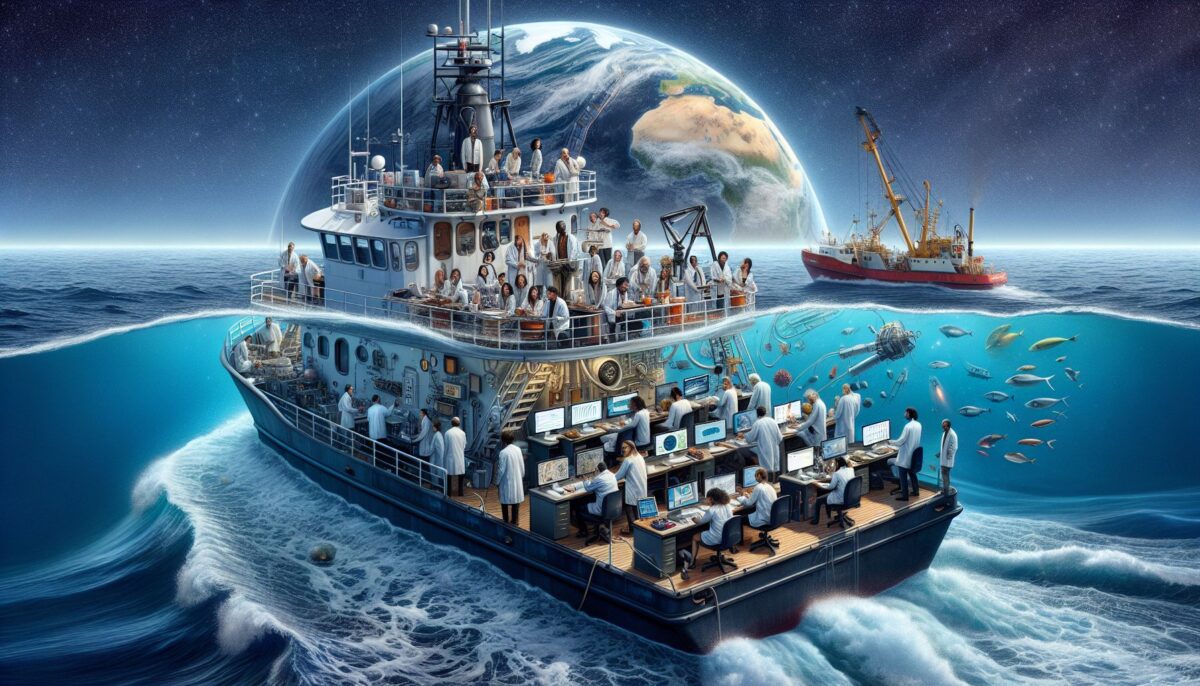
The depths of the ocean are filled with mysteries that have captivated humanity for centuries. The vast and enigmatic body of water holds keys to understanding Earth’s past, present, and future. At the core of deciphering these secrets is the science of oceanography, a fascinating field that integrates various disciplines to explore the ocean’s physical, chemical, biological, and geological properties. In this in-depth article, we will dive into the world of oceanography, uncovering its importance, the challenges it faces such as sea-level rise and marine pollution, and its role in the blue economy.
What is Oceanography?
Oceanography is the study of the physical, chemical, biological, and geological aspects of the ocean. It is an interdisciplinary science that draws upon methods from ecology, meteorology, geology, physics, and chemistry to understand the intricate processes within marine environments. Oceanographers are scientists dedicated to researching everything from vast ocean currents to microscopic marine life, aiming to reveal the dynamic systems that govern our oceans.
The Four Branches of Oceanography:
- Physical Oceanography focuses on the properties of seawater, ocean currents, waves, and the interactions between the ocean and the atmosphere.
- Chemical Oceanography studies the chemical composition of seawater and the biogeochemical cycles within marine environments.
- Biological Oceanography or marine biology investigates the life forms that inhabit the ocean and their ecological interactions.
- Geological Oceanography examines the structure and composition of the ocean floor, including plate tectonics and sedimentology.
Challenges in Oceanography
Sea-Level Rise
One of the most pressing challenges studied by oceanographers is the rising sea level caused by climate change. As temperatures rise globally, polar ice caps and glaciers melt, contributing to higher sea levels. Additionally, the warming of ocean water leads to thermal expansion, further elevating the sea level. Areas at risk of flooding due to sea-level rise include coastal cities, island nations, and ecosystems like mangroves and coral reefs. Predicting and mitigating against the impacts of sea-level rise are essential duties of oceanographers and coastal managers (source).
Marine Pollution and Oil Spills
Another significant issue is marine pollution, which includes contaminants such as plastics, hazardous chemicals, and oil. Oceanographers study the distribution and effects of these pollutants to better understand their detrimental impacts on marine life and ecosystems. Oil spills, in particular, have devastating and long-lasting effects on the marine environment — affecting water quality, marine species, and coastal habitats (source).
Ocean Acidification and Coral Bleaching
Ocean acidification, caused by increased levels of carbon dioxide absorbed by the ocean, is a chemical change that has far-reaching implications for marine biodiversity. It can weaken coral skeletons, leading to coral bleaching and the potential collapse of reef ecosystems, which are hotspots of marine biodiversity and vital for coastal protection (source).
The Role of Oceanography in the Blue Economy
The blue economy refers to the sustainable use of ocean resources for economic growth, improved livelihoods, and jobs while preserving the health of ocean ecosystems. Oceanography contributes critical knowledge that underpins the blue economy by:
- Providing data for sustainable fisheries and aquaculture practices.
- Informing maritime trade and navigation for efficient and safe shipping.
- Facilitate the development of renewable tidal and wave energy technologies.
- Assisting in coastal management and marine protected area designation.
Sustainable Fisheries and Aquaculture
Through the study of marine life and ecosystems, oceanography guides the management of fisheries to prevent overfishing and support ecosystem health. Similarly, aquaculture, the farming of aquatic organisms such as fish and shellfish, relies on the expertise of oceanographers to find suitable locations and maintain optimal conditions (source).
Navigation and Shipping
Physical oceanographers play a crucial role in ensuring safe maritime navigation by mapping out currents, tides, and other marine hazards. Shipping routes are optimized based on these factors, leading to reduced fuel consumption and decreased emissions, benefiting both the economy and the environment.
Tidal and Wave Energy
The kinetic energy of ocean tides and waves is a promising renewable energy source. Oceanographers study wave patterns and tidal cycles to identify potential sites for generating tidal and wave energy, contributing to the diversification of clean energy sources and the reduction of reliance on fossil fuels (source).
Coastal Management and Marine Protected Areas
Coastal zones are often heavily populated and economically significant but are also vulnerable to natural disasters and human impacts. Oceanographers inform coastal management through research on coastal processes like erosion and sediment deposition, which can influence decisions on construction, tourism, and conservation. Marine protected areas (MPAs) are designated based on scientific insight into the habitats and species that require protection to maintain biodiversity and ecosystem services.
The Future of Oceanography
The ever-evolving field of oceanography is vital in addressing the plethora of challenges that our oceans face. Technological advancements provide oceanographers with tools like autonomous underwater vehicles (AUVs), sophisticated sensor networks, and satellite imagery to collect and interpret data with unprecedented resolution and scale.
Investing in oceanographic research is not just a pursuit of knowledge but an essential step towards a sustainable future where humans live in harmony with the oceans. From managing the impacts of climate change to unlocking the potential of the blue economy, the role of oceanography is undeniably significant.
In conclusion, oceanography is a beacon of hope and guidance in our quest to understand and preserve the vast and vibrant world beneath the waves. By continuously exploring and cherishing our blue planet, we ensure the protection of resources that sustain life on Earth and nurture the well-being of future generations.
