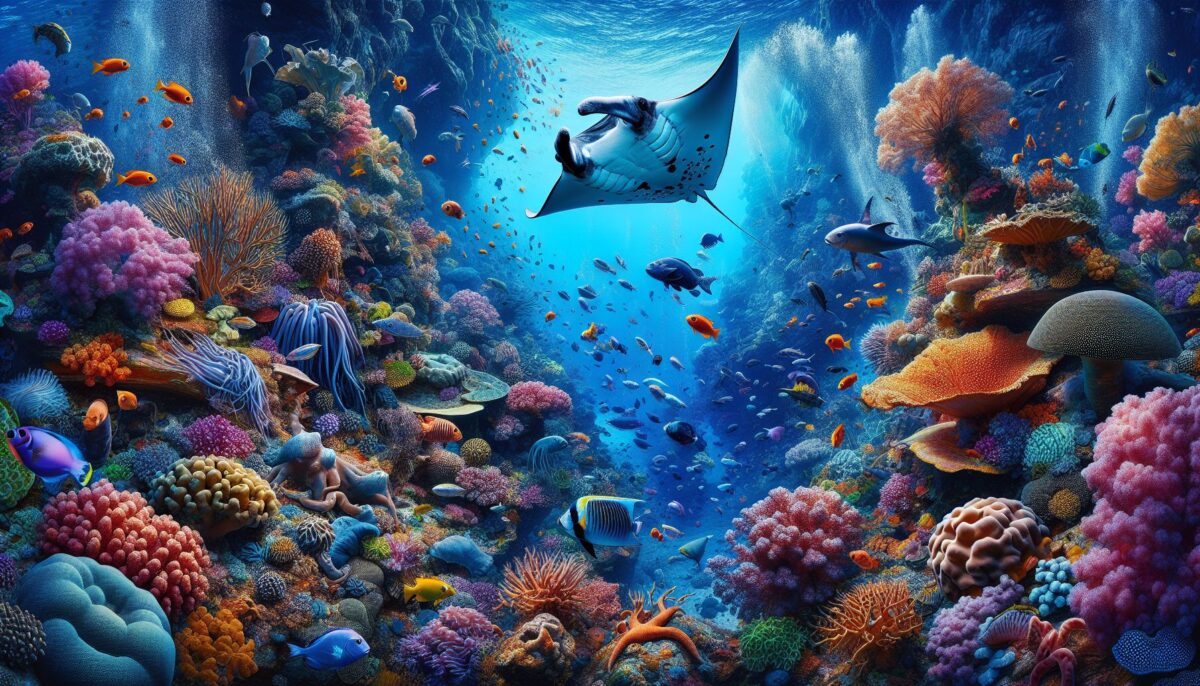
The planet Earth is often referred to as the ‘blue planet’ due to the vastness of oceans that cover approximately 71 percent of its surface. Beneath the seemingly endless expanse of blue water lies an incredibly diverse world of marine life, from microscopic plankton to the majestic blue whale. Marine biodiversity is the variety of life in the ocean, including the different species of plants, animals, and microorganisms, the genes they contain, and the ecosystems they form. Unfortunately, this vital component of the Earth’s natural heritage is under threat due to human activities. This comprehensive overview of marine biodiversity will explore its importance, the threats it faces, and the steps we can take to protect it.
The Spectrum of Marine Life
Marine biodiversity is not evenly distributed throughout the ocean. It varies from place to place, influenced by factors like temperature, salinity, depth, and the availability of light and nutrients. Some of the most biodiverse regions in the ocean include tropical coral reefs, deep-sea hydrothermal vents, and cold-water seamounts.
Coral Reefs
Coral reefs are often referred to as the rainforests of the sea due to their incredible diversity. These vibrant underwater ecosystems are built by colonies of tiny animals known as coral polyps. The Great Barrier Reef in Australia, the largest coral reef system on the planet, spans over 2,300 kilometers and is home to thousands of different species of fish, sponges, and mollusks.
Hydrothermal Vents
In the deep ocean, hydrothermal vents create an environment so unique that the creatures found here cannot survive anywhere else on Earth. These ecosystems thrive in complete darkness, relying not on photosynthesis but on chemosynthesis, a process where bacteria convert chemicals like hydrogen sulfide emitted by the vents into energy.
Seamounts
Seamounts are underwater mountains, formed by volcanic activity. Though many remain unexplored, we know that they are biodiversity hotspots. They often serve as feeding and breeding grounds for a variety of marine species, including some endangered whales.
The Importance of Marine Biodiversity
The biodiversity of the ocean plays a critical role in maintaining global ecological balance. Here are a few reasons why marine biodiversity is so important:
– Food Security: The ocean is a source of food for billions of people around the world.
– Economic Value: Marine biodiversity is the cornerstone of industries such as fishing, tourism, and pharmaceuticals.
– Climate Regulation: Marine ecosystems like mangroves and seagrass beds capture carbon dioxide from the atmosphere, helping to mitigate climate change.
– Medicinal Resources: Many marine organisms are used to develop new medicines to treat diseases such as cancer and Alzheimer’s.
Threats to Marine Biodiversity
Despite its importance, marine biodiversity faces numerous threats, primarily from human activities. Some of these include:
Overfishing
Overfishing is one of the most significant threats to marine biodiversity. The unsustainable harvest of fish species at a rate faster than they can reproduce leads to a depletion of populations, which can have knock-on effects throughout the food web.
Habitat Destruction
Coastal development, bottom trawling, coral mining, and other activities can destroy marine habitats, leaving marine species without places to live, feed, and reproduce.
Pollution
Marine pollution, including oil spills, plastic debris, and agricultural runoff, can poison marine life and degrade habitats. Plastic, in particular, can entangle animals or be ingested, often with lethal consequences.
Climate Change and Ocean Acidification
Rising ocean temperatures due to climate change can lead to coral bleaching, where coral expel the symbiotic algae that give them color and provide them with food. Additionally, increased levels of CO2 in the atmosphere lead to ocean acidification, which can reduce the ability of shellfish and coral to build their calcium carbonate shells and skeletons.
Invasive Species
Non-native species introduced to new areas by human activities can outcompete, prey on, or bring diseases to native species, disrupting local ecosystems.
Conservation and Management
Conserving marine biodiversity requires a multifaceted approach. Here are some strategies:
Marine Protected Areas (MPAs)
Establishing MPAs can help conserve marine biodiversity by restricting activities that harm marine life. These protected areas can vary greatly in their objectives and the level of protection they offer.
Sustainable Fishing Practices
Implementing sustainable fishing practices and quotas can help ensure that fisheries do not take more than what can naturally be replenished.
Pollution Prevention and Cleanup
Reducing marine pollution involves improving waste management on land, cleaning up spills and debris, and implementing stricter regulations on pollutants.
Addressing Climate Change
Efforts to combat climate change, such as reducing greenhouse gas emissions and promoting renewable energy, are crucial for protecting marine biodiversity.
Public Education and Awareness
Educating the public about the importance of marine biodiversity and ways to protect it can lead to changes in behavior and increased support for conservation measures.
The Science Behind Marine Biodiversity: Oceanography and Marine Biology
To effectively protect marine biodiversity, we must understand it. Oceanography, the study of the physical and biological aspects of the ocean, and marine biology, which focuses on the organisms that live in marine environments, provide essential insights into marine ecosystems’ functioning.
Research and Monitoring
Scientists conduct research and monitoring to document the state of marine biodiversity and detect changes over time. This information is crucial for informing conservation and management decisions.
– Marine Surveys: Surveys help to identify and catalogue species, map habitats, and understand the structure of marine communities.
– Tagging and Tracking: Tagging animals like sharks, turtles, and whales can provide data on migration patterns and habitat use.
– Genetic Studies: Analyzing the genetic diversity of marine species can help to assess their resilience to environmental changes and pressures.
Technology and Innovation
Advancements in technology are opening up new possibilities for exploring and monitoring the ocean.
– Remote Sensing: Satellites and drones can collect data on large-scale oceanographic processes and changes in marine habitats.
– Underwater Robotics: Autonomous underwater vehicles (AUVs) and remotely operated vehicles (ROVs) enable scientists to explore deep-sea environments that are difficult or dangerous to reach by humans.
– Environmental DNA (eDNA): Collecting and analyzing eDNA – genetic material left behind by organisms in the environment – provides a non-invasive way to assess marine biodiversity.
Global Cooperation
Because the ocean has no boundaries, preserving marine biodiversity is a global responsibility. International agreements like the United Nations Convention on the Law of the Sea (UNCLOS) and the Convention on Biological Diversity (CBD) provide frameworks for international cooperation on marine environmental issues.
The Future of Marine Biodiversity
With continued research, increased awareness, and concerted global efforts, there is hope for the future of marine biodiversity. Innovation in conservation, such as the development of artificial reefs and restoration projects, offer creative solutions to some of the challenges faced by marine ecosystems.
Conclusion
The richness of life beneath the waves is not only a natural wonder but also supports human life in numerous ways. Protecting marine biodiversity is not simply an act of conservation; it’s an investment in our future – a commitment to preserving the health of our
