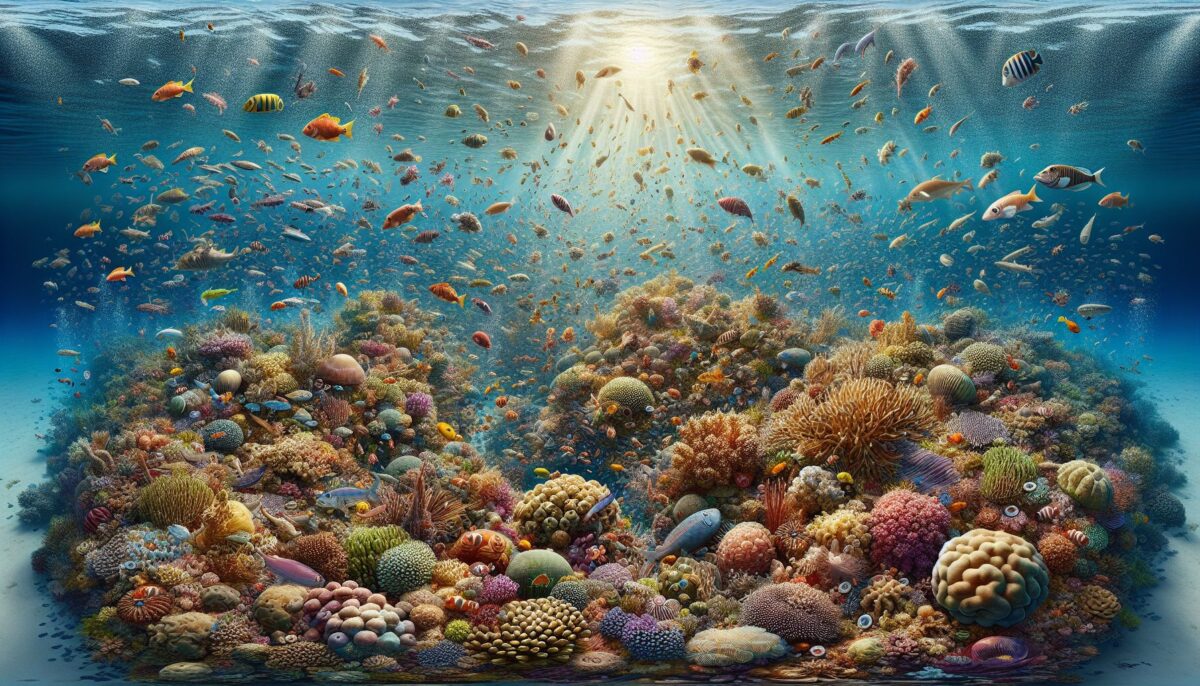
Coral reefs are one of the most vital and dynamic ecosystems in the world. Often referred to as the “rainforests of the sea,” these underwater structures play a crucial role in maintaining the health of the world’s oceans and supporting a diverse range of marine life. However, with climate change and various human activities posing significant threats, the importance of conserving and protecting coral reefs has never been more urgent. In this extensive article, we will explore the wonders of coral reefs, the dangers they face, and the initiatives being taken to preserve them for future generations.
What are Coral Reefs?
Coral reefs are underwater ecosystems characterized by reef-building corals. Corals are marine invertebrates that belong to the class Anthozoa in the phylum Cnidaria. They typically live in compact colonies of many identical individual polyps that secrete calcium carbonate to form a hard skeleton. This skeleton builds up over time, creating the foundation of coral reefs.
Reefs grow best in warm, shallow, clear, sunny, and agitated waters. They can be found in more than 100 countries around the world, with the most extensive reefs occurring in the shallow waters of the tropical oceans near the equator.
The Significance of Coral Reefs
Biodiversity Hotspots
Coral reefs are some of the most biodiverse ecosystems on the planet. They provide habitat, breeding grounds, and nursery areas for an estimated 25% of all marine life, despite covering less than 0.1% of the ocean’s surface (NOAA). These ecosystems are home to thousands of species of fish, mollusks, crustaceans, sponges, and other sea creatures.
Economy and Livelihoods
Coral reefs are also economically significant, providing food, jobs, and income to hundreds of millions of people worldwide. Fisheries rely on reefs for fish, which serve as a primary source of protein for billions of people. Additionally, coral reefs attract tourists and serve as a foundation for local and global tourism industries.
Coastal Protection
Structurally, coral reefs play a crucial role in protecting coastlines from storms and erosion. The physical barrier created by reefs can absorb the energy and force of waves and storm surges, thereby reducing damage to the coastline and human communities living nearby (UNEP).
Medicine
The unique biodiversity of coral reefs has also led to the discovery of numerous compounds for pharmaceuticals. Some coral reef species have been used in the development of drugs for treating diseases such as cancer, arthritis, bacterial infections, and heart disease.
Threats to Coral Reefs
Coral reefs are facing a multitude of threats, ranging from climate change to local issues such as pollution and overfishing.
Climate Change
The increased temperatures due to global warming result in coral bleaching, which happens when corals become stressed by changes in conditions such as temperature, light, or nutrients. They expel the symbiotic algae living in their tissues, causing them to turn white. Bleached corals are more susceptible to disease and death, which can have devastating effects on the surrounding marine environment.
Ocean Acidification
As CO2 levels rise in the atmosphere, more of it dissolves into the oceans, resulting in ocean acidification. The changing pH levels make it harder for corals to build their calcium carbonate skeletons, slowing reef growth and increasing the vulnerability of already existing structures.
Overfishing and Destructive Fishing Practices
Overfishing can deplete key reef species and alter the ecological balance of reef communities. Certain fishing methods, like the use of cyanide or dynamite, cause direct physical damage to the reefs themselves.
Coastal Development and Pollution
Construction along coastlines can lead to increased sedimentation, which smothers coral reefs. Pollution from land, including agricultural runoff and sewage, introduces harmful nutrients and toxins into reef environments.
Marine Debris and Oil Spills
Plastic and other forms of debris can injure or kill reef organisms. Oil spills can suffocate corals by coating them with a toxic film that inhibits gas exchange.
Conservation and Restoration Efforts
Given the critical importance of coral reefs, there are numerous conservation initiatives and restoration projects aimed at protecting and reviving these vital marine structures.
Marine Protected Areas (MPAs)
MPAs help to safeguard biodiversity by restricting certain activities within their boundaries. These protected areas can help coral reefs recover and regenerate by reducing direct human impact (WWF).
Coral Farming and Restoration Projects
Organizations and scientists are engaged in coral farming, which involves growing corals in nurseries before transplanting them back to damaged areas of reefs. This helps speed up the recovery process and repopulates areas with healthy corals.
Sustainable Fishing Practices
Implementing sustainable fishing practices is vital to preserving reef systems. This includes establishing quotas, enforcing size limits, and banning destructive fishing techniques.
Addressing Climate Change
Ultimately, addressing the broader issue of climate change is essential to protecting coral reefs long-term. This means reducing greenhouse gas emissions on a global scale through policy, innovation, and changes in individual behavior.
Public Education and Engagement
Educating the public about the value of coral reefs and the threats they face plays a crucial role in conservation. Increased awareness can inspire action and support for reef protection initiatives.
Conclusion
Coral reefs stand as pillars of marine biodiversity, holding immense ecological, economic, and protective value for both marine life and human societies. The threats to these ecosystems are complex and multifaceted, requiring coordinated global and local efforts to tackle them effectively. Through a combination of protected areas, restoration projects, sustainable practices, and public awareness, there is hope for these underwater treasures. The preservation of coral reefs is not just about saving a single ecosystem, but about ensuring the health and vitality of the entire ocean and the planet.
As stewards of the earth, it’s our responsibility to act now, to adapt our ways, and to stem the tide of loss facing coral reefs. By doing so, we not only save these vital ecosystems but also secure a more resilient and abundant future for generations to come.
