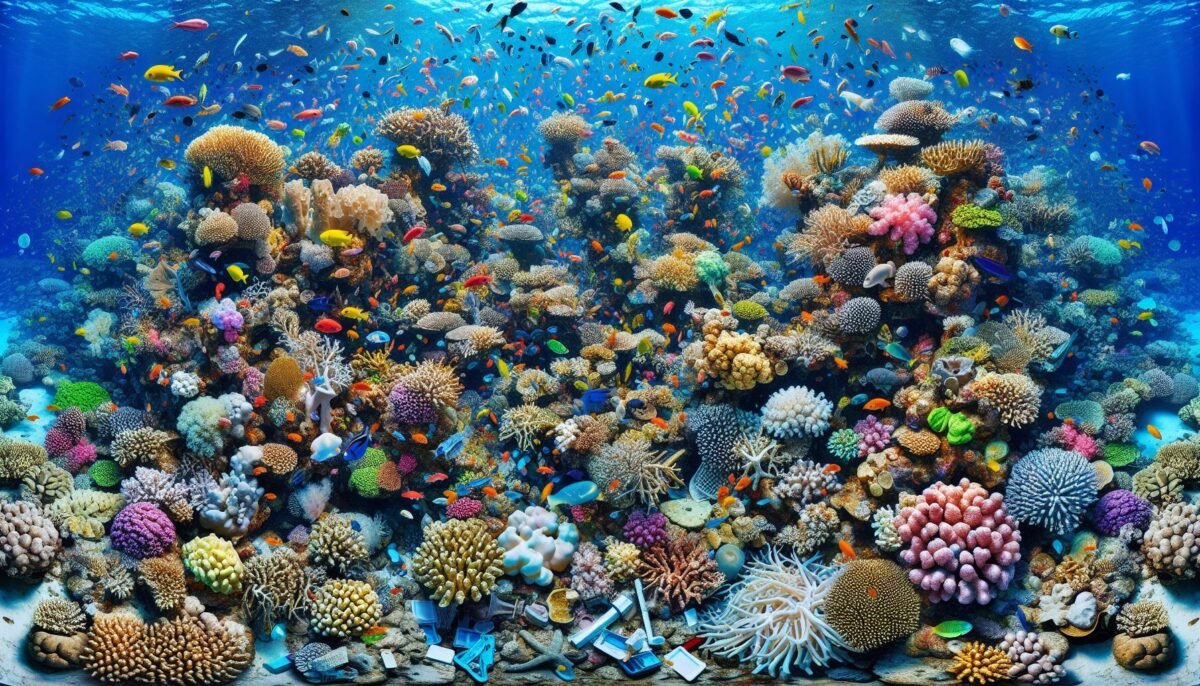
Coral reefs, often referred to as the “rainforests of the sea,” are one of the most diverse and valuable ecosystems on our planet. Spanning less than 0.1% of the world’s ocean surface, they are home to an estimated 25% of all marine species, offering a spectacular mosaic of life and color. Despite their beauty and ecological significance, coral reefs face an array of threats that could dim their vibrant existence.
In this article, we’ll explore coral reefs’ fundamental role in marine biodiversity, their function within the ecosystem, and the environmental challenges they face, including pollution, climate change, and overfishing. We will also look at the efforts being made globally to protect and conserve these marine wonders.
The Ecological Significance of Coral Reefs
Coral reefs are not merely underwater landscapes teeming with life; they serve numerous ecological functions that are vital for the health of our oceans.
1. Biodiversity Hotspots
Coral reefs are biodiversity hotspots and critical breeding, feeding, and nursery grounds for a staggering variety of marine organisms, from minuscule plankton to sizable fish species. This complex habitat provides shelter for 4,000 species of fish, 800 hard coral species, and many other marine inhabitants (NOAA Coral Reef Conservation Program).
2. Coastal Protection
Reefs act as natural barriers that protect coastlines from storms and erosion by absorbing wave energy. The intricate structure of coral formations helps dissipate waves before they can reach the shore, thus preventing significant damage to coastal regions and human settlements.
3. Economic Value
The economic value of coral reefs is undeniable. They support fisheries and tourism industries, two major contributors to the global economy. It is estimated that the total economic value of coral reefs ranges from US$29.8 billion to US$375 billion per year (Costanza et al., 1997).
The Bleak Reality: Threats to Coral Reefs
While these ecosystems are robust, they are increasingly susceptible to both local and global threats. Here are some of the most pressing challenges coral reefs face today:
1. Climate Change and Coral Bleaching
Rising sea temperatures due to climate change cause coral bleaching, where corals expel the algae (zooxanthellae) living in their tissues. This symbiotic relationship is crucial for coral health, as the algae provide corals with energy produced via photosynthesis. When the algae are expelled, the corals lose their major food source and vibrant colors, turning white, and if stressful conditions persist, corals will starve and die (The Ocean Agency).
2. Ocean Acidification
Increased CO2 levels in the atmosphere also lead to acidification of ocean waters. Acidified waters can hinder coral growth by slowing the rate at which corals produce their calcium carbonate skeletons, making it more difficult for corals to recover from damage.
3. Overfishing and Destructive Fishing Practices
The removal of certain fish species upsets the natural balance of the reef ecosystem. Practices like blast fishing and cyanide fishing not only kill or collect fish but also destroy the physical structure of the reef, leading to loss of biodiversity and habitat.
4. Pollution
Runoff from land, containing pesticides and other chemicals, can contaminate coral reefs, promoting the growth of harmful algae and bacteria. In addition, marine debris such as plastic waste can physically damage corals and become a choking hazard for marine creatures.
5. Unsustainable Tourism
While tourism can bring economic benefits, heavy traffic in reef areas can result in physical damage from anchors and careless snorkelers or divers, as well as increased pollution and habitat destruction.
Conservation Efforts to Save Coral Reefs
Recognizing the critical state of coral reefs worldwide, various efforts and policies are being implemented to conserve these precious ecosystems:
1. Marine Protected Areas (MPAs)
Establishing MPAs helps to preserve biodiversity, manage fish stocks, and protect habitat by restricting human activities like fishing and tourism within these regions. Coral reef recovery is more successful in well-managed MPAs.
2. Sustainable Fishing Practices
Adopting sustainable fishing practices helps maintain reef ecosystem balance. Efforts include implementing fishing quotas, size limits, and seasonal closures to allow fish populations to replenish.
3. Pollution Control
Efforts to control pollution range from improving wastewater treatment to reducing the use of harmful chemicals in agriculture. Reducing plastic use and improving waste management help minimize marine debris affecting coral reefs.
4. Coral Gardening and Restoration
Conservationists engage in coral gardening, where fragments of healthy coral are grown in nurseries and then replanted on damaged reefs. This active restoration technique speeds up recovery and encourages natural regeneration processes.
5. Raising Public Awareness
Educating people about the value of coral reefs and the threats they face can lead to increased public support for reef conservation efforts. Increased awareness drives better consumer choices and responsible tourism.
The Future of Coral Reefs
The state of global coral reefs is a complex interplay of environmental factors and human impact. While coral reefs face significant challenges, there is a collective effort across nations and disciplines to preserve them for future generations.
Collaborative research, eco-friendly policies, technological advancements, and continued public engagement are essential in mitigating the effects of the threats faced by these ecosystems. The story of coral reefs is not one written in stone, but instead, a living narrative that we all have a part in shaping. It is imperative that we act now to ensure that these vibrant, life-sustaining ecosystems persist.
The plight of coral reefs is more than an environmental issue; it is a call to preserve the diversity and beauty of our planet. We are challenged to adapt and innovate, to change our behaviors and advocate for policies that protect these natural treasures. The intricate tapestries of life that ripple beneath the ocean’s surface depend on our actions today for a flourishing tomorrow.
In conclusion, the wonder of coral reefs is matched only by the acute need to address the environmental challenges they face. From individuals making eco-friendly choices to international agreements aimed at curbing climate change, everyone has a role to play. It is only through a concerted, global effort that we can hope to preserve these magnificent ecosystems for the splendor they bring to our oceans and the vital roles they play within the larger environmental tapestry.
References
-
Costanza, R., d’Arge, R., de Groot, R., Farber, S., Grasso, M., Hannon, B., … van den Belt, M. (1997). The value of the world’s ecosystem services and natural capital. Nature, 387(6630), 253-260.
-
NOAA Coral Reef Conservation Program. (n.d.). Coral Reef Creatures. National Oceanic and Atmospheric Administration. Retrieved from https://www.coris.noaa.gov/
-
The Ocean Agency. (n.d.). Climate Change and the Ocean. Retrieved from https
