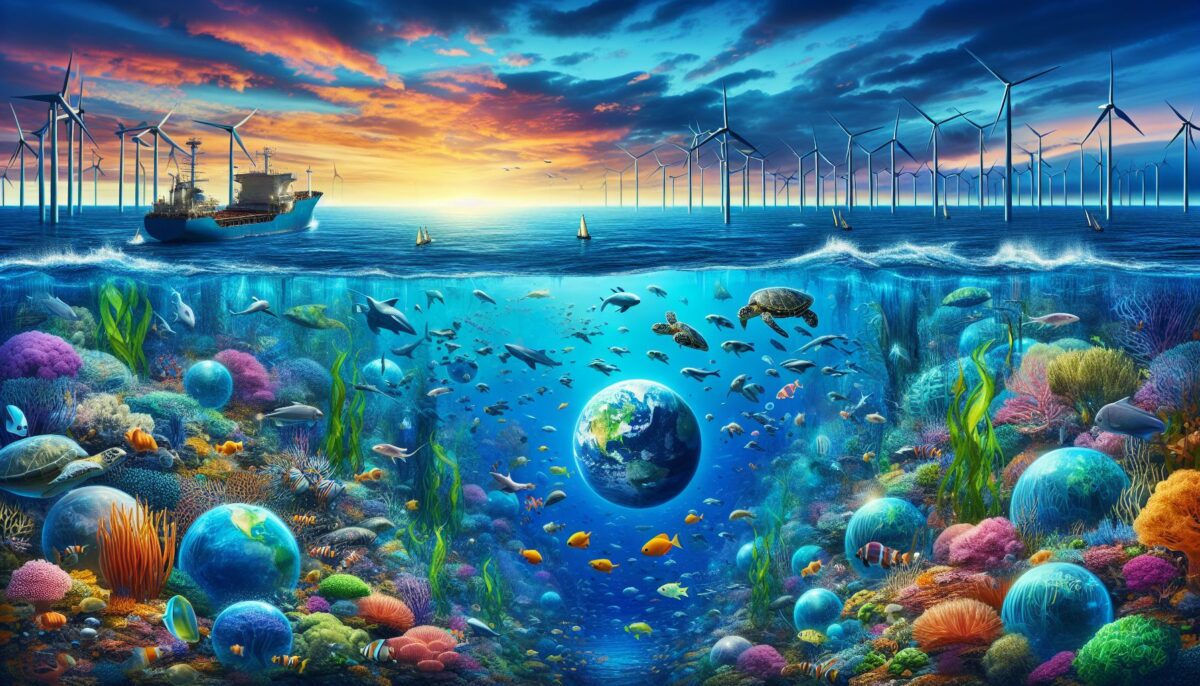
The ocean, a mesmerizing blue expanse that cradles life, whispers of adventures, and holds mysteries untold, is far more than a beautiful façade. It’s a dynamic environment that sustains life, regulates climate, and supports a vast economy. At the heart of this interlacing relationship between the oceans and humanity is what is often dubbed the “blue economy.” Let’s embark on a voyage to explore the blue economy, its pillars, potential, challenges, and sustainability.
The Concept of Blue Economy
The term “blue economy” refers to the sustainable use of ocean resources for economic growth, improved livelihoods, and jobs while preserving the health of ocean ecosystems. It encompasses a broad spectrum of activities such as fisheries, aquaculture, maritime trade, tourism, energy generation, and more.
The Pillars of Blue Economy
- Sustainable Marine Resources Utilization: Responsible fishing, aquaculture, and exploitation of non-living resources such as minerals.
- Ocean Energy: Harnessing wind, wave, and tidal energy while maintaining an ecological balance.
- Maritime Transportation: Efficient and eco-friendly shipping and port activities.
- Marine Biotechnology: Innovative use of marine organisms for pharmaceuticals, cosmetics, and food.
- Coastal Tourism: Promoting marine and coastal environments as sustainable tourist destinations.
Economic Potential of Oceans
Oceans contribute significantly to the global economy, supporting an estimated 2.5 trillion USD worth of goods and services annually. They’re highways for trade, with over 90% of the world’s goods transported by sea. Coastal tourism, fisheries, and aquaculture are pivotal economic pillars, contributing billions to the global economy.
Sustainable Fisheries and Aquaculture
Fisheries and aquaculture are vital for food security and livelihoods. The Food and Agriculture Organization (FAO) estimates that fisheries and aquaculture support the livelihoods of 10-12% of the world’s population. But to maintain this, sustainable practices must be adopted to prevent overfishing and ecosystem degradation.
Marine Renewable Energy
The potential of marine renewable energy is vast. The International Energy Agency (IEA) projects that offshore wind energy could become a 1 trillion USD business by 2040. Furthermore, tidal and wave energy could revolutionize power generation, offering a more predictable and environmentally friendly alternative.
Environmental Challenges and Sustainability
The growth of the blue economy is not without its challenges. Marine pollution, overfishing, habitat destruction, climate change, and ocean acidification threaten the health of our oceans.
Marine Pollution: A Growing Concern
Marine pollution, from plastics to toxic chemicals, has far-reaching impacts on marine life and human health. The United Nations Environment Programme (UNEP) states that around 13 million tonnes of plastic leak into our ocean each year, entangling wildlife and polluting habitats.
Climate Change and Ocean Acidification
Climate change, driven by anthropogenic greenhouse gas emissions, is causing ocean temperatures to rise and pH levels to drop, leading to ocean acidification. This phenomenon threatens marine organisms, such as coral reefs, that are crucial for biodiversity and coastal protection.
Coastal Erosion and Sea Level Rise
Rising sea levels, coupled with increased storm intensity, inflict significant damage on coastal communities and ecosystems. The Intergovernmental Panel on Climate Change (IPCC) warns that coastal cities and island nations are at high risk, facing potential displacement and economic hardship.
Innovations in Sustainable Marine Practices
Thriving blue economy initiatives are paving the way for a more sustainable use of our oceans.
Marine Protected Areas (MPAs)
MPAs safeguard biodiversity, preserve critical habitats, and help replenish fish stocks. They are vital for maintaining ecosystem balance and enhancing fisheries sustainability.
Advancements in Aquaculture
Modern aquaculture practices, such as integrated multi-trophic aquaculture (IMTA), promote a more sustainable and environmentally friendly approach to farming marine species.
Green Shipping Technologies
Shipping companies are investing in cleaner technologies, such as liquefied natural gas (LNG) fuel, to reduce emissions and pollution. The International Maritime Organization (IMO) aims to reduce greenhouse gas emissions from ships by 50% by 2050.
Economic Benefits and Job Creation
The blue economy not only supports sustainability but also brings economic benefits and job creation. The renewable energy sector, sustainable fisheries, and eco-tourism are fields ripe for innovation, investment, and employment.
Blue Bonds and Investment
Innovative financial instruments, like blue bonds, are emerging to fund marine and ocean-based projects. The Republic of Seychelles issued the world’s first blue bond in 2018, highlighting the potential for investment in sustainable ocean industries.
Technology and Research
Technological advancements and research in marine science, such as ocean mapping and monitoring, play a critical role in understanding and leveraging ocean resources responsibly.
The Way Forward: Global Collaboration and Governance
A concerted effort from governments, businesses, communities, and individuals is necessary to ensure a sustainable blue economy. International agreements, such as the United Nations Convention on the Law of the Sea (UNCLOS), provide a legal framework for the conservation and sustainable use of the oceans.
Integrating Ocean Health into Policy
Policies at the national and international levels need to integrate ocean health as a key factor for development, ensuring that economic activities do not compromise marine ecosystems.
Empowering Coastal Communities
Local communities, often the most directly affected by ocean policies, must be involved in decision-making processes to ensure equitable and inclusive management of marine resources.
Promoting Education and Awareness
Education and public awareness can foster a greater understanding of the importance of oceans and the need to manage them sustainably.
Conclusion
The blue economy represents a sustainable approach to harnessing the potential of our oceans while preserving their health for future generations. It is a balancing act of development, conservation, and investment that requires a global collaborative effort. By embracing the blue economy, we can empower communities, protect marine biodiversity, and secure economic prosperity.
For further reading and resources on the blue economy and sustainable ocean practices, consider the following:
- The World Bank – Blue Economy: https://www.worldbank.org/en/news/feature/2017/06/06/blue-economy
- The Food and Agriculture Organization of the United Nations (FAO) – The State of World Fisheries and Aquaculture: http://www.fao.org/state-of-fisheries-aquaculture
- The International Energy Agency (IEA) – Offshore Wind Outlook: https://www.iea.org/reports/offshore-wind-outlook-2019
As custodians of the planet’s largest ecosystem, it is our collective responsibility to steer our blue economy in a direction that ensures prosperity, inclusive growth, and environmental protection. The journey is long and fraught with challenges, but it holds the promise of a sustainable and thriving future for all.
