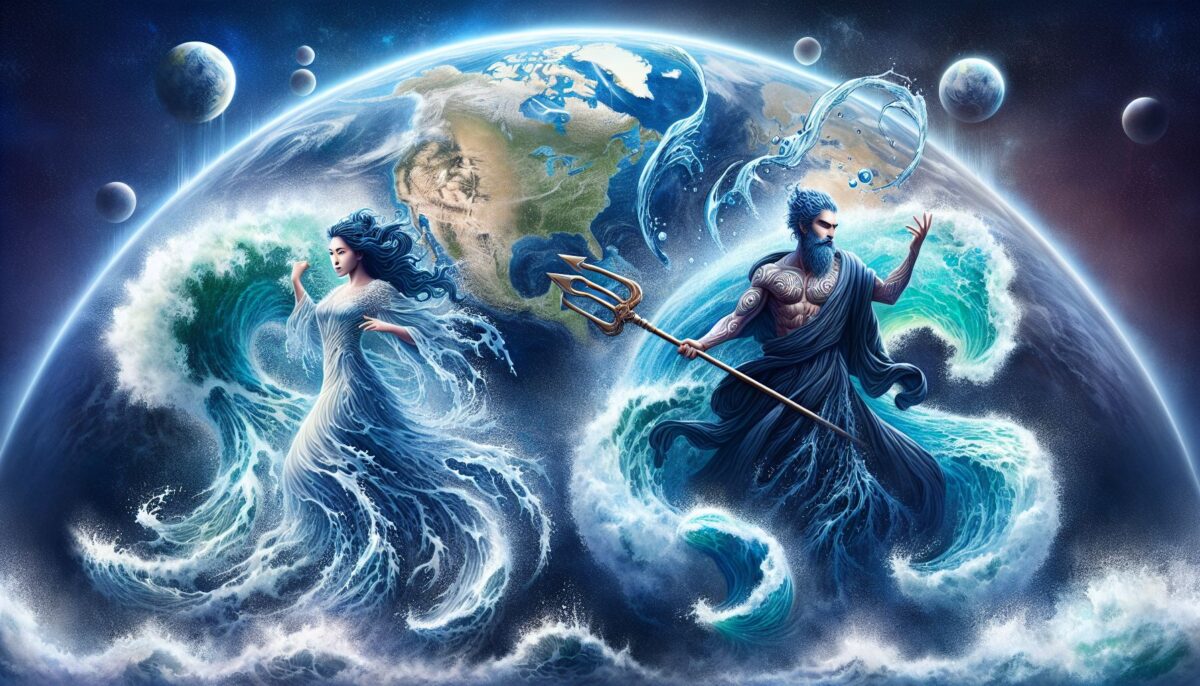
The ocean, covering over 70% of our planet, is not just a vast expanse of water. It’s a dynamic, constantly moving system that plays a crucial role in shaping life on Earth. Among the most influential yet often overlooked components of this immense natural entity are its tides and currents. These patterns of movement carry significant implications for marine life, human activity, and the global climate. In this deep dive, we will unearth the mechanics behind tides and currents, their environmental significance, and the challenges that we face related to these hidden heroes of ocean dynamics.
The Rhythms of the Sea: Unraveling The Mystery of Tides
The gravitational pull of the moon and, to a lesser extent, the sun, is the primary force driving the tides. As the Earth spins on its axis, the moon’s gravity tugs at the oceans, creating bulges of water that we experience as high tides. This partnership of celestial bodies and their influence on our oceans is known as the “tidal force.”
The Ebb and Flow
Tides are classified into different types depending on the alignment of the Earth, moon, and sun:
- Spring tides: Occur when the Earth, moon, and sun are in a straight line (during new and full moons), resulting in higher high tides and lower low tides.
- Neap tides: Happen when the moon and sun are at right angles to each other (during quarter moons), producing less extreme high and low tides.
This ebb and flow of tides are not only mesmerizing to watch but also crucial for the health of coastal ecosystems. They facilitate the movement and mixing of nutrients, which in turn supports the rich biodiversity of estuarine and shoreline habitats.
Shaping Shores and Human History
The repeating pattern of tides has shaped human civilization throughout history. Coastal communities have timed their fishing, navigation, and even military campaigns to the predictability of the tides. Moreover, the rise and fall of sea levels due to tidal movements are essential for developing ports and harbors.
Tidal Energy: A Sustainable Promise
One of the most promising aspects of tidal forces is the potential for renewable energy generation. Tidal energy comes from harnessing the kinetic power of water as it moves in and out with the tides. This form of energy production is predictable and environmentally friendly, presenting a significant opportunity for coastal regions to capitalize on sustainable power sources.
Charting the Path: Navigating Ocean Currents
Whereas tides are the vertical movement of water, currents are the horizontal flow. These streams within the ocean are driven by several factors including wind, the rotation of the Earth, differences in water density, and temperature and salinity gradients.
The Engine of Climate: Global Currents
The most significant oceanic currents are the thermohaline currents, making up the “global conveyor belt.” This system circulates water around the globe, regulating temperatures and contributing to the climate patterns we experience. For instance, the Gulf Stream is a well-known current that carries warm water from the Gulf of Mexico across the Atlantic, providing milder climates to parts of Europe that would otherwise be much cooler.
A Lifeline for Marine Creatures
Currents play a pivotal role in the life cycles of many marine species. For instance, they help distribute plankton, which are the foundational diet for many larger sea creatures. Currents also assist in the migration of species, from tiny invertebrates to great whales, as they follow these highways in search of food, mating territories, or calving grounds.
Marine Trade and Communication
For centuries, understanding and utilizing ocean currents have been vital for navigation and trade. Ancient mariners used knowledge of currents for exploration and to establish trade routes, a practice that continues today in maritime commerce. Modern shipping relies on the predictability of these currents to save time and fuel, thereby reducing costs and environmental impact.
Facing Future Challenges
As crucial as tides and currents are to the oceans’ health and our reliance on them, they are not immune to the impacts of human activity and climate change.
Climate Change and Ocean Dynamics
The global conveyor belt is sensitive to the changes in Earth’s climate. As we see an increase in sea temperatures and melting polar ice, the delicate balance of temperature and salinity that drives these currents is at risk. Disruption in these currents could lead to significant changes in weather patterns and even alter entire ecosystems.
Preserving the Flow
The protection of our oceans’ dynamic processes is essential for maintaining the balance of marine ecosystems. Efforts like marine protected areas, responsible coastal management, and reducing carbon emissions are critical in safeguarding the oceans’ rhythms against the backdrop of climate change and increasing human activity.
Sources and Further Reading:
- “Tidal Energy – Renewable Energy World.” https://www.renewableenergyworld.com/types-of-renewable-energy/tidal.
- “The Gulf Stream Explained – National Ocean Service.” https://oceanservice.noaa.gov/facts/gulfstream.html.
- “What Are Ocean Currents?” – National Geographic. https://www.nationalgeographic.org/encyclopedia/ocean-currents.
In conclusion, the roles of tides and currents in the ocean are fundamental not only to the marine life that thrives within it but also to human survival and prosperity. The predictability and power of these phenomena have been harnessed for centuries, yet we are only scratching the surface of understanding their potential and the threats we face due to their alteration. It is through continued study, conservation, and global cooperation that we can ensure these invisible heroes continue to sustain life on our blue planet.
