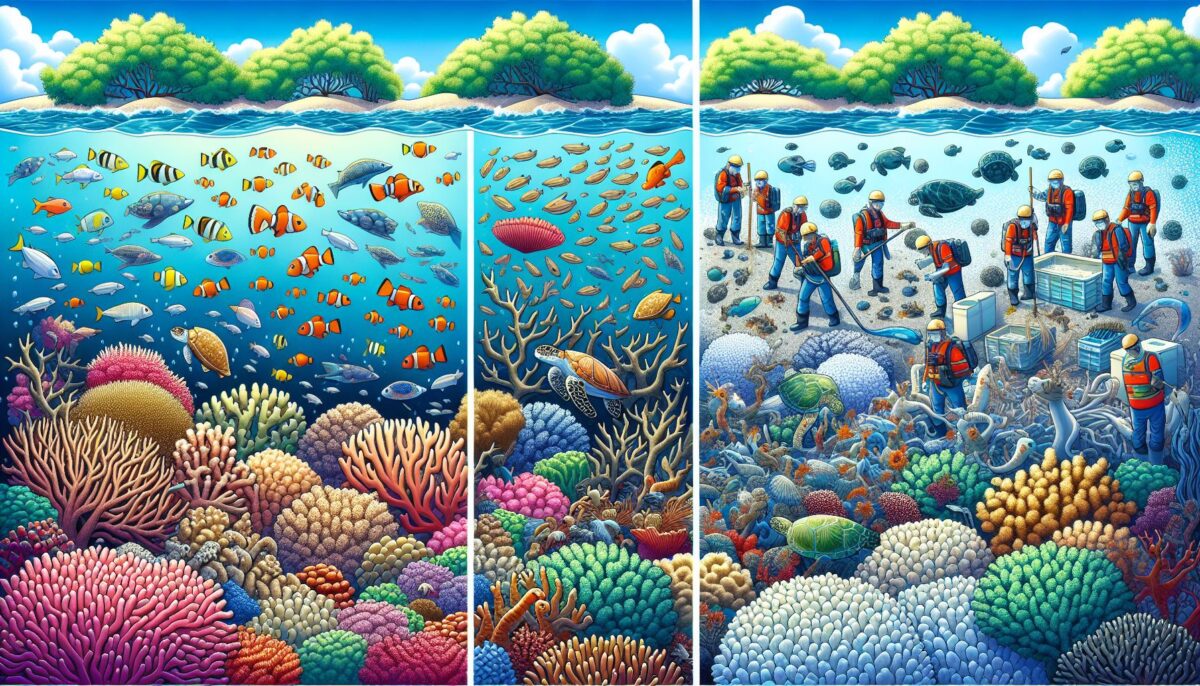
Coral reefs, often referred to as the rainforests of the sea, are among the most biodiverse and productive ecosystems on Earth. These underwater structures are not just important for marine life but also for the well-being of humans. Coral reefs provide food, coastal protection, and livelihoods for millions of people worldwide. However, they face numerous threats that can have far-reaching consequences. This article delves into the world of coral reefs, highlighting their significance, the dangers they face, their role in the blue economy, and the measures being taken to conserve them.
Biodiversity Hotspots
What makes coral reefs extraordinary is the immense biodiversity they harbor. Despite covering less than 1 percent of the ocean floor, reefs are home to about 25 percent of all marine species. They serve as essential spawning, nursery, feeding, and breeding grounds for numerous organisms, including fish, crustaceans, mollusks, sponges, and other invertebrates.
The Structure of Coral Reefs
Coral reefs are built by millions of tiny creatures known as coral polyps. These polyps secrete calcium carbonate to form protective limestone skeletons that, over time, accumulate to form the reefs. As these structures grow, they create intricate habitats with a variety of niches that host a wide array of species.
The Types of Coral Reefs
Coral reefs can be categorized into three main types: fringing reefs, barrier reefs, and atolls. Fringing reefs are the most common, growing directly from a shoreline. Barrier reefs are set apart from land by deeper channels of water. Atolls, which are often circular, form around sunken islands and have a central lagoon.
The Threats to Coral Reefs
Despite their resilience, coral reefs are under threat from a range of human activities and natural phenomena. Let’s explore some of the significant dangers these ecosystems face:
Climate Change
Warming sea temperatures due to climate change induce coral bleaching, a stress response where corals expel the symbiotic algae living in their tissues. Without these algae, corals lose their color and their main source of food, leading to a decline in health and potentially death if the stress persists.
Ocean Acidification
The ocean absorbs a significant amount of the carbon dioxide emitted into the atmosphere. This excess CO2 reacts with seawater to form carbonic acid, which lowers the pH of the ocean and makes it more acidic. This change impedes corals’ ability to produce their calcium carbonate skeletons and undermines the integrity of the reef structure.
Overfishing and Destructive Fishing Practices
Overfishing can deplete key reef species and alter the ecological balance, while practices such as using dynamite or cyanide to fish destroy the physical structure of the reefs, causing long-term damage.
Land-Based Pollution
Sediment runoff, nutrient pollution, and contaminants from agriculture, deforestation, and sewage discharge can smother corals and promote the growth of harmful algae which can outcompete corals for space and resources.
Physical Damage
Coastal development, irresponsible tourism, and anchoring on reefs can break or damage fragile corals. Even small breaks can take decades to recover.
The Role of Corals in the Blue Economy
The blue economy refers to the sustainable use of ocean resources for economic growth, improved livelihoods, and jobs while preserving the health of ocean ecosystems. Coral reefs play a pivotal role in the blue economy in several ways:
Fisheries
Coral reefs are crucial to both commercial and artisanal fisheries. Many commercially important fish species depend on reefs for part of their life cycles. These fisheries not only feed millions but also provide jobs and economic opportunities for coastal communities.
Tourism
Recreational diving, snorkeling, and coral reef-related tourism are substantial sources of income for many countries, contributing billions of dollars to economies around the world. Effective management of coral reef tourism is essential to ensure that it is sustainable and does not contribute to reef degradation.
Coastal Protection
Coral reefs are natural barriers that absorb the energy of waves and storms, protecting coastal habitats and human settlements from erosion and flooding.
Conservation and Management Efforts
There is an urgent need to protect and restore coral reefs. Various global and local initiatives are underway to achieve these aims:
Marine Protected Areas (MPAs)
Establishment of MPAs restricts certain activities within designated areas to protect and restore marine life.
Coral Restoration
Projects around the world involve the cultivation and transplantation of coral fragments to degraded reefs to catalyze their recovery.
Sustainable Fisheries Management
Enforcing fishing quotas, prohibiting destructive fishing practices, and creating no-take zones help ensure fish populations remain healthy and avoid undue stress on reef ecosystems.
Pollution Control
Efforts to manage and reduce land-based sources of pollution involve better agricultural practices, improved sewage treatment, and watershed management strategies.
Global Agreements
The Paris Agreement, which seeks to limit global warming, is a vital step toward reducing the threat of coral bleaching associated with climate change.
Research and Monitoring
Ongoing research and monitoring are crucial to understanding the health of reef ecosystems and the effectiveness of conservation measures. Organizations like the Coral Reef Alliance and the Reef-World Foundation are working to support these efforts.
Conclusion
Coral reefs are an irreplaceable part of our planet’s ecosystem and are crucial to the socioeconomic health of many nations. While the threats to coral reefs are significant and multifaceted, there is still hope as concerted efforts are made to protect and preserve these vibrant ecosystems. From international agreements to local conservation initiatives, every action we take today will determine the future of coral reefs and the myriad forms of life, including our own, that depend on them.
Conserving coral reefs is not just an environmental or scientific endeavor; it is also an investment in the prosperity and security of future generations. By supporting and participating in conservation efforts, we can ensure that coral reefs continue to thrive as beautiful and life-supporting components of our blue planet.
