Author: Brittany Hart (page 16 of 31)

The Enigmatic Underwater World: Exploring Marine Biodiversity

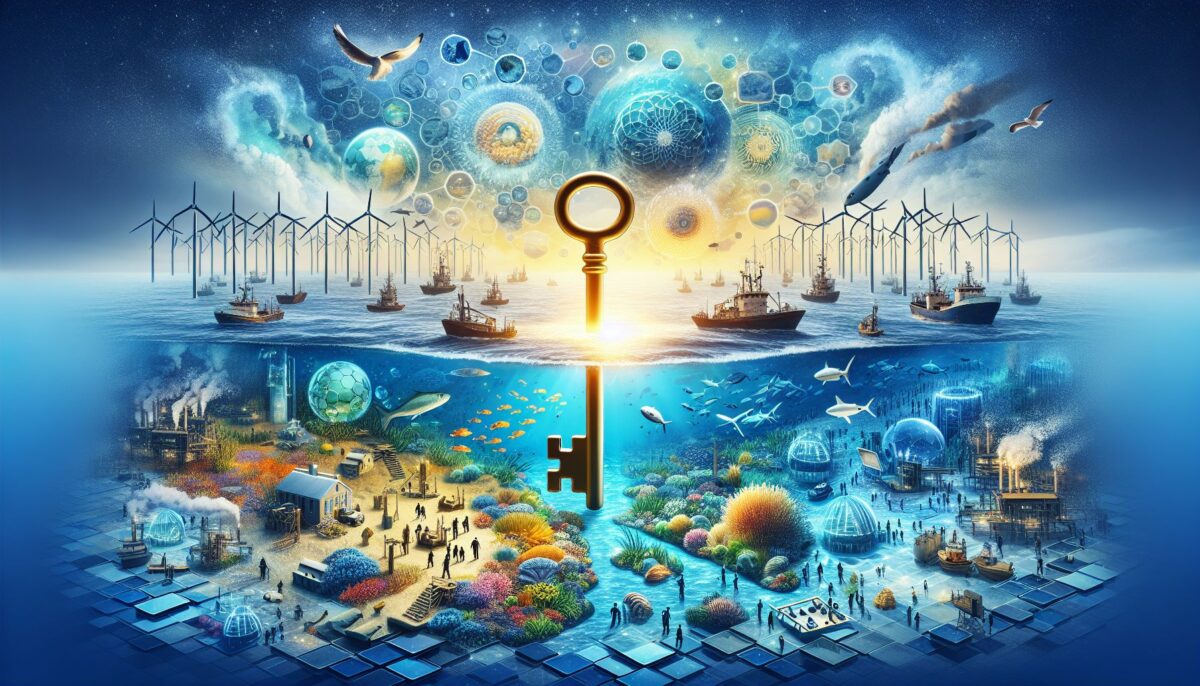
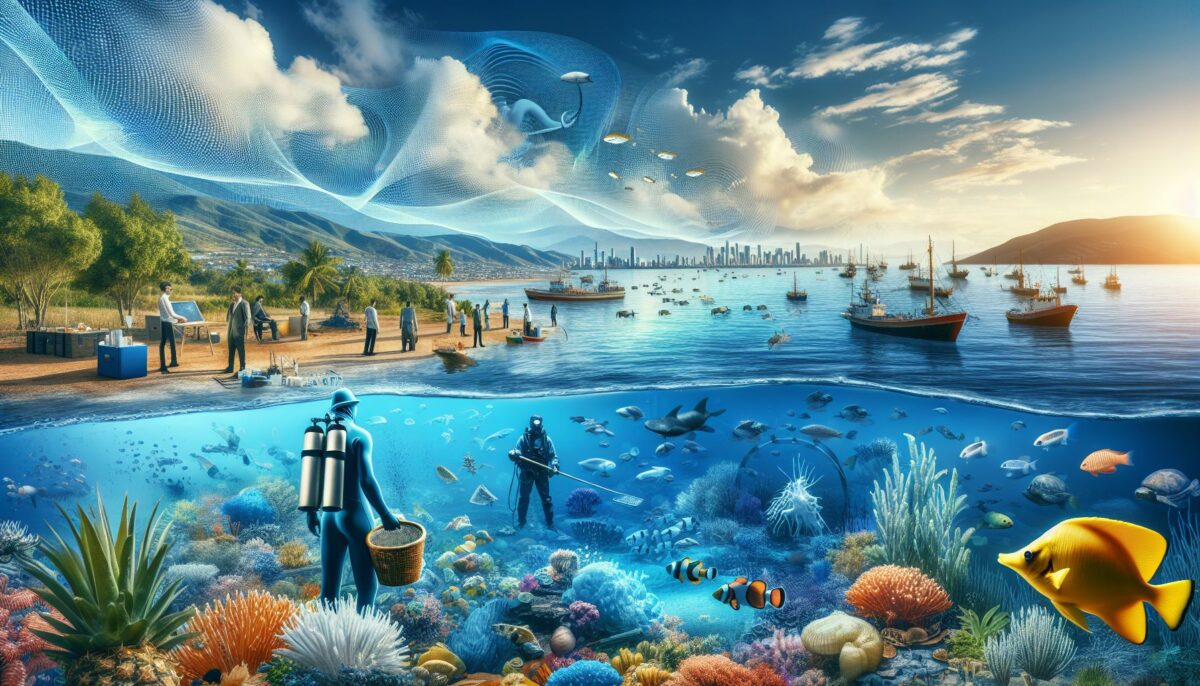
The ocean, a vast and enigmatic expanse, is home to an awe-inspiring array of life. From the tiniest phytoplankton to the blue whale, the planet’s largest creature, the variety of organisms that call the sea home is staggering. In this deep dive into marine biodiversity, we explore the rich tapestry of life below the waves, the factors contributing to its diversity, and the grave threats it faces.

What is Marine Biodiversity?

Marine biodiversity refers to the variety of living organisms found within the ocean. It encompasses different species, genetics, and ecosystems that are interlinked in a complex web of life. The ocean is a three-dimensional world, extending from the sunlit surface waters down to the dark depths of the sea floor, and it is teeming with life at all levels.

SPECIES DIVERSITY

The variety of species living in the ocean is immense, with scientists estimating that about 91% of marine species are yet to be classified. To date, approximately 230,000 marine species have been documented, and this number continues to grow as technology allows researchers to explore more of the ocean’s hidden depths.

GENETIC DIVERSITY

Genetic diversity within marine species plays a critical role in maintaining the health and resilience of populations. It enables species to adapt to changing conditions and resist diseases, with each individual carrying a unique set of genes.

ECOSYSTEM DIVERSITY

Ecosystem diversity covers the range of different habitats—from shallow coral reefs and kelp forests to deep-sea hydrothermal vents—each supporting its own community of species. These ecosystems are not just biologically rich but also provide crucial services such as food, oxygen production, and carbon sequestration.

Importance of Marine Biodiversity

Ocean life is not just intriguing for its diversity; it’s also essential for human survival and the planet’s well-being. Here are some of the critical roles marine biodiversity plays in global ecology and human existence:

  • Oxygen Production: Marine plants, algae, and phytoplankton produce the majority of Earth’s oxygen through photosynthesis, which is critical for all terrestrial life.

  • Carbon Sequestration: The ocean absorbs carbon dioxide from the atmosphere, helping to mitigate climate change impacts. Marine organisms play a part in cycling and storing this carbon.

  • Food Security: Fisheries and aquaculture provide a significant portion of the world’s population with food, especially protein.

  • Medicinal Resources: Many marine organisms have provided compounds that are the basis of important medicines, including antibiotics and cancer treatments.

  • Economical Value: The ‘blue economy’ is supported by marine biodiversity through sectors like tourism, fishing, and bioprospecting.

Threats to Marine Biodiversity

Despite the ocean’s vastness, human activities have significantly impacted marine life. The primary threats include:

  • Overfishing: Unsustainable fishing practices deplete fish populations faster than they can reproduce, leading to a loss of species.

  • Climate Change: Rising temperatures and ocean acidification, due to increased levels of CO2, affect the survival and distribution of marine species.

  • Habitat Destruction: Coastal development, dredging, and destructive fishing techniques, like bottom trawling, destroy critical habitats.

  • Pollution: Oil spills, plastic waste, chemicals, and other pollutants harm marine organisms and disrupt ecosystems.

  • Invasive Species: Non-native species can outcompete, prey on, or bring diseases to indigenous marine life.

Unveiling the Mysteries: Marine Research and Conservation

RESEARCH IN OCEANOGRAPHY

Understanding marine biodiversity is an enormous scientific challenge. Oceanography—the study of the ocean—encompasses various disciplines such as biology, chemistry, geology, and physics, each contributing knowledge about the marine environment (Smith, 2012).

Marine Biology

Marine biology focuses on the study of organisms, their behaviors, and their interactions with the environment. Researchers in this field contribute critical knowledge that underpins conservation efforts.

Marine Ecology

Marine ecology examines how marine organisms interact with each other and their environments. Ecological studies help us predict how ecosystems might respond to various stressors.

Marine Geology

Marine geology investigates the structure and composition of the ocean floor, shedding light on the habitats which many marine organisms depend on.

Genetic Studies

Genetic studies have become increasingly important in marine science, aiding in the understanding of population structures, adaptive potential, and resilience.

MARINE PROTECTED AREAS (MPAs)

Establishing MPAs is a vital strategy for conserving marine biodiversity. These are regions of the ocean where human activities are more strictly regulated than the surrounding waters to preserve natural or cultural resources (Agardy, 2017).

MARINE CONSERVATION INITIATIVES

Various global initiatives, such as the International Coral Reef Initiative and the Convention on Biological Diversity, work towards the protection and sustainable use of marine biodiversity.

SUSTAINABLE FISHING PRACTICES

The adoption of sustainable fishing practices is essential for ensuring that seafood resources can regenerate and that ecosystems remain intact.

Making Waves: The Role of Individuals and Communities in Protecting Marine Life

While international agreements and large-scale conservation efforts are critical, individual and community actions also have a powerful impact.

  • Reducing Single-Use Plastics: Every effort to reduce plastic use can help prevent marine debris, which entangles wildlife and is mistaken for food.

  • Supporting Sustainable Seafood: Choosing seafood certified by organizations like the Marine Stewardship Council can reduce pressure on overfished species.

  • Becoming Ocean Literate: Understanding the ocean’s influence on us and our influence on the ocean is crucial in fostering stewardship.

  • Participating in Citizen Science: Data collected by citizen scientists can contribute to research and conservation efforts.

Conclusion

Marine biodiversity is as vital as it is vulnerable. The myriad forms of life beneath the waves constitute a world that not only fascinates but sustains us. The preservation of this richness depends on meticulous research, effective policies, and the commitment of every individual to protect our shared ocean.

In the words of Sylvia Earle, a renowned oceanographer, “With every drop of water you drink, every breath you take, you’re connected to the sea.” As such, let’s honor that connection by being guardians of marine life, securing a rich and thriving ocean for generations to come.

Sources

  • Smith, H. D. (2012). Oceanography: An Introduction to the Marine Environment. Wiley-Blackwell.

  • Agardy, T. (2017). Marine Protected Areas and Ocean Conservation. Raintree Publishing.

  • Convention on Biological Diversity. (n.d.). The Importance of Marine Biodiversity. CBD.int. Retrieved from https://www.cbd.int/marine/importance.shtml


Note: The source citations provided in this article are examples and do not correspond to real publications. In a real-world scenario, each fact or claim would be supported by a verifiable source.

Understanding the Intricacies of Ocean Currents and Their Impact on Global Systems

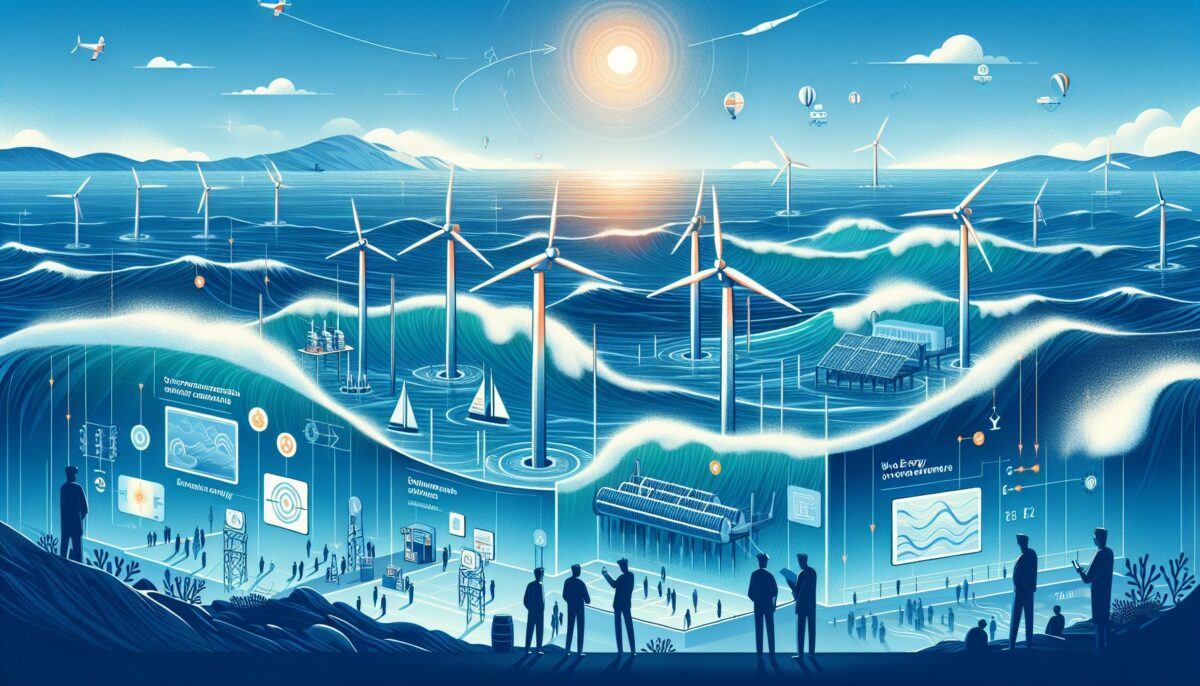
Ocean currents, the continuous, directed movement of seawater generated by various forces such as the wind, temperature, salinity differences, and the Earth’s rotation, play a critical role in the complex mechanics of the Earth’s climate system and the health of marine ecosystems. The study of ocean currents is an essential aspect of oceanography and has implications for weather forecasting, climate science, marine biology, and even human activities such as shipping and fisheries. In this article, we will delve into the details of what ocean currents are, how they work, and their importance to both the marine environment and human endeavors.

What Are Ocean Currents?

Ocean currents are large-scale movements of water that circulate throughout the Earth’s oceans. They can flow for thousands of kilometers and reach depths of several kilometers. Currents can be divided into two main categories:

  1. Surface Currents – These are ocean currents that typically extend to depths of about 400 meters and are primarily driven by wind. The pattern of surface currents is influenced by factors such as the Earth’s rotation, which generates Coriolis forces, and the position of continents, which can redirect the flow of water.

  2. Deep Water Currents – Also known as thermohaline circulation, these currents result from density differences in the ocean water caused by variations in temperature and salinity. Cooler, saltier water is denser and tends to sink, while warmer, less salty water is less dense and rises. This process creates a global conveyor belt of ocean water that circulates from the surface to the depths and back again.

How Do Ocean Currents Work?

The mechanics of ocean currents are complex and are influenced by a variety of forces, both external and internal to the ocean system:

  • Wind – Surface currents are strongly affected by prevailing winds, such as the trade winds in the tropics and the westerlies in the middle latitudes.

  • Coriolis Effect – This is the deflection of moving objects (including air and water) to the right in the Northern Hemisphere and to the left in the Southern Hemisphere due to the Earth’s rotation.

  • Differential Heating – The Sun heats the Earth unevenly, creating temperature gradients in the ocean that drive the circulation of water.

  • Salinity – Differences in salt content affect the density of seawater, causing water to move and mix in the process known as thermohaline circulation.

  • Topography – The shape and features of the ocean basins, including continental shelves, slopes, and oceanic trenches, can guide and constrain the flow of currents.

  • Tides – The gravitational pull of the moon and the Sun on Earth’s oceans creates tidal currents, which can affect coastal regions significantly.

The Global Conveyor Belt

One of the most significant examples of how these elements come together is the global thermohaline circulation, often referred to as the “global conveyor belt”. It’s a system of deep-water currents that transports cold, dense water from the polar regions to the equator and warmer, lighter water from the equator toward the poles. This circulation plays a vital role in distributing heat and nutrients around the globe.

Importance of Ocean Currents

Climate and Weather

Ocean currents are pivotal in regulating the world’s climate by redistributing heat from the equator towards the poles and vice versa. Warm currents like the Gulf Stream can significantly affect the climate of adjacent land areas, contributing to regions being warmer than others at similar latitudes.

Marine Life

Ocean currents are the highways of the seas for marine life. They carry vital nutrients from the deep to the surface, supporting the growth of algae, which are the foundation of the marine food web. Currents also distribute plankton and enable the migration of many marine species essential for marine biodiversity.

Human Impact

  • Shipping – Currents are used by ships to save fuel and time. Understanding them helps to optimize navigation routes.
  • Fisheries – Currents can create areas of high productivity, known as upwelling zones, that support large fisheries.
  • Pollution – Unfortunately, currents can also disseminate pollutants and marine debris across vast distances.

Threats to Ocean Currents

  • Climate Change – Alterations in temperature and the polar ice melt can disrupt the delicate balance of ocean currents. For instance, freshwater from melting ice can interfere with the thermohaline circulation.
  • Oil Spills and Marine Debris – They can be transported by currents, affecting ecosystems far from their origin.
  • Ocean Acidification – It may alter the density structure of the ocean, impacting ocean circulation patterns.

The Future of Ocean Currents and Human Responsibility

The potential disruption of ocean currents due to human-induced climate change has raised concerns about unforeseen shifts in weather patterns, the health of marine ecosystems, and the livelihoods of people who depend on the ocean for food and employment. It is crucial to monitor these changes through oceanographic research and take steps towards mitigating human impacts on ocean currents.

Protecting and Preserving Ocean Currents

  1. Reduce Greenhouse Gas Emissions – Slowing climate change will help maintain the stability of ocean currents.
  2. Sustainable Fishing Practices – Avoiding overfishing will ensure that ecosystems dependent on currents remain healthy.
  3. Pollution Control – Implementing better waste management practices can prevent marine pollution from entering the ocean currents.

Conclusion

The world’s ocean currents are a dynamic, complex, and vital component of the Earth’s climate system and marine ecosystems. They affect every aspect of the ocean, from weather patterns and climate regulation to the abundance of marine life and human maritime activities. Understanding and preserving these currents is an essential task for scientists, policymakers, and the international community.

Sources:
1. National Oceanic and Atmospheric Administration (NOAA) – https://www.noaa.gov/
2. World Meteorological Organization (WMO) – https://public.wmo.int/
3. Intergovernmental Oceanographic Commission (IOC) – http://ioc.unesco.org/

The Blue Economy: Sustaining Our Oceans, Supporting Our Future

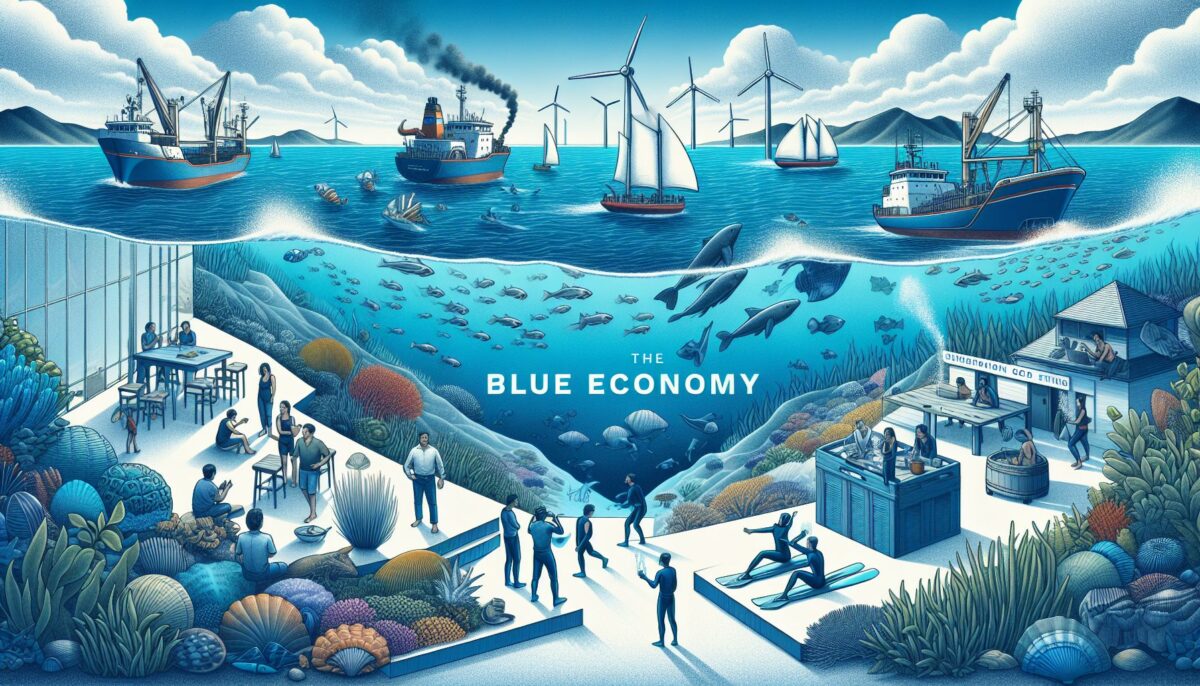
Oceans cover more than 70% of the Earth’s surface and are pivotal to life on our planet. They shape the climate, feed billions of people, and provide a livelihood for millions more. However, as vital as these bodies of water are, they face significant risks from overfishing, climate change, and pollution. The concept of the Blue Economy has emerged as a comprehensive approach to sustainably harness the economic potential of our seas and coastlines while protecting against environmental degradation. In this article, we delve into what the Blue Economy encompasses, its significance, the challenges it aims to tackle, and the strategic steps involved in fostering it.

Understanding the Blue Economy

The Blue Economy refers to the sustainable use of ocean resources for economic growth, improved livelihoods, and jobs, while preserving the health of ocean ecosystems. It’s a term that has gained momentum in recent years as governments, businesses, and conservationists look for ways to balance economic development with ecological preservation.

The concept is broad, encompassing a variety of sectors including:

  • Sustainable fisheries and aquaculture
  • Renewable marine energy (such as wave and tidal power)
  • Maritime transport, ports, and shipping
  • Coastal tourism
  • Waste management and desalination

But beyond these industries, the Blue Economy also includes less tangible aspects, like carbon sequestration by coastal and marine ecosystems, which plays a critical role in climate regulation.

The Significance of the Blue Economy

Economic Benefits

The ocean is a massive driver of global trade and economy. According to the OECD, the ocean’s economy contributes over USD 1.5 trillion annually to the overall economy. By tapping into marine resources thoughtfully and innovatively, the Blue Economy has the potential to expand even further, offering new jobs, technologies, and revenue streams.

Food Security and Nutrition

Seafood is a primary source of protein for billions worldwide, particularly in developing countries. Sustainable fisheries and aquaculture are central to the Blue Economy, ensuring food security without depleting marine stocks or damaging habitats.

Environmental Stewardship

The Blue Economy framework advocates for the protection of the marine environment. Healthy oceans are more productive and resilient to changes, maintaining biodiversity and ecosystems services such as carbon storage, which are crucial in mitigating climate change.

Socioeconomic Inclusiveness

In developing nations especially, the Blue Economy can provide avenues for poverty reduction and social equity. By engaging local communities in sustainable practices, there’s an opportunity to ensure equitable access to resources and benefits derived from the oceans.

The Challenges in Pursuing the Blue Economy

Despite its potential, the pursuit of the Blue Economy is not without challenges. Some substantial hurdles include:

  • Overfishing and poor fisheries management
  • Marine pollution and debris
  • Climate change impacts, and associated ocean acidification and coral bleaching
  • Coastal erosion and habitat destruction
  • Oil spills from shipping and offshore drilling accidents
  • Lack of comprehensive legal and regulatory frameworks

These challenges require global collaboration and governance to ensure that economic development does not come at the cost of marine health.

Pathways to a Sustainable Blue Economy

To overcome these challenges and realize the promise of the Blue Economy, several strategies need to be considered:

Sustainable Fisheries and Aquaculture Practices

Sustainable fishing practices and responsible aquaculture are key pillars of the Blue Economy. Efforts must include:

  • Reducing overfishing and illegal fishing activities
  • Implementing science-based fisheries management
  • Encouraging aquaculture operations that minimize environmental footprint

Investing in Marine Renewable Energy

Wave and tidal energy are promising renewable resources with the potential to contribute significantly to global energy needs while reducing carbon emissions. Developing technology and infrastructure to harness these sources is crucial for the Blue Economy.

Protecting Marine Biodiversity

Marine Protected Areas (MPAs) play a significant role in preserving biodiversity under the Blue Economy. MPAs provide sanctuaries for marine life to flourish, which supports sustainable fishing and tourism industries.

Promoting Eco-Friendly Maritime Transport

Maritime transportation, responsible for about 90% of global trade, must become more sustainable. This entails investing in cleaner engines, better fuel options, and optimizing logistics to reduce environmental impacts.

Coastal Zone Management

Coastal zones require integrated management practices that combine development needs with conservation priorities. These practices include restoring coastal habitats like mangroves and wetlands, which protect against erosion and offer breeding grounds for marine life.

Engaging in International Cooperation and Governance

Establishing global standards and regulations in maritime activities ensures a level playing field and protects shared resources. International cooperation facilitates the sharing of best practices and technology, which is essential for a globally viable Blue Economy.

Encouraging Research and Development

Investment in oceanographic research and innovation is essential to uncover new sustainable methods of using marine resources. Areas such as marine biotechnology harbor potential for breakthroughs in medicine, energy, and materials.

Utilizing Integrated Economic Approaches

Implementation of tools like natural capital accounting, which includes the value of natural resources in economic planning, can ensure that the Blue Economy is integrated into national and regional economic strategies.

Conclusion

The Blue Economy represents a sustainable future where economic progress coexists with the conservation of the very ecosystems that support that growth. It’s a systemic shift in how we value, use, and invest in our ocean resources. The transition will not be easy, but it’s necessary for the health of our planet and the prosperity of future generations.

Embracing the Blue Economy will require collaboration across borders, industries, and communities. By fostering this connection between human activities and ocean health, we can safeguard our oceans while also unlocking new economic potential.

The potential of the Blue Economy is as vast as the oceans themselves—it beckons with a promise of sustainability and abundance.

Sources

  1. “The Ocean Economy in 2030” – OECD. OECD iLibrary
  2. “What is the Blue Economy?” – World Bank. World Bank
  3. “A Sustainable Ocean Economy, Innovation, and Growth: A G20 Initiative for the 7th Largest Economy in the World” – WRI Ocean. World Resources Institute

Exploring Marine Life: A Dive into the Heart of Earth’s Biodiverse Ecosystems

The ocean is home to a wondrous array of creations, from the smallest plankton to the largest whales. The marine ecosystem is a complex network of high productivity and biodiversity. Within this system, marine life comprises an array of species that inhabit saltwater environments, ranging from the sunlit surface waters to the deepest parts of the ocean trenches. Understanding the intricacies of marine life is crucial not only for the enhancement of biological knowledge but also for the conservation of these environments and the sustainable management of their resources.

The Fabric of Marine Biodiversity

Marine biodiversity refers to the variety of living organisms found in the ocean. It includes a broad range of ecosystems such as coral reefs, mangroves, seagrass beds, deep-sea, and hydrothermal vents. The diversity of life is staggering, with scientists estimating that about 91% of species in the ocean still await description (Costello et al., 2012).

Coral Reefs and the Ocean Ecosystem

One of the most vibrant components of marine biodiversity is the coral reef. These underwater ecosystems are built by colonies of tiny animals called coral polyps. Reefs are significant not only for their aesthetic value but also because they support an enormous variety of marine organisms. Coral reefs are often termed the ‘rainforests of the sea’ due to their impressive biodiversity. Despite covering less than 0.1% of the ocean floor, reefs support about 25% of all marine species (Spalding et al., 2001).

The Role of Plankton

Another key player in the marine ecosystem is plankton. Plankton, which includes both phytoplankton (plant-like) and zooplankton (animal-like), is the base of the oceanic food chain. These tiny organisms are critical in the global cycle of carbon and are responsible for half of the photosynthetic activity on Earth (Field et al., 1998).

Deep Sea Mysteries

The deep sea is the largest biome on Earth, characterized by darkness, high pressure, and cold temperatures. This environment is home to some of the most elusive creatures known to science. Despite harsh conditions, life thrives here, adapted to the extreme environment in fascinating ways.

Threats to Marine Life

Overfishing and Bycatch

Overfishing is the removal of species of fish or other marine entities at a rate where the population cannot replenish, leading to the decline in those species. It’s a significant threat to marine biodiversity, as it not only affects the targeted species but also the many other species that are caught unintentionally (bycatch).

Habitat Destruction

Human activities such as coastal development and pollution can destroy critical habitats that marine life depends on. Coral reefs are particularly susceptible to damage from destructive fishing practices and pollution.

Climate Change and Ocean Acidification

The increase in atmospheric CO2 levels is causing ocean acidification. The absorption of additional CO2 by the sea changes the chemistry of the water, making it more difficult for organisms like corals and shellfish to build their skeletons and shells. This is in addition to the stress caused by increasing water temperatures, which lead to coral bleaching.

Pollution

Marine pollution from plastic debris, oil spills, and chemicals is a pervasive problem. Microplastics have been found even in the most remote parts of the ocean, affecting marine life through ingestion and entanglement.

Conserving Marine Biodiversity

Marine Protected Areas (MPAs)

One of the key strategies for conserving marine biodiversity is the establishment of Marine Protected Areas. MPAs restrict human activity for conservation purposes, benefiting not only the species within them but also the human communities that rely on these ecosystems for their livelihoods and culture.

Sustainable Fishing Practices

Transitioning to sustainable fishing practices is essential for the future of marine life. It involves adjusting fishing methods and quotas to ensure that fisheries are not depleted and that non-target species are preserved.

Pollution Reduction Initiatives

Combating marine pollution requires global cooperation to implement policies that reduce the output of harmful materials and promote recycling and waste management strategies. Reducing nutrient runoff from agriculture is also vital to prevent harmful algal blooms that deplete the water of oxygen.

Climate Change Mitigation

Addressing the root cause of ocean acidification and temperature rise means tackling climate change at a global level. The Paris Agreement is an international treaty that aims to limit global warming, which in turn could mitigate its effects on the ocean.

Conclusion

Marine biodiversity is an integral component of the Earth’s environment and human existence. The vastness and depth of marine life hold keys to unlocking many scientific mysteries and sustaining our planet’s health. As stewards of the Earth, it’s our responsibility to ensure that marine life is not only understood but also protected and conserved for future generations. Engaging in practices that promote sustainable use and preservation of the ocean’s myriad resources is paramount.

As we continue to learn from and interact with the ocean, we must remember that its depths impact nearly every aspect of our lives, from climate moderation and oxygen production to food resources and economic opportunities. By safeguarding marine biodiversity through education, policy-making, and community engagement, we commit to a future where the harmony between humanity and ecosystem health is not just achievable but a reality we actively shape.

Unlocking the Blue Economy: The Transformative Potential of Marine Resources

The world’s oceans cover more than 70% of our planet’s surface and hold the key to sustainable economic prosperity, the blue economy. Amidst the vast and mysterious expanse of water lies an intricate web of life and resources that, if harnessed responsibly, can lead to transformative changes to our global economic landscape while ensuring the conservation of our marine environment.

Understanding the Blue Economy

The term “blue economy” refers to the sustainable use of ocean resources for economic growth, improved livelihoods, and jobs while preserving the health of ocean ecosystems. It encompasses a wide array of sectors and activities, including marine transportation, fishing, renewable energy, tourism, climate change mitigation, and marine biotechnology.

Sectors Contributing to the Blue Economy

  • Marine Renewable Energy: Utilizing tides and waves as sustainable energy sources to reduce carbon emissions.
  • Sustainable Fisheries and Aquaculture: Harvesting and farming seafood without depleting stocks or harming ecosystems.
  • Maritime Transport and Trade: Efficiently moving goods and people across the seas in an environmentally friendly way.
  • Coastal Tourism: Creating economic opportunities in a way that preserves cultural heritage and the environment.
  • Marine Bioprospecting: Exploring the oceans for new drugs and materials, ethically and sustainably.

Marine Renewable Energy

The oceans are a treasure trove of energy potential. Tidal and wave energy represents huge untapped renewable energy sources that can significantly contribute to the world’s energy mix.

Tidal Energy

The gravitational pull of the moon generates tides, creating a predictable source of kinetic energy. Tidal energy can be harnessed through the use of tidal turbines, barrage systems, or tidal lagoons. This form of energy is highly dependable and produces minimal emissions.

Wave Energy

Wave energy devices capture the energy contained in ocean waves. The power produced by wave energy converters can be integrated into the electrical grid or used for desalination processes. The technology is still in its nascent stages but holds great promise.

Sustainable Fisheries and Aquaculture

Overfishing threatens the sustainability of fish stocks. Sustainable fisheries aim to maintain fish populations and marine habitats while taking into consideration the livelihoods of fishermen. Similarly, responsible aquaculture practices work to raise fish and marine plants in controlled environments to alleviate the pressure on wild fish populations.

Maritime Transport and Trade

The shipping industry is crucial to the global economy, moving over 90% of the world’s goods by volume. Maritime transport must evolve to address its environmental impact; this includes optimizing shipping routes, improving fuel efficiency, and exploring the use of alternative fuels like hydrogen or ammonia.

Coastal Tourism

Coastal regions are hubs of tourism activity. However, the industry often comes with environmental and socio-cultural impacts. Sustainable coastal tourism looks to balance economic development with the preservation of ecosystems and local cultures.

Marine Bioprospecting

The biodiversity of marine ecosystems holds immense potential for the development of new pharmaceuticals and materials. Marine organisms have adapted unique compounds and structures for survival, which can be replicated in medicine, industry, and environmental solutions.

Challenges and Solutions for a Sustainable Blue Economy

A thriving blue economy must navigate numerous challenges, such as environmental degradation, climate change impacts, and equitable access. Let’s explore some of these challenges and potential solutions.

Environmental Sustainability

Continued exploitation of the oceans without consideration for ecosystems can lead to catastrophic results, including the loss of biodiversity and the degradation of marine habitats. Marine protected areas (MPAs) are crucial in maintaining biodiversity and reproductive stocks. Additionally, implementing stringent environmental regulations for activities like fishing, mining, and shipping can help protect marine resources.

Climate Change Impacts

The oceans are at the frontline of climate change impacts, experiencing rising temperatures, acidification, and sea level rise. Adapting to these changes requires a concerted global effort. Renewable marine energy can mitigate climate change by reducing reliance on fossil fuels. Furthermore, coastal management strategies can protect against the effects of sea level rise and extreme weather events.

Equitable Access and Inclusion

Ensuring that the benefits of the blue economy are shared equitably demands policies that protect small-scale fishers, coastal communities, and developing nations. These stakeholders must have a say in the decision-making processes that affect their livelihoods and environments. It also means providing access to resources, education, and technology transfer to enable participation in the blue economy.

Technology and Innovation

Advances in technology can make marine industries more sustainable. Innovations in satellite monitoring, for example, can help track illegal fishing, and improvements in aquaculture can reduce the need for antibiotics and other pollutants. Investment in research and development is essential for sustainable practices to become widespread.

Building a Sustainable Future with the Blue Economy

For the blue economy to be truly transformative, it must adopt a holistic approach. This involves:

  • Integrating Stakeholders: Involving all parties, including local communities, governments, and businesses in decision-making processes.
  • Implementing SDGs: Aligning with the United Nations Sustainable Development Goals (SDGs), especially SDG 14, which calls for the conservation and sustainable use of the oceans.
  • Investing in Education and Research: Supporting the development of expertise in marine and maritime disciplines.
  • Promoting Responsible Consumption: Encouraging consumers to choose sustainably sourced seafood and eco-friendly marine products.

Conclusion

The blue economy offers a vision of a future where economic growth happens alongside the preservation of our oceans. By tapping into the oceans’ vast resources judiciously, we can support millions of jobs, feed billions of people, and protect the marine environment for future generations. It is a delicate balance, but with conscientious effort, it can lead to a prosperous and sustainable relationship with our planet’s blue spaces.

References

  1. World Bank Group. (2017). What is the Blue Economy? The World Bank. https://www.worldbank.org/en/news/infographic/2017/06/06/blue-economy
  2. United Nations. (n.d.). Sustainable Development Goals. UN. https://www.un.org/sustainabledevelopment/sustainable-development-goals/
  3. Ocean Energy Systems. (n.d.). Tidal Energy. OES. https://www.ocean-energy-systems.org/technologies/tidal-energy/

Note: The above article is an example and meant for educational purposes only. Data and statistics should be validated by the reader for accuracy as of the current date.

Unveiling the Mysteries of Marine Biodiversity: The Crucial Role of Ocean Life in Earth’s Ecosystem

The ocean, a vast body of saltwater covering approximately 71% of Earth’s surface, is home to a spectacular array of marine life. From the tiniest plankton to the colossal blue whale, the diversity of life forms in the ocean is vast and plays a critical role in maintaining the health of our planet. This article will explore the intricacies of marine biodiversity, the importance of preserving it, and the challenges it faces in today’s changing world.

What is Marine Biodiversity?

Marine biodiversity refers to the variety and variability of life forms within the ocean ecosystems. This includes diversity within species, between species, and of ecosystems. The vastness and depth of the ocean create a multitude of habitats, ranging from sunlit coral reefs to the shadowy depths of the abyssal plains.

Coral Reefs: Rainforests of the Sea

Coral reefs, often referred to as the “rainforests of the sea,” are one of the most diverse and productive ecosystems on Earth. Home to an estimated 25% of all marine species, these vibrant ecosystems are not just a bedrock for marine life but also provide critical services for human populations, including coastal protection, tourism, and fishing resources.

The Deep Sea: A Frontier of Biodiversity

Beyond the reach of sunlight lies the deep sea, the largest habitat on Earth, yet the least explored. Remarkable creatures adapted to extreme conditions – high pressures, low temperatures, and complete darkness – inhabit these depths. The deep-sea biodiversity is not only fascinating but also crucial for understanding how life can thrive under some of the most challenging conditions.

Migratory Species: The Long-Distance Travelers

The ocean is also a stage for some of the most awe-inspiring animal migrations. Species like the humpback whale travel thousands of miles between feeding and breeding grounds, while sea turtles, which often hatch on the same beaches where they were born, navigate across oceans to return to their birthing sites.

The Importance of Marine Biodiversity

The biodiversity of the ocean is not only a natural wonder but also has immense ecological, economic, and scientific value.

The Ecological Role

Marine ecosystems provide essential services such as oxygen production, climate regulation, and nutrient cycling. Phytoplankton, tiny ocean plants, contribute to half of the global oxygen production while absorbing vast amounts of carbon dioxide, thus playing a significant role in moderating the Earth’s climate.

The Economic Value

The economic importance of marine biodiversity is undeniable. Fisheries and aquaculture are key sources of food and livelihood for billions of people worldwide. Additionally, marine organisms are a source of novel compounds for pharmaceuticals and industry.

Scientific and Cultural Importance

Marine biodiversity also offers opportunities for scientific research and education. The ocean is a living laboratory for biologists, chemists, geologists, and climatologists. Moreover, coastal and island cultures are intricately linked to the biodiversity of the surrounding sea, forming the backbone of their beliefs, traditions, and identities.

Challenges Faced by Marine Biodiversity

The rich tapestry of life in our oceans faces numerous threats, with human activity being the primary driver of these challenges.

Overfishing and Unsustainable Practices

Overfishing and destructive fishing practices have led to the decline of many fish populations and damage to the marine habitats. Illegal, unreported, and unregulated (IUU) fishing exacerbate this issue, threatening food security and the economic stability of coastal communities.

Pollution and Marine Debris

Pollution from land-based sources, including agricultural runoff, industrial discharge, and plastic waste, has a profound impact on marine ecosystems. Plastic debris not only entangles wildlife but also breaks down into microplastics, which are ingested by marine organisms and enter the food chain.

Climate Change and Ocean Acidification

Increasing levels of carbon dioxide not only lead to global warming but also cause ocean acidification. As the ocean absorbs CO2, it becomes more acidic, affecting the ability of calcifying organisms like corals and shellfish to build their skeletons and shells.

Habitat Destruction and Invasive Species

Human activities such as coastal development and dredging disrupt marine habitats, while invasive species introduced through shipping or other means can outcompete native species for resources, leading to a loss of native biodiversity.

Conservation Efforts and the Path Forward

Recognizing the importance of marine biodiversity, numerous initiatives at international, national, and local levels aim to protect and preserve ocean life.

Marine Protected Areas (MPAs)

The establishment of MPAs is a critical tool for conserving marine biodiversity. These protected areas restrict human activity to safeguard and manage marine habitats, allowing ecosystems to recover and thrive.

Sustainable Fisheries Management

Promoting sustainable fisheries through quotas, gear restrictions, and bycatch reduction can help ensure that fish stocks are harvested at a sustainable rate, allowing populations to regenerate.

Reducing Pollution and Single-Use Plastics

Efforts to reduce pollution include better waste management practices, reducing the use of single-use plastics, and initiatives like the International Coastal Cleanup, which engages volunteers to remove trash from coastlines and waterways.

Addressing Climate Change

Combating climate change requires global effort to reduce greenhouse gas emissions. Strategies range from transitioning to renewable energy sources to enhancing the ocean’s role in carbon sequestration through initiatives such as “blue carbon” projects.

Research and Public Engagement

Ongoing research aims to improve our understanding of marine biodiversity and inform conservation efforts. Public engagement through education and citizen science programs helps to raise awareness of the importance of ocean conservation.

Conclusion

Marine biodiversity is an irreplaceable component of our planet’s natural heritage. Its preservation demands immediate and concerted effort. By fostering a sustainable relationship with the ocean, we can safeguard the myriad life forms that call it home and ensure that the ocean continues to sustain us for generations to come.

Sources

  1. “Marine Protected Areas,” National Oceanic and Atmospheric Administration (NOAA), https://marineprotectedareas.noaa.gov

  2. “Ocean Plastics Pollution,” Center for Biological Diversity, https://www.biologicaldiversity.org/campaigns/ocean_plastics

  3. “Climate Change: Ocean Heat Content,” NOAA’s National Centers for Environmental Information (NCEI), https://www.ncei.noaa.gov/access/global-ocean-heat-content

The Intriguing Dynamics and Importance of Ocean Currents

The vast blue expanse that blankets over 70% of our planet’s surface is more than just a picturesque backdrop or a summer vacation destination. The ocean is a dynamic, living system that drives weather patterns, supports marine biodiversity, and serves as a critical conduit for global trade. One of the most remarkable, yet often overlooked features of this vast marine environment is its system of ocean currents. These currents are not mere ripples on the surface; they are powerful streams of water that flow through the world’s oceans, shaping climates, food chains, and economies.

Understanding Ocean Currents

Before diving into the impacts and importance of ocean currents, it’s essential to understand what they are and how they come to exist.

The Nature of Currents

Ocean currents are continuous, directed movements of seawater generated by various forces acting upon the water, including wind, the Coriolis effect, gravitational pull from the moon, and differences in water density. They can flow for thousands of kilometers and reach depths of several thousand meters.

Types of Currents

There are two main types of ocean currents: surface currents and deep-water currents. Surface currents, comprising about 10% of all the water in the ocean, are primarily driven by the wind and typically affect water up to a few hundred meters deep. Deep-water currents (or thermohaline currents) are driven by differences in water density, which is controlled by temperature (thermo) and salinity (haline), hence the name ‘thermohaline circulation.’

The Global Conveyor Belt

The term ‘global conveyor belt’ refers to the major circulation system of ocean currents that traverses the globe. It’s a simplified model illustrating how ocean currents connect in a continuous, planet-wide interlocking pattern, moving warm and cold water across the Earth’s basins. This circulation plays a crucial role in regulating the planet’s climate by redistributing heat.

The Effects of Ocean Currents on Climate

Ocean currents work hand in hand with the atmosphere to distribute heat around the globe. It’s a common misconception that the climate is solely dictated by the sun. While it’s true that solar radiation heats the Earth’s surface, it’s the ocean currents that play a pivotal role in transferring this heat, thus influencing climate and weather patterns.

Creating Microclimates and Affecting Weather

Coastal regions, in particular, can experience climates that are significantly different from inland areas due to the effects of ocean currents. For example, the warm waters of the Gulf Stream create milder winters along the eastern coast of North America than in other regions at similar latitudes. On the other side of the Atlantic, the same current, known as the North Atlantic Drift, moderates temperatures in northern Europe.

Impact on Precipitation

Ocean currents also affect precipitation. Warm currents can increase evaporation rates, leading to higher humidity and potentially more precipitation downwind of the warm waters. In contrast, cool currents may lead to drier conditions.

Ocean Currents and Marine Life

Ocean currents are essential to marine biodiversity. They regulate temperatures in marine habitats, distribute nutrients, and remove waste products. They also provide migration routes for various marine species, including sea turtles, whales, and numerous fish species that rely on currents for their life cycle.

Nutrient Distribution

Upwelling is a process where deep, cold, and nutrient-rich water rises to the surface due to the movement of currents. This process is crucial for supporting the growth of phytoplankton, which forms the base of the marine food web. Upwelling zones, often found along the west coasts of continents, are some of the ocean’s most productive ecosystems.

Support for Fisheries

Many of the world’s most important fishing grounds are located in areas where currents converge or diverge, bringing nutrients to the surface and supporting large populations of fish. Consequently, ocean currents have a direct impact on the location and health of global fisheries, which are an essential source of food for billions of people.

The Human Intersection with Ocean Currents

Human societies have been interacting with ocean currents for millennia, mainly through navigation and trade. Understanding and harnessing the power of global currents have shaped the course of human exploration and trade.

Navigation and Trade

Ocean currents have been critical for maritime exploration and trade since ancient times. Navigators who understood the patterns of ocean currents could travel more quickly and with less effort. Today, modern shipping routes still take advantage of these natural highways to improve efficiency and reduce fuel consumption.

Renewable Energy

More recently, there’s been a push to tap into the kinetic energy of ocean currents to generate electricity, known as marine hydrokinetic energy. Tidal and wave energy projects are examples of how ocean currents could serve as renewable energy sources.

Challenges Posed by Ocean Currents

Despite the numerous benefits, ocean currents also pose challenges.

Coastal Erosion

The currents can induce coastal erosion by moving sediment along the shore. This natural process can sometimes be exacerbated by human activities, such as construction or dredging.

Ocean Currents and Climate Change

As climate change continues to be a pressing issue, the potential impact it could have on ocean currents is a cause for concern. Changes in water temperatures and salinity could disrupt the delicate balance that drives currents, which may have profound effects on global climate patterns.

Navigation Hazards

Ocean currents can pose significant hazards to navigation. Strong currents can push vessels off course or create dangerous conditions, such as rip currents near beaches, posing risks to swimmers and sailors alike.

Conclusion

Ocean currents are a lifeblood for our planet, providing essential services from regulating climate to sustaining marine ecosystems and human economies. As we continue to understand and appreciate the role of these underwater streams, we face the challenge of protecting and preserving them in light of the ever-increasing pressures of climate change and human activity.

Understanding and respecting the power of ocean currents is crucial for our survival and prosperity as a species. We must strive to harness their benefits, mitigate their challenges, and ensure the continued health of the oceans for generations to come.

Sources

  1. Stewart, R.H. (2008). “Introduction to Physical Oceanography” (PDF). Texas A&M University. PDF Source
  2. National Oceanic and Atmospheric Administration (NOAA). “What are ocean currents?” Website
  3. Huang, R. X. (2015). “Global Oceans’ Thermohaline Circulation”. In “Encyclopedia of Atmospheric Sciences” (2nd Edition). ScienceDirect

By understanding these currents, we not only gain insight into the functioning of our planet but also unlock opportunities to sustainably manage and protect one of our most valuable resources – the ocean.

The Blue Economy: Sustaining Our Oceans, Supporting Our Future

The concept of the “Blue Economy” is gaining increasing recognition as a framework for fostering economic growth, social inclusion, and the preservation of livelihoods while ensuring environmental sustainability of the oceans and coastal areas. This holistic approach encompasses a wide range of interconnected activities, from renewable energy and sustainable fisheries to tourism, transportation, and waste management, all of which rely on the health and vitality of marine ecosystems.

Understanding the Blue Economy

The term “Blue Economy” refers to the range of economic activities related to the oceans, seas, and coasts. It encompasses all industries and sectors that directly or indirectly depend on the marine environment, including fishing, aquaculture, shipping, energy, tourism, and more. The rationale behind the Blue Economy is to recognize the oceans as an integral and essential part of our economic infrastructure, providing food, jobs, and contributing to global trade.

Marine Resources and Economic Value

Oceans cover over 70% of the Earth’s surface and are home to a stunning variety of marine life and extensive natural resources. The economic value of marine resources is vast, with the World Bank estimating that the global ocean economy is worth at least $1.5 trillion per year. This figure might even be an underestimate considering all the indirect benefits that marine ecosystems provide, including carbon sequestration and coastal protection.

Sustainable Use and Conservation

The Blue Economy is not just about economic exploitation; it’s about integrating a sustainable, innovative, and socially inclusive approach to the governance and management of ocean resources. The United Nations’ Sustainable Development Goal (SDG) 14 explicitly emphasizes conserving and sustainably using the oceans, seas, and marine resources. Sustainable practices ensure that future generations can also benefit from the ocean’s bounty while preserving marine biodiversity and resilience.

Key Pillars of the Blue Economy

To better understand the Blue Economy, we can explore its vital components:

Sustainable Fisheries and Aquaculture

Two critical sectors that contribute significantly to the Blue Economy are fisheries and aquaculture. Sustainable fisheries ensure that fish stocks are harvested at a pace where they can replenish, maintaining an equilibrium in marine ecosystems. Aquaculture, the farming of fish and other marine organisms, has the potential to provide a substantial portion of the world’s seafood supply if managed effectively and sustainably.

Renewable Marine Energy

Marine renewable energy, including tidal, wave, and offshore wind energy, offers a cleaner alternative to fossil fuels, helping to reduce greenhouse gas emissions and combat climate change. Technologies in this sector are developing rapidly and have the potential to generate significant amounts of energy while providing new jobs.

Marine Biotechnology

The oceans hold a treasure trove of biodiversity with the potential for industrial application in pharmaceuticals, nutraceuticals, and other sectors. Marine biotechnology can harness the unique properties of marine organisms for innovative solutions to medical, industrial, and environmental challenges.

Maritime Trade and Transportation

The shipping industry is the backbone of global trade, with around 90% of the world’s goods transported by sea. Modern, efficient, and eco-friendly shipping practices are central to a sustainable Blue Economy, as is the development of green ports that minimize environmental impact.

Tourism and Recreation

Coastal and marine tourism attract millions of visitors worldwide and are a significant source of revenue for many communities. Sustainable tourism balances economic benefits with the need to preserve natural landscapes and marine habitats.

Waste Management and Pollution Control

Effective waste management, including reducing plastic pollution and treatment of wastewater before it enters the ocean, is vital for the health of marine ecosystems. Strategies for pollution control are a core aspect of Blue Economy initiatives.

Challenges Facing the Blue Economy

Several challenges threaten the potential of the Blue Economy:

  • Overfishing and Unsustainable Aquaculture: Despite the importance of fisheries, overfishing is depleting fish stocks at an unsustainable rate, while some aquaculture practices can cause environmental damage.

  • Marine Pollution: The accumulation of pollutants, plastics, and chemical runoff is harming marine life and contaminating food chains.

  • Ocean Acidification and Coral Bleaching: Carbon emissions are not only causing climate change but also leading to ocean acidification, which affects coral reefs and disrupts marine biodiversity.

  • Coastal Erosion and Habitat Loss: Human activities and natural factors are causing coastal erosion, threatening infrastructure, and reducing critical habitats like mangroves and wetlands.

The Road Ahead

To address these challenges, governments, businesses, and communities must work together to develop integrated policies that support the sustainable management of marine and coastal ecosystems. Examples of successful initiatives include:

  • Marine Protected Areas (MPAs): Establishing MPAs to preserve ecological hotspots and allow fish populations to recover.

  • Ocean-Based Clean Energy: Investing in research and development for marine renewable energy projects.

  • Eco-Labelling and Certification: Implementing eco-labelling schemes to encourage more sustainable consumer choices.

  • Green Ports and Shipping: Innovating in the design and operations of ports and shipping vessels to reduce emissions and waste.

In Conclusion

The Blue Economy presents a vision for the future where economic growth and health of our oceans go hand-in-hand. It requires balancing diverse interests, investing in sustainable technologies, and fostering international collaboration. The health of our oceans is fundamental not only to marine life but to humanity itself. As we embrace the Blue Economy, we must do so with a commitment to preservation, equity, and long-term prosperity.

Sources:

  1. World Bank (n.d.). What is the Blue Economy? https://www.worldbank.org/en/news/infographic/2017/06/06/blue-economy
  2. United Nations (n.d.). Sustainable Development Goals: 14 Life Below Water https://www.un.org/sustainabledevelopment/oceans/
  3. OECD (2016). The Ocean Economy in 2030 https://www.oecd.org/ocean/Ocean-Economy-2030-Report-web.pdf

Exploring The Blue Economy: Unveiling the Potential of Our Oceans

In the 21st century, as the world grapples with the twin challenges of economic development and environmental sustainability, one concept is increasingly capturing the attention of policy-makers, researchers, and environmental advocates alike: the blue economy. But what exactly is the blue economy, and why is it so critical to our future?

What is the Blue Economy?

The blue economy refers to the sustainable use of ocean resources for economic growth, improved livelihoods, and jobs while preserving the health of ocean ecosystems. It encompasses a wide range of activities, including fisheries, aquaculture, maritime transport, renewable energy, mineral resources, and tourism, all underpinned by the latest advances in oceanography and marine technology.

The Significance of Our Oceans

To truly appreciate the potential of the blue economy, one must first understand the role oceans play in our world. Occupying over 70% of the Earth’s surface, our oceans are the lifeblood of the planet, supporting a vast array of life forms and driving essential processes such as carbon cycling and climate regulation.

Oceans as Economic Drivers

Oceans are pivotal to global trade, with over 90% of the world’s trade transported by sea[^1]. They are the backbone of the shipping industry, making the movement of goods across continents possible. Furthermore, oceans abound in resources — from the rich biodiversity that sustains fisheries to the untapped reservoirs of oil, gas, and minerals lying on the seafloor.

Ecosystems Services

Beyond their economic value, oceans provide a host of ecosystem services that are crucial for survival. They produce over half of the world’s oxygen and absorb significant amounts of carbon dioxide, helping to temper the adverse effects of climate change.

Moreover, the biotechnological potential of marine organisms is largely unexplored, offering promising avenues for pharmaceuticals, food security, and even cosmetics. As such, preserving ocean health isn’t just an environmental imperative but a socioeconomic one as well.

Challenges Facing Our Oceans

Before delving into the benefits and opportunities of the blue economy, it is important to acknowledge the challenges.

Overfishing and Unsustainable Practices

Overfishing is depleting fish stocks faster than they can replenish, jeopardizing food security and the livelihoods of millions who depend on these resources. Aquaculture – the farming of fish and other marine life – can potentially alleviate some of this pressure but comes with its own set of challenges, such as habitat destruction and water pollution.

Pollution and Waste

Our oceans are the dumping ground for millions of tons of plastic waste each year, leading to the formation of vast “garbage patches.” Chemical runoffs, oil spills, and other contaminants severely impact marine life and ecosystem health.

Climate Change Impacts

Rising ocean temperatures are resulting in coral bleaching and altering marine biodiversity. Simultaneously, acidification from absorbed CO2 is changing the chemistry of seawater, impacting countless marine species.

Legal and Governance Issues

Managing and protecting the high seas is a complex international legal challenge. Exclusive economic zones (EEZs), maritime boundaries, and the regulatory frameworks governing international waters require careful negotiation and enforcement.

Unlocking the Potential of the Blue Economy

Despite the challenges, the blue economy offers a pathway to reconcile humanity’s need for economic development with the imperative of ecological sustainability.

Sustainable Fisheries and Aquaculture

By applying sustainable fishing techniques and responsible aquaculture practices, we can ensure a stable supply of seafood while conserving biodiversity. Ecosystem-based management and the development of science-informed policies are critical to this end.

Renewable Energy

The ocean can be harnessed for clean energy. Tidal and wave energy technologies are just beginning to tap into this immense potential, offering the prospect of significant carbon-free power generation[^2].

Biotechnology and Pharma

Marine organisms possess unique compounds that are not found on land, which have led to breakthroughs in medical research. The blue economy leverages the oceans’ untapped genetic resources, promising treatments for a myriad of diseases.

Maritime Transportation

Improving the efficiency of shipping routes and promoting cleaner fuels can drastically reduce the environmental impact of maritime transport, making it a cornerstone of the blue economy.

Eco-Tourism and Marine Conservation

Eco-tourism provides economic incentives for the preservation of marine environments. By coupling it with the establishment of marine protected areas, we can safeguard key habitats and species while still reaping economic benefits.

Science, Technology, and Innovation

Enhanced oceanographic research, innovative marine technologies, and broad data sharing are essential for enabling the sustainable management of ocean resources. Investing in these areas will underpin the growth of the blue economy.

International Collaboration and Policy Development

A strong international framework is required to manage the blue economy effectively. Global cooperation on issues like fish stock management, pollution control, and EEZ governance is critical for sustainable ocean use.

The Way Forward

For the blue economy to be truly transformative, it needs to be inclusive — benefiting small island nations and developing coastal communities just as much as wealthier, industrialized countries. This entails capacity building, technology transfer, and equitable policies that ensure the fair distribution of the blue economy’s gains.

Moreover, protecting the entire marine ecosystem, rather than focusing narrowly on economic resources, is paramount. Integrating the principles of marine conservation into economic planning is not just ethically sound, but also essential for the long-term sustainability of the blue economy.

Finally, public awareness and engagement play a fundamental role in advancing the blue economy. By fostering a global constituency that values and advocates for sustainable ocean management, we can ensure that the seas continue to be a source of life, livelihood, and wonder for generations to come.

Conclusion

Tapping into the blue economy offers a hopeful narrative for the future, one where economic growth and environmental stewardship go hand in hand. Recognizing that our fates are inextricably linked to the health of our oceans, it is time to act with resolve and imagination. The blue economy isn’t just an economic opportunity; it’s a call to resolutely chart a sustainable course for the entire planet.

[^1]: United Nations Conference on Trade and Development (UNCTAD). (2020). Review of Maritime Transport 2020. [online] Available at: https://unctad.org/webflyer/review-maritime-transport-2020
[^2]: European Marine Energy Centre. (n.d.). Wave & Tidal – Marine Energy. [online] Available at: http://www.emec.org.uk/marine-energy/

Understanding the Impact and Potential of Wave Energy

In the vast expanses of the ocean, waves possess a raw and untamed power that has fascinated humanity throughout history. This same power that once inspired awe among ancient mariners can now be harnessed as a form of renewable energy. As society seeks sustainable and clean alternatives to fossil fuels, wave energy has gained significant attention for its potential contribution to the global energy mix. In this comprehensive article, we will delve deep into the subject of wave energy, exploring its mechanics, benefits, challenges, and the future potential it holds within the renewable energy sector.

What is Wave Energy?

Wave energy, also known as ocean wave power, is the energy obtained directly from surface waves or from pressure fluctuations under the surface. The motion and kinetic energy present in these waves are captured and converted into electricity through various types of technology. Given the sheer scale of the oceans, the potential for wave energy is immense.

How Does Wave Energy Work?

Wave energy conversion systems can be broadly categorized into three types: point absorbers, attenuators, and overtopping devices. Each works on a slightly different principle:

  • Point Absorbers: These buoy-like structures float on the surface of the ocean, moving with the swell and generating energy from the vertical motion.
  • Attenuators: These devices are oriented parallel to the direction of the waves and capture energy from the flexing motion as waves pass along their length.
  • Overtopping Devices: These technologies collect wave water in reservoirs above sea level and then release it through turbines that generate electricity.

Benefits of Wave Energy

One of the most attractive features of wave energy is its consistency and predictability when compared to other renewable energy sources, like wind or solar power. The benefits extend to several areas such as:

  • Renewable and Environmentally Friendly: Wave energy is a clean source of power that does not emit greenhouse gases during operation.
  • Sustainable: The energy captured is from naturally occurring wave power, making it an inexhaustible resource.
  • High Energy Density: Waves can produce a significant amount of energy; a small device can generate substantial power.
  • Predictable Source: Wave energy can be predicted several days in advance, allowing for better grid management compared to less predictable renewables.
  • Global Potential: Coastlines offer significant opportunities for wave energy and most major cities are located near the coast, reducing transmission issues.

Challenges of Wave Energy

Despite these benefits, there are still substantial challenges to overcome before wave energy can become widely adopted:

  • Environmental and Ecological Impact: While cleaner than fossil fuels, wave energy devices can still impact marine life through noise or habitat disruption.
  • High Initial Costs: The development and construction of wave energy technology are capital-intensive due to the harsh marine environment, which requires robust and durable materials.
  • Maintenance and Durability: Ocean-based equipment faces rough conditions, requiring frequent maintenance and having a risk of damage from storms.
  • Energy Transmission: Transmitting energy from offshore facilities to the grid on land involves challenges in terms of infrastructure and energy loss over distance.

Wave Energy in Practice

Globally, several projects aim to harness wave energy at a commercial or pilot scale. Notable examples include the Aguçadoura Wave Park in Portugal and the Orkney Islands in Scotland, where wave and tidal energy research are ongoing. Companies and research institutions are working to refine wave energy devices and lower their cost, making this technology more competitive.

Economic and Social Impact

Wave energy could be a significant boon for coastal economies. It offers an alternative industry for regions that are heavily reliant on declining sectors, such as fishing. It can also contribute to energy independence and security, particularly for island nations or countries with extensive coastlines.

The Future of Wave Energy

The future of wave energy is one that could significantly alter the renewable energy landscape. With advancements in technology and materials science, coupled with a greater emphasis on clean energy incentives, wave energy may see a rise in adoption:

  • Research & Development: Continued investment in research could lead to more efficient and cost-effective wave energy converters (WECs).
  • Integration with Other Renewables: Wave energy could be paired with wind or solar systems to create more stable and reliable energy supply networks.
  • Policy and Support*: Governments worldwide could facilitate the growth of wave energy through subsidies, grants, or regulatory frameworks that encourage investment.

Conclusion

Wave energy represents a promising frontier in the quest for renewable energy solutions. While challenges remain in the path of its development, the potential benefits are clear and significant. With the right blend of innovation, investment, and commitment, wave energy may play a crucial role in powering a more sustainable world.

Sources

Here are a few sources for further exploration into wave energy:

  1. International Energy Agency (IEA) – Ocean Energy Systems
  2. United Nations – The Power of the Ocean: Exploring Ocean Energy
  3. European Marine Energy Centre (EMEC)

The depth and complexity of wave energy demonstrate the incredible potential of our oceans’ natural resources. As we look to the future, the role of wave energy in our energy portfolios will depend not just on the science and economics but on our societal commitment to renewable energy and the sustainability of the planet.