When we think of the ocean, images of vast blue waters, crashing waves, and expansive beaches often come to mind. While these are some of the more visible characteristics, there’s a dynamic and less observable force at play that has a profound effect on our planet: the tides. The movement of tides is a sophisticated dance guided by celestial and terrestrial influences, shaping not only the natural world but human activities as well. In this exploration, we’ll delve deep into what causes tides, their varying types, and the far-reaching impacts they have on marine life, human endeavors, and the coastal environment.
The Mystique of Tidal Forces
The phenomenon of tides has been observed by humanity for thousands of years, but it was not until Sir Isaac Newton’s elucidation of the gravitational forces between celestial bodies in the 17th century that we began to comprehend their underlying causes.
Gravitational Pull and the Bulge Theory
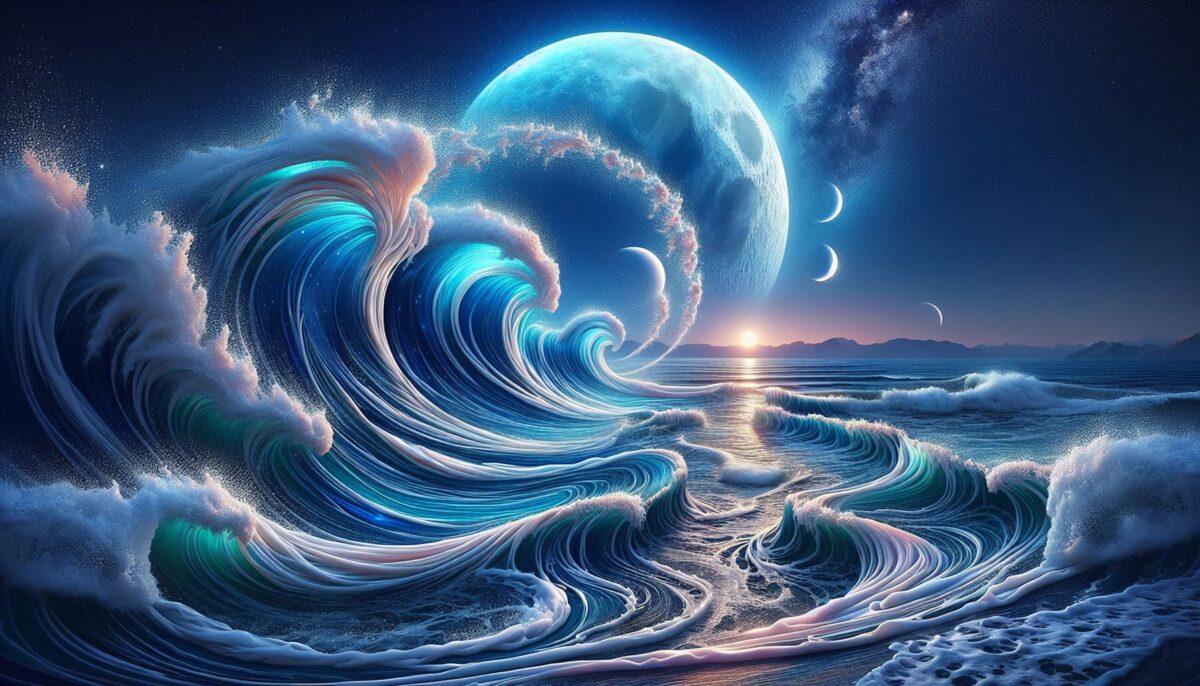
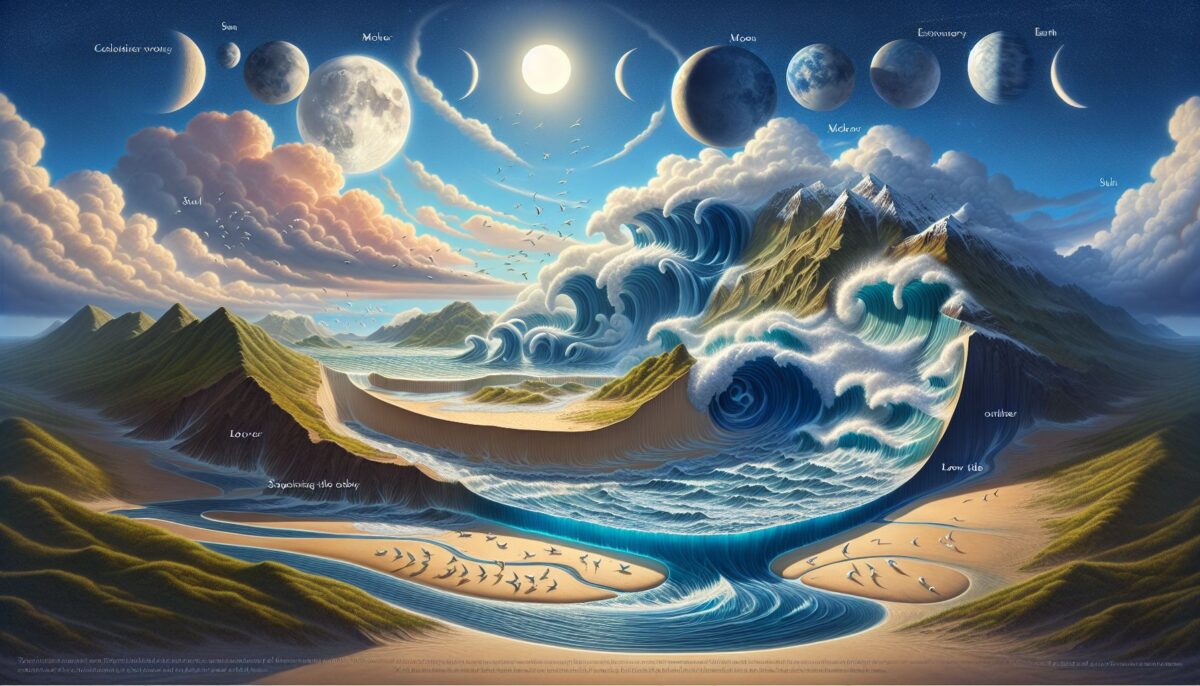
Tides are primarily the result of the gravitational pull exerted by the moon and, to a lesser extent, the sun upon the Earth. This gravitational attraction causes the ocean waters to bulge out in the direction of the moon. As the Earth rotates, different regions pass through these bulges, experiencing what we know as high tide. On the side of Earth opposite of the moon, another bulge occurs due to the centrifugal force of Earth’s rotation, leading to a second high tide.
Spring and Neap Tides
The relative positions of the Earth, moon, and sun affect the height and strength of these tides. When the Earth, moon, and sun align during the full or new moon—known as a syzygy—the gravitational forces combine to produce the highest high tides and the lowest low tides, called spring tides. Conversely, during the first and last quarter phases of the moon, when the sun and moon are at right angles to each other, the tidal range is minimized, and we experience neap tides.
The Tidal Cycle
A single location on Earth typically experiences two high tides and two low tides each lunar day—a period slightly longer than 24 hours due to the moon’s orbit around the Earth. These are termed semidiurnal tides and are prevalent in places such as the Atlantic coasts of Europe and North America. However, some regions, like the west coast of North America, experience mixed semidiurnal tides, where the high and low tides differ in height. Yet other areas may experience diurnal tides, having only one high and one low tide per day.
Tides and Marine Life
The ebb and flow of tides significantly influence marine ecosystems and the creatures that dwell within them.
Intertidal Zones
Tides create intertidal zones—areas that are underwater at high tide and exposed at low tide. These regions are rich in biodiversity, hosting a variety of organisms such as barnacles, mussels, sea stars, and many types of algae. Adaptations to survive both submerged and aired conditions are crucial for the survival of these species.
Feeding and Breeding
The tidal movement also aids in the feeding of numerous marine animals. For instance, shorebirds often time their feeding to correspond with low tides when mudflats are exposed, revealing a bounty of invertebrates to feast upon. Additionally, many species of fish and crustaceans time their breeding cycles to the tides, using high tides to bring their young into estuaries and nurseries safely.
Human Endeavors and Tides
Just as marine life has adapted to the rhythm of the tides, so have human activities.
Navigation and Shipping
Since ancient times, tides have played a critical role in navigation and shipping. Understanding the timing and extent of tides is crucial for the safe passage of ships into and out of ports and harbors. Mariners rely on tide tables and charts to avoid running aground in shallow waters or to take advantage of tidal currents for energy-efficient travel.
Renewable Energy
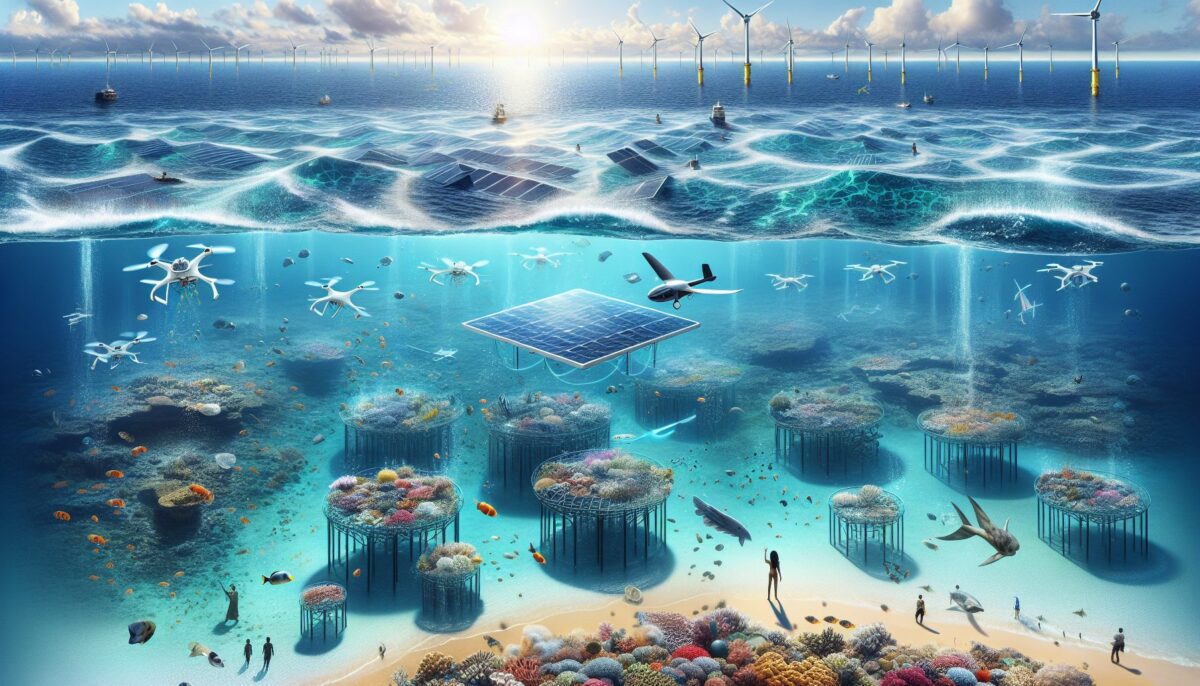
In recent years, the predictability and power of tides have been harnessed for renewable energy through tidal energy converters. Countries with strong tidal ranges, such as the UK and Canada, have invested in this technology to produce clean, sustainable power.
Coastal Management
Coastal engineers and planners must account for tidal forces when designing coastal defenses, constructing buildings, or developing coastal infrastructure. Understanding tidal patterns is key to mitigating the risks of coastal erosion and flooding.
Threats to Tidal Environments
Despite their enduring nature, tidal environments face significant threats due to human actions and climate change.
Sea Level Rise
As global temperatures rise, polar ice caps melt, and sea levels increase, leading to higher tides that can inundate coastal areas, erode shorelines, and threaten habitats and human dwellings.
Coastal Development
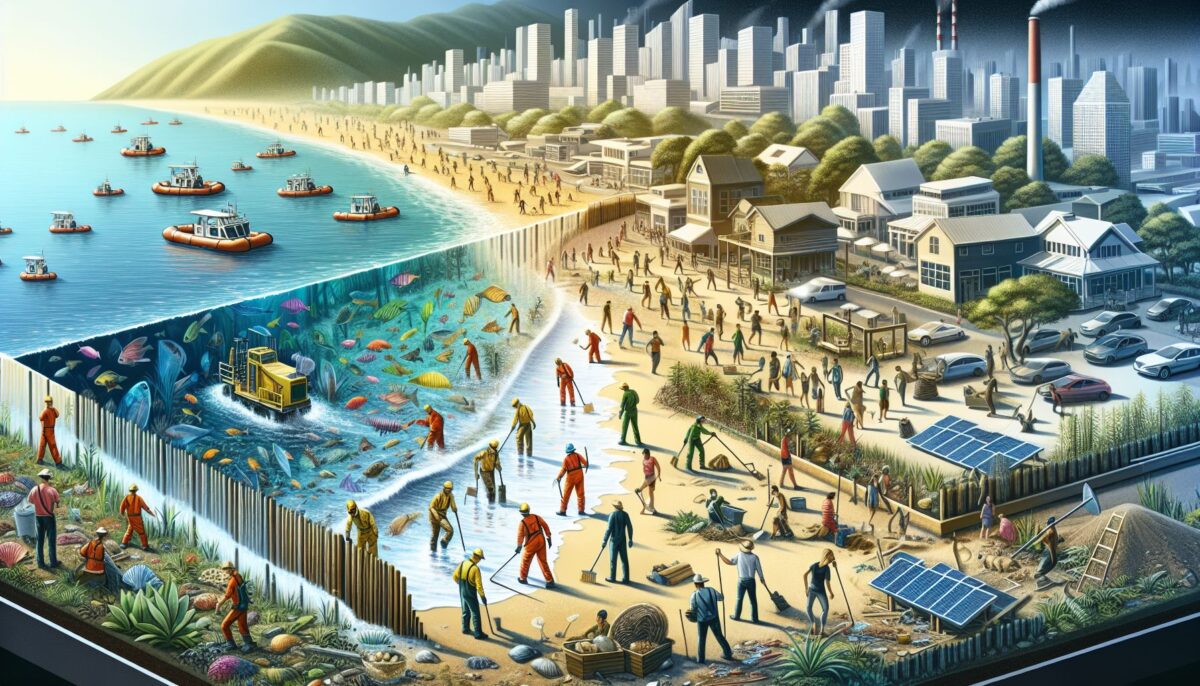
Expanding urban development along coastlines can disrupt the natural flow of tides, harming ecosystems dependent on tidal exchanges. Hardened structures like seawalls and jetties can alter tidal flows and sediment deposition patterns.
Ocean Acidification and Coral Bleaching
The rising levels of CO2 in the atmosphere not only impact the climate but also the ocean’s chemistry, leading to ocean acidification. Higher acidity can affect the health of coral reefs, which are vital for coastal protection and marine biodiversity. Moreover, warmer ocean temperatures can induce coral bleaching, weakening these ecosystems.
Preserving the Tidal Dance
To safeguard the vital functions tides perform in our world, concerted global efforts in coastal management and environmental protection are required.
Marine Protected Areas
Establishing and enforcing marine protected areas (MPAs) can help buffer tidal ecosystems from human pressures. MPAs provide safe havens for marine life to thrive and ecosystems to regenerate.
Sustainable Practices
Promoting sustainable practices in fisheries, aquaculture, and land use can reduce pollution and habitat destruction, thereby protecting tidal environments.
Tidal Energy Development
Investing in tidal energy research and development can provide clean electricity while minimizing environmental impacts when compared to other forms of power generation.
Conclusion: Tides as the Pulse of the Ocean
Tides are the heartbeat of the ocean, a pulse that exerts a profound influence over ecological and human activities alike. Understanding their mechanisms and respecting their might by adopting sustainable practices is paramount for ensuring the health and vitality of our coastal and marine environments.
While the forces driving the tides are celestial in origin, their effects are felt here on Earth’s shores, reminding us of the interconnectedness of the cosmos and our own existence. As we move forward, it’s crucial that we harmonize our actions with the natural rhythms they impart to preserve the delicate balance of life surrounding our coasts.
Sources:
- “What Causes Tides?” NOAA’s National Ocean Service. https://oceanservice.noaa.gov/facts/tides.html
- “Intertidal Zone,” Encyclopedia Britannica. https://www.britannica.com/science/intertidal-zone
- “Tidal Energy,” Office of Energy Efficiency & Renewable Energy. [https://www.energy.gov/eere/water