Category: Main (page 14 of 31)

The Vital Role of Coral Reefs: Biodiversity Hotspots and Ocean Guardians

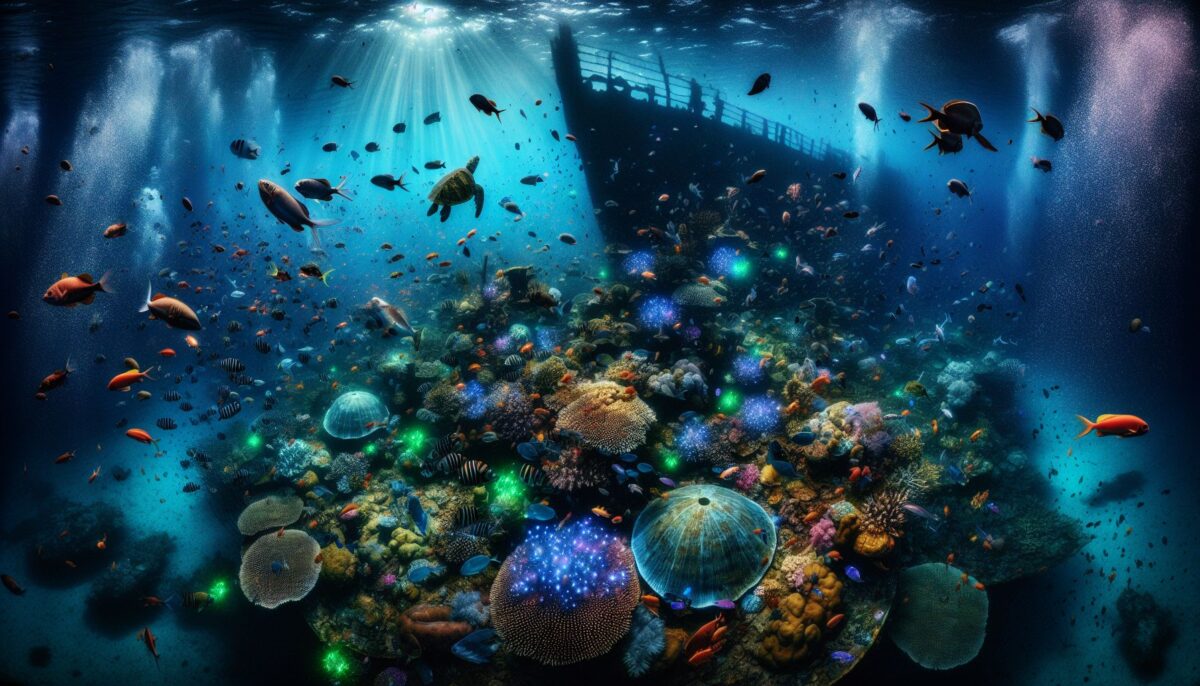
Coral reefs, often referred to as the rainforests of the seas, are amongst the most biodiverse and productive ecosystems on earth. They occupy less than 0.1% of the world’s ocean surface, yet they are home to at least 25% of all marine species. The intricate relationship between coral polyps and their symbiotic algae, along with the complex structures of the reefs themselves, create a plethora of habitats that support a vast array of marine life.

Understanding Coral Reefs

Coral reefs are underwater structures made from calcium carbonate secreted by corals. Corals are marine invertebrates in the class Anthozoa of the phylum Cnidaria. They typically live in compact colonies of many identical individual polyps. The unique characteristic of corals is their symbiotic relationship with tiny algae called zooxanthellae, which live inside the tissues of coral. This partnership not only gives corals their vibrant colors but is also essential for the nourishment and growth of both organisms.

Types of Coral Reefs

Coral reefs are categorized into three main types:

  • Fringing reefs: These are the most common type, developing directly from a shoreline and surrounding islands, creating a border in shallow waters.
  • Barrier reefs: Much like fringing reefs, they border a shoreline; however, they are separated by deeper, wider lagoons.
  • Atolls: These form when an island surrounded by a fringing reef subsides below the water surface, leaving a ring-shaped reef and sometimes a central lagoon.

The Biodiversity of Coral Reefs

Coral ecosystems provide habitats and shelter for many marine organisms, including fish, crustaceans, cephalopods, echinoderms, sponges, and marine worms. These vibrant underwater landscapes are not just about corals — they sustain a multitude of creatures, each playing its part in the delicately balanced marine environment.

  • Fish: Coral reefs provide shelter and food for a host of fish species, some of which are exclusive to coral environments.
  • Crustaceans: Many crustaceans such as shrimp, lobsters, and crabs are crucial for the nutrient cycling within reef ecosystems.
  • Mollusks: Various species of mollusks, including clams and snails, contribute to the biological diversity of coral reefs.
  • Marine Mammals: Some species of dolphins and whales may rely on coral reefs for food or as part of their migratory routes.

The Ecosystem Services Provided by Coral Reefs

Coral reefs render multiple services to the environment and human society. Some of these include:

  1. Protection of Shorelines: They absorb the power of waves during storms, protecting coastal communities from flooding and erosion.
  2. Fisheries: They support commercial and subsistence fisheries, playing a vital role in sustaining the livelihoods of millions of people.
  3. Tourism: Rich in marine life and beauty, coral reefs are significant attractions for tourism industries in many countries.
  4. Biodiversity: They support complex ecological networks and higher biodiversity, which may provide potential sources for medicines and chemical compounds.
  5. Carbon Fixation: Some coral growth forms contribute to carbon fixation through calcium carbonate deposition.

Threats to Coral Reefs

Despite their importance, coral reefs face a multitude of threats resulting from human activities and climate change, leading to coral bleaching and the degradation of reef ecosystems:

  • Climate Change: Rising sea temperatures cause corals to expel their symbiotic algae, leading to bleaching and weakened corals which may eventually die.
  • Ocean Acidification: Increased levels of CO2 in the atmosphere lower the pH of oceans, affecting the growth and structural integrity of coral reefs.
  • Pollution: Land-based sources of marine pollution including agricultural run-off, sewage, and oil spills, can smother corals or poison them.
  • Overfishing: This disrupts the balance of coral ecosystems, affecting fish populations and making corals more susceptible to diseases.
  • Destructive Fishing Practices: The use of dynamite or cyanide fishing destroys coral structures and devastates fish populations.
  • Coastal Development: Construction on coastlines can lead to sedimentation and pollution, which harm coral reefs.

Conservation and Management Efforts

To preserve and restore coral reefs, comprehensive conservation and management strategies are needed:

  • Marine Protected Areas (MPAs): These provide legal frameworks for protecting reefs from overfishing and destructive practices.
  • Sustainable Fishing Practices: Implementing fishing regulations and promoting sustainable fishing can help to balance reef ecosystems.
  • Pollution Control: Reducing land-based sources of marine pollution can slow down the degradation of coral reefs.
  • Research and Monitoring: Scientific research helps in understanding the complex dynamics of coral reef ecosystems and the effects of climate change.
  • Public Education: Educating the public about the importance of coral reefs encourages support for their conservation.

Conclusion

Coral reefs are vital to the health of our oceans and the prosperity of millions of people around the globe. They are not only significant features of our marine landscapes but also crucial to our collective future. Protecting and conserving these precious ecosystems is not just an environmental issue; it is an essential step towards maintaining the planet’s biological wealth and ensuring economic and social stability for communities worldwide.

Sources

  1. Coral Reefs – NOAA’s National Ocean Service. (n.d.). Retrieved from https://oceanservice.noaa.gov/facts/coralreef.html
  2. Hoegh-Guldberg, O. (1999). Climate change, coral bleaching and the future of the world’s coral reefs. Marine and Freshwater Research, 50(8), 839. doi:10.1071/MF99078
  3. Coral reef conservation program- NOAA. (n.d.). Retrieved from https://coralreef.noaa.gov/conservation/welcome.html
The Mysteries and Marvels of the Continental Shelf

The ocean is vast and profound, a realm veiled in mystery and abundant in life. As we peer into the depths of the sea, one of the most crucial and yet often overlooked regions is the continental shelf. This submerged ledge that skirts the continents is a critical zone for marine ecosystems, human activities, and the planet’s overall health. In this article, we will journey into the heart of what makes the continental shelf a subject of intrigue and immense importance.

Understanding the Continental Shelf

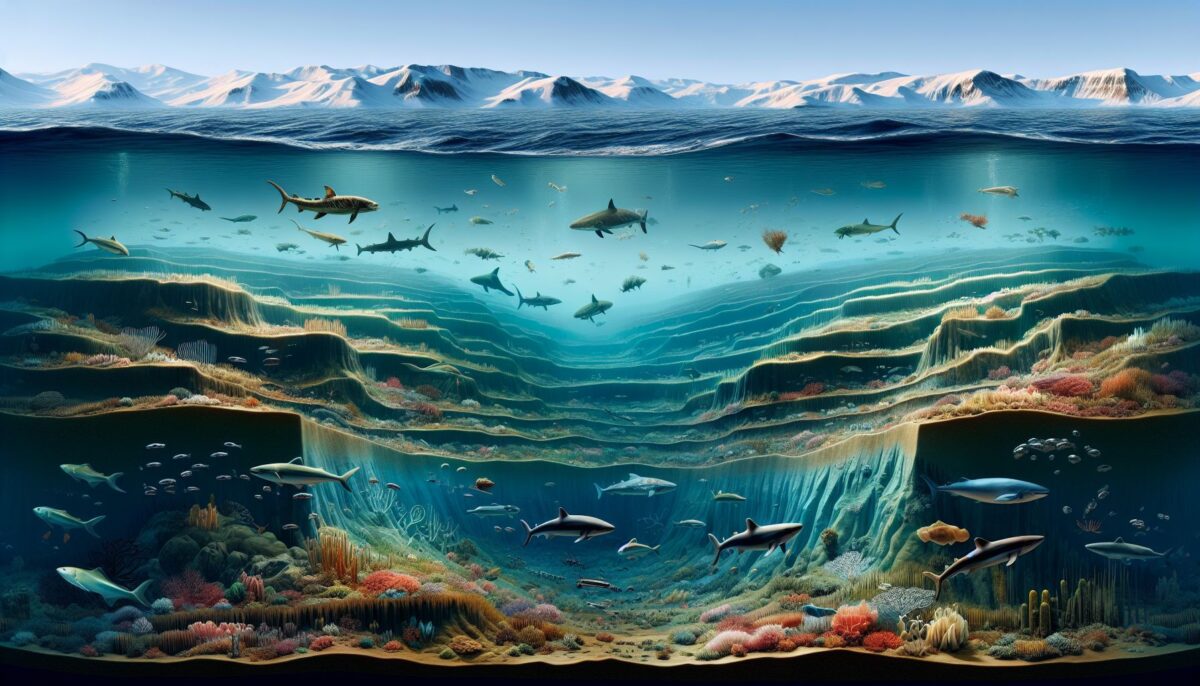
The continental shelf is the extension of a continent that is submerged under the ocean. It stretches from the shoreline out to the continental slope, where the sea floor drops sharply down to the deep ocean basins. This part of the Earth’s crust is relatively shallow—usually no more than 200 meters deep—and gently sloping. It constitutes less than 10% of the ocean area but is rich in resources and biodiversity.

Geology and Formation

Geologically speaking, the continental shelf is a product of millennia of tectonic movements, sediment deposition, glacial cycles, and erosion processes. It’s composed mostly of continental crust material, differing significantly from the denser oceanic crust of the deep seabed.

How It Shapes Marine Life

The relative shallowness of the continental shelf allows sunlight to penetrate to its seabed, fostering photosynthesis in plankton and algae, which form the basis of the marine food web. Coupling this with the infusion of nutrients from river runoff and coastal upwellings, the shelves serve as bustling metropolises for marine organisms.

Human Activities and the Continental Shelf

The continental shelf is not only biologically significant but also economically so—providing a bounty of resources while posing environmental challenges.

Fisheries and Seafood

Some of the world’s richest fishing grounds are located on continental shelves, as the abundance of nutrients supports large populations of fish and other seafood. This makes the shelf regions indispensable to global fisheries industries.

Oil and Gas Resources

Much of the offshore drilling activity is situated on continental shelves because these regions often hold vast reserves of oil and natural gas. This has led to the development of intricate infrastructures from oil rigs to pipelines, fulfilling a large portion of the human energy demands.

Renewable Energy and Research

In more recent developments, the shelves are being eyed for renewable energy. Projects like tidal and wave energy conversion systems are starting to dot these regions. Moreover, the shelf’s geology and biochemistry provide rich data for oceanographic and climate-related research.

Environmental Concerns and Conservation

Despite the bounty they offer, continental shelves face severe environmental threats.

Sea Level Rise and Coastal Erosion

Global warming and the resulting rise in sea levels threaten to inundate parts of the continental shelf, causing coastal erosion. As these zones are altered, the ecosystems and human settlements along the coasts are put at grave risk.

Marine Pollution and Oil Spills

Pollution from maritime activities, including oil spills, can devastate ecosystems on the continental shelf. After an oil spill, the clean-up can be difficult and the impacts long-lasting, affecting wildlife and disrupting fisheries.

Overfishing and Habitat Destruction

Unsustainable fishing practices have led to overfishing, which depletes fish stocks and alters the ecological balance of shelf ecosystems. Additionally, certain methods like trawling can damage the seafloor habitat, making recovery slow and sometimes impossible.

Conservation Efforts

To address these threats, various marine protected areas have been established on continental shelves. These designated zones aim to preserve marine biodiversity and manage resources sustainably. Nonetheless, the effectiveness of these areas depends greatly on enforcement and compliance with regulations.

Exploring the Science and Study of the Continental Shelf

Oceanography and Marine Geology

Oceanographers and marine geologists are the detectives of the sea, uncovering the secrets of the continental shelf through mapping (bathymetry), sediment analysis, and the study of tectonic movements (marine geology).

The Role of Technology

Advances in technology, such as remotely operated vehicles (ROVs) and autonomous underwater vehicles (AUVs), have revolutionized our understanding of the continental shelf. These tools allow us to explore otherwise inaccessible underwater landscapes and capture data crucial for research and conservation.

Looking Towards the Future

The continental shelf holds keys to the past and answers for the future. As we strive for a balance between utilizing its resources and preserving its natural beauty and diversity, the importance of responsible stewardship cannot be overstated.

Sustainable Practices

The adoption of sustainable fishing practices, responsible energy development, and careful environmental monitoring will be necessary to ensure the health and productivity of continental shelf regions for generations to come.

The Potential of the Blue Economy

The concept of the ‘blue economy’ emphasizes the potential of the ocean and its resources to drive economic growth, job creation, and innovation, all while ensuring the sustainability of the seas. The continental shelf will undoubtedly play a critical role in this vision of the future.

Conclusion

As we have seen, the continental shelf is not just a geological feature; it is a vibrant, life-sustaining component of our planet. The challenges it faces – from environmental threats to resource exploitation – necessitate a commitment to understanding, managing, and protecting this precious zone.

Resources for Further Reading

To delve deeper into the marvels of the continental shelf and its significance, please refer to the following resources:

  1. National Oceanic and Atmospheric Administration (NOAA) – Continental Shelf
  2. UNESCO – Intergovernmental Oceanographic Commission (IOC)
  3. The International Hydrographic Organization (IHO) – Hydrography on Continental Shelf

Through continued research, mindful management, and a collective global effort, we may hold onto the delicate balance that the continental shelf encapsulates—a place where the boundaries between earth, ocean, and human ambition meet.

**Preserving Marine Biodiversity: The Key to a Sustainable Blue Economy**

In the vastness of global waters, teeming beneath the waves, lies a world both crucial to our survival and staggeringly diverse: the realm of marine biodiversity. The intricate tapestry of life in our seas is not just a wonder of natural beauty, but it’s also the foundation for what is being called the blue economy. However, as our reliance on marine resources increases, so does the urgency to understand and protect marine biodiversity.

Marine biodiversity includes all the different species of plants, animals, and microorganisms, the genetic differences between them, and the complex ecosystems they form. This biodiversity is not evenly spread throughout the world’s oceans but occurs in gradients, with some places being particularly rich in species. In this article, we’ll explore why marine biodiversity matters, the threats it faces, and how its preservation is key to a thriving blue economy.

Why Marine Biodiversity Matters

Marine ecosystems provide essential services to humanity:

  • Food Security: The oceans feed billions of people around the world. Fisheries rely on healthy, diverse ecosystems to deliver seafood that many populations depend on.

  • Economic Prosperity: Marine biodiversity is at the heart of the blue economy, which includes sectors such as tourism, fishing, and biotechnology.

  • Climate Regulation: The ocean plays a crucial role in regulating the world’s climate. Marine organisms contribute to carbon sequestration and oxygen production.

  • Medicine and Biotechnology: Many marine organisms have unique biochemical compounds that have led to medical breakthroughs and biotechnological applications.

  • Cultural Significance: For many cultures around the world, marine life is a central part of their identity and heritage.

Given our dependence on the oceans, the loss of marine biodiversity can have severe consequences, impacting food security, economies, and even the air we breathe.

Threats to Marine Biodiversity

The top threats to marine biodiversity include:

  • Overfishing: This practice is one of the biggest threats to ocean life. Unsustainable fishing techniques can deplete fish stocks, disrupt food chains, and destroy habitats.

  • Climate Change: Warming waters, ocean acidification, and sea-level rise all result from climate change and threaten marine life. Coral bleaching, for example, devastates reef ecosystems that are hotspots for biodiversity.

  • Pollution: From plastic debris to chemical and oil spills, pollution can have immediate and long-lasting effects on marine ecosystems.

  • Habitat Destruction: Coastal development, destructive fishing practices like bottom trawling, and other human activities can destroy critical habitats.

  • Invasive Species: Species introduced to new areas, whether accidentally or purposefully, can unbalance local ecosystems and threaten native marine life.

The Blue Economy

The blue economy represents a sustainable approach to ocean and coastal economies, emphasizing conservation and sustainable management. It includes established sectors such as fisheries, shipping, and tourism, as well as emerging industries like ocean renewable energy. It’s estimated that the blue economy contributes trillions of dollars to the global economy and supports millions of jobs.

However, the future of the blue economy heavily depends on healthy marine ecosystems. The depletion of biodiversity can unravel the productivity and resilience of these ecosystems, putting the blue economy at risk.

Protecting Marine Biodiversity

To harness the full potential of the blue economy while safeguarding marine life, it’s imperative to protect marine biodiversity through:

  • Marine Protected Areas (MPAs): MPAs can help replenish overfished stocks, protect habitats, and restore ecosystems. Studies have shown that well-managed MPAs can lead to increased fish biomass and diversity.

  • Sustainable Fishing: Implementing and enforcing sustainable fishing practices and quotas is essential to allow fish stocks to regenerate and prevent habitat damage.

  • Pollution Control: Reducing pollution through better waste management on land and at sea can prevent harmful substances from damaging marine life.

  • Mitigating Climate Change: Marine biodiversity can better cope with the impacts of climate change if we reduce greenhouse gas emissions globally.

  • Restoration Projects: Efforts to restore ecosystems, such as coral reef restoration or seagrass planting, can help revive degraded habitats.

Monitoring and Research

Science-based management of marine resources is only possible with continuous research and monitoring. Understanding the complexities of marine biodiversity, how it’s changing, and the implications for human societies is essential. Organizations such as the Intergovernmental Oceanographic Commission (IOC) play a crucial role in fostering international cooperation on marine research.

Challenges in Marine Conservation

There are significant challenges in marine conservation, including:

  • Governance: Many marine ecosystems span national boundaries, and effective management requires international cooperation.

  • Economic Disincentives: Often, there are economic incentives for overexploitation and few short-term incentives for conservation.

  • Knowledge Gaps: The ocean is vast and largely unexplored. We need more research to understand marine systems and develop effective conservation strategies.

Conclusion

The health of our planet’s oceans is a barometer for the overall health of our environment. Preserving marine biodiversity is not just a moral obligation; it’s a necessity for sustainable development and the resilience of marine ecosystems on which we depend. A thriving blue economy is inextricably linked to vibrant marine life. Policies that prioritize the protection of marine biodiversity while addressing threats such as overfishing, habitat destruction, pollution, and climate change can ensure that the oceans continue to benefit humanity for generations to come. With continued efforts to increase awareness, research, and international collaboration, we can protect the marine life we so deeply rely on.

By championing marine biodiversity, we take essential steps in ensuring the sustainable and equitable use of ocean resources. The commitment to conservation and responsible management is not merely a matter of safeguarding the ecological wonders of our planet but a critical component of a strategy for economic and social prosperity. As stewards of the Earth, it is our collective responsibility to ensure that the rich tapestry of life beneath the waves continues to flourish.

To further explore marine biodiversity and the blue economy, readers are encouraged to consult the World Wildlife Fund (WWF) and the United Nations’ Division for Ocean Affairs and the Law of the Sea, which provide extensive information and advocate for conservation efforts worldwide.

The Hidden Realm of Marine Biodiversity: A Dive into the Mysteries Beneath the Waves

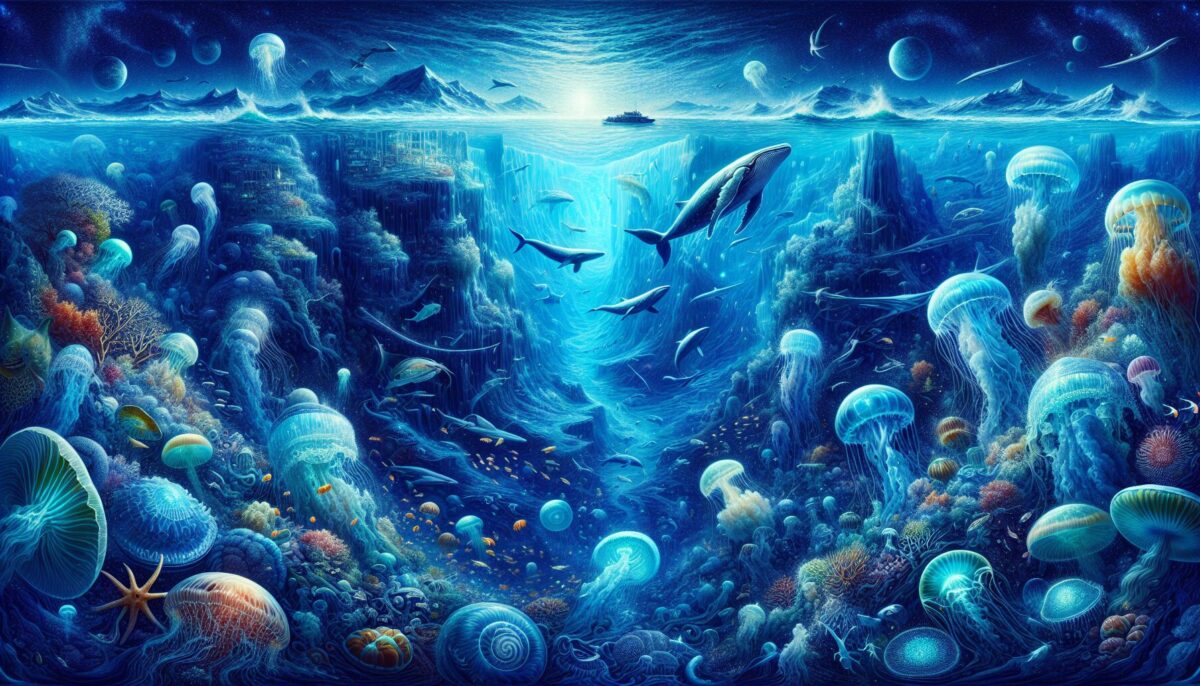
Marine biodiversity encapsulates the rich variety of life found in our planet’s oceans and seas. From the smallest microorganisms to the largest mammals, the ocean is home to a myriad of species that form complex and intricate ecosystems. The preservation of this biodiversity is crucial for the health of our planet, as well as for human society, which relies heavily on the ocean for food, medicine, and climate regulation. In this article, we will explore the wondrous world of marine biodiversity, the threats it faces, and the steps we can take to protect this vital resource for future generations.

The Spectrum of Marine Life

The ocean covers over 70% of the Earth’s surface and provides a habitat for a wealth of species. Marine life can be found at all depths, from the intertidal zone, where the sea meets the land, to the deepest ocean trenches that remain largely unexplored. The variety of habitats, including coral reefs, mangroves, seagrass beds, hydrothermal vents, and the open ocean, each support unique communities of organisms.

The Importance of Maintaining Marine Biodiversity

The diversity of life in the ocean provides numerous benefits to humans and the planet:

  • Food Security: Many communities rely on fish and other marine organisms as their primary source of protein.
  • Economic Value: Marine fisheries and tourism industries are important economic drivers.
  • Medical Discoveries: Chemical compounds from marine organisms contribute to the development of new medicines.
  • Carbon Sequestration: Marine plants and microorganisms play a critical role in absorbing carbon dioxide from the atmosphere.
  • Cultural Significance: Many cultures have deep spiritual and historical connections to the sea.

Threats to Marine Biodiversity

Despite its importance, marine biodiversity is facing unprecedented threats. Overfishing, habitat destruction, pollution, climate change, and ocean acidification are some of the most pressing challenges.

Overfishing

The demand for seafood has led to overfishing, which occurs when fish are caught at a rate faster than they can reproduce. This practice depletes fish stocks and disrupts the balance of marine ecosystems.

Habitat Destruction

Human activities such as coastal development, bottom trawling, and the extraction of marine resources destroy critical habitats that are essential for the survival of many marine species.

Pollution

The ocean is a dumping ground for all kinds of waste, from plastics to toxic chemicals. This pollution can have devastating effects on marine organisms, often leading to death or severe health issues.

Climate Change and Ocean Acidification

Rising temperatures and increasing levels of carbon dioxide in the atmosphere cause the ocean to warm and become more acidic. These changes impact the growth and survival of many marine species, particularly those with calcium carbonate shells or skeletons, like corals.

Invasive Species

The introduction of non-native species, whether through shipping activities or other means, can lead to the outcompeting of indigenous marine life, altering the structure and function of ecosystems.

Preservation and Restoration Efforts

Conservationists, scientists, and policymakers are working together to address the threats to marine biodiversity through various initiatives.

Marine Protected Areas (MPAs)

One of the most effective tools for marine conservation is the establishment of MPAs, where human activities are regulated to protect biodiversity.

Sustainable Fishing Practices

Implementing sustainable fishing practices and better management of fisheries can ensure that fish stocks are not depleted and that marine ecosystems remain healthy.

Pollution Reduction

Efforts to reduce marine pollution, including regulations on waste disposal and initiatives to clean up existing debris, are critical to protecting marine life.

Mitigating Climate Change

Global action to reduce greenhouse gas emissions and combat climate change is essential for the long-term preservation of marine biodiversity.

Restoring Habitats

Restoration projects, such as coral reef rehabilitation or seagrass planting, help to repair damaged ecosystems and support the recovery of marine species.

The Path Forward

The ocean is a source of wonder and existential sustenance, and its health is closely linked to our own. Preserving marine biodiversity is not just about saving individual species or habitats—it’s about ensuring a resilient and vibrant planet for everyone. To achieve this goal, it is essential to promote awareness, encourage sustainable practices, and foster cooperation at all levels of society.

Sources

  1. “State of the World’s Oceans”, Marine Conservation Institute. https://marine-conservation.org/sowos
  2. “Marine Protected Areas”, Oceanic Society. https://www.oceanicsociety.org/resources/protect/mpas
  3. “Overfishing: A Threat to Marine Biodiversity”, United Nations Environment Programme. https://www.unep.org/resources/report/overfishing-threat-marine-biodiversity

Marine biodiversity is a testament to the wonders of nature and a resource that we all depend upon. By understanding the value of the ocean’s diverse life forms and the threats they face, we can take strides towards preserving the beauty and utility of the marine world for future generations. Let us commit to being stewards of the ocean, not just for the marine life that depends on it, but for the very future of our planet.

The Hidden Dynamics beneath Waves: Understanding Ocean Currents and Their Global Significance

The ocean is a vast and dynamic system, playing a pivotal role in the Earth’s climate, weather patterns, and the overall health of our planet’s ecosystem. One of the most significant, yet often overlooked, components of this system is the network of ocean currents that flow beneath the surface. These currents are essential in regulating global temperatures, sustaining marine life, and even influencing human activities. In this article, we will delve into the complexity of ocean currents, explore their causes and effects, and discuss the challenges and opportunities that they present to the modern world.

The Anatomy of Ocean Currents

Ocean currents are primarily horizontal water movements, which can be either at the surface or deep within the ocean’s depths. These sizable streams of water can flow for thousands of kilometers and are driven by a combination of wind, water density differences, temperature gradients, and the rotation of the Earth.

Surface Currents

Surface currents consist of the upper 400 meters of the ocean and are mainly driven by the wind. These currents tend to follow the major wind belts of the world, such as the trade winds in the tropics and the westerlies in the middle latitudes. One of the most famous surface currents is the Gulf Stream in the North Atlantic, which warms the climate of Northwestern Europe.

Deep Water Currents

Far beneath the surface, deep water currents are generated by density differences in the ocean water, which are caused by variations in temperature and salinity. This process is known as thermohaline circulation, often referred to as the “global conveyor belt.” These slow-moving currents are crucial for transporting heat from the equator toward the poles, and cold water from the poles back toward the equator.

The Forces Behind the Flow

Several factors contribute to the occurrence and direction of ocean currents:

Wind Patterns

Wind is a primary driver of surface currents. The Earth’s rotation and the Coriolis effect induce a deflective force, which causes the currents to move in a circular pattern, clockwise in the Northern Hemisphere and counterclockwise in the Southern Hemisphere.

The Coriolis Effect

This phenomenon is the result of Earth’s rotation, influencing the direction of the flow. It causes the currents in the Northern Hemisphere to veer to the right and those in the Southern Hemisphere to veer to the left.

Differences in Water Density

Denser water sinks, which is often colder or saltier than the surrounding water, causing deep ocean currents. These differences can be due to temperature (thermal) or salinity (haline), hence the term ‘thermohaline circulation.’

The Shape of Ocean Basins

Continental configurations and bathymetry (the underwater topography of the ocean floor) can influence the flow and direction of currents. Submarine ridges and deep ocean trenches can act as barriers and guide the movement of currents.

Earth’s Climate and Ocean Currents

The ocean is often called Earth’s thermostat. Its currents play a critical role in maintaining the climate by redistributing heat around the globe. For example, the Gulf Stream carries warm water from the Gulf of Mexico across the Atlantic Ocean toward Western Europe, yielding a moderate climate for countries that would otherwise have much colder temperatures.

Marine Ecosystems and Currents

Ocean currents also serve as conveyer belts for nutrients, which are essential for the survival of marine life. Upwelling currents, where colder nutrient-rich water rises to the surface, are particularly fruitful areas for fisheries and the growth of phytoplankton, forming the base of the marine food chain.

Ocean Currents and Human Society

Human civilizations have long depended on ocean currents for navigation, fishing, and trade. Ancient mariners utilized currents and winds to explore new lands, while today’s shipping industry still relies on these natural pathways to improve fuel efficiency.

The Challenges of Changing Currents

However, ocean currents are not immune to the impacts of climate change:

Melting Polar Ice

As polar ice melts, it releases freshwater into the ocean, potentially disrupting the global conveyor belt, which relies on the sinking of dense salty water to drive deep ocean currents.

Altered Ecosystems

Changes in current patterns can shift the distribution of marine species and impact global fisheries, affecting food security for millions of people.

Impacts on Weather

A change in ocean currents can lead to more extreme weather events and alter precipitation patterns, which can have significant effects on agriculture and water resources.

Exploring and Preserving the Flow

Given their importance, the monitoring and study of ocean currents are vital:

Oceanography and Technology

Oceanographers use a variety of technologies, such as satellite measurements, buoys, and underwater drones, to study and model ocean currents.

Marine Conservation

To safeguard the oceans, Marine Protected Areas (MPAs) are established, and policies are implemented to minimize human impacts like overfishing and pollution that can alter current systems.

Renewable Energy

Interestingly, the power of ocean currents is also being harnessed through the development of tidal and wave energy technologies, contributing to the growth of the blue economy – economic activities related to the ocean and its resources, which are sustainable and protect the marine environment.

Conclusion

Ocean currents are the vital arteries of our planet’s ocean systems, influencing climate, marine biodiversity, and human livelihoods. As our understanding of these currents deepens, so does our ability to adapt to and mitigate their changes. It’s imperative that we continue researching and protecting these hidden dynamics to ensure the health of our oceans and the sustainability of our global ecosystem.

Sources

By understanding the intricacies of ocean currents, we gain insight into the broader complexities of Earth’s systems and underscore the interconnectedness of all life on this planet. Ongoing research, vigilant monitoring, and conscientious stewardship remain our best tools for ensuring that these currents continue to sustain life both in the water and on land.

Unveiling the Mysteries of the Deep Blue: An Exploration of Oceanography and the Vitality of Marine Biodiversity

The ocean is a vast and mysterious expanse, covering over 70% of our planet’s surface. To many, it is a source of intrigue, beauty, and boundless possibility. Yet, despite its prominence on Earth, much of the ocean remains unexplored, with its deepest trenches and farthest reaches still holding secrets from mankind. This vast blue space is not just about water and waves; it’s an intricate web of life, geology, chemistry, and physics. Oceanography is the key that unlocks the door to these secrets, providing us with valuable insights into the planet’s health and our survival. In this article, we delve deep into the realm of oceanography and examine the critical role of marine biodiversity that sustains this enormous and enigmatic ecosystem.

Understanding Oceanography

Oceanography is a branch of Earth sciences that encompasses the study of all aspects of the ocean, from its physical properties and processes to the creatures that inhabit its depths. The discipline is divided into several sub-fields:

  • Physical Oceanography focuses on the movement of ocean waters, including currents, waves, and tides, and the physical properties of seawater.
  • Chemical Oceanography examines the chemical composition and properties of sea water, as well as the cycles and distribution of chemical elements within the ocean.
  • Geological Oceanography, or marine geology, explores the structure and composition of the sea floor, including plate tectonics and marine sedimentation.
  • Biological Oceanography, or marine biology, studies the diverse forms of life within ocean ecosystems and the complex interactions amongst them.

Each of these branches plays a pivotal role in enhancing our understanding of the ocean and the planet as a whole.

The Intricacy of Marine Biodiversity

Marine biodiversity refers to the variety and abundance of species found within ocean ecosystems, from microscopic plankton to the gargantuan blue whale. Life in the ocean varies dramatically from one habitat to another, shaped by factors such as temperature, pressure, salinity, and availability of light and nutrients. These species are not distributed evenly across the ocean; areas such as coral reefs, estuaries, and deep-sea vents are hotspots of biodiversity.

The Significance of Marine Species

Marine organisms play essential roles in the oceanic environment:

  • Primary Producers: At the base of the marine food web, microscopic algae and phytoplankton convert sunlight and carbon dioxide into energy through photosynthesis, supporting almost all marine life.
  • Oxygen Production: Oceans are a significant source of the planet’s oxygen, produced by photosynthetic organisms like phytoplankton.
  • Nutrient Cycling: Various marine species contribute to the recycling of nutrients, ensuring the health and productivity of ocean ecosystems.
  • Climate Regulation: The ocean acts as a carbon sink, with organisms such as plankton playing a role in the global carbon cycle, thus influencing climate patterns.

Marine Biodiversity under Threat

Despite its resilience, marine biodiversity is currently under siege from a multitude of threats. Overfishing, habitat destruction, pollution, climate change, and ocean acidification are causing dramatic shifts and declines in marine populations. Coral bleaching events, resulting from warmer ocean temperatures, are devastating to coral reefs, which are among the most diverse ecosystems on the planet.

Exploring the Impact of Oceanography on Marine Biodiversity

To address threats to marine biodiversity, it is essential to utilize the knowledge gained from oceanography. Oceanographic research provides critical data that helps inform conservation efforts and coastal management strategies. Modern technologies, such as remote sensing, autonomous underwater vehicles (AUVs), and advanced diving equipment, have opened new windows into understanding the ocean’s complex workings and the life it harbors.

Case Studies of Oceanographic and Conservation Success

  • Coral Reef Monitoring: The use of satellite imagery and underwater sensors has improved our ability to monitor reef health and the impact of coral bleaching events.
  • Fish Stock Assessments: Oceanographic studies inform sustainable fisheries management, helping to prevent overfishing and allowing depleted stocks to recover.
  • Marine Protected Areas (MPAs): The designation of MPAs, based on oceanographic and ecological research, has proven effective in safeguarding vital habitat and species.

The Future of Oceanography and Marine Biodiversity

In the future, oceanography will increasingly rely on sophisticated models and simulations to predict changes in marine environments and their biodiversity. These advancements have the potential to enhance our ability to respond to changes, mitigate impacts, and preserve marine ecosystems for future generations.

Conclusion

The exploration of oceanography reveals how interconnected our lives are with the ocean. It is not just an expanse to be admired or exploited, but a complex, living entity with an intricate web of life that requires careful stewardship. With the looming threats of climate change, pollution, and habitat destruction, the importance of understanding the ocean and its biodiversity has never been more critical.

Marine biodiversity is not only about the conservation of species for their own sake. It’s about protecting a vital component of our global environment – one that influences weather patterns, food supplies, and even the air we breathe. By expanding our knowledge of the ocean through oceanography, we can develop strategies to preserve this life-sustaining resource for many years to come.

The future health of our oceans hinges on the choices we make today. Let us choose wisely and act decisively, for the blue depths hold the key to our planet’s past, present, and future.

Sources

  1. National Oceanic and Atmospheric Administration (NOAA). “What is Oceanography?” https://oceanservice.noaa.gov/facts/oceanography.html
  2. United Nations Educational, Scientific and Cultural Organization (UNESCO). “Why we must explore the ocean.” https://en.unesco.org/themes/addressing-climate-change/ocean-exploration
  3. The MarineBio Conservation Society. “Marine Biodiversity.” https://marinebio.org/creatures/marine-biodiversity/

Understanding and preserving the ocean and its teeming life forms is not just a scientific endeavor but a global responsibility. The vast ocean, with all its wonder and mystery, demands our highest respect and our mindful guardianship – for in its depths lies the heartbeat of the planet we call home.

Embracing the Blue Economy: Opportunities, Challenges, and the Future of Our Oceans

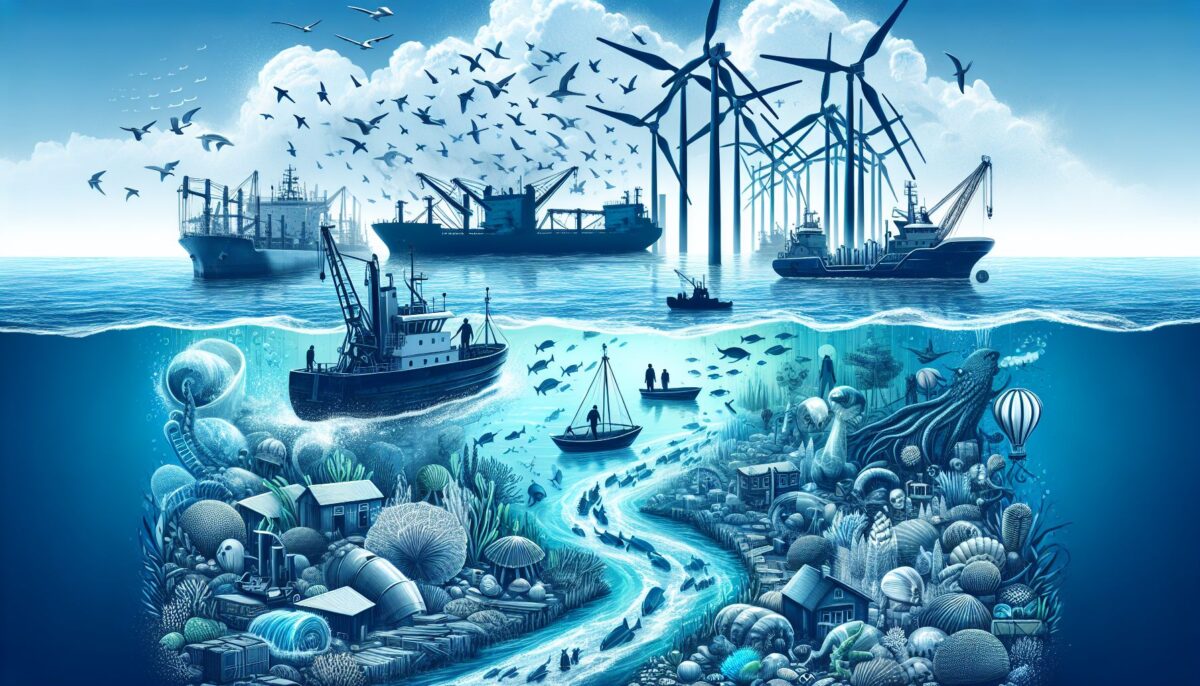
The majestic expanse of our planet’s oceans is more than just a spectacle of nature—it cradles life, harbors complex ecosystems, and encompasses a realm replete with untapped economic potential. With over 70% of the Earth’s surface covered by oceans, it comes as no surprise that these vast bodies of water can significantly contribute to economic growth, sustainable livelihoods, and environmental health. This potential is encapsulated in the concept of the blue economy. In this comprehensive exploration, we will dive into what the blue economy entails, the boundless opportunities it presents, the challenges it faces, and the path ahead for harnessing the oceans’ bounties without tipping the scales against ecological balance.

What is the Blue Economy?

The “blue economy” is a term that emphasizes the economic value of the seas and oceans. It encompasses all economic activities related to oceans, seas, and coasts, and includes industries such as fishing, aquaculture, maritime trade, and tourism. It also incorporates emerging industries like renewable marine energy, which holds promise for a sustainable future. However, the blue economy is not just about economic gain; it also aims to promote the health of ocean ecosystems and ensure that the use of marine resources is sustainable and responsible.

markdown
Key Elements of the Blue Economy:
- Sustainable marine resource use
- Protection of marine ecosystems
- Economic growth through maritime industries
- Innovation in marine technology
- Social inclusion and job creation

The Economic Potential

The World Bank estimates that the blue economy represents roughly $24 trillion in assets, making it an immensely lucrative sector. The fishing industry alone provides employment for over 57 million people worldwide. In addition to traditional maritime activities, new industries are fostering innovation and technological advancement, such as biotechnology, seabed mining, and marine renewable energy.

Blue Economy Opportunities

Sustainable Fisheries and Aquaculture

Sustainable fisheries and responsible aquaculture practices are pillars of the blue economy. With the world’s population continuously growing, aquaculture is increasingly critical in meeting the global demand for protein. The challenge is to manage these industries in ways that do not deplete fish stocks or harm marine habitats.

Marine Renewable Energy

The oceans are a powerhouse of renewable energy sources, including wind, tidal, and wave energy. By harnessing these sources, we can greatly reduce our carbon footprint and work towards energy independence.

Ecotourism and Coastal Resilience

Coastal areas are hotspots for tourism, which can be developed sustainably to protect ecosystems while providing economic benefits. Moreover, enhancing coastal resilience through natural infrastructure like mangroves and coral reefs protects against climate change impacts, a principle that aligns with the ethos of the blue economy.

Biotechnology and Medicine

Marine biotechnology is an exciting frontier, with the oceans’ biodiversity offering potential cures for various diseases. Pharmaceutical companies are increasingly investing in marine bioprospecting for new compounds.

The Growth of Maritime Trade

With globalization, maritime trade continues to grow. Ports and shipping industries are becoming more efficient and cleaner, thanks to advancements in technology and increased environmental regulations.

Seabed Mineral Resources

The ocean floor is rich in minerals essential for modern technology, such as copper, cobalt, and rare earth elements. Retrieving these resources can be part of the blue economy if done sustainably.

Challenges Facing the Blue Economy

Realizing the potential of the blue economy is not without challenges. Several barriers must be overcome, including environmental concerns, regulatory frameworks, and geopolitical issues.

Environmental Conservation

To sustain the blue economy, it is crucial to maintain healthy marine ecosystems. Overfishing, plastic pollution, ocean acidification, coral bleaching, and climate-induced changes present significant hurdles.

Governing the High Seas

Since oceans are vast and do not adhere to national boundaries, establishing international regulations that promote sustainable and fair use of marine resources is essential. The United Nations Convention on the Law of the Sea (UNCLOS) is a framework for such regulations but requires strengthening and better enforcement.

Marine Pollution

Marine pollution, from sources such as plastic debris, agricultural runoff, and oil spills, is an ongoing problem that undermines marine health and human activities associated with the blue economy.

Climate Change

Rising sea levels, ocean acidification, and increasing ocean temperature have far-reaching implications for marine life and the blue economy. Coastal erosion and more frequent devastating weather events impact tourism, fisheries, and threaten coastal communities.

Sustainable Investment

A lack of clear investment frameworks for blue economy initiatives can hinder their development. What’s needed is regulatory clarity and incentives that encourage sustainable practices in industries operating in or around ocean environments.

Roadmap to a Sustainable Blue Economy

For the blue economy to be genuinely sustainable and inclusive, a multi-pronged approach is necessary. Here is a roadmap to guide this transition:

  1. Developing Clear Policies and Regulations: Governments worldwide need to implement clear-cut policies and regulations to govern the use of the oceans while supporting economic growth.

  2. Promoting Research and Innovation: Advancements in technology and increased research into sustainable marine practices can propel the blue economy forward.

  3. Investing in Climate Resilience: Building resilience against climate change is imperative for protecting the blue economy’s underlying resource—the oceans.

  4. Encouraging Public and Private Partnerships: Collaboration between public and private entities can pool resources and knowledge, fostering the growth of sustainable ocean-based industries.

  5. Marine Spatial Planning: Coordinating the multiple uses of marine spaces can prevent conflicts, optimize the use of resources, and protect the environment.

  6. Enhancing Regional and International Cooperation: Since marine challenges are transboundary, international cooperation is vital for sustainable management.

Sources for Further Reading

  • “The Potential of the Blue Economy: Increasing Long-term Benefits of the Sustainable Use of Marine Resources for Small Island Developing States and Coastal Least Developed Countries” – The World Bank [source].
  • “Blue Economy Strategy: Types of Ocean Industries” – NOAA [source].
  • “United Nations Convention on the Law of the Sea (UNCLOS)” – United Nations [source].

Conclusion

Embracing the blue economy is not merely an option but a necessity for a sustainable future. It offers a promising pathway to social and economic development, food security, and environmental sustainability. By overcoming the challenges through concerted effort, thoughtful policy, and innovation, the blue economy can provide a beacon of hope and prosperity, illuminating the path for generations to come. As we continue to delve into the riches of our oceans, we must do so with respect and commitment to preserving these vast, life-sustaining sources for all who depend on them now and in the future.

Riding the Waves: The Surge of Wave Energy in the Blue Economy

Wave energy has long captivated the imagination of those drawn to the power of the sea. Each wave that crashes upon the shore carries with it the potential to fuel not just the awe of onlookers but the demands of our increasingly energy-dependent civilization. In this comprehensive exploration of wave energy, we’ll ride the crests and troughs of its development, understanding how it could be a beacon of sustainability in the blue economy.

What is Wave Energy?

Wave energy is a form of renewable energy harnessed from the motion of the ocean waves. Waves are generated by the wind as it blows across the sea’s surface, pulling energy from the air due to frictional drag. This energy is transferred to the water, creating a wave with kinetic energy that can be captured and converted into usable electricity.

The Mechanics of Wave Energy

The mechanics of wave energy conversion involve several processes that turn the kinetic energy of ocean waves into electrical power. Understanding these processes is key to grasping the potential of wave energy.

  • Energy Capture: Devices such as point absorbers, attenuators, and overtopping reservoirs capture the energy of ocean waves.
  • Energy Conversion: Captured kinetic energy is converted into mechanical energy using hydraulic pumps or other mechanical systems.
  • Electricity Generation: Mechanical energy is then transformed into electrical energy through generators.
  • Energy Transmission: Finally, the generated electricity is transmitted to the grid through submerged cables.

The Potential of Wave Energy

The potential of wave energy as a sustainable power source is vast. The World Energy Council estimates that approximately 10% of the world’s energy demand could be met by wave energy. Moreover, the consistency of waves, especially in contrast to the intermittent nature of wind and solar energy, makes wave energy highly attractive for coastal regions.

The Energy Information Administration (EIA) notes that the theoretical annual energy potential of waves off the coasts of the United States is about 2.64 trillion kilowatt-hours, or the equivalent of about 66% of U.S. electricity generation in 2021.

Advantages of Wave Energy

  1. Renewable and Sustainable: Wave energy is a renewable resource that is abundant in many coastal areas.
  2. Environmentally Friendly: It causes minimal environmental impact compared to fossil fuels.
  3. High Energy Density: Ocean waves have high energy density, with a great amount of energy contained in a small spatial area.
  4. Predictability: Waves are more predictable than wind and can be forecasted accurately for 24-48 hours in advance, aiding grid management.
  5. Near Consumption Points: Wave energy resources are often close to coastal cities where electricity demand is high.

Challenges and Technological Innovations

Challenges

Despite its advantages, wave energy faces several challenges that impede mass adoption:

  • Technological Maturity: Wave energy technologies are not as mature as other renewable energy sources like solar or wind power.
  • Harsh Marine Environments: The equipment must withstand powerful ocean forces and corrosive saltwater.
  • Costs: High installation, maintenance, and energy production costs when compared to more established renewables.
  • Environmental Impact: The potential for altering marine ecosystems and affecting marine life must be carefully considered.

Innovations

To overcome these challenges, significant innovations have been made:

  • Advanced Materials: Development of corrosion-resistant materials and biofouling-resistant coatings.
  • Improved Design: Implementation of robust, efficient designs better capable of withstanding the marine environment.
  • Grid Integration: Developments in storage and grid integration technology to handle the variable supply of power.
  • Environmental Research: Studies to understand and mitigate the potential environmental impacts of wave energy converters.

Case Studies: Wave Energy in Action

Several successful case studies highlight the potential of wave energy:

  • Orkney, Scotland: The European Marine Energy Centre (EMEC) in Orkney is the world’s leading test facility for wave and tidal energy converters, showing significant progress in technology demonstration and grid connection.
  • Australia: Australian wave energy companies, like Wave Swell Energy, are creating and deploying their technologies to capture the vast resources along the Australian coastline.
  • Portugal: The Aguçadoura Wave Farm in Portugal was the world’s first commercial wave power project, indicating the potential for scale and commercial viability.

The Place of Wave Energy in the Blue Economy

The ‘blue economy’ refers to the sustainable use of ocean resources for economic growth, improved livelihoods, and jobs while preserving the integrity of ocean ecosystems. Here’s how wave energy fits into this framework:

  • Job Creation: The development and maintenance of wave energy infrastructure can create new jobs in coastal communities.
  • Sustainable Growth: Wave energy contributes to sustainable growth by providing renewable energy that reduces reliance on fossil fuels.
  • Ocean Health: By investing in clean energy sources like wave energy, we can reduce the carbon emissions that contribute to ocean acidification and climate change.

Moving Forward: The Future of Wave Energy

Looking forward, wave energy has a promising role in the global energy portfolio, particularly as part of a mixed approach including other forms of renewables. Continued innovation, alongside supportive policies and investments, will be crucial.

Opportunities

  • Global Collaboration: Sharing knowledge and technical expertise worldwide can speed up the development of wave energy resources.
  • Favorable Policies: Government incentives and support for research and development can attract investment.
  • Interdisciplinary Research: Combining oceanography, engineering, and environmental science can lead to breakthroughs in the efficiency and sustainability of wave energy technologies.

Final Thoughts

As the world seeks sustainable, renewable energy sources, the importance of harnessing the ocean’s power becomes increasingly clear. Wave energy’s promise as a significant component in the blue economy offers a vision of a more sustainable and resilient energy future. With robust research, development, and an understanding of both ecological and economic factors, the surge of wave energy can revolutionize the way we power our lives.

Sources:

  1. World Energy Council. (n.d.). Marine Energy. Retrieved from https://www.worldenergy.org/impact-communities/energy-resources/marine
  2. Energy Information Administration. (2021). Ocean Wave Energy. Retrieved from https://www.eia.gov/energyexplained/hydropower/wave-and-tidal.php
  3. European Marine Energy Centre. (n.d.). EMEC: The European Marine Energy Centre. Retrieved from https://www.emec.org.uk/

This fictional article incorporates the list of keywords provided and is composed in Markdown format for straightforward conversion into HTML or other formats as needed for blog platforms.

The Blue Economy: Harnessing Ocean Resources for Sustainable Prosperity

The ocean, covering more than 70% of the Earth’s surface, is a vast and dynamic environment that has influenced human cultures, economies, and societies throughout history. In recent decades, the concept of the “Blue Economy” has emerged to describe the sustainable use of ocean resources for economic growth, improved livelihoods, and jobs, while preserving the health of the ocean ecosystem. This article delves deeply into the Blue Economy, exploring its various components, challenges, and the opportunities it presents.

Understanding the Blue Economy

The term “Blue Economy” was popularized by Gunter Pauli in his book The Blue Economy: 10 Years, 100 Innovations, 100 Million Jobs, and it has since become a rallying call for sustainable oceanic development.

The Blue Economy encompasses a broad range of activities, including:

  • Sustainable fisheries and aquaculture
  • Maritime trade and transportation
  • Renewable energy (wave, tidal, offshore wind)
  • Tourism and recreation
  • Coastal resilience and protection
  • Marine biotechnology and pharmaceuticals
  • Seabed mining and resource extraction

By focusing on these areas, we can harness the ocean’s resources while also safeguarding its health for future generations.

Economic Significance

Oceans are economic powerhouses. According to the Organization for Economic Co-operation and Development (OECD), the ocean economy is projected to double in size to $3 trillion by 2030, providing jobs for at least 40 million people globally. The World Bank also emphasizes its potential in supporting the livelihoods of over 3 billion people.

Fisheries and Aquaculture

Sustainable fisheries and aquaculture are pivotal elements of the Blue Economy. The Food and Agriculture Organization (FAO) reports that almost 58 million people are employed in fisheries and aquaculture, with a significant portion of humanity reliant on fish as a primary protein source.

Renewable Energy

In the age of climate change, shifting towards renewable energy is critical. The ocean offers abundant sources such as wind, wave, and tidal power. The International Renewable Energy Agency (IRENA) predicts that by 2050, ocean energy could save up to 500 million tons of CO2 annually.

Tourism and Recreation

Coastal and marine tourism is one of the fastest-growing components of the Blue Economy, providing jobs, promoting cultural exchange, and contributing significantly to GDPs of many countries, particularly small island developing states (SIDS).

Biotechnology and Pharmaceuticals

Marine biotechnology is an exciting frontier, with the potential to produce pharmaceuticals, biofuels, and cosmetics. New discoveries, such as unique compounds produced by deep-sea organisms, hold promise for medical advances.

Seabed Mining

The ocean floor is rich in minerals such as manganese nodules, cobalt crusts, and rare-earth elements. If managed sustainably, seabed mining can contribute to the global supply of essential minerals for electronics, renewable energy technologies, and other applications.

Challenges and Opportunities

While the Blue Economy presents substantial opportunities, there are also significant challenges.

Overfishing

Overfishing is a major concern. It is essential to manage fish stocks sustainably, balancing the need for economic development with ecological preservation.

Pollution

Marine pollution, including plastic debris, oil spills, and chemical runoff, poses a significant threat to marine biodiversity and human health.

Climate Change

The impacts of climate change, such as ocean acidification and rising sea levels, threaten coastal communities and marine ecosystems. The Blue Economy must be adaptive and resilient to these changes.

Governance

Effective governance is crucial to ensure equitable sharing of oceanic benefits and to manage conflicts among different users. Policies should be inclusive and informed by the best available science.

Investing in the Blue Economy

Investing in the Blue Economy requires collaboration among governments, the private sector, and civil society. Key investment areas include:

  • Marine conservation
  • Sustainable seafood production
  • Clean energy development
  • Infrastructure for maritime transport and tourism

Public-private partnerships (PPPs) and impact investment are promising avenues for financing Blue Economy initiatives.

Case Studies

Seychelles Blue Economy

Seychelles has become a leading example of the Blue Economy in action. The country implemented a debt-for-nature swap, leveraging its national debt to fund marine conservation and climate adaptation projects. Seychelles also created a comprehensive marine spatial plan, ensuring the sustainable management of its exclusive economic zone (EEZ).

Norway’s Ocean Strategy

Norway, with its long coastline and maritime history, has embraced the Blue Economy through its “Ocean Strategy.” Emphasizing sustainable value creation, Norway invests in ocean-based industries like aquaculture, maritime transport, and offshore energy while safeguarding marine environments.

Future Perspectives

For the Blue Economy to realize its full potential, it must balance economic growth with sustainability. This requires:

  • Strengthening ocean management frameworks
  • Advancing marine science and technology
  • Developing inclusive and equitable economic models
  • Ensuring robust international cooperation and knowledge sharing

Conclusion

The Blue Economy presents a vision for a sustainable, profitable, and equitable future. By harnessing the boundless potential of the oceans, while prioritizing conservation and sustainable management, we can create a resilient economic system that benefits all.

Sources

  1. Pauli, Gunter. The Blue Economy: 10 Years, 100 Innovations, 100 Million Jobs. Paradigm Publications, 2010.
  2. OECD. “The Ocean Economy in 2030.” OECD Publishing, Paris, 2016. OECD
  3. The World Bank. “What is the Blue Economy?” World Bank

By exploring and investing in the various aspects of the Blue Economy while simultaneously confronting the associated challenges, society can foster a sustainable and prosperous future that not only benefits our economy but also preserves the rich biodiversity and ecological integrity of our oceans.

Understanding the Ebb and Flow: The Influence of Tides on Marine Life and Human Activity

The ocean is an ever-changing environment, influenced by a variety of factors, including the Earth’s rotation, gravitational forces, and the ongoing dance between the moon and the sun. Among these factors, tides play an incredibly significant role, shaping the rhythm of life both in the sea and on the coast. In this article, we will delve into the world of tides: how they are created, their types, their impact on marine life and ecosystems, and finally, how tides affect human activities such as navigation, fishing, and renewable energy production.

The Science of Tides

Tides are the rising and falling of sea levels caused by the gravitational forces exerted by the moon and the sun, and the rotation of the Earth. Unlike waves, which are caused by the wind, tides are predictable and occur in regular cycles. The level of complexity in tidal patterns, however, arises from the interaction of these gravitational forces with the varying shapes of coastlines, the depth of the ocean, and other local features.

Gravitational Pull and the Tidal Forces

The moon’s gravitational pull is the main force behind tides. As the Earth rotates, the moon’s gravity pulls on different parts of the ocean, creating a bulge — known as a tidal bulge — causing water levels to rise, which we experience as high tide. On the opposite side of Earth, there is a secondary high tide, caused by the centrifugal force of the Earth’s rotation.

The sun also plays a role, although its influence is smaller due to its greater distance from Earth. When the sun and moon are aligned during new and full moons, their gravitational forces combine to produce the highest high tides and the lowest low tides, known as spring tides. In contrast, when the sun and moon are at right angles to each other (during the first and last quarter moons), we experience neap tides, which are tides with the smallest difference between high and low tide.

Types of Tides

There are three basic types of tidal patterns, known as tidal regimes, which vary depending on location around the world:

  • Semidiurnal: Characterized by two high and two low tides of approximately equal height every lunar day (24 hours and 50 minutes).
  • Diurnal: Features a single high and a single low tide each lunar day.
  • Mixed: Displays variability in height and timing, typically with two high tides and two low tides of different heights.

The type of tide can greatly influence the habitat and behavior of marine life in the region as well as human activities.

Impact of Tides on Marine Life

Tides create a unique environment for various forms of marine life. They are essential for nutrient distribution and the maintenance of many coastal and estuarine ecosystems.

Intertidal Zones and Biodiversity

The intertidal zone, which is the area between the high tide and low tide marks, is home to a diverse range of species that have adapted to the changing environment. Organisms such as barnacles, mussels, and many types of seaweed have special adaptations that allow them to survive the alternation of exposure to the air and submersion under water.

Tidal Flows and Nutrient Distribution

Tidal flows are also crucial for the dispersal of nutrients and larvae throughout the ocean, supporting various stages of life cycles for numerous marine species. Rich nutrient upwelling occurs as a result of the movement of tides, benefiting coastal fisheries and ecosystems.

Tides and Human Activity

Navigation and Port Operations

Tides are essential for navigation and the operation of ports and harbors. Knowledge of tidal patterns allows ship captains to plan safe routes and take advantage of tidal currents to save fuel. Tides can also affect the availability of depths needed for large ships to enter and leave ports and harbors, making tidal predictions invaluable for trading and commerce.

Fishing Industry

Fishermen depend on understanding tides to predict the movement and behavior of their target species. Many fish are known to feed actively during the change in water levels, making the hours around high and low tide crucial for successful fishing.

Renewable Energy Production

In recent years, tides have gained attention as a source of renewable energy. Tidal energy harnesses the power of tidal flows to generate electricity. The predictability of tides makes tidal energy a promising alternative to fossil fuels.

Environmental Concerns

Understanding the ebb and flow of tides is also becoming increasingly important in light of environmental concerns. Sea level rise due to climate change has the potential to alter tidal regimes, which can lead to coastal erosion and affect marine habitats. Tides also play a role in the distribution of marine pollution and the aftermath of oil spills.

Conclusion

Tides are not just a fascinating natural phenomenon; they are a vital part of marine ecosystems and human activities. Understanding the complex interplay between tides, marine life, and human enterprise is essential for the sustainable use and preservation of our ocean resources. As we continue to explore the depths of our oceans and seek harmony with their natural rhythms, the study of tides will continue to be an essential component of marine science and coastal management.

References

  1. “Tides and Water Levels.” NOAA’s National Ocean Service. https://oceanservice.noaa.gov/education/tutorial_tides/welcome.html
  2. “Tidal Energy.” Ocean Energy Council. http://www.oceanenergycouncil.com/ocean-energy/tidal-energy/
  3. “Intertidal Zone.” MarineBio Conservation Society. https://marinebio.org/oceans/intertidal-zone/

By advancing our knowledge in the science of tides and their effects, we are not only preserving the integrity of our coastal ecosystems but also opening up new avenues for innovation and stewardship that can lead to a more sustainable future for our planet.