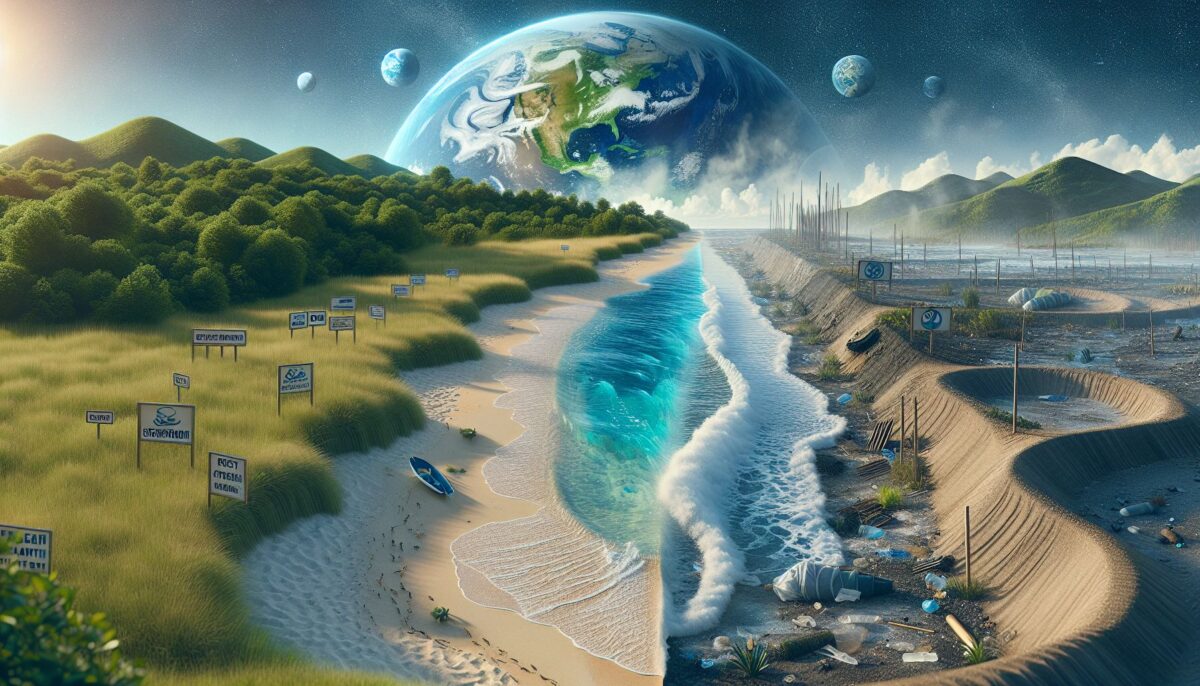
Coastal areas are among the most dynamic and important regions on our planet, teeming with life and driving local and global economies. However, these areas face numerous threats ranging from natural processes like erosion and sea-level rise to human activities including overfishing, coastal development, and pollution. As about 40% of the world’s population lives within 100 kilometers of the coast, the imperative for effective coastal management cannot be overstated. In this comprehensive article, we’ll explore the challenges and strategies involved in safeguarding our coastlines, with a focus on sustainable practices and unity between natural preservation and human use.
What is Coastal Management?
Coastal management refers to the range of strategies and actions taken to protect and sustain coastal environments and communities. Effective management must consider ecological, economic, social, and cultural factors, ensuring that coastal regions remain resilient against environmental challenges and a valuable resource for future generations. These strategies often involve elements like coastal erosion control, habitat protection, pollution management, and sustainable development practices.
The Critical Challenges of Coastal Management
Sea Level Rise and Coastal Erosion
As the effects of climate change become ever more pronounced, sea level rise has emerged as one of the gravest concerns for coastal areas. The rising waters don’t just threaten to submerge low-lying regions but also exacerbate coastal erosion – the gradual removal of land as sea waves and currents cut into beaches and cliffs.
Storm Surges and Extreme Weather Events
Storm surges from hurricanes and tropical storms can cause temporary, but significant, increases in sea level, which can devastate coastal infrastructure and communities. These events are also becoming more frequent and intense due to climate change, adding an urgent dimension to the need for resilient coastal management.
Human Impacts: Development and Pollution
Coastal development may boost local economies but often comes at a steep environmental cost. Habitats can be destroyed, pollution can increase, and the natural defense mechanisms of coastlines can be weakened. Human-derived pollution, like oil spills and marine debris, adds to the burden on coastal ecosystems.
Strategies for Effective Coastal Management
Integrated Coastal Zone Management
Integrated Coastal Zone Management (ICZM) is a holistic approach that takes into account the various dimensions of coastal areas, including social, economic, and environmental aspects. ICZM encourages collaboration between governments, communities, and industries to create and implement comprehensive management plans.
Erosion Control Measures
To combat coastal erosion, a variety of methods are employed, including seawalls, groins, and breakwaters for physical defense, as well as beach nourishment projects where sand is added to eroding shores to rebuild beaches.
Marine Protected Areas and Habitat Restoration
Establishing Marine Protected Areas (MPAs) is a key conservation strategy, creating safe havens for marine biodiversity. Efforts to restore habitats, like mangrove replanting and coral reef rehabilitation, also form a crucial part of sustainable coastal management.
Pollution Reduction Initiatives
Tackling both point source pollution (from a single, identifiable source) and non-point source pollution (diffused sources, such as agricultural runoff) is essential to protect coastal waters. This includes stringent regulation of industrial discharge, better waste management, and community education programs.
Sustainable Development Planning
For coastal management to be sustainable, development must be planned with an eye on conserving natural resources and minimizing environmental impacts. This entails enforcing building codes, maintaining natural buffer zones, and promoting eco-friendly tourism.
Climate Change Adaptation
Communities and management bodies must adapt to the reality of climate change, incorporating sea-level rise forecasts and potential changes in weather patterns into their planning and resilience efforts.
Case Studies in Successful Coastal Management
The Dutch Approach to Coastal Defense
The Netherlands is well known for its advanced coastal defense systems, including the famous Delta Works project. Combining engineering, nature, and innovation, this approach has been immensely successful in protecting a country that sits largely below sea level.
Australia’s Great Barrier Reef Management Plan
Australia has taken significant steps to protect the iconic Great Barrier Reef through a comprehensive management plan that includes limiting pollution, boosting resilience to climate change, and conserving biodiversity. This plan is considered a benchmark of successful marine area management.
The Role of Science and Education
Oceanography and Marine Science
Accurate scientific data is the bedrock of effective coastal management. Disciplines like oceanography and marine geology provide insights into the workings of coastal systems, informing better decision-making and policy development.
Community Engagement and Education
Local communities play a vital role in successful coastal management. Education programs that raise awareness about the importance of coastal ecosystems and the impact of human activities can foster a culture of stewardship and sustainable use.
Building a Sustainable Future
As we move forward, the need to balance economic development with environmental protection becomes increasingly clear. It’s critical that coastal management isn’t seen as a barrier to progress but rather a means to ensure the sustained prosperity of both human and natural coastal environments.
Sources
- Nicholls, R. J., & Cazenave, A. (2010). Sea-Level Rise and Its Impact on Coastal Zones. Science, 328(5985), 1517-1520. doi: 10.1126/science.1185782
- The World Bank. (2021). Integrated Coastal Zone Management. Retrieved from https://www.worldbank.org/en/topic/environmentalpolicies/brief/integrated-coastal-zone-management
- Great Barrier Reef Marine Park Authority. (2019). Great Barrier Reef Outlook Report 2019. Retrieved from https://www.gbrmpa.gov.au/the-reef/reef-management/great-barrier-reef-outlook-report
Coastal management is a complex and multifaceted undertaking that involves a rich tapestry of techniques, strategies, and policies. By applying an integrated approach that respects and utilizes natural processes, and by prioritizing the preservation of the fragile beauty and essential functions of our coasts, we can work towards ensuring that these vital areas endure and thrive for generations to come.
