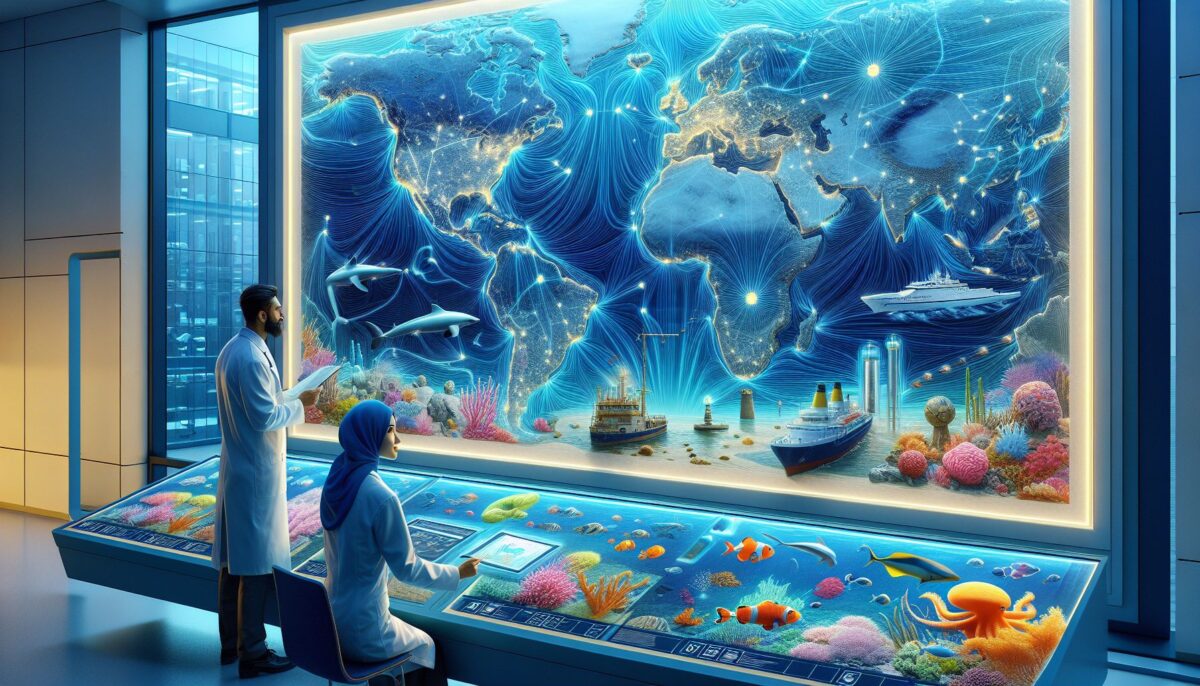
The ocean is a vast, dynamic body that covers more than 70% of Earth’s surface. It is a critical component of our planet’s life support system, influencing weather patterns, climate, and supporting a rich diversity of life. The movements of ocean water, known as currents, are an integral part of these complex systems. Understanding ocean currents is crucial for navigating the waters of marine science and appreciating their role in environmental health, climate regulation, and the global economy.
What are Ocean Currents?
Ocean currents are continuous, directed movements of seawater generated by a variety of forces acting upon the water, including wind, the Coriolis effect, temperature, salinity differences, and tides. Currents can flow for thousands of kilometers and reach great depths, influencing the climate and marine life.They are the vast rivers within the sea, some warm and some cold, creating a global conveyor belt that circulates water throughout the world’s oceans.
The Forces Behind Currents
The primary force that drives surface ocean currents is the wind. Winds such as the trade winds and westerlies exert friction on the ocean’s surface, pushing water in consistent directions. However, the Earth’s rotation also affects these currents through the Coriolis effect, causing them to veer to the right in the Northern Hemisphere and to the left in the Southern Hemisphere.
Temperature and salinity also play a role by affecting water density. When water is denser due to cold temperatures or high salinity, it tends to sink, creating deep currents. Conversely, less dense water rises, leading to surface currents. This process is known as thermohaline circulation and involves both surface and deep-water currents.
Types of Currents
Ocean currents come in two primary types: surface currents and deep-water currents. Surface currents comprise about 10% of all the water in the ocean, and these are predominantly driven by the wind. Deep-water currents, also known as the global conveyor belt, move around the ocean basins driven by density differences.
Major World Currents
The Gulf Stream, located along the eastern coast of the United States, is one of the best-known ocean currents. This warm water current influences the climate of the eastern coast, making it milder than corresponding latitudes on the continent’s interior. Another significant current, the Antarctic Circumpolar Current, flows from west to east around Antarctica and influences global climate patterns by distributing cold water and interacting with other currents.
Significance of Ocean Currents
Ocean currents are vital for several aspects of the marine environment and human activities.
Climate Regulation
Currents play a significant role in regulating the world’s climate by distributing heat around the globe. Warm water carried from the equatorial regions towards the poles helps to moderate temperatures in those regions, while cold currents contribute to cooler coastal climates.
Marine Life Sustenance
Currents also transport nutrients from the deep ocean to surface waters, which supports the growth of phytoplankton, the foundation of the marine food web. This process, known as upwelling, is particularly pronounced along the western coasts of continents and sustains rich fishing grounds.
Navigation and Shipping
Throughout history, understanding and using ocean currents has been essential for navigation and trade. Ships can take advantage of currents to save fuel and time, making marine trade more efficient. Navigators and meteorologists study currents extensively to plot optimal shipping routes and forecast conditions at sea.
The Blue Economy
Ocean currents impact fisheries, renewable energy, and other aspects of the blue economy. The distribution of fish stocks, the potential for offshore wind farms, and the viability of tidal and wave energy all depend on the behavior of ocean currents.
Investigating the Depths: Ocean Current Research
Research into ocean currents is a vibrant field within oceanography. Scientists use satellites, floats, and deep-sea drones to map and measure currents. Advanced computer models simulate currents and predict changes due to global warming and other factors.
Sources:
- NOAA – Ocean Currents
- NASA – Ocean Motion and Surface Currents
- National Geographic – Ocean Currents and Climate
Challenges and Threats
While ocean currents are crucial for maintaining equilibrium in the Earth’s systems, they also face threats from human activities and climate change.
Climate Change
The patterns of ocean currents may alter as a result of global warming, which can destabilize the climate systems they help to regulate. Changes in the salinity and temperature of the ocean waters may disrupt the thermohaline circulation, with potentially severe climate consequences.
Marine Pollution
Marine pollution, including oil spills and plastic debris, is transported by ocean currents, spreading the environmental impact across vast distances. Its effects harm marine ecosystems and the species that depend on them, and can also infringe upon human health and economies.
Ocean Acidification
Increased levels of CO2 absorbed by the oceans lead to ocean acidification, which can weaken marine life, particularly organisms with calcium carbonate shells or skeletons, such as corals. Currents can spread the more acidic waters, affecting larger areas and more species.
Overfishing
Currents shape the distribution and abundance of fish stocks, and overfishing in critical areas can lead to the collapse of local fisheries. This, in turn, impacts the marine food chain and economies dependent on these resources.
Conclusion
Ocean currents are a driving force behind the complex web of life in our oceans. They shape climates, nourish ecosystems, and sustain human economies. As our climate changes, understanding and preserving the integrity of these currents become even more imperative. Continuous research and mindful stewardship of the oceans are essential to ensure the stability of these powerful currents for future generations.
Without a doubt, the ebb and flow of ocean currents hold answers to some of the most pressing environmental challenges. It’s up to marine scientists, policymakers, and the global community to work together in harnessing this knowledge as we chart a sustainable course for our shared blue planet.
