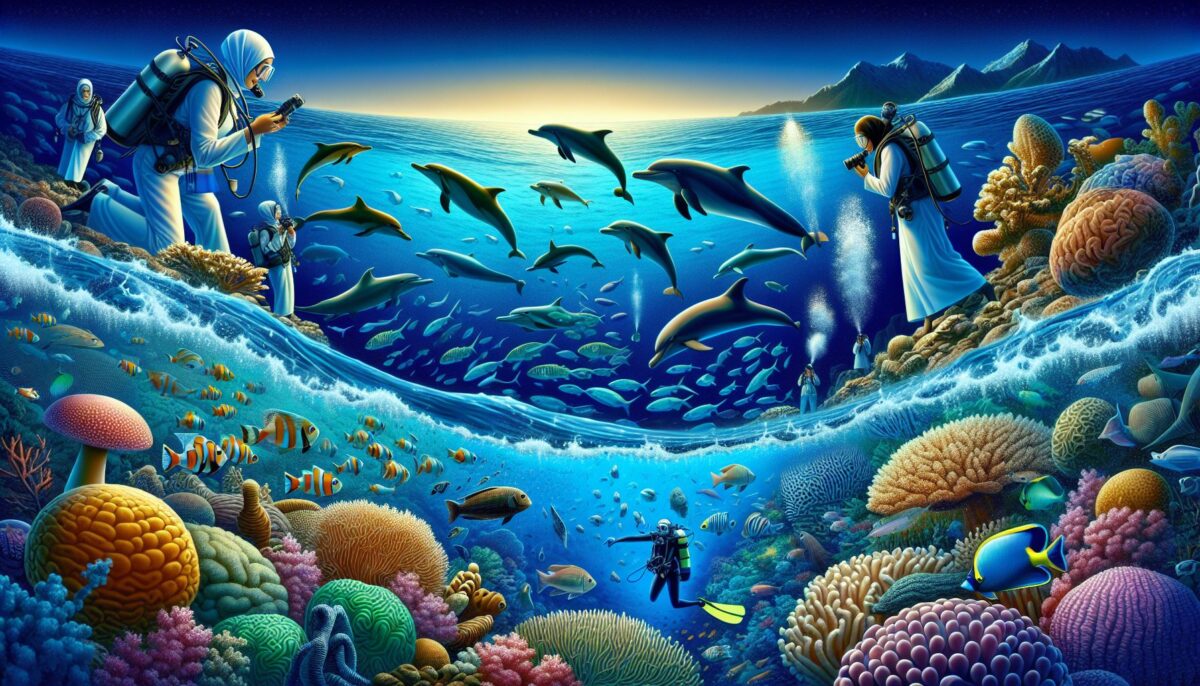
The vastness of the ocean is paralleled only by the extensive variety of life it supports. Covering over 70% of the Earth’s surface, the ocean is home to countless species, many of which are yet to be discovered. From the surface to the deep sea floor, each layer teems with life, making marine biodiversity a subject of perpetual fascination and vital importance. In this article, we delve deep into the richness of marine biodiversity, exploring the myriad forms of life that call the ocean their home, the crucial roles they play in maintaining ecological balance, and the urgent need to protect them.
The Spectrum of Marine Life
Marine biodiversity encompasses all living organisms in the ocean, ranging from the microscopic plankton to the gigantic blue whale. Life thrives even in the most extreme ocean environments – hydrothermal vents expel superheated water teeming with unique life forms, while the cold and murky depths are home to bioluminescent creatures and species adept at surviving in high-pressure environments. The complexity of marine ecosystems is staggering, with some estimates suggesting that there could be as many as one million species living in the oceans.
The Role of Marine Organisms
Each organism in the ocean ecosystem has a role to play. Plankton, for example, are microscopic organisms that drift along the ocean currents and form the foundation of the marine food web. They absorb carbon dioxide and generate a significant portion of the oxygen we breathe, playing a key role in regulating the Earth’s climate.
Coral reefs, often called the “rainforests of the sea,” are biodiversity hotspots that provide shelter and resources for at least a quarter of all marine species. These complex structures, built by coral polyps over centuries, not merely embellish marine landscapes but also offer critical ecosystem services such as coastal protection and support for fisheries.
Fish play a pivotal role in transferring energy up the food chain, from consuming plankton to becoming prey for larger predators. Their existence ensures the stability of marine ecosystems and allows for the provision of food for billions of people worldwide.
The Unknown and the Unseen
A considerable proportion of marine biodiversity is still unknown, with the vast stretches of the deep sea remaining largely unexplored. Only about 20% of the ocean floor has been mapped with some degree of accuracy, leaving much to be discovered about the organisms that inhabit these obscure environments.
Threats to Marine Biodiversity
Human activities threaten marine ecosystems at an unprecedented scale. Overfishing has decimated fish populations, while habitat destruction, pollution, climate change, and ocean acidification are drastically altering marine ecosystems. Coral bleaching events, a direct result of rising ocean temperatures, are becoming more frequent, threatening the existence of these crucial habitats.
Conservation Measures
Efforts to safeguard marine biodiversity include establishing marine protected areas (MPAs), where human activities are regulated to prevent overfishing and preserve ecosystems. International agreements such as the United Nations Convention on the Law of the Sea provide a framework for the conservation and sustainable use of the oceans. Additionally, various organizations and research institutes are studying marine life to better understand how to protect it.
Sources for Further Discovery
- The United Nations Convention on the Law of the Sea (UNCLOS) https://www.un.org/depts/los/index.htm
- Census of Marine Life, a landmark study cataloging diversity in the ocean http://www.coml.org
- The Ocean Biodiversity Information System (OBIS), an accessible inventory of diverse marine life https://obis.org
Conclusion
Marine biodiversity is not only a treasure house of life but an intricate machinery vital for the health of the planet. From providing food and oxygen to influencing our climate and weather, marine life impacts our daily lives more than we can often comprehend. As we continue to unveil the mysteries of the deep, it’s crucial to take a proactive stance on conservation to ensure these diverse forms of life, and the systems they support, endure for generations to come.
The ocean is a world of wonder and complexity, a cradle of biodiversity that demands our respect and stewardship. By understanding the vital connections between the ocean and our own survival, we begin to appreciate the profound responsibility we have as stewards of the planet. Protecting marine biodiversity isn’t just about preservation – it’s about ensuring the sustainable future of our blue planet.
