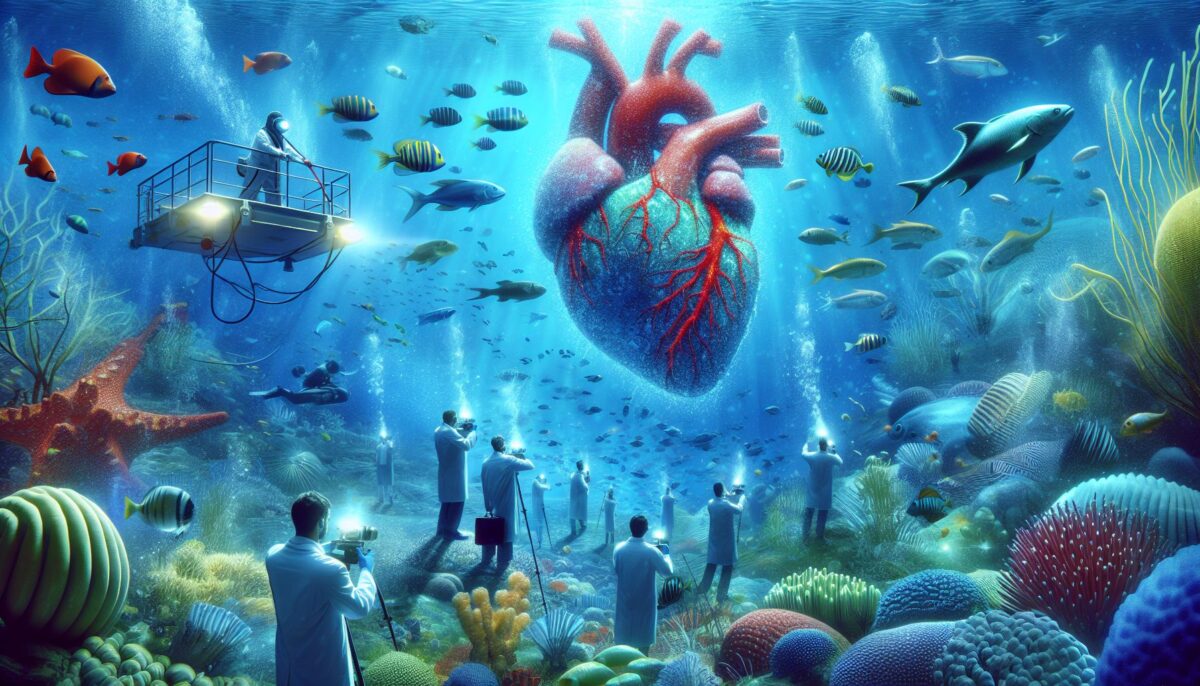
The ocean is Earth’s final frontier, an enigmatic world that is at once beautiful, terrifying, and awe-inspiring. Covering more than 70% of the planet’s surface, it is a vast, intricate ecosystem that hosts an incredible array of life, from the smallest plankton to the largest whales. The lifeblood of this expanse is its marine biodiversity – the variety and variability of life forms within marine ecosystems. This intricate web of life not only supports a myriad of species but also underpins the health of the entire planet.
In this article, we delve deep into the world of marine biodiversity, exploring its importance, the threats it faces, and what we can do to protect this invaluable asset for future generations.
What Is Marine Biodiversity?
Marine biodiversity refers to the variety of species, their genetic makeup, and the complex ecosystems they form in the ocean. This biodiversity is not just about the number of species but also includes the diversity within species, between species, and of ecosystems.
The Layers of Marine Ecosystems
The diversity of life in our oceans is distributed across various habitats. From the sunlit surface waters where coral reefs thrive to the mysterious abyssal depths of the seafloor, each layer plays a crucial role:
- Pelagic Zone: This is the open ocean, home to whales, dolphins, sharks, and tiny, drifting organisms known as plankton.
- Benthic Zone: The ocean floor, or seafloor, which includes everything from sandy bottoms to rocky coasts to the deepest ocean trenches.
- Coral Reefs, Kelp Forests, and Mangroves: Rich, productive ecosystems that are home to thousands of species, acting as nurseries for many marine animals.
- Estuaries and Coastal Wetlands: Where freshwater meets saltwater, creating richly biodiverse and productive ecosystems.
The Importance of Marine Biodiversity
- Ecosystem Services: Marine ecosystems provide essential services, including oxygen production, carbon sequestration, and the regulation of global climate.
- Food Security: Billions of people worldwide rely on the ocean for their primary source of protein.
- Economic Value: Marine biodiversity is crucial for industries such as fisheries, aquaculture, and tourism.
- Medical Discoveries: Many aquatic organisms have unique chemicals that have led to the development of new medicines.
- Cultural Significance: For many cultures, marine life plays a central role in their heritage and spirituality.
The Threats to Marine Biodiversity
- Overfishing: Excessive and unsustainable fishing practices threaten fish populations and marine food webs.
- Habitat Destruction: Coastal development, destructive fishing practices, and pollution lead to the loss of crucial habitats.
- Climate Change: Rising sea temperatures and ocean acidification disrupt ecosystems, causing events like mass coral bleaching.
- Pollution: Oil spills, marine debris, and plastic waste take a toll on marine life and habitats.
- Invasive Species: Non-native species can outcompete, prey on, or bring diseases to indigenous species.
- Unsustainable Aquaculture: Some farming practices can lead to pollution and the spread of diseases to wild populations.
Marine Conservation: A Collective Responsibility
To counter these looming threats, the global community has begun to take steps to protect and conserve our ocean’s biodiversity.
- Marine Protected Areas (MPAs): These are zones where human activity is restricted to protect the natural environment. The establishment of MPAs helps safeguard critical habitats and allows ecosystems to recover.
- Sustainable Fisheries: By adopting responsible fishing practices and management plans, we can ensure the long-term health of fish stocks and their habitats.
- Marine Pollution Control: Efforts to reduce pollutant runoff, ban single-use plastics, and improve waste management are crucial to protecting marine life.
- Climate Action: Reducing greenhouse gas emissions and enhancing marine resilience through conservation and restoration projects are vital responses to climate change.
Scientists and conservationists also play a vital role in marine biodiversity protection. Marine biologists and ecologists study the complexities of marine ecosystems, providing crucial data to guide conservation efforts. Organizations like the Marine Conservation Society (Marine Conservation Society), Worldwide Fund for Nature (WWF), and Oceana (Oceana) work tirelessly to promote marine health and sustainable practices.
Solutions in the Hands of Individuals
- Reducing Pollution: Every individual can contribute to ocean health by minimizing their waste and avoiding products that contribute to ocean pollution.
- Supporting Sustainable Seafood: Through informed choices and supporting sustainably sourced seafood, consumers can push the industry towards more responsible practices.
- Carbon Footprint Reduction: Simple life changes, like using public transportation and consuming less energy, can contribute to the fight against climate change.
- Educational Outreach: Spreading awareness and education about marine biodiversity and its importance helps build a society that values and protects our oceans.
The Future of Ocean Life
Looking ahead, we face a pivotal moment in the stewardship of our oceans. As technology advances, we have more tools than ever to monitor, understand, and protect the ocean. Emerging fields such as marine biotechnology, oceanography, and marine geology hold promise for sustainable ocean uses that benefit both humanity and marine life.
Innovations like marine spatial planning, which optimizes the use of marine resources while minimizing impacts on ecosystems and biodiversity, can harmonize the many interests at play in coastal and marine environments. Further, the blue economy – sustainable use of ocean resources for economic growth, improved livelihoods, and jobs – is gaining traction as a way to promote economic inclusivity while ensuring the health of our oceans.
Conclusion
Marine biodiversity is not just another environmental concern – it is a critical component of Earth’s life-support system. It sustains the vast marine food webs, contributes to our economies, and upholds cultural and recreational activities that enrich our lives. We have made significant strides in understanding and protecting this biodiversity, but there is much still to do.
Championing ocean health requires a collective effort, from individual consumers to policymakers to international coalitions. By weaving together science-based conservation, sustainable practices, and an unwavering commitment to our environment, we can ensure future generations inherit an ocean teeming with life, just as it should be. Only by recognizing and cherishing our oceans’ biodiversity can we hope to preserve the myriad of services they provide us. The heartbeat of our planet, the diversity within our seas, is a treasure that we must protect at all costs.
