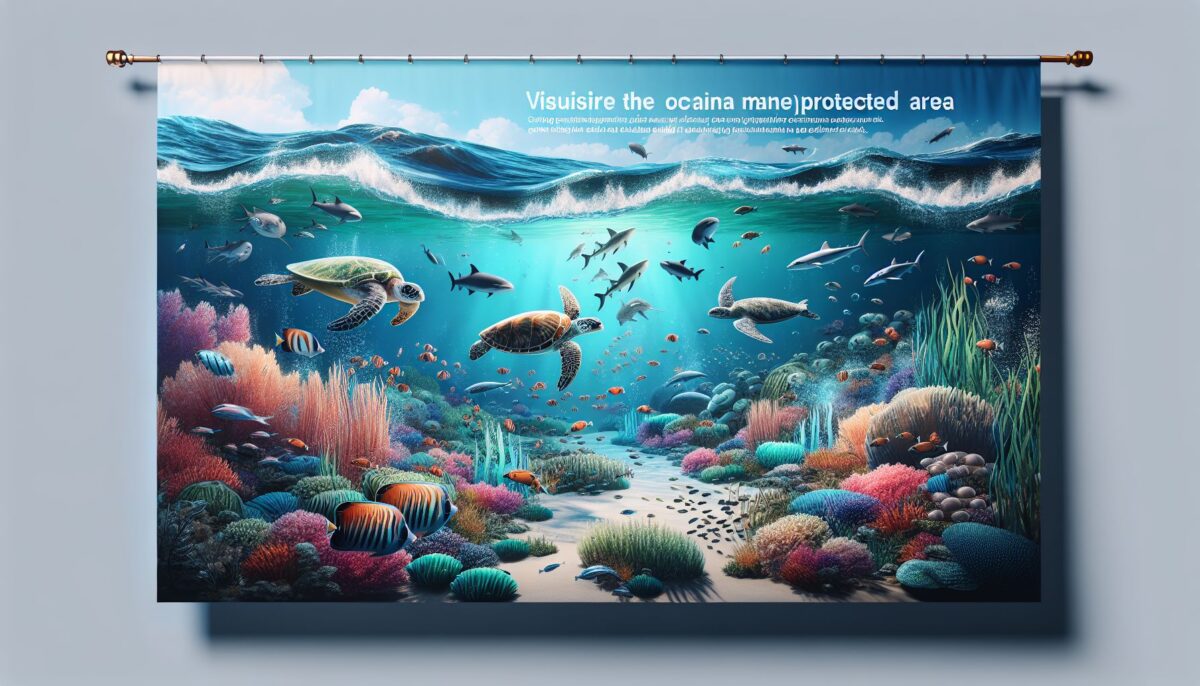
The vast expanse of the ocean, with its ebbs and flows, is a reminder of the dynamic and intricate system that supports a plethora of life forms and drives global weather patterns. One key aspect that has garnered increasing attention over the decades is the conservation of this diverse marine environment through the establishment and management of Marine Protected Areas (MPAs). This article dives deep into the concept of MPAs, exploring their significance, challenges, and contributions to the health of marine ecosystems and the global blue economy.
Understanding Marine Protected Areas (MPAs)
Marine Protected Areas are geographically defined regions in the ocean and along coastlines designated to protect and conserve the marine environment and its cultural resources. These areas vary widely in purpose, legal status, and the level of protection they offer. From fully protected marine reserves to multiple-use areas that allow certain activities, MPAs are an essential tool in the conservationist’s toolkit.
The Need for Marine Protection: A Snapshot
The ocean covers over 70% of the Earth’s surface and is home to an astonishing range of marine biodiversity. However, human activities, such as overfishing, coastal development, and pollution, pose severe threats to marine habitats and species. MPAs seek to address these issues by preserving critical ecosystems, replenishing fish stocks, and safeguarding the marine heritage.
Types of Marine Protected Areas
- Marine Reserves: No-take zones where all extractive activities like fishing or mining are prohibited.
- Multiple-Use MPAs: Areas allowing various levels of protection, permitting some activities while restricting others.
- Special Purpose Zones: Designed to protect certain species or cultural resources.
Strategies for Effective MPAs
Effective MPA management typically follows a systematic approach that includes:
– Scientific research for identifying critical areas.
– Stakeholder engagement to ensure local community support.
– Strong legal frameworks to enforce protection measures.
– Ongoing monitoring and evaluation to assess the health of the MPA.
The Benefits of Marine Protected Areas
MPAs provide numerous ecological and socioeconomic benefits. Scientifically designed MPAs can enhance marine biodiversity, boost fish stocks, and provide essential ecosystem services.
Ecological Gains:
- Biodiversity Conservation: MPAs can help safeguard habitats and species.
- Spillover Effect: Marine reserves often lead to an increase in fish population density and biomass that can spill over into non-protected areas, supplementing fisheries.
- Habitat Restoration: Protecting critical areas can lead to the recovery of damaged ecosystems.
Socioeconomic Advantages:
- Fisheries Management: MPAs contribute to the sustainable management of fisheries by protecting breeding and nursery grounds.
- Tourism Development: Well-managed MPAs can be hotspots for eco-tourism, offering activities such as diving and snorkeling, thereby contributing to local economies.
- Cultural Preservation: MPAs protect areas of cultural and historical importance, maintaining the heritage value for future generations.
Challenges in Implementing MPAs
While MPAs have proven effective in certain contexts, their global implementation faces several challenges, including:
- Funding and Resources: Many MPAs struggle with insufficient funding and lack of human resources, which hampers effective management.
- Enforcement: Ensuring compliance with MPA regulations can be difficult, especially in vast and remote areas.
- Local Livelihoods: Balancing conservation with the livelihood needs of local communities can be complex, as restrictions may affect their income sources.
- Climate Change: Rising temperatures and ocean acidification present new threats to marine biodiversity, complicating the effectiveness of MPAs.
MPAs and the Global Blue Economy
The concept of the blue economy emphasizes sustainable use of ocean resources for economic growth, improved livelihoods, and jobs while preserving the health of ocean ecosystems. MPAs play a critical role in this vision by fostering sustainable practices and providing opportunities for eco-friendly economic activities.
MPAs as Economic Drivers
Well-managed MPAs can stimulate local economies through sustainable tourism, fisheries, and research activities. They can create jobs, improve food security, and promote responsible consumption of marine resources.
MPAs and Climate Resilience
Marine Protected Areas help in climate change mitigation and adaptation. By protecting coastal habitats like mangroves and coral reefs, MPAs serve as natural barriers against extreme weather events and help sequester carbon dioxide.
Partnerships and Collaboration
The success of MPAs often relies on partnerships between governments, non-governmental organizations, researchers, and the local communities. Creating networks of MPAs can foster regional and global cooperation, essential for addressing transboundary conservation issues.
The Future of Marine Conservation
As the call for marine conservation grows louder against the backdrop of declining ocean health, the expansion and effective management of MPAs are crucial. Efforts are underway internationally to protect at least 30% of the ocean by 2030, a target known as “30 by 30”, demonstrating the urgency of marine conservation.
Technology and Marine Conservation
Emerging technologies like satellite monitoring, drone surveillance, and artificial intelligence may revolutionize how MPAs are monitored and managed, ensuring greater compliance and more efficient resource allocation.
Community Engagement and Education
Empowering local communities through education and participation can ensure the long-term success of MPAs. When communities understand the benefits of conservation, they become the most ardent supporters and enforcers of these protected areas.
The Role of Research
Continued research is vital in understanding marine ecosystems and improving MPA design, placement, and management. Scientists play a crucial role in advising policymakers, engaging stakeholders, and evaluating the effectiveness of MPa.
Conclusion
Marine Protected Areas are more than just lines on a map; they are lifelines for the ocean’s health and the well-being of communities that depend on these waters. By investing in MPAs and working collaboratively, we can ensure the sustainability of ocean resources for generations to come. The journey is complex, but with a shared vision and collective action, a resilient and prosperous blue economy is within reach.
Sources:
- Marine Protected Areas: An Overview – NOAA
- World Database on Protected Areas – Protected Planet
- The Role of MPAs in the Blue Economy – The World Bank
