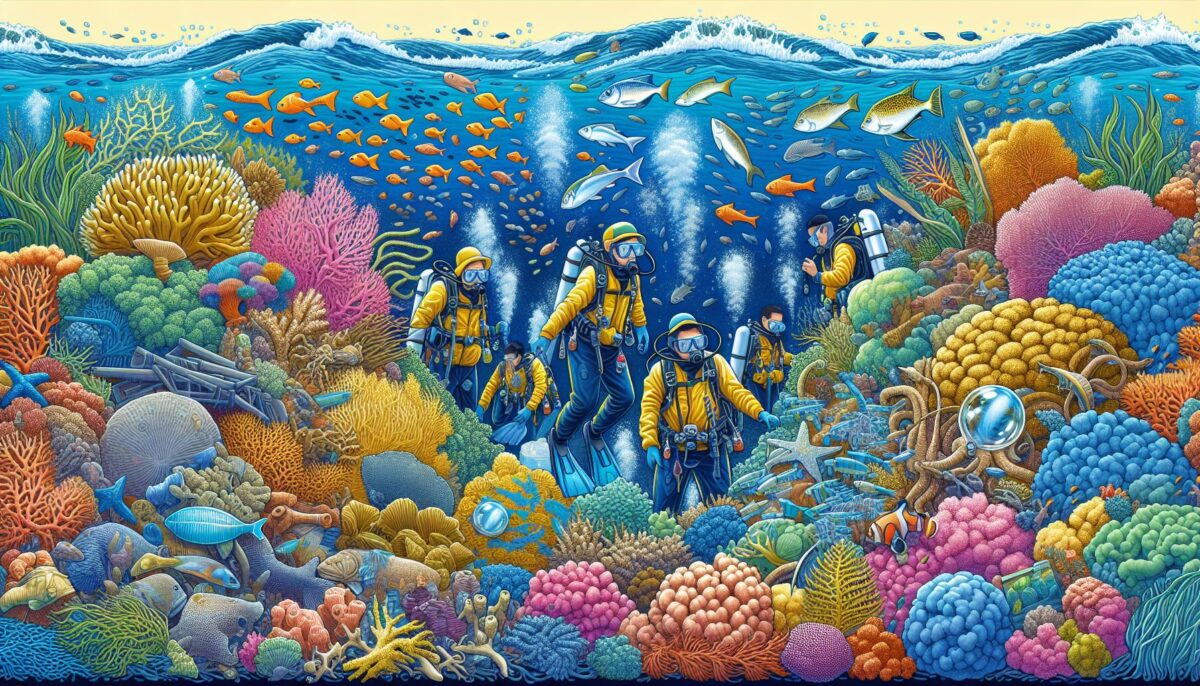
Oceans are vast expanses of wonder, supporting an incredible diversity of life and playing a pivotal role in Earth’s climate system. They cover more than 70% of our planet’s surface, and every drop of seawater teems with life, from the smallest plankton to the largest whales. Human activities, however, have put these ecosystems under unprecedented stress. To combat the decline of marine environments, the concept of Marine Protected Areas (MPAs) has gained traction around the globe as a vital tool for preserving ocean health and biodiversity.
What are Marine Protected Areas?
Marine Protected Areas (MPAs) are sections of oceans, seas, estuaries or large lakes that are designated to protect and conserve marine life and habitat. The level of protection varies significantly from one MPA to another—ranging from no-take zones, where all extractive activities like fishing and mining are prohibited, to those that allow some forms of sustainable use.
By providing sanctuaries for marine life to breed, feed, and grow, MPAs are not only crucial for conserving ecosystems but also for supporting fisheries and local economies that depend on a healthy ocean. In some cases, they can help restore fish stocks by acting as nurseries for young fish which then populate surrounding areas.
The Benefits of Marine Protected Areas
Biodiversity Conservation
One of the most prominent benefits of MPAs is biodiversity conservation. These protected areas serve as safe havens for threatened and endangered species, ensuring that they can live and reproduce without interference from human activities. MPAs have been shown to increase species richness – the number of different species – as well as the abundance of marine life within their boundaries.
Fisheries Enhancement
MPAs contribute to the replenishment of fish stocks both within and beyond their borders. This spillover effect occurs when adult fish migrate out of MPAs and juvenile fish disperse into surrounding waters. Well-managed MPAs can thus benefit fisheries by increasing catch sizes and contributing to sustainable fishing practices.
Resilience Against Climate Change
MPAs help maintain ecosystem resilience which is particularly important in a changing climate. By protecting areas with diverse habitats and species, MPAs safeguard genetic variety, which is critical when it comes to adapting to conditions such as ocean acidification and warming.
Economic and Social Benefits
MPAs can bolster local economies through eco-tourism and sustain the livelihoods of communities that depend on fishing. When fisheries are managed sustainably, jobs and fisheries-related income are more secure. Moreover, the educational and recreational opportunities provided by MPAs can enhance human well-being and cultural value.
Challenges and Controversies of MPAs
Despite their benefits, the implementation of MPAs faces several challenges:
Ensuring Effective Management
For MPAs to be successful, they must be effectively managed and enforced, which requires adequate resources, planning and community involvement. Many MPAs struggle with insufficient funding, lack of enforcement and illegal activities that undermine their conservation goals.
Balancing Stakeholder Interests
The establishment of MPAs often leads to conflicts among stakeholders, such as between environmental groups seeking to expand conservation areas and fishermen concerned about losing their fishing grounds. Striking balance is often difficult and requires inclusive management processes.
Climate Change
The shifting baselines caused by climate change, such as ocean warming and acidification, present a moving target for conservation efforts. MPAs may need to be adaptive in their design and management to remain effective under changing environmental conditions.
Ecological Connectivity
MPAs vary in size and isolation, and not all are big or connected enough to fully protect the species that live within their borders. There’s a growing recognition of the need to design networks of MPAs that cover the full range of habitats and ensure ecological connectivity.
The Way Forward
Progress in marine conservation through MPAs is encouraging but uneven. To maximize their effectiveness, several approaches can be taken:
Scaling Up
Conservation targets like the 30×30 initiative seek to protect 30% of the ocean by 2030. Expanding the global network of MPAs is critical to achieving significant conservation outcomes.
Integrated Management
An ecosystem-based management approach that integrates MPAs into broader marine spatial planning strategies can ensure that MPAs are not isolated efforts but part of a cohesive plan.
Community Involvement
Engaging local and indigenous communities in the establishment and management of MPAs ensures that local knowledge is harnessed and that MPAs are socially equitable and just.
Science-Based Design
Applying scientific principles to design and adaptively manage MPAs can help ensure they effectively address the specific needs of the ecosystems and species they are meant to protect.
International Collaboration
Oceans have no boundaries, and many marine species migrate across international waters. Thus, international cooperation is essential to establish MPAs that are ecologically meaningful on a global scale.
Conclusion
Marine Protected Areas are crucial elements of ocean conservation, offering benefits for biodiversity, fisheries, climate resilience, and human communities. However, creating and managing MPAs effectively requires addressing several challenges and ensuring that they are part of a broader, integrated approach to ocean governance. As stewards of the Earth, we have a collective responsibility to protect our blue planet for future generations, and MPAs are an important step in that journey.
