Discharge Systems and Infrastructure
Ocean Outfall Systems
The journey of treated wastewater to the ocean typically involves sophisticated outfall systems designed to minimize environmental impact. These systems include:
- Deep-water discharge pipes that extend several kilometers offshore
- Diffuser systems that disperse effluent across wider areas
- Strategic positioning based on ocean currents and marine ecosystems
- Monitoring stations to track water quality and environmental effects
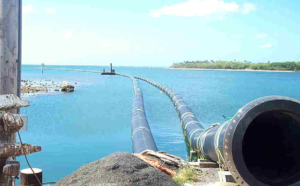
Coastal Infrastructure
Coastal areas maintain specialized infrastructure to manage treated wastewater discharge:
- Holding basins to regulate discharge timing with tidal cycles
- Emergency storage facilities for system maintenance or upset conditions
- Monitoring stations to ensure compliance with discharge permits
- Pipeline networks with corrosion-resistant materials suitable for marine environments
Environmental Integration and Impact
Marine Ecosystem Protection
Properly treated wastewater can be integrated into marine environments through:
- Careful selection of discharge locations away from sensitive marine habitats
- Monitoring of receiving water quality parameters
- Assessment of impacts on marine life and habitat health
- Implementation of mixing zones to ensure adequate dilution
Nutrient Management
Treated wastewater discharge affects ocean nutrient cycles:
- Controlled release of nutrients can support marine food webs
- Careful monitoring prevents excess nutrients that could cause algal blooms
- Seasonal adjustments to discharge patterns based on marine ecosystem needs
- Integration with natural nutrient cycling in coastal waters
Contribution to Blue Economy
Sustainable Maritime Industries
Treated wastewater management supports various aspects of the blue economy:
- Aquaculture
- Maintaining water quality for coastal fish farms
- Supporting shellfish harvesting areas
- Protecting marine breeding grounds
- Coastal Tourism
- Preserving beach water quality
- Maintaining clear coastal waters
- Supporting recreational activities
- Marine Biotechnology
- Providing nutrients for marine biomass production
- Supporting sustainable seaweed cultivation
- Enabling marine pharmaceutical research
Economic Opportunities
The management of treated wastewater creates various economic opportunities:
- Infrastructure Development
- Construction and maintenance of outfall systems
- Development of monitoring technologies
- Implementation of smart discharge management systems
- Research and Innovation
- Marine environmental monitoring
- Development of new treatment technologies
- Ocean health assessment methods
- Sustainable Resource Management
- Water reclamation for coastal industries
- Energy recovery from discharge systems
- Nutrient recovery for marine agriculture
Advanced Technologies and Innovation
Smart Discharge Management
Modern systems incorporate advanced technologies:
- Real-time monitoring of discharge quality and quantity
- Automated adjustment of discharge rates based on environmental conditions
- Predictive modeling for environmental impact
- Integration with weather and ocean condition data
Environmental Monitoring
Sophisticated monitoring systems track:
- Water quality parameters
- Marine ecosystem health
- Sediment quality
- Long-term environmental trends
Future Trends and Developments
Circular Economy Integration
The future of treated wastewater management in marine environments focuses on:
- Resource recovery before ocean discharge
- Energy generation from discharge systems
- Integration with coastal renewable energy projects
- Development of marine biomass production
Climate Change Adaptation
Systems are being adapted to address:
- Rising sea levels
- Changing ocean chemistry
- Extreme weather events
- Shifting marine ecosystems
International Cooperation and Standards
Global Frameworks
International cooperation ensures consistent approaches to:
- Discharge standards
- Monitoring requirements
- Environmental protection
- Technology sharing
Regional Initiatives
Collaborative efforts focus on:
- Shared water body protection
- Cross-border monitoring
- Joint research projects
- Technology transfer
Recommendations for Future Development
Policy Framework
- Strengthen international cooperation on discharge standards
- Develop integrated coastal zone management approaches
- Implement ecosystem-based management practices
- Enhance monitoring and enforcement capabilities
Technology Investment
- Support development of smart monitoring systems
- Invest in renewable energy integration
- Advance resource recovery technologies
- Improve prediction and modeling capabilities
Capacity Building
- Train personnel in advanced monitoring techniques
- Develop expertise in marine ecosystem management
- Build knowledge sharing networks
- Enhance public awareness and engagement
Conclusion
The careful management of treated wastewater discharge to oceans represents a critical component of both environmental protection and blue economy development. Through continued innovation, international cooperation, and careful monitoring, these systems can support marine ecosystem health while contributing to sustainable economic growth in coastal regions.
Success in this area requires ongoing commitment to:
- Environmental protection
- Technological advancement
- International cooperation
- Sustainable resource management
As we move forward, the integration of treated wastewater management with blue economy initiatives will become increasingly important for coastal communities and marine ecosystems worldwide.
