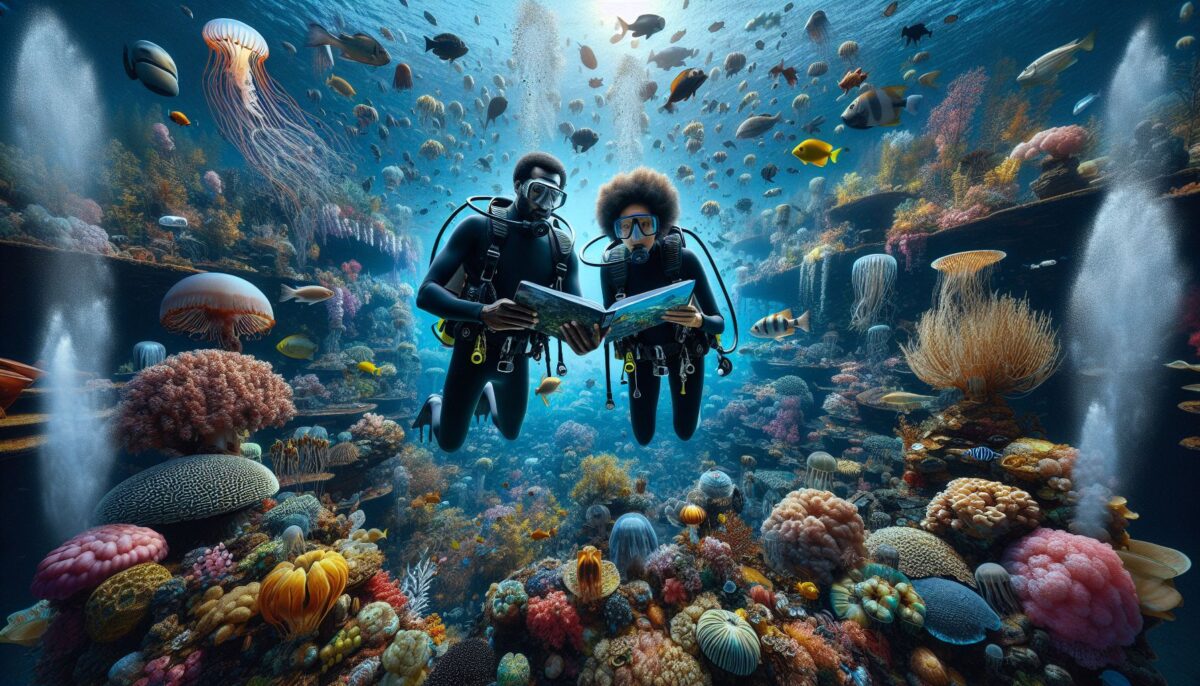
The ocean covers more than 70% of Earth’s surface, and within its vast expanses lies a complex and diverse array of living organisms. This incredible variety of life, known as marine biodiversity, is not only fascinating but also vitally important for the health of our planet and the well-being of all who live on it. From the tiniest planktonic organisms to the mightiest whales, the range of life forms is as wide as it is significant. In this article, we delve into the importance of marine biodiversity, the threats it faces, and what is being done to protect it.
What is Marine Biodiversity?
Marine biodiversity refers to the variety of species, ecosystems, and genetic resources found within the ocean. It encompasses all levels of biological organization, including:
- Genetic diversity: The variation of genes within species, which enables them to adapt to changing environments and threats.
- Species diversity: The variety and abundance of different species, each with specific roles within ecosystems.
- Ecosystem diversity: The variety of habitats and ecological processes that occur within marine environments, which can include coral reefs, estuaries, deep-sea vents, and more.
Why is Marine Biodiversity Important?
Ecosystem Services
The ocean provides a multitude of ecosystem services that are crucial for human survival and economic activity. These include:
- Provisioning services like food (fisheries and aquaculture), genetic resources, and bioactive compounds for pharmaceuticals.
- Regulating services including climate regulation through carbon sequestration and oxygen production.
- Cultural services such as recreation, tourism, and the intrinsic value of ocean ecosystems.
- Supporting services like nutrient cycling, sediment transport, and the provision of habitats.
Resilience to Change
Marine biodiversity contributes to the resilience of ecosystems. A greater diversity of species and habitats can help ecosystems withstand and recover from environmental changes and human-induced impacts.
Scientific Knowledge and Education
The ocean is a living laboratory teeming with mysteries and undiscovered species. Marine biodiversity research enhances our understanding of life on earth, supports educational endeavors, and inspires conservation efforts.
Threats to Marine Biodiversity
Despite its importance, marine biodiversity is under immense pressure from various threats, including:
- Overfishing: Unsustainable fishing practices deplete fish stocks and disrupt food webs.
- Habitat Destruction: Coastal development, destructive fishing techniques, and deep-sea mining can irrevocably damage marine habitats.
- Pollution: Plastics, chemicals, and other pollutants contaminate the ocean, harming organisms and ecosystems.
- Climate Change: Rising temperatures lead to ocean acidification, coral bleaching, and altered distribution of marine species.
- Invasive Species: Non-native species introduced by human activities can outcompete and displace indigenous marine life.
Protecting Marine Biodiversity
Marine Protected Areas (MPAs)
MPAs are designated areas where human activity is restricted to safeguard marine ecosystems and biodiversity. They can help conserve critical habitats, protect endangered species, and rebuild fish stocks.
Sustainable Fishing Practices
Efforts to implement sustainable fishing practices include catch limits, gear restrictions, and the promotion of bycatch reduction technologies.
Habitat Restoration
Projects aimed at restoring damaged marine habitats, such as coral reefs and mangroves, are critical in supporting biodiversity recovery.
Pollution Control
Reducing marine pollution involves tackling sources on land, improving waste management, and enhancing spill response capabilities.
Global Initiatives
International efforts, such as the Convention on Biological Diversity and the United Nations’ Sustainable Development Goals, provide frameworks for conserving and sustainably using marine biodiversity.
Conclusion
The diversity of life beneath the waves is more than just a source of wonder—it is essential for the health of our planet. Protecting marine biodiversity is not only an environmental imperative but also a necessity for sustainable human development. Continuous scientific research, innovative conservation strategies, and global collaboration are the keys to maintaining the rich tapestry of marine life for future generations.
Sources
- United Nations – The Sustainable Development Goals. https://sdgs.un.org/
- Convention on Biological Diversity. https://www.cbd.int/
- World Wildlife Fund – Marine Protected Areas. https://www.worldwildlife.org/initiatives/marine-protected-areas
By tapping into the vast diversity of marine life and acknowledging the threats it faces, we take a step closer to ensuring a balanced and thriving ocean. Continuing to explore and understand the depths of the sea and its inhabitants is an unending and crucial journey, one that calls for the commitment of researchers, policymakers, and the public alike. As guardians of this blue planet, it is incumbent upon us all to stir the waters of progress and keep the heart of the ocean beating vibrantly.
