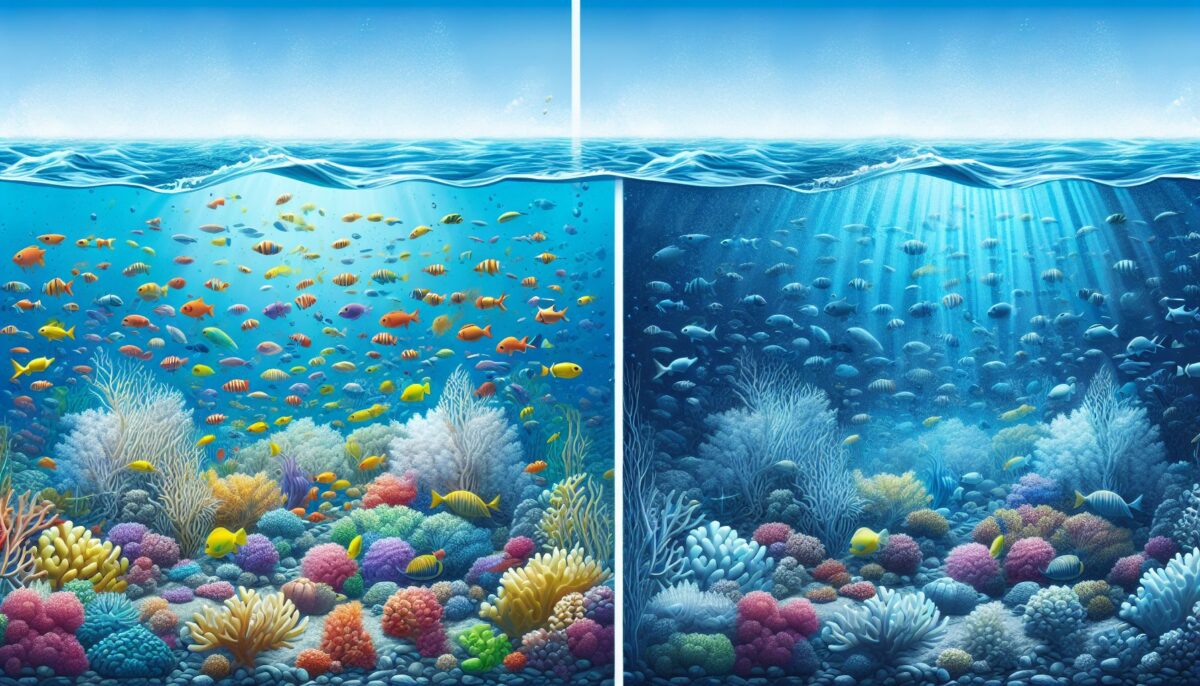
The ocean, a vast and enigmatic expanse, is the Earth’s largest ecosystem. It regulates our climate, provides oxygen, and supports a complex network of life. Yet beneath the waves, a silent crisis is unfolding: ocean acidification. This process, lesser-known than climate change but equally critical, is altering the very chemistry of the seas, with far-reaching consequences for marine life and human societies. In this article, we will delve into the science behind ocean acidification, its effects on ecosystems, and the measures we can take to mitigate its impact.
What is Ocean Acidification?
Ocean acidification refers to the ongoing decrease in the pH of the Earth’s oceans, caused by the uptake of carbon dioxide (CO2) from the atmosphere. Since the Industrial Revolution, the burning of fossil fuels has released vast amounts of CO2 into the atmosphere, a portion of which is absorbed by the ocean. The chemical reaction between water (H2O) and CO2 forms carbonic acid (H2CO3), which in turn releases hydrogen ions (H+) and bicarbonate (HCO3-), resulting in a lower pH.
The Chemistry:
markdown

CO2 (atmospheric carbon dioxide)

+ H2O (water)

-> H2CO3 (carbonic acid)

-> H+ (hydrogen ion) + HCO3- (bicarbonate)
Since pre-industrial times, ocean surface pH has dropped by 0.1 units, which may not seem significant, but on the pH scale, it represents approximately a 30% increase in acidity.
How Ocean Acidification Affects Marine Life
1. Impact on Calcifying Organisms
One of the major concerns of ocean acidification is its effect on marine organisms that build shells or skeletons from calcium carbonate (CaCO3), such as corals, mollusks, and some planktonic species. These organisms rely on carbonate ions (CO3-), which become less available as pH levels decline, making it more difficult for these organisms to construct and maintain their calcium carbonate structures.
2. Disruption of Food Webs
As foundational species like corals and mollusks are compromised, the entire marine food web faces the ripple effects. For example, pteropods, small snail-like creatures serving as a critical food source for fish like salmon, are experiencing shell dissolution due to acidification.
3. Behavioral Changes in Marine Animals
Studies have shown that acidification can alter the behavior of fish and other marine animals. For example, some fish species lose their ability to detect predators or navigate effectively, while others experience changes in their metabolism and reproduction.
The Broader Implications
The impacts of ocean acidification extend well beyond marine ecosystems:
1. Fisheries and Aquaculture
Billions of people worldwide rely on the ocean for their livelihoods and nutrition. The decline in populations of shellfish and other marine species impacts commercial fisheries and aquaculture, with economic consequences for coastal communities.
2. Coastal Protection
Coral reefs and shellfish beds play crucial roles in coastal protection by buffering shores against waves and storm surge. Their degradation can lead to increased coastal erosion and vulnerability to extreme weather events.
3. Cultural and Recreational Loss
Recreational activities such as snorkeling and diving, as well as the cultural significance of marine ecosystems to many communities, are at risk due to the changing ocean conditions.
Solutions and Mitigation Strategies
The challenge of ocean acidification is formidable, but there are strategies to address it.
1. Reducing CO2 Emissions
The most direct way to combat ocean acidification is to reduce global CO2 emissions. This requires international cooperation and a transition toward renewable energy sources, energy efficiency, and sustainable practices.
2. Local Management Actions
On smaller scales, managing pollutants, reducing nutrient runoff, and protecting marine habitats can help make ecosystems more resilient to acidification.
3. Technological Innovations
Innovative technologies, such as seaweed farming and the development of acidification-resistant shellfish strains, offer potential buffers against the effects of acidification.
4. Monitoring and Research
Increased monitoring and research can enhance our understanding of acidification processes and impacts, leading to better-informed decisions and adaptive management strategies.
Looking Forward
Ocean acidification is a silent yet pressing environmental issue. It embodies the intricate connection between the ocean and the atmosphere and reminds us of the profound impact humans have on the planet.
As stewards of the Earth, we have the responsibility to act. The decisions and actions we take today will determine the health of our oceans and the legacy we leave for future generations.
Sources and Further Reading
- The National Oceanic and Atmospheric Administration (NOAA) provides comprehensive resources on ocean acidification and its implications: Ocean Acidification | NOAA
- The International Panel on Climate Change (IPCC) offers a scientific assessment of climate change and related issues, including ocean acidification: IPCC Read more
- The Ocean Acidification Network offers the latest news, research, and data on acidification, including mitigation strategies and community efforts: Ocean Acidification International Coordination Centre | OA-ICC
Addressing ocean acidification is not only an environmental obligation but an opportunity for innovation, cooperation, and sustainable growth. By acknowledging the challenges and embracing solutions, we can ensure a vibrant and healthy ocean for everyone.
