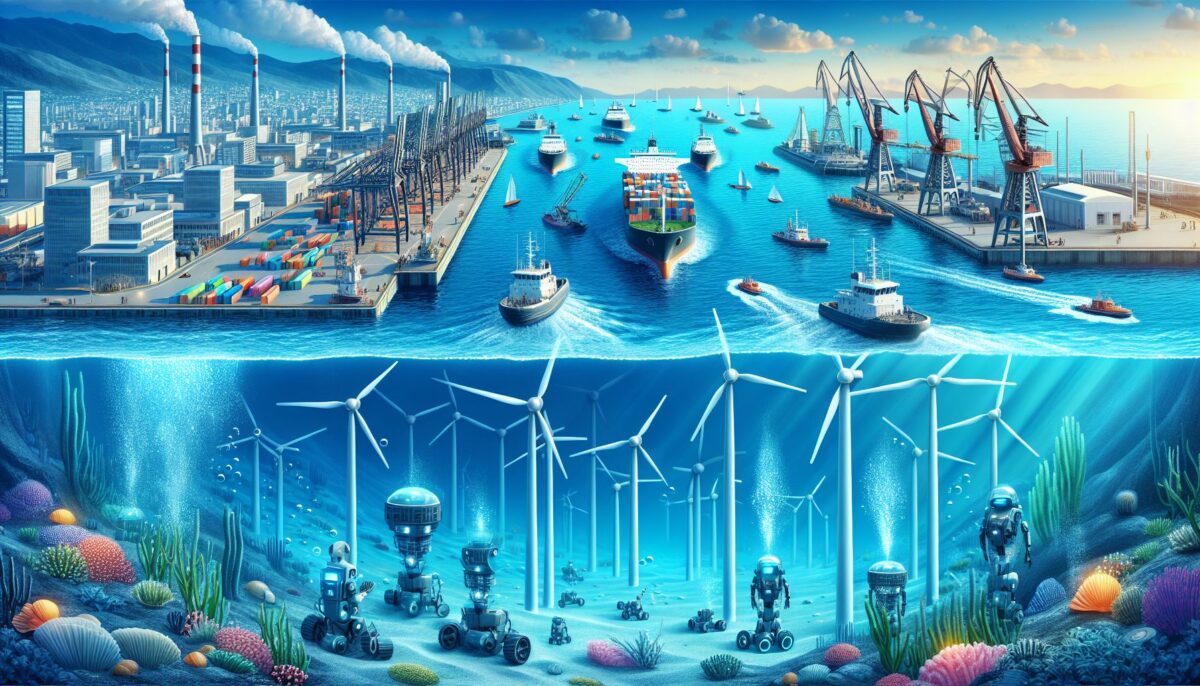
The world’s oceans, covering more than 70% of the Earth’s surface, are a powerhouse of untapped potential. The term “blue economy” has gained significant traction in recent years, describing the sustainable use of ocean resources for economic growth, improved livelihoods, and jobs, while preserving the health of ocean ecosystems. This comprehensive exploration into the blueynamic nexus of marine opportunities and challenges will span the breadth of what the blue economy entails, from its benefits and sectors to the current issues it faces and the steps necessary to implement it successfully.
What is the Blue Economy?
The idea of a blue economy has its roots in the 2012 Rio+20 United Nations Conference on Sustainable Development. It signifies a shift from the traditional ocean exploitation practices to integrated approaches that balance ecological integrity with human welfare and economic viability.
Key Sectors of the Blue Economy
- Sustainable Fisheries & Aquaculture: Ensuring that fish stocks are managed efficiently and aquaculture practices are environmentally friendly.
- Marine Renewable Energy: Tapping into wave energy, tidal energy, and offshore wind energy.
- Maritime Trade & Shipping: Advancing sustainable practices in one of the world’s oldest economic activities.
- Tourism & Recreation: Promoting eco-friendly marine and coastal tourism.
- Coastal Protection & Marine Infrastructure: Implementing living shorelines and green infrastructure to enhance resilience.
- Biotechnology & Genetic Resources: Leveraging marine biodiversity for pharmaceuticals and industrial products.
- Desalination: Finding sustainable ways to convert saltwater to freshwater to address water scarcity.
- Mineral Resources: Responsibly harnessing the wealth of minerals found on and beneath the seafloor.
Benefits of the Blue Economy
The blue economy aims to promote economic growth, social inclusion, and the preservation or improvement of livelihoods while at the same time ensuring environmental sustainability of the oceans and coastal areas. It encompasses industries such as offshore wind and marine solar energy, marine biotechnology and bioprospecting, underwater robotics, oceanic aquaculture, and deep-sea mining.
The Current Blue Economy Landscape
Marine Renewable Energy
Wave and Tidal Energy: As the search for sustainable energy sources intensifies, the blue economy looks to the ocean. Wave and tidal energy exploit the kinetic energy produced by the movement of water to generate electricity. Technologies to harness this energy are rapidly evolving, promising a cleaner alternative to fossil fuels.
Offshore Wind Farms: Another growing sector is offshore wind, utilizing the power of oceanic gusts to generate electricity. European nations are at the forefront of expanding this industry, which benefits from less visual pollution and more consistent wind flow than onshore counterparts.
Sustainable Fisheries
Sustainable fisheries are a critical aspect of the blue economy. Overfishing and harmful fishing practices threaten fish stocks, marine habitats, and the livelihoods of communities dependent on marine resources. Implementing sustainable fishing techniques and management practices ensures that the ocean can continue to provide food and income for millions of people.
Aquaculture
Aquaculture, the farming of fish, shellfish, and algae, has the potential to meet global demand for seafood without depleting wild stocks. Innovations are making it increasingly sustainable, with practices like integrated multi-trophic aquaculture (IMTA) mimicking natural ecosystems.
Ocean Tourism
Marine and coastal tourism, including eco-tourism and cultural tours, play a significant role in the blue economy, offering sustainable livelihood options and promoting conservation. Developments like underwater hotels and marine parks also contribute to the growth of this sector.
Marine Biotechnology
Biotechnology industries are turning to the sea to discover new products. Compounds from marine organisms lead to developments in pharmaceuticals, nutritional supplements, and cosmetic products. The genetic diversity found in the ocean is a treasure trope for bio-prospecting.
Shipping and Ports
The global economy relies on maritime trade, and there is immense potential to improve the efficiency and sustainability of ports and shipping. Cleaner fuels, green port initiatives, and technological advancements in navigation contribute to a more sustainable marine trade.
Coastal and Marine Ecosystem Services
Coastal ecosystems like mangroves, coral reefs, and seagrass beds provide essential services, from coastal protection and habitat for marine life to tourism and carbon sequestration. Protection and restoration of these ecosystems are vital components of the blue economy.
Challenges Facing the Blue Economy
While the blue economy offers abundant opportunities, it also faces challenges and threats, including:
- Marine Pollution: From plastic debris to chemical runoff, pollution is choking ocean life and ecosystems.
- Climate Change and Ocean Acidification: Rising concentrations of atmospheric CO2 are leading to warming and acidification of oceans, impacting biodiversity and fisheries.
- Overfishing: Unsustainable fishing practices threaten the balance of marine ecosystems and the viability of fisheries.
- Marine Habitat Destruction: Coastal development, bottom trawling, and other practices destroy critical habitats.
- Inequitable Resource Distribution: Ensures that the benefits of ocean resources are shared equitably among nations and communities.
- Legal and Territorial Challenges: Complex maritime boundaries and legal frameworks can complicate the implementation of blue economy principles.
The Road to a Sustainable Blue Economy
To achieve a thriving blue economy, we must:
- Enforce Strong Policies: Implementing international agreements and enforceable marine policies are crucial to manage resources sustainably.
- Invest in Science and Innovation: Investment in research and development can stimulate innovations for sustainable use of ocean resources.
- React appropriately to Environmental Changes: Adaptation to climate change impacts and mitigation efforts is essential for the sustainability of ocean-based industries.
- Promote Inclusive Growth: Ensuring that the growth of the blue economy benefits all stakeholders, particularly coastal communities and small island developing states.
- Enhance Public Awareness: Education and public awareness campaigns are necessary for fostering a connection between society and the ocean.
- Build Infrastructure: Developing infrastructure to support sustainable ocean industries while protecting the environment.
Conclusion
The blue economy is a beacon of hope for sustainable development, offering a framework to harness the ocean’s wealth while protecting its vast and delicate ecosystems. Transitioning to a blue economy requires concerted efforts from governments, businesses, civil society, and local communities. By adopting a holistic and integrated approach to ocean governance and economic development, we can unlock the ocean’s potential in a way that benefits both people and the planet.
Sources
- World Bank Group. (2017). What is the Blue Economy?
- United Nations Conference on Trade and Development (UNCTAD). (2021). Sustainable Shipping
- United Nations Environment Programme (UNEP). (2021). Sustainable Management of the Blue Economy
