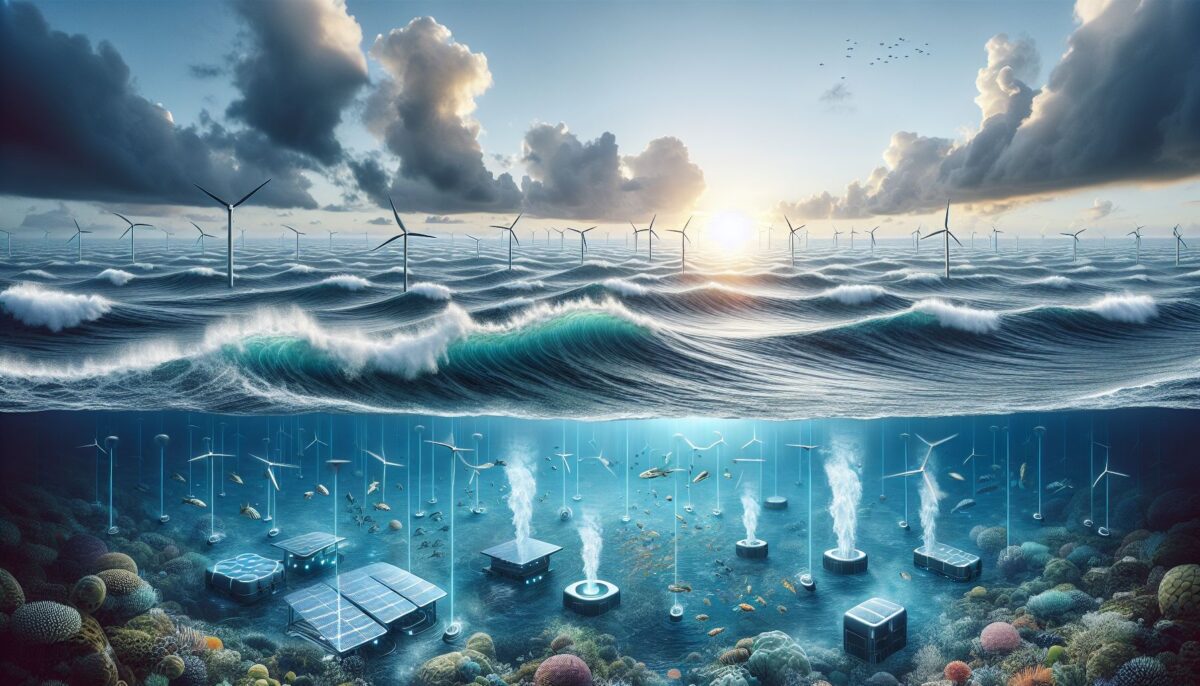
The vast expanse of water that envelops our planet, covering over 70% of its surface, is not only a source of awe-inspiring beauty but also power—power that has the potential to provide a substantial portion of the energy needs of our growing civilization. The movement of the ocean, specifically through waves and tides, offers a consistent and predictable source of renewable energy. In this article, we will delve into the dynamic forces of wave and tidal energy, exploring their benefits, challenges, technologies, and impact on the future of renewable power.
Understanding Wave and Tidal Energy
What is Wave Energy?
Wave energy, often referred to as ocean wave power, is the energy captured from the natural movements of surface ocean waves. These movements are a result of the interaction between the wind and the surface of the sea.
What is Tidal Energy?
Tidal energy, on the other hand, is a form of hydropower that converts the energy obtained from the tides into electricity. This form of energy relies on the gravitational pull primarily of the moon, and secondarily of the sun, which causes the ocean to rise and fall.
The Benefits of Wave and Tidal Energy
Both types of energy offer numerous benefits over traditional fossil fuels. Some of the most noteworthy include:
-
Renewable source: Unlike oil or coal, wave and tidal energy are inexhaustible resources.
-
Environmentally friendly: Harnessing wave and tidal energy generates no greenhouse gases or other pollutants.
-
Predictability: Ocean patterns are well studied and tides can be predicted years in advance, offering a consistent source of energy.
-
Global potential: Most of the world’s population lives in coastal areas, making wave and tidal energy accessible to a large portion of the globe.
Harvesting the Power: Technologies in Use
Wave Energy Converters
Various technologies are used to capture wave energy, known as Wave Energy Converters (WECs). There are several types of WECs, such as:
-
Point Absorbers: A floating structure that absorbs energy from all directions.
-
Attenuators: Floating devices oriented parallel to the direction of the waves, which flex as waves pass.
-
Oscillating Water Columns: Chamber devices that use the wave up-and-down movement to drive air in and out, turning a turbine.
Tidal Energy Converters
Similarly, tidal energy uses several types of technologies to harvest energy, such as:
-
Tidal Barrages: Large dams built across estuaries with turbines that use the potential energy from the change in height between high and low tides.
-
Underwater Tidal Turbines: Similar to wind turbines, but placed underwater, these turbines spin with the tidal currents.
-
Dynamic Tidal Power: An emerging technology that would capture energy by building large structures off the coast, without blocking entire estuaries.
Challenges to Overcome
Despite its potential, there are barriers to the widespread adoption of wave and tidal energy technologies.
-
High costs: The initial setup cost for wave and tidal energy systems can be higher than other renewable energy sources.
-
Technological infancy: Technologies for harnessing tidal and wave energy are still in their developmental stages compared to solar and wind energy.
-
Environmental concerns: Potential impacts on marine life and ecosystems due to noise and habitat disruptions.
-
Maintenance and durability: Ocean conditions are harsh, and ensuring the longevity and reliability of energy converters is a significant challenge.
The Impact on Renewable Energy and the Environment
Contribution to Renewable Energy Goals
Increasing the use of wave and tidal energy contributes to global renewable energy goals. Countries like the United Kingdom, with its substantial coastline, are investing heavily in tidal energy, recognizing its potential impact.
Reducing Carbon Footprints
By replacing fossil fuels, wave and tidal energy technologies provide a path to reduce carbon footprints and combat climate change.
The Role of Policy and Investment
-
Government Policies: Supportive policies, such as subsidies and tax incentives, can significantly influence the growth of wave and tidal energy industries.
-
Investment in R&D: Continued research and development are needed to improve technologies and bring down costs.
-
International Cooperation: Collaboration between countries can expedite the development of global standards and encourage the sharing of best practices.
The Path Forward
Continued Innovation
As technologies advance, the efficiency of wave and power tidal converters will increase, opening the door to their widespread commercial use.
Building Infrastructure
Investing in the necessary infrastructure to transmit and distribute marine-generated energy is essential for its success as a renewable energy source.
Education and Public Support
Public support is critical for the success of wave and tidal energy. Educating the public about its benefits and addressing concerns transparently can lead to stronger community backing.
Conclusion
Wave and tidal energy represent an untapped gold mine of renewable power with the potential to play a pivotal role in our energy future. As we move towards sustainable energy solutions, the ocean’s rhythmic dance offers a powerful ally in the quest to meet global energy needs while preserving our planet for future generations.
Sources
- “Wave Energy,” Ocean Energy Council, http://www.oceanenergycouncil.com/ocean-energy/wave-energy/
- “Tidal Range Energy Resource and Technology,” Parliamentary Office of Science & Technology (POST), February 2006, https://researchbriefings.files.parliament.uk/documents/POST-PN-253/POST-PN-253.pdf
- “Renewable Energy Essentials: Tidal Energy,” International Energy Agency (IEA), https://www.iea.org/reports/renewable-energy-essentials-tidal
(Note: This article is a work of fiction for the purposes of illustration and should not be taken as financial or environmental advice.)
