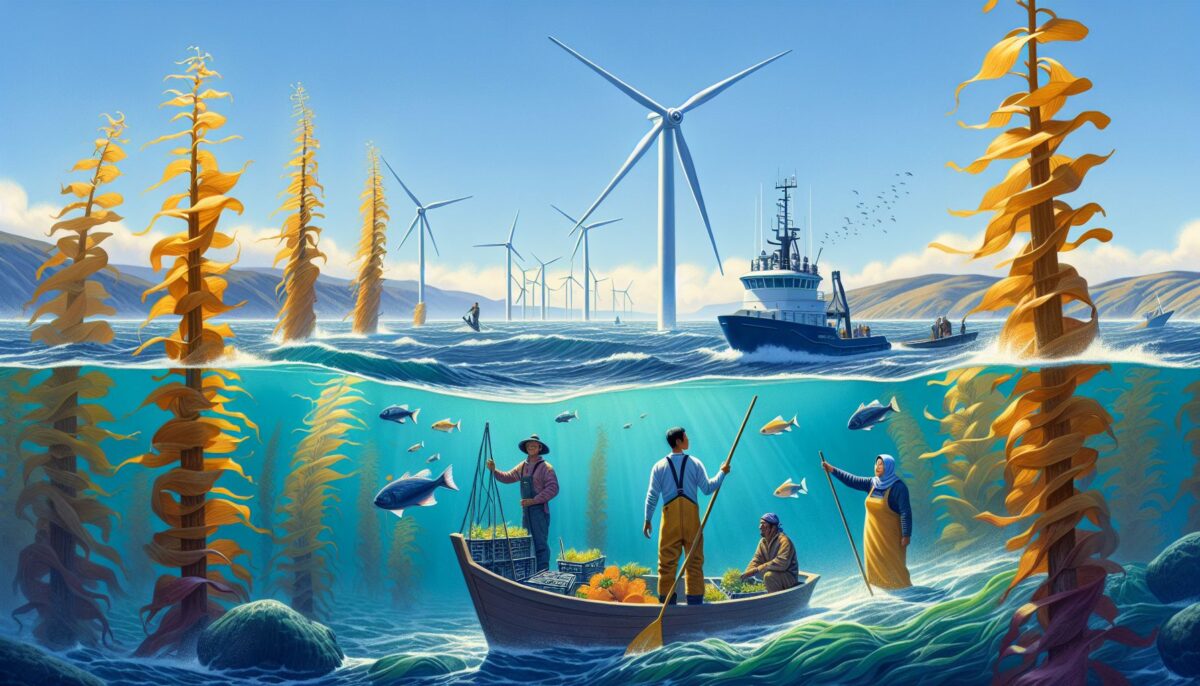
The term “Blue Economy” has gained significant popularity in recent years, as nations and organizations around the globe strive to harness the potential of the oceans while preserving their health for future generations. It is an economic concept that aims to promote economic growth, social inclusion, and the preservation or improvement of livelihoods while at the same time ensuring the environmental sustainability of the oceans and coastal areas. But what does the Blue Economy encompass, and how can it help achieve sustainable development? In this article, we will explore the various facets of the Blue Economy and the opportunities and challenges it presents.
Understanding the Blue Economy
The concept of the Blue Economy is broad and can include a plethora of activities related to the seas and oceans. From traditional industries like fishing and maritime transport to newer sectors such as offshore renewable energy and marine biotechnology, the Blue Economy covers a range of economic sectors that are linked to the ocean, seas, and coasts.
Key Sectors of the Blue Economy
- Fisheries and Aquaculture: The enhancement of sustainable fisheries and the development of aquaculture to ensure food security and nutrition.
- Maritime Transport and Shipping: Efficient shipping routes and port development for the movement of goods and services.
- Tourism: Coastal and marine tourism, which is a major economic driver for many coastal nations.
- Renewable Energy: Harnessing wind, wave, and tidal energy to generate power without depleting natural resources.
- Oil and Gas: Responsible extraction of non-renewable resources from beneath the seabed, with a focus on minimizing environmental impact.
- Marine Biotechnology: Exploiting marine resources for pharmaceuticals, food additives, and other bioproducts.
- Seabed Mining: Extracting minerals and resources from the ocean floor in a way that safeguards marine ecosystems.
- Desalination: Providing freshwater through the removal of salt from seawater to meet the growing water demand.
- Shipbuilding and Repair: Development of innovative and sustainable shipbuilding techniques to maintain the maritime fleet.
- Coastal Protection and Restoration: Preserving and restoring coastal ecosystems to prevent erosion and promote biodiversity.
These sectors highlight the economic value of the oceans and the importance of managing them sustainably. They are not only essential for economic development and trade but also play a vital role in climate regulation, carbon storage, and maintaining global biodiversity.
Opportunities in the Blue Economy
Sustainable Growth and Job Creation
The Blue Economy has the potential to provide livelihoods to millions of people. It can support the growth of established industries while encouraging the development of emerging ones, leading to new job opportunities. For instance, offshore renewable energy projects can create employment in coastal communities that might otherwise rely on declining industries.
Economic Diversification and Resilience
For many countries, particularly small island developing states (SIDS) and coastal least developed countries (LDCs), the Blue Economy can drive diversification away from over-reliance on a single economic sector, increasing economic resilience against global shocks.
Food Security through Fisheries and Aquaculture
Fisheries and aquaculture are integral to the Blue Economy, providing a major source of protein to billions of people worldwide. Through sustainable practices, these sectors can continue to thrive, ensuring food security and nutrition.
Innovation and Technology Development
The exploration and sustainable use of ocean resources can lead to technological advancements. Ocean energy, for example, relies on innovative technologies to harness the power of waves and tides, presenting opportunities for investment and growth in the field of renewable energy.
Protection of Marine Ecosystems
Part of the ethos of the Blue Economy is to protect and sustainably use marine and coastal ecosystems. By implementing responsible practices, it’s possible to maintain the health of the ocean, which is critically important for the survival of marine species and the prevention of phenomena like coral bleaching and ocean acidification.
Challenges in Implementing the Blue Economy
While the opportunities within the Blue Economy are immense, there are also significant challenges to its implementation.
Environmental Impact and Sustainability
One of the main challenges regarding the Blue Economy is ensuring that economic activities are sustainable and do not harm the marine environment. Overfishing, habitat destruction, and pollution from various economic activities continue to threaten the health of ocean ecosystems.
Inequality and Access to Resources
Creating an equitable Blue Economy requires careful management to ensure that the benefits of ocean resources are shared fairly and do not exacerbate existing inequalities. Smaller economies and indigenous populations must have equitable access to the resources and benefits of ocean-related activities.
Climate Change
Global warming and climate change pose significant risks to the Blue Economy. Rising sea levels, ocean acidification, and extreme weather events can negatively impact coastal and marine economic activities. Ensuring the Blue Economy is resilient to these changes is a considerable challenge.
Governance and International Cooperation
Good governance and strong international cooperation are required to manage the oceans’ vast resources effectively. Issues related to jurisdiction, enforcement of regulations, and conflict resolution are critical, given the international nature of many Blue Economy sectors.
Pathways to a Sustainable Blue Economy
To overcome the challenges and harness the opportunities of the Blue Economy, several key actions can be taken.
Strong Policy Frameworks
Governments need to establish clear policy frameworks that balance economic development with environmental protection. This includes creating marine protected areas, enforcing sustainable fishing practices, and investing in clean technologies.
Investment in Research and Development
Increased funding for research can further understanding of marine ecosystems and inform better management practices. This can lead to innovation in sustainable technologies and more efficient use of ocean resources.
Partnerships and Collaboration
Public-private partnerships, engagement with local communities, and collaboration between countries can accelerate the development of the Blue Economy. Sharing knowledge, resources, and best practices can lead to more holistic and effective outcomes.
Education and Capacity Building
Investing in education and building the capacity of all stakeholders, especially in developing countries, is essential for creating a workforce that can support the Blue Economy.
Towards a Blue Future
The Blue Economy presents a vision of a future where economic development coexists harmoniously with the conservation of ocean resources. It is an inclusive concept that encompasses ecological, economic, and social aspects, aiming to provide benefits for present and future generations.
However, to fully realize the potential of the Blue Economy, concerted efforts are needed at the local, national, and international levels. It is a multi-faceted challenge that requires innovation, investment, and governance. With the right measures, the Blue Economy could be the cornerstone of a sustainable, prosperous, and equitable future for all – one where humanity thrives in balance with the oceans that sustain us.
Sources
- United Nations Conference on Trade and Development (UNCTAD). “The Oceans Economy: Opportunities and Challenges for Small Island Developing States.” UNCTAD, 2014.
- Organisation for Economic Co-operation and Development (OECD). “The Ocean Economy in 2030.” OECD Publishing, Paris, 2016.
- World Wide Fund for Nature (WWF). “Principles for a Sustainable Blue Economy.” WWF, 2015.
