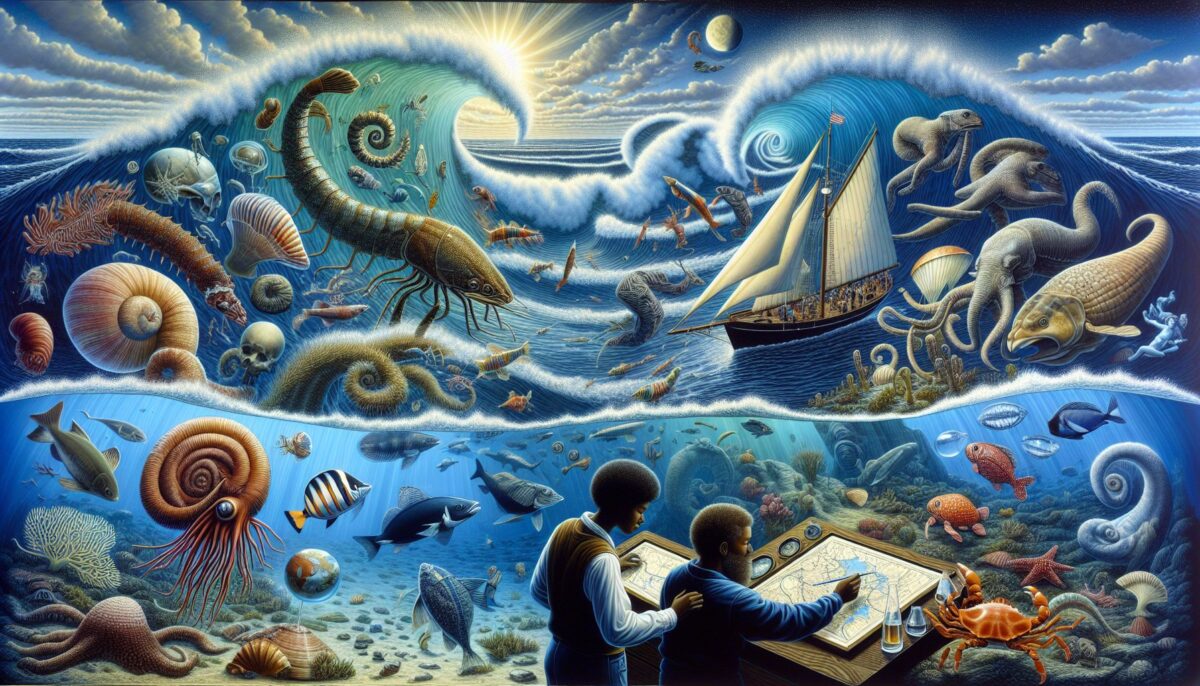
The ocean is more than just a vast stretch of water; it’s a dynamic system drastically influenced by the rhythm of tides. The ceaseless ebb and flow along the shorelines have profound impacts on marine life, coastal communities, navigation, and beyond. In this in-depth exploration, we unravel the complex interplay of gravitational pulls that create tides and delve into their far-reaching effects on our planet. So, let’s embark on a journey to understand these powerful natural phenomena that have been guiding sailors for centuries and continue to shape the ecology of our blue planet.
The Tidal Phenomenon
Tides are regular rises and falls in sea level that occur as a result of the gravitational interaction primarily between earth and the moon, with additional influence from the sun. The moon’s gravitational pull creates bulges in the earth’s water, known as tidal forces, which result in high tides in the areas facing the moon and on the opposite side due to inertia. When these bulges are at a perpendicular angle to a particular point along the coastline, low tides occur.
Gravitational Pull and Tidal Variations
Gravitational forces from the moon and the sun, as well as the rotation of the earth, play critical roles in the formation of tides. The moon has a more substantial effect due to its closer proximity, despite the sun’s larger size and stronger overall gravitational force. The result is a complex cycle of tides that changes daily due to the relative positions of earth, the moon, and the sun.
Spring and Neap Tides
The interplay between the moon and sun’s gravitational forces leads to two significant tidal events known as spring and neap tides. Spring tides, which have nothing to do with the season, occur when the earth, the moon, and the sun are in a straight line (during full or new moons). This alignment causes the gravitational forces to combine and creates higher-than-average high tides and lower-than-average low tides. Conversely, neap tides happen when the moon is at a right angle to the earth-sun line (during the first and third quarters of the moon), producing minimal difference between high and low tides.
Tides’ Influence on Marine Life and Coastal Ecosystems
Intertidal Zones and Biodiversity
One of the most biologically diverse habitats on earth is the intertidal zone, the area between high tide and low tide. This zone is a harsh environment where organisms must survive drying conditions, changing salinity, and temperature fluctuations. Tides create a rhythm that dictates the life cycles of numerous species, from the smallest barnacles and anemones to predatory sea birds and mammals. These species have adapted to the changing environments, timing their feeding, breeding, and other behaviors according to the tides.
Estuaries and Nurseries of the Sea
Estuaries, where freshwater meets seawater, are greatly influenced by tides. These areas serve as critical nurseries for many marine species. Tidal currents bring nutrients and oxygen into these water bodies, supporting a wide array of life, including fish, crustaceans, and plants. The pristine condition of these habitats is essential for the biodiversity and productivity of marine ecosystems.
Tides and Human Endeavors
Navigation and Shipping
Historically, tides have been both a challenge and an aid to explorers and merchants. Understanding tidal patterns is critical for navigating shallow waters and avoiding grounding. Ports and harbors are often constructed in areas where tidal influences can be predicted and managed, ensuring safe passage for ships of all sizes.
The Role of Tidal Predictions
For centuries, sailors have relied on tide tables and tidal predictions to plan their voyages. Today, sophisticated software integrates astronomical data to forecast tides accurately, contributing to the safety and efficiency of maritime trade. These predictive models are also crucial for recreational boaters and the fishing industry.
Renewable Energy and Tidal Power
Tidal energy is a form of hydrokinetic power that harnesses the movement of water due to tides to generate electricity. Tidal barrages, underwater turbines, and tidal fences are some technologies used to exploit the kinetic and potential energy of tidal streams and vertical movement.
Challenges and the Future of Tidal Energy
While the potential for tidal energy is immense due to its predictability and density, several challenges, including environmental concerns and high installation costs, must be addressed. However, continued research and innovation hold promise for the future of tidal energy as a sustainable and clean power source.
The Detrimental Effects of Human Activities on Tides
Coastal Erosion and Infrastructure
Human structures such as seawalls, groins, and jetties can disrupt natural tidal flows, leading to accelerated coastal erosion or sediment buildup. This interference with sediments and tidal movements can harm local ecosystems, diminish coastal protection, and lead to costly environmental and infrastructural damage.
Mitigation and Coastal Management
Effective coastal management strategies that respect tidal movements and include replenishment of beaches and preservation of natural landforms are critical. Coastal wetlands and mangroves, for example, provide natural barriers against tidal surges and contribute to the ecological balance.
The Significance of Tides in the Age of Climate Change
Sea Level Rise and Storm Surges
As sea levels rise due to climate change, tidal impacts are amplified, increasing the risk of flooding in coastal and low-lying regions. Moreover, the severity of storm surges, which can coincide with high tides, poses a growing threat to coastal communities.
Adaptation and Resilience
Adapting to the changing tides involves creating resilient infrastructure, restoring natural barriers, and developing early warning systems to mitigate risks associated with extreme tidal events. This is especially critical for developing nations and small island states that face disproportionate impacts due to sea-level rise.
Preserving Our Tidal Heritage
Recognition of the significance of tides extends beyond the scientific domain and into cultures around the world. Traditional knowledge systems that respect and adapt to the tides offer valuable insights into sustainable living in harmony with natural rhythms.
Conclusion
The ocean’s tides are a constant force shaping the planet. By understanding their influence on marine life, navigation, and human development, we are better equipped to appreciate their value and address the challenges they pose in a changing world.
Sources:
- National Oceanic and Atmospheric Administration (NOAA). “Tides and Water Levels.” oceanservice.noaa.gov/education/tutorial_tides.
- British Oceanographic Data Centre. “Tides and Storm Surges.” bodc.ac.uk/data/online_delivery/tides_and_storm_surge.
- International Renewable Energy Agency (IRENA). “Renewable Energy Technologies: Cost Analysis Series – Tidal Energy.” irena.org/documentdownloads/publications/re_technologies_cost_analysis-tidal_energy.pdf.
