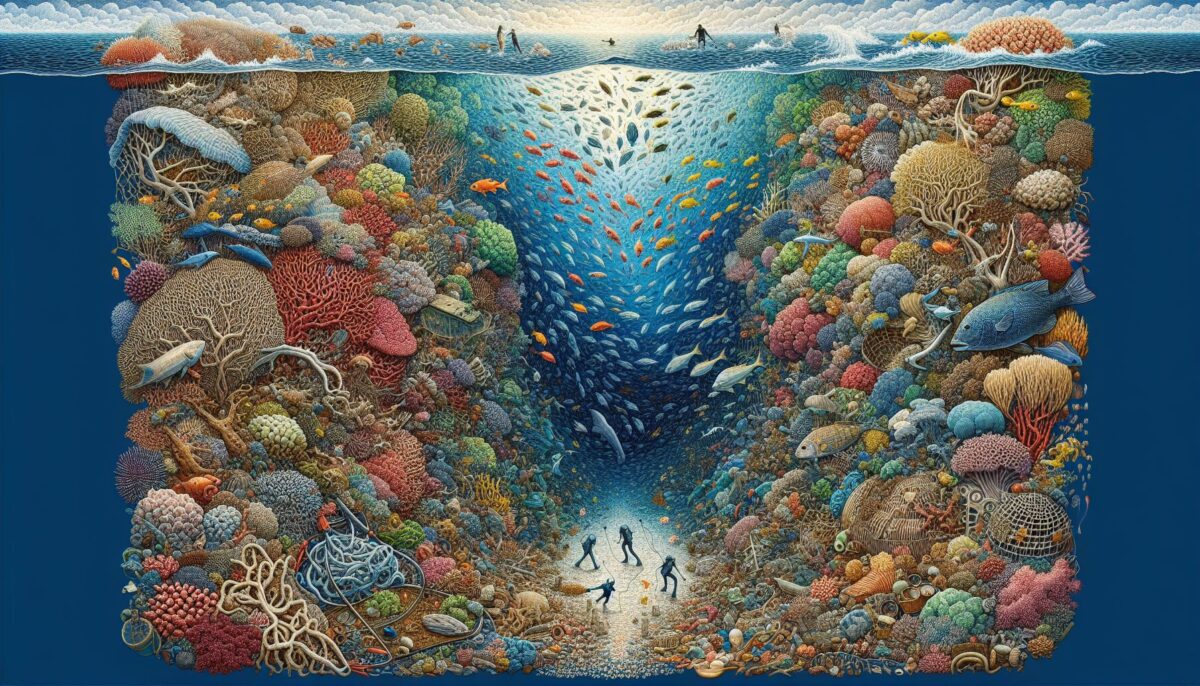
Coral ecosystems are among the most vibrant and diverse environments on our planet. Functioning as underwater cities teeming with life, corals are not just individual entities but complex colonies that form relationships with a variety of marine organisms. These ecosystems offer a spectacular array of colors, shapes, and forms, and play a crucial role in marine biodiversity. This article ventures into the depths of coral ecosystems, highlights the biodiversity they support, discusses the considerable threats they face—including coral bleaching and ocean acidification—and the global efforts to conserve these natural treasures.
The Biology and Significance of Coral Ecosystems
Corals, belonging to the phylum Cnidaria, are marine invertebrates that have a unique symbiotic association with a type of algae known as zooxanthellae. These algae reside within the corals’ tissues, providing them with essential nutrients via photosynthesis, which in turn help in coral growth and formation of the calcium carbonate skeletons that build coral reefs. These structures contribute significantly to marine biodiversity; it is estimated that while coral reefs cover less than 1% of the ocean floor, they support over 25% of all marine life (NOAA). The biodiversity housed in coral ecosystems is not just of ecological interest but is vital for human sustenance as well, providing food, tourism revenue, and coastal protection.
The Dazzling Inhabitants of Coral Ecosystems
Coral reefs are bustling with a wide variety of creatures, from the minuscule plankton to the majestic, albeit endangered, species of fish and marine mammals. The reef’s structure creates numerous niches that host an array of invertebrates, including shrimps, crabs, starfish, and sea urchins. The corals themselves come in two primary types: hard corals that contribute to reef building, and soft corals that sway with the ocean currents.
Fish species of every conceivable color and size dart among the coral branches, while larger predators like sharks patrol the outer edges of the reef. Vast schools of smaller fish, such as the brightly-colored parrotfish and clownfish, are a common sight. Furthermore, coral reefs are also important breeding and nursery grounds for many marine species.
The Threats Facing Coral Ecosystems
Despite their resilience and adaptability, coral ecosystems are confronting profound threats. Climate change stands at the forefront, responsible for the twin perils of rising sea temperatures and ocean acidification. Rising temperatures result in coral bleaching—a phenomenon where corals expel their symbiotic algae, losing color and vital energy sources—often leading to coral death. Ocean acidification, a consequence of increased CO2 absorption, reduces the availability of the carbonate ions needed by corals to maintain their calcium carbonate skeletons. In addition, factors such as overfishing, destructive fishing practices, coastal development, and marine pollution exacerbate the pressure on coral ecosystems.
Coral Bleaching: A Sign of Distress
Coral bleaching events have become more frequent and severe with recent mass bleaching events causing widespread concern among scientists and conservationists. For example, the 2016 Great Barrier Reef bleaching event affected approximately 93% of individual reefs and led to an unprecedented loss of corals (ARC Centre of Excellence for Coral Reef Studies).
The Affects of Ocean Acidification
Ocean acidification is altering the carbonate chemistry of seawater, which has direct consequences for coral calcification rates and the structural integrity of reef systems. Long-term predictions for ocean acidification suggest that many coral reefs may struggle to grow or even begin to dissolve in the coming decades, especially in areas with naturally low levels of carbonate ions (NOAA – PMEL Carbon Program).
Marine Pollution and Its Impact
Marine pollution adds to the existing stresses on coral ecosystems. Plastics, toxic waste, and agricultural runoff laden with pesticides and fertilizers find their way into the oceans, compromising the water quality and health of coral reefs. These pollutants can promote the growth of detrimental algae and pathogens, further challenging the delicate balance of coral ecosystems.
Conservation and Restoration Efforts
Despite the gloomy prognosis for coral reefs, numerous conservation efforts are underway. The establishment of marine protected areas (MPAs) has become a central strategy in coral conservation, aimed at preserving biodiversity and providing refuges for marine life. Efforts such as the removal of invasive species, controlled fishing practices, and the implementation of sustainable tourism practices have also been employed in areas around coral reefs.
Advanced techniques in coral reef restoration are also being employed, such as coral gardening and assisted evolution, where more resilient genotypes of corals are propagated. At the policy level, international agreements, including the Convention on Biological Diversity and the Paris Agreement under the UNFCCC, aim to mitigate climate change and safeguard coral ecosystems for the future.
The Road Ahead
The health and survival of coral ecosystems have far-reaching implications not only for marine life but also for humanity. Protecting these colorful worlds beneath the waves is not just an ecological necessity but an ethical responsibility. The dance of life that corals have sustained for millions of years must continue, not only for the sheer wonder they instill but for the intricate web of life they support, which includes us.
Coral ecosystems are a touchstone for the health of our oceans. By preserving corals, we defend the diversity of life and maintain the natural cycles that are vital to the well-being of our planet. It is critical that conservation efforts continue to evolve and expand, embracing innovative science and broad-based collaborations. United in our endeavors for a thriving planet, we can ensure that coral reefs—and the marvelous life they harbor—are sustained for generations to come.
In conclusion, corals are not merely ornamental features of the marine realm but are cornerstones of oceanic health and human economies. As apex ambassadors of ocean biodiversity, they remind us of the fragility of life and the interconnectedness of all living things. In the dance of survival, every step counts, and the step to protect and preserve coral ecosystems is one that we cannot afford to miss.
