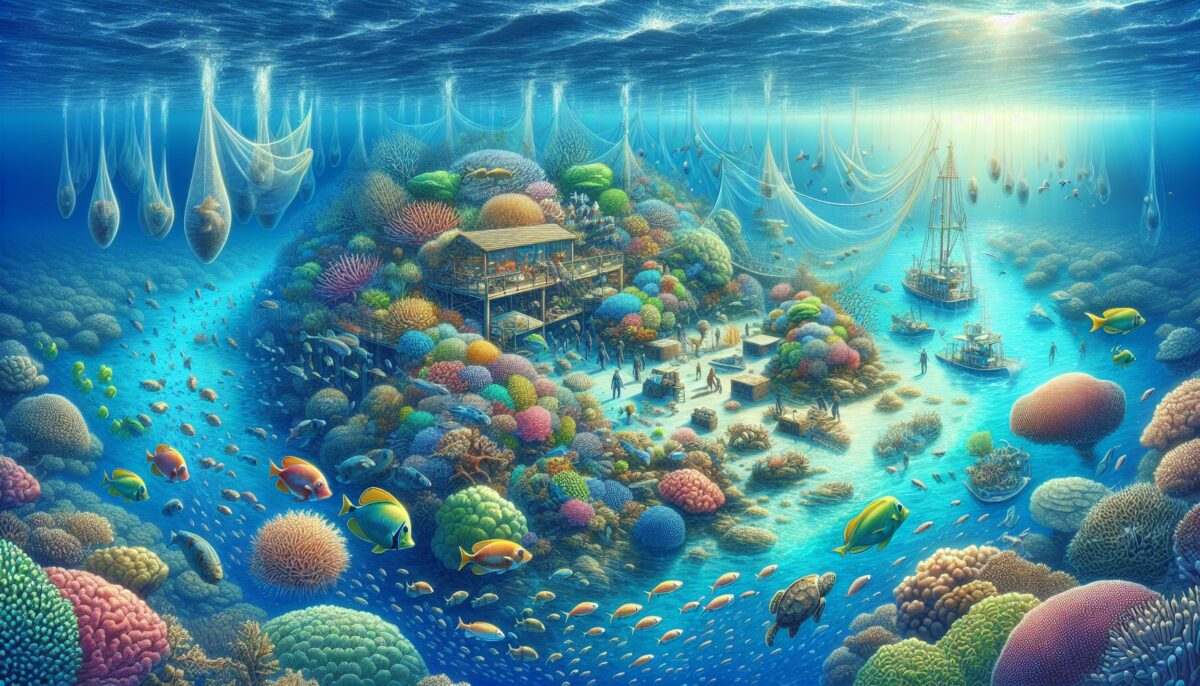
Coral reefs are often referred to as the rainforests of the sea due to their rich biodiversity and the complex habitats they create. Spanning less than 1% of the ocean floor, they are home to approximately 25% of all marine life. This article delves into the ecological importance of coral reefs, the economic value they add to human societies, the threats they face, and the conservation efforts necessary to protect these natural wonders.
Ecological Importance of Coral Reefs
Biodiversity Hotspots
Coral reefs are some of the most diverse ecosystems on the planet, rivaling the variety of life found within tropical rainforests. They provide shelter, food, and breeding grounds for a vast array of organisms, including fish, invertebrates, mammals, and algae.
Nursery Function
Many species of fish and invertebrates spawn within the relative safety of coral reefs. The complex structures offer protection from predators, allowing juvenile species the chance to grow and thrive before venturing out into the open ocean.
Marine Life Balance
Coral reefs play a critical role in maintaining the balance of marine life. They’re integral in the food chain and are necessary for the survival of many marine organisms. Predatory fish rely on the abundance of species living on the reefs as a food source, and the reefs themselves depend on symbiotic relationships, such as the one between corals and zooxanthellae algae, to survive.
Coastal Protection
Reefs act as natural barriers that absorb the energy of waves and storms, protecting coastlines from erosion and reducing the impacts of storm surges and tsunamis. They are the first line of defense for many coastal communities.
Economic Value of Coral Reefs
Fisheries and Aquaculture
Coral reefs are essential to the success of both local and commercial fisheries. They provide a habitat for many species of fish and invertebrates that are significant for commercial and subsistence fishing.
Tourism
In regions such as the Caribbean, the Great Barrier Reef, and Southeast Asia, coral reefs are major tourist attractions. Snorkeling, scuba diving, and other recreational activities centered around reefs contribute billions of dollars to global economies.
Medicinal Potential
Reefs are a potential source of new medicines, with many marine organisms found within them producing unique compounds that are being researched for pharmaceutical applications, including treatments for cancer, arthritis, human bacterial infections, and more.
Coastal Economies
The protection that coral reefs provide to coastlines can significantly reduce the costs associated with coastal damage from storms and flooding. This, in turn, helps to maintain coastal real estate values and reduces the need for costly artificial breakwaters.
Threats to Coral Reefs
Climate Change and Coral Bleaching
One of the most devastating effects of climate change on marine ecosystems is coral bleaching. As ocean temperatures rise, corals expel the symbiotic algae living in their tissues, causing them to turn white. Without these algae, the corals lose a significant source of food and are more susceptible to disease.
Ocean Acidification
The increasing amount of carbon dioxide in the atmosphere is leading to higher levels of carbonic acid in oceans, lowering the pH and resulting in ocean acidification. This makes it difficult for corals to calcify and build their skeletons, weakening reef structures.
Overfishing
Overfishing disrupts the delicate balance of coral reef ecosystems, affecting the diversity and abundance of species. It can also lead to an increase in algae, which can smother corals and hinder their ability to survive and grow.
Destructive Fishing Practices
Fishing methods like blast fishing and the use of cyanide not only kill or damage the target species but also cause immense harm to the coral reefs.
Pollution
Marine pollution from land-based sources, including sewage, agricultural runoff, and marine debris, can choke, smother, or poison coral reefs. Oil spills are particularly damaging because they can suffocate corals and impede photosynthesis.
Unregulated Tourism
While coral reefs attract tourists, the increase in human activity can lead to physical damage to the reefs and local pollution.
Conservation Efforts
Marine Protected Areas
The establishment of marine protected areas (MPAs) is one of the most effective ways to safeguard coral reefs. MPAs limit human activities in designated areas and can significantly improve the health and biodiversity of coral reef ecosystems.
Sustainable Fishing Practices
Supporting sustainable fishing practices helps maintain the balance of reef ecosystems. Techniques such as quotas, gear restrictions, and the protection of nursery grounds are critical for conserving fish populations and, by extension, the reefs themselves.
Reducing Carbon Footprint
Combating climate change by reducing our carbon footprint can help mitigate the effects of global warming and ocean acidification on coral reefs. This includes transitioning to renewable energy and implementing energy-efficient technologies.
Research and Monitoring
Scientific research and regular monitoring of reef health are vital for understanding the impacts of various threats and the effectiveness of conservation strategies. Organizations like the Coral Reef Alliance (CORAL) and the Global Coral Reef Monitoring Network (GCRMN) are at the forefront of such efforts.
Public Education and Awareness
Increasing public awareness about the value of coral reefs and the threats they face is a powerful tool for conservation. Educational campaigns can motivate individuals and communities to advocate for reef-friendly policies and behaviors.
Conclusion
Coral reefs are not just beautiful underwater landscapes; they are essential for the health of our oceans and offer significant ecological and economic benefits. The threats they face from human activity and climate change are substantial, but with concerted global efforts in conservation, sustainable practices, and education, there’s hope for their preservation.
Sources:
- National Oceanic and Atmospheric Administration (NOAA) – Coral Reef Conservation Program: https://coralreef.noaa.gov/
- Coral Reef Alliance (CORAL): https://coral.org/
- United Nations Environment Programme – Global Coral Reef Monitoring Network (GCRMN): https://www.unep-wcmc.org/featured-projects/global-coral-reef-monitoring-network-gcrm
