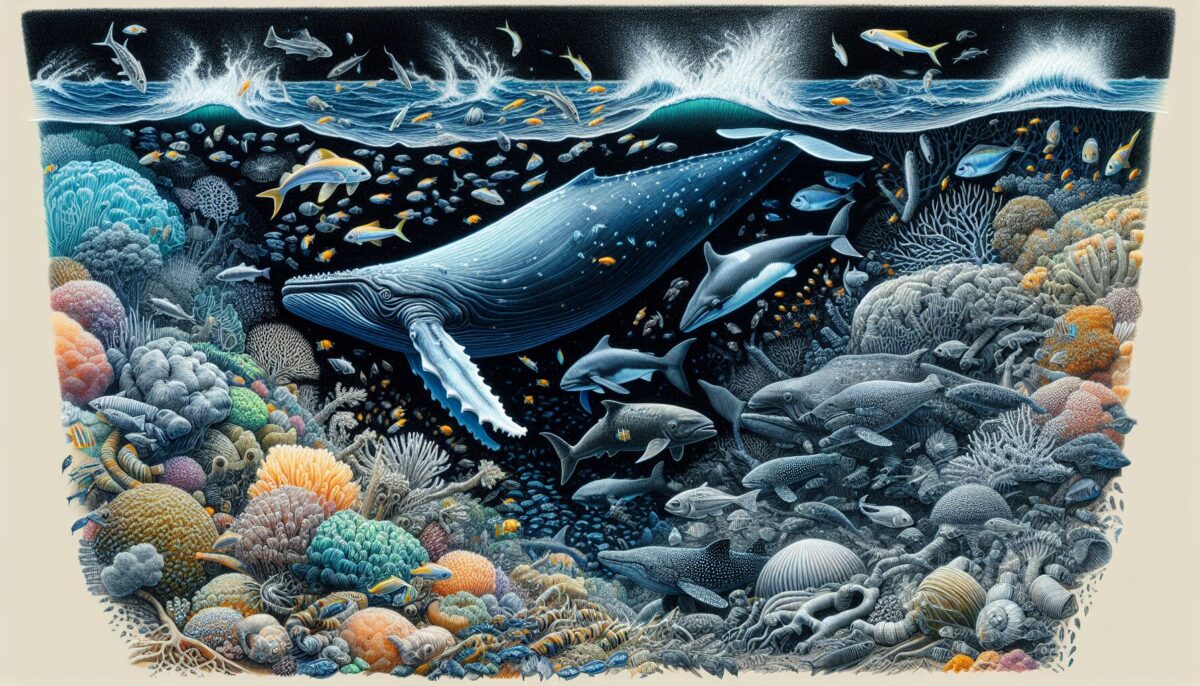
When speaking about the earth, scientists and researchers often underline the importance of land-based ecosystems such as forests and wetlands. Yet, the wealth of life that exists beneath the waves, the marine biodiversity, is frequently overlooked but is as critical to our planet’s health and survival. This article aims to dive deep into the world of marine biodiversity and discover the unsung heroes of our oceans.
What is Marine Biodiversity?
The term biodiversity refers to the variety of life on earth, signifying the manifold of species and genetic variants they embody, and the ecosystems they form. Marine biodiversity indicates this diversity in our seas and oceans, covering a wide array of organisms, habitats, and ecosystems.
According to the World Register of Marine Species[^1^], there are about 240,471 accepted marine species but there are potentially two million to be discovered. These figures validate the degree of variety that exists in the ocean world.
Why is Marine Biodiversity Important?
Sea creatures aren’t just compelling for their exotic imagery. They play a vital role in keeping the oceans healthy. This, in turn, affects the climate of our entire planet.
Marine organisms contribute to many ecosystem services. For instance, seafloor-dwelling creatures break down detritus into nutrients used by others. Some entities store carbon dioxide, while seagrasses and mangroves cut down on coastal erosion. Fish and other marine species provide food and income for billions of people[^2^].
The maintenance of marine biodiversity is crucial to the function of the ocean as a socio-ecological system where human and ocean health is interlinked.
Current Status of Marine Biodiversity
Regrettably, human activity is significantly affecting marine biodiversity. Overfishing, habitat destruction, ocean pollution, and climate change pose serious threats to marine life worldwide.
- Overfishing: Many species of fish are being fished at unsustainable rates putting them at risk of extinction. Shark populations, for instance, have declined by over 70% since the 1970s[^3^]. Concurrently, the overfishing of a particular species can have a cascading effect on the food chain, influencing numerous other marine organisms.
- Habitat Destruction: Activities such as bottom-trawl fishing, coastal development, and the destruction of mangroves are eroding marine habitats. Coral reefs are particularly susceptible to both overfishing and climate change.
- Pollution: Plastic waste, chemical runoff from industry and agriculture, and spills from oil and gas platforms are all contributing to the degradation of the marine environment.
- Climate Change: Rising ocean temperatures and acidification caused by the absorption of excess carbon dioxide is causing widespread coral bleaching events and threatening a range of marine life from polar bears to shellfish.
The image we bear thus far, is a gloomy one. But it’s not all despair.
The Way Forward: Protecting our Marine Biodiversity
There are numerous ways to protect marine biodiversity. The global community has started to recognize the importance of marine conservation and is taking steps to address some of the challenges mentioned above.
Marine Protected Areas (MPAs): MPAs are regions of the ocean where human activities such as fishing are restricted or entirely banned. Within these protected zones, marine ecosystems can recover and replenish. Worldwide, approximately 7.4% of the global ocean lies within MPAs[^4^]. The UN has suggested increasing this to at least 30% by 2030.
Sustainable Fishing: This approach involves changing fishing practices to ensure that they do not lead to overfishing or cause harm to the marine environment. Aquaculture, or fish farming, can also be a sustainable alternative in some cases.
Ocean Clean-up Initiatives: Efforts to reduce the amount of plastic and other wastes in our oceans are important in preserving marine biodiversity. This includes measures to prevent such pollution from entering the seas in the first place.
Climate Action: Reducing global carbon emissions to mitigate climate change is perhaps the most critical action needed to protect marine biodiversity.
Our oceans are a source of life, nourishment, and dynamic beauty. However, they are under immense stress due to human activities. To ensure that our seas continue to teem with life and provide their myriad of benefits, we must take definitive action to protect marine biodiversity.
In truth, the fate of our marine life is intrinsically tied to our own. They are the earth’s final frontier, a vast, mysterious, and largely unexplored realm filled with wonder and magic. A healthy ocean means a healthy planet, which ultimately means a healthy us.
[^1^]: WoRMS (2021). World Register of Marine Species. Available from: http://www.marinespecies.org
[^2^]: The Ocean Foundation (2018). Why Is Biodiversity Important? The Importance of Marine Biodiversity. Available from: https://oceanfdn.org/why-is-biodiversity-important-the-importance-of-marine-biodiversity/
[^3^]: Dulvy, N. K. et al. (2014). Extinction risk and conservation of the world’s sharks and rays. eLIFE, doi: 10.7554/eLife.00590.
[^4^]: United Nations Environment Programme (2020). Protected Planet Report 2020. Available from: https://www.unep-wcmc.org/system/dataset_file_fields/files/000/000/554/original/Protected_Planet_Report_2020.pdf?1607952963
Watch this space for the further dive into the miracles of marine life!
