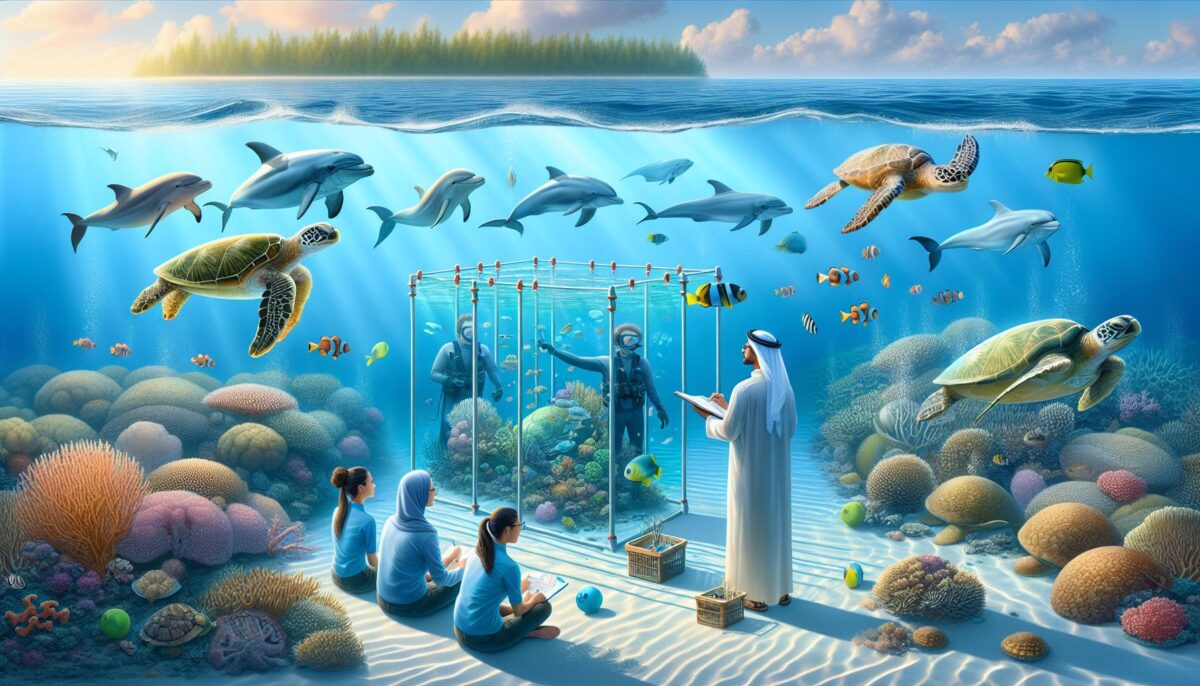
The ocean, that vast and mysterious expanse of saltwater that covers more than 70% of the Earth’s surface, is a powerhouse of life and a wellspring of biodiversity. This immense body of water teems with an amazing variety of organisms and plays a critical role in regulating the planet’s climate. However, due to human activities, the ocean faces unprecedented threats such as overfishing, pollution, and climate change. One effective tool in the battle to preserve the health and balance of our oceans is the establishment of Marine Protected Areas (MPAs). This article delves into the concept of MPAs, their importance, how they function, their benefits, and the challenges they face.
What are Marine Protected Areas (MPAs)?
Marine Protected Areas are defined regions of seas, oceans, estuaries, or large lakes that are set aside for the conservation of the environment, biodiversity, and cultural resources. These protected regions can vary dramatically in purpose, legal restrictions, and protection levels, ranging from full-fledged no-take zones, where all forms of exploitation are prohibited, to those permitting sustainable use of marine resources.
Goals of MPAs
- Conservation of Biodiversity: MPAs aim to preserve the diversity of marine life by offering habitats a respite from human activities such as fishing and mineral extraction.
- Habitat Protection: They safeguard essential habitats such as coral reefs, mangroves, seagrass beds, and kelp forests.
- Sustainable Use: MPAs can promote sustainable fishing practices by creating zones where aquatic life can reproduce and grow without pressure from fishing.
- Scientific Research: Protected areas provide living laboratories for scientists to study marine ecosystems and the effects of protection.
- Cultural Preservation: Many MPAs help preserve areas of cultural and historical significance, such as shipwrecks and sacred indigenous sites.
Importance of MPAs
Enhancing Marine Biodiversity
MPAs are crucial havens for endangered species and offer a buffer against the loss of marine biodiversity. By protecting areas with high biodiversity, MPAs contribute to the resilience of marine ecosystems, allowing them to better withstand stresses such as climate change and overfishing.
Supporting Fisheries
Fish populations around the world have been declining due to overfishing. MPAs can act as fishery replenishment zones, where fish populations are allowed to recover and grow. As fish mature within these protected boundaries, they often migrate to surrounding areas, thus supporting local fisheries. This spillover effect can enhance fish stocks outside the boundaries of the MPA.
Economic Benefits
Marine Protected Areas can also provide economic benefits, particularly by bolstering coastal economies through tourism and recreation. Diving, snorkeling, and eco-tourism can thrive around well-managed and healthy MPAs, providing sustainable sources of income for local communities.
The Functioning of MPAs
To be effective, MPAs require proper planning, which involves scientific research, stakeholder engagement, and sound management. Each MPA has a unique set of management practices that may include:
- Surveillance and enforcement to ensure compliance with regulations.
- Science-based decision-making to manage the area effectively.
- Adaptive management to adjust strategies based on monitoring and research outcomes.
- Community involvement to ensure that local and indigenous people who rely on marine resources for their livelihoods are considered.
The Benefits of MPAs
Research has shown that well-managed MPAs can yield numerous benefits:
Biodiversity Conservation
MPAs, particularly no-take areas, provide essential refuges for marine species, offering them an environment in which they can feed, breed, and grow without the pressures of exploitation.
Fisheries Enhancement
The protection of spawning grounds within MPAs can lead to increased biomass and size of marine organisms, not only benefiting the ecosystems within the MPA but also supporting surrounding fisheries through the dispersal of larvae and adult fish migration.
Resilience to Climate Change
MPAs help protect the marine environment against the devastating effects of climate change, such as ocean acidification and coral bleaching, by reducing the burden of additional human-induced stressors.
Economic Advantages
In addition to the ecological benefits, MPAs provide economic gains from increased fisheries production and tourism. Healthy, vibrant ecosystems can attract tourists, thus supporting local economies and promoting job creation in tourism services.
Educational and Cultural Value
MPAs are valuable sites for education, research, and cultural heritage, providing unique opportunities for learning and preserving historic and culturally significant marine sites.
Challenges Facing MPAs
Even with their many benefits, MPAs face a range of challenges:
Funding and Resources
Adequate funding and resources are required for managing MPAs, including enforcement and scientific monitoring. Without proper funding, the effectiveness of MPAs can be severely compromised.
Compliance and Enforcement
Ensuring compliance with MPA regulations presents a significant challenge. Illegal activities like poaching can undermine conservation efforts and require robust law enforcement and surveillance to combat.
Climate Change
Global climate-related issues, such as ocean acidification and warming waters, know no boundaries and can affect the ecosystems within MPAs, jeopardizing their effectiveness.
Socio-economic Conflicts
Balancing the needs of conservation with those of local communities who depend on marine resources for their livelihoods is often challenging. Engaging with stakeholders to find equitable solutions is crucial for the long-term success of MPAs.
Conclusion
Marine Protected Areas are essential tools in our fight to safeguard the ocean’s health and resources. They offer a sanctuary for marine life, promote biodiversity, support fisheries, and provide opportunities for sustainable economic activities. However, for MPAs to be truly effective, they require thoughtful planning, adequate funding, strong enforcement, and global collaboration.
By understanding and advocating for these vital conservation areas, we can work towards a future where the ocean’s bounty is protected for generations to come, and where humans live in harmony with the rich marine ecosystems that sustain us.
Sources
- “Marine Protected Areas: An Overview.” World Wildlife Fund (WWF). https://www.worldwildlife.org
- “Benefits of Marine Protected Areas.” National Ocean Service, NOAA. https://oceanservice.noaa.gov
- “Marine Protected Areas fact sheet.” United Nations Environment Programme (UNEP). https://www.unep.org
