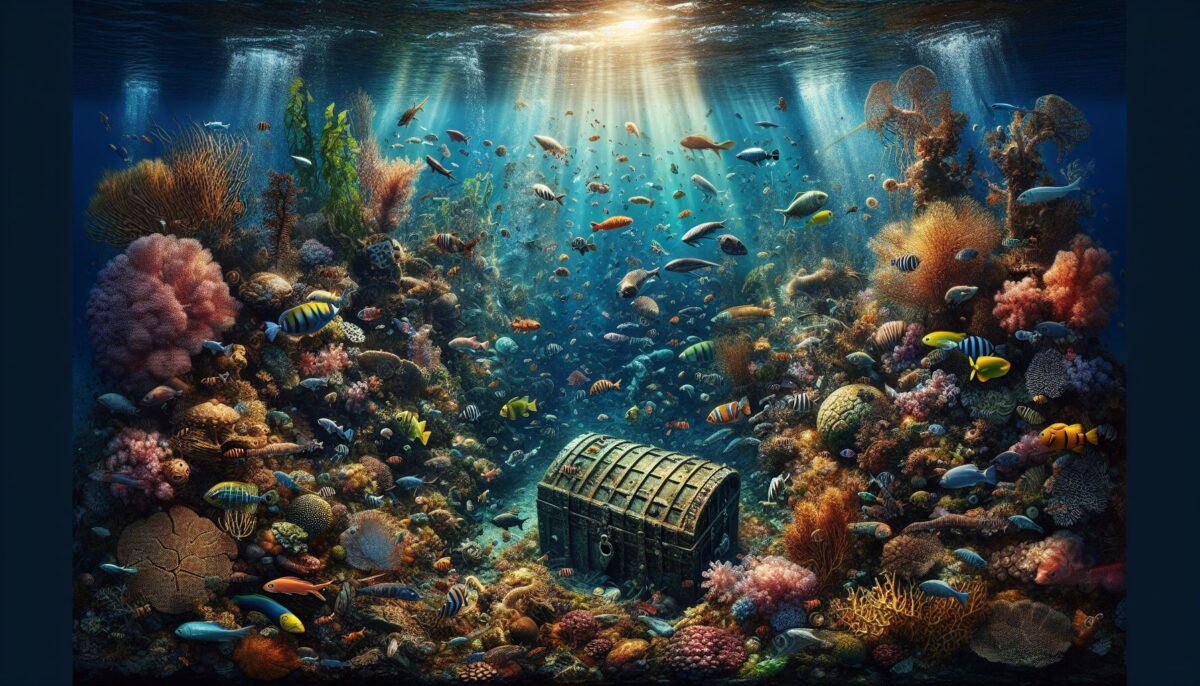
The ocean covers more than 70% of Earth’s surface and is home to a vast array of life forms, playing a pivotal role in our planet’s biodiversity. Marine biodiversity encompasses all species of plants, animals, and microorganisms that inhabit the saltwater realms, from the shallowest coastal waters to the mysterious deep-sea trenches. The importance of understanding and preserving marine biodiversity cannot be overstated, as it contributes significantly to the health of our planet, provides resources for humans, and holds secrets to countless scientific mysteries.
What is Marine Biodiversity?
Marine biodiversity refers to the richness and variety of species and ecosystems in the ocean. It includes the genetic diversity within species, the diversity of species themselves, and the diversity of ecosystems and habitats. Remarkably, the ocean harbors life in every one of its corners, despite varying conditions such as temperature, pressure, and light availability.
Why is Marine Biodiversity Important?
Ecological Balance: Marine organisms play specific roles in ecosystems, contributing to the balance that enables the ocean to be an ideal habitat for life. From the smallest plankton to the largest whales, every creature is vital in maintaining the intricate web of life.
Economic Value: Marine biodiversity is directly linked to the ‘blue economy,’ with fisheries and aquaculture providing food for millions of people worldwide. The ocean is also important for shipping routes, tourism, and potentially holds countless untapped resources that could drive future economies.
Medicinal Discoveries: The unique conditions of the ocean lead to unique life forms, which in turn possess unique chemical compounds. Many of these have led to medical breakthroughs and hold the potential for more life-saving drugs.
Scientific Knowledge: Studying marine biodiversity helps scientists understand life on Earth, including how life began and how it adapts to extreme conditions. This knowledge can also inform us about climate change impacts.
The Rich Tapestry of Life: From Microscopic to Majestic
Microscopic Marvels: Plankton and Algae
At the base of the ocean’s food web are microscopic organisms like phytoplankton and zooplankton, which produce oxygen and support the entire marine food chain. Algae, ranging from microscopic forms to large seaweeds, also play a critical role in coastal ecosystems and are a primary food source for many marine animals.
Coral Reefs: The Rainforests of the Sea
Coral reefs are among the most diverse ecosystems in the world. They provide habitat, food, and breeding grounds for millions of species. Although they cover less than 1% of the ocean floor, they support an estimated 25% of all marine species.
The Deep Sea: Mysterious and Unexplored
The deep sea remains the least explored part of our planet, with new species regularly being discovered. Adaptations such as bioluminescence and special pressure-resistant body structures make the creatures of the deep sea some of the most intriguing to scientists.
Coastal and Pelagic Giants
Marine biodiversity also includes a variety of larger animals, such as fish, sea turtles, birds, marine mammals, and sharks. Pelagic species, which live in the open sea away from the coast, range from tiny sardines to the giant blue whale, the largest animal to have ever existed on Earth.
Threats to Marine Biodiversity
Sadly, marine biodiversity faces numerous threats that stem from human activities. Overfishing is depleting fish stocks faster than they can replenish. Habitat destruction, including damage to crucial breeding grounds like mangroves and seagrasses, is also a major threat.
Climate Change and Acidification
The ocean absorbs a considerable amount of the Earth’s excess heat and CO2, leading to higher water temperatures and ocean acidification. Coral bleaching and the breakdown of symbiotic relationships within ecosystems are just a couple of the catastrophic consequences.
Pollution and Marine Debris
Every year, millions of tons of plastic enter the ocean, harming wildlife and disrupting ecosystems. Other forms of pollution, such as oil spills and agricultural runoff, can be equally devastating, leading to hypoxic zones devoid of life and poison the food chain.
Conservation and Sustainable Use
Marine Protected Areas and Legislation
The establishment of Marine Protected Areas (MPAs) is crucial for conserving biodiversity. MPAs can help to ensure that ecosystems are preserved and can regenerate, leading to healthier fish stocks and more resilient ecosystems.
Sustainable Fishing and Aquaculture
Practices like setting catch limits, protecting breeding seasons, and developing sustainable aquaculture can mitigate the impact of fishing industries on the ocean, maintaining a balance between human need and ecological health.
Engaging the Global Community
Education and outreach are vital in promoting the importance of marine biodiversity and in inspiring change at both individual and policy levels. It is essential for society as a whole to understand the value of the ocean and to take steps to protect it.
Exploring the Depths: The Science of Marine Biodiversity
Oceanography, marine biology, and marine ecology are some of the scientific fields that are instrumental in understanding marine biodiversity. Researchers employ technologies like remotely operated vehicles (ROVs) and autonomous underwater vehicles (AUVs), alongside traditional dive expeditions, to study the ocean.
Advancements in Genomics and Biotechnology
Genomics and metagenomics have revolutionized our understanding of marine biodiversity, allowing scientists to study organisms that are difficult or impossible to observe directly. These technologies enable the identification and analysis of species by their genetic material, unraveling the complex relationships and adaptations found in marine life.
Citizen Science and Public Involvement
Increasingly, the public is encouraged to contribute to scientific research through programs like beach clean-ups, water quality monitoring, or reporting sightings of marine life. This not only provides valuable data but also fosters a deeper connection with the ocean.
The Path Ahead
To ensure a sustainable future, conservation efforts must be enhanced, and sustainable practices must be the norm, rather than the exception. It is a matter of both environmental responsibility and human survival to protect the rich variety of life that the ocean holds. The silent challenges faced beneath the waves require our immediate and undivided attention.
Sources:
1. National Oceanic and Atmospheric Administration (NOAA) – https://www.noaa.gov
2. United Nations Convention on Biological Diversity – https://www.cbd.int/marine/
3. World Wildlife Fund (WWF) – https://www.worldwildlife.org/initiatives/oceans
With the vastness and complexity of marine biodiversity, the importance of the ocean and its treasures cannot be more pronounced. It sustains economies, incubates biodiversity, and quietly maintains the ecological balance of our world. As stewards of this Earth, humans have an obligation to protect and cherish this underwater treasure trove, ensuring that marine biodiversity thrives for generations to come.
