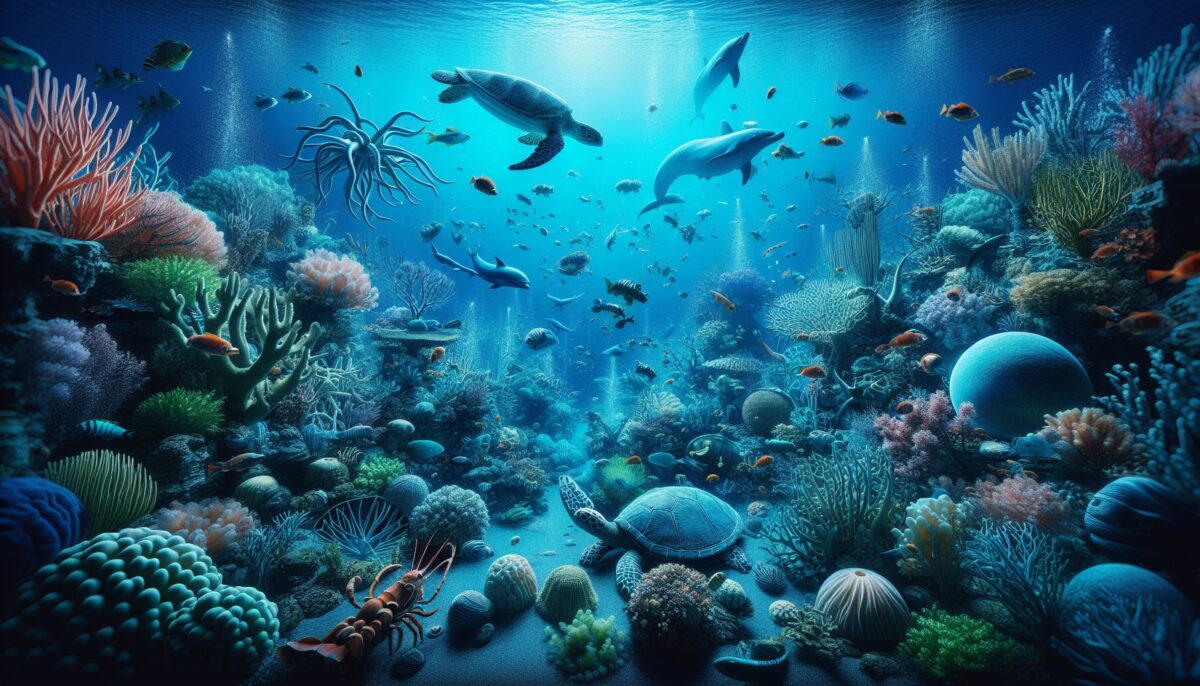
The ocean, a vast and mysterious expanse, covers about 70 percent of our planet’s surface and holds 97 percent of Earth’s water. It is a world teeming with life, a world of extremes, from its serene beaches to the deepest trenches, where light does not penetrate. Marine biodiversity, the variety and richness of life forms that inhabit these waters, is not just a spectacle for divers and marine enthusiasts; it is a critical part of the planet’s life support system. In this article, we will delve into the intricate web of life beneath the waves, the importance of marine biodiversity, the threats it faces, and the efforts to protect it.
The Tapestry of Life in Our Oceans
Marine biodiversity encompasses all levels of life, from the tiniest plankton to the largest whales. This biodiversity ensures the health and resilience of the ocean ecosystem. The variety of life forms work together to balance the ocean’s complex food web and contribute to vital processes, such as oxygen production, carbon sequestration, and nutrient cycling.
Plankton: The Building Blocks
Plankton, both phytoplankton (plant-like) and zooplankton (animal-like), are the foundation of the marine food web. These microscopic organisms, adrift in the ocean’s currents, perform photosynthesis, contributing an estimated 50 percent of the world’s oxygen—more than all the terrestrial plants combined. They are also a primary food source for a multitude of marine species, from small fish to the largest whales.
Coral Reefs: The Rainforests of the Sea
Coral reefs are some of the most diverse ecosystems on earth, commonly referred to as the “rainforests of the sea.” They provide habitat and shelter to around 25 percent of marine species despite occupying less than 1 percent of the ocean floor. Coral reefs support an array of species, including fish, crustaceans, mollusks, sponges, and sea turtles, many of which are not found anywhere else in the world.
The Deep Sea: A Treasure Trove of Biodiversity
Beyond the sunlit waters and coral reefs, the deep sea harbors more mysterious and less understood forms of life. Unique creatures, like bioluminescent fish and invertebrates, have adapted to the crushing pressure, darkness, and cold of the ocean’s depth. Hydrothermal vents, which spew mineral-rich water, support entire communities of life, such as tube worms and crabs, in an environment devoid of sunlight.
The Significance of Marine Biodiversity
Marine biodiversity is not merely an intriguing biological wonder; it has immense economic, ecological, and medicinal significance.
Ecological Importance
The ecological balance of marine ecosystems is crucial for the health of the planet. For example, the ocean regulates the climate by absorbing carbon dioxide and heat. It is estimated that the ocean absorbs about one-third of the carbon dioxide emitted by human activities, reducing the impacts of climate change.
Economic Value
The “blue economy,” which includes fishing, aquaculture, shipping, and tourism, depends on the health and biodiversity of our oceans. Globally, the ocean economy is valued in trillions of dollars and supports millions of jobs. Fisheries and aquaculture alone provide a primary source of protein for billions of people.
Medicinal Potential
The ocean is a reservoir of unique organisms that have the potential to lead to groundbreaking medical advancements. Many marine species produce biochemical compounds for defense, which can be used to develop new medications. Already, marine organisms have contributed to medicines that treat cancer, pain, bacterial infections, and inflammation.
Threats to Marine Biodiversity
Despite its enormity and depth, the ocean is not immune to human-induced threats. Overfishing, habitat destruction, pollution, climate change, and ocean acidification are some of the most pressing issues.
Overfishing and Habitat Destruction
Overfishing has led to the depletion of many fish populations, threatening the balance of the marine food web. Habitat destruction, including damage to coral reefs and mangrove forests, further reduces biodiversity by destroying nurseries for many marine species.
Pollution and Plastic Debris
Marine pollution, from nutrients to plastic debris, wreaks havoc on marine life. Nutrient pollution, mainly from agricultural runoff, leads to dead zones—areas of ocean that lack enough oxygen to support most marine life. Plastic debris, meanwhile, entangles wildlife and is ingested by marine organisms, leading to injury and death.
Climate Change and Ocean Acidification
Climate change and ocean acidification, a result of increased carbon dioxide absorption, threaten marine ecosystems. Rising sea temperatures lead to coral bleaching, a phenomenon that weakens corals by causing them to expel their symbiotic algae. Ocean acidification affects the ability of organisms, such as shellfish and corals, to build their calcium carbonate-based shells and skeletons.
The Necessity of Protecting Marine Biodiversity
Recognizing the critical role that oceans play, efforts are underway globally to conserve and sustainably manage marine biodiversity.
Marine Protected Areas (MPAs)
MPAs are designated regions in oceans where human activity is restricted to protect ecosystems and biodiversity. These protected areas have proven successful in restoring fish stocks and preserving critical habitats.
Sustainable Fishing Practices
Sustainable fishing practices, such as catch limits and protected breeding seasons, are essential to prevent the collapse of fish populations. Traceability and consumer awareness can also aid in promoting sustainable seafood choices.
Combating Pollution
Tackling marine pollution requires global cooperation. Efforts include reducing nutrient runoff through better agricultural practices, improving waste management to prevent plastic pollution, and cleaning up existing debris from oceans and coasts.
Addressing Climate Change
To mitigate the effects of climate change on oceans, it is imperative to reduce greenhouse gas emissions. Protecting carbon sinks, like mangrove forests and seagrass meadows, and harnessing renewable marine energy sources can also contribute to climate change mitigation.
Conclusion
Marine biodiversity is a magnificent feature of our blue planet, one that is essential but also increasingly endangered. It is the collective responsibility of humanity to ensure that the lifeblood of our oceans continues to thrive. The actions needed to protect marine biodiversity are interconnected and require a committed and collaborative approach. Through better management, conservation, and awareness, we can preserve the ocean’s diversity for future generations and maintain its role as part of Earth’s life support system.
Sources
- “Biodiversity.” National Ocean Service, NOAA, oceanservice.noaa.gov/facts/biodiversity.html.
- “Marine Biodiversity.” WWF, World Wildlife Fund, www.worldwildlife.org/initiatives/marine-biodiversity.
- “Oceans.” United Nations, www.un.org/en/our-oceans/oceans.shtml.
We are standing at a pivotal moment where our actions will decide the fate of marine biodiversity. Let us work toward a future where we live in harmony with our magnificent oceans, safeguarding not just the countless species that call it home, but also the future of humanity itself.
