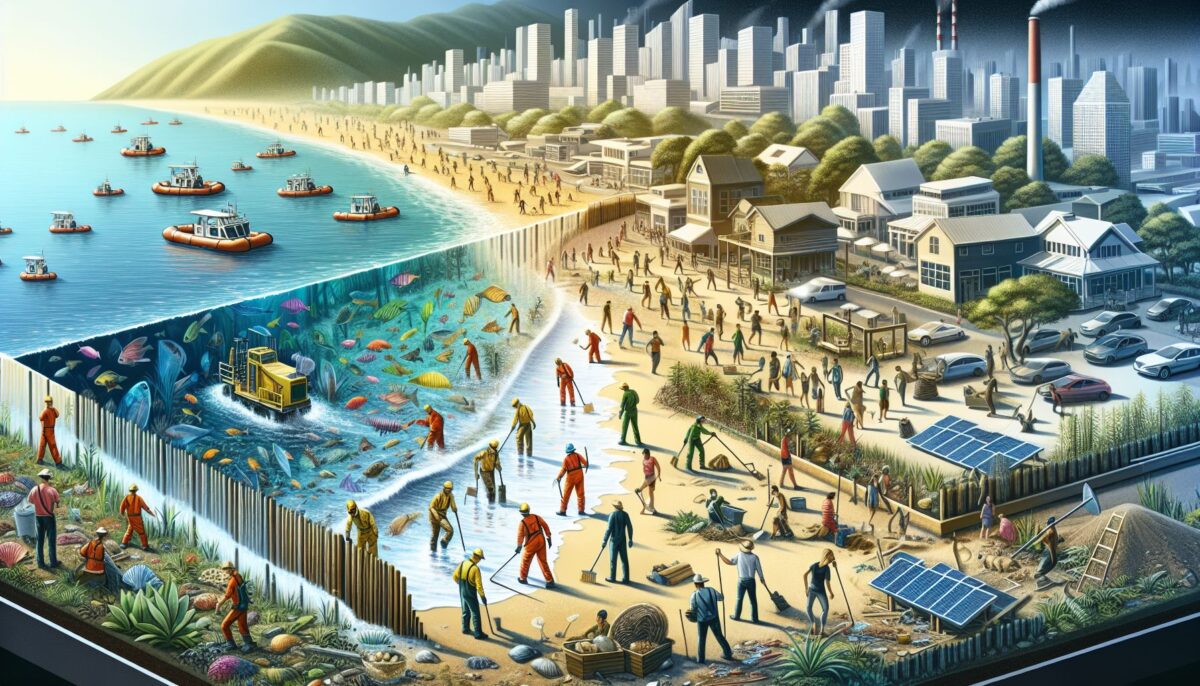
Coastal areas – the dynamic interface between the land and the sea – are among the most engaging and diverse environments on our planet. With their natural beauty and rich biodiversity, coastlines are home to numerous species and attract millions of visitors each year. However, due to various natural and anthropogenic factors, these areas face significant threats. That’s why the role of coastal management in safeguarding these important regions is of paramount importance. In this comprehensive article, we will delve into what coastal management entails, the challenges it aims to address, and the strategies put forth to preserve our coastlines for generations to come.
Understanding Coastal Management
Coastal management refers to a wide range of policies, strategies, and actions designed to deal with the issues affecting coastal zones. It involves the coordination of all stakeholders, including government entities, local communities, and various organizations, to ensure that coastal resources are sustainably used and conserved.
Objectives of Coastal Management
- Conservation of Coastal Ecosystems: To maintain the ecological balance and biodiversity.
- Sustainable Resource Use: To ensure that the exploitation of resources like fisheries and tourism is done without depleting natural assets.
- Adaptation to Climate Change: To enhance the resilience of coastal areas against the impacts of sea level rise, coastal erosion, and extreme weather events.
- Integrated Planning and Development: To harmonize economic development with environmental sustainability.
Challenges in Coastal Management
Before diving deeper into the solutions and strategies of coastal management, it’s crucial to understand the challenges being faced:
- Coastal Erosion: Caused by natural processes and human activities, erosion can lead to the loss of valuable land and ecosystems.
- Pollution: Industrial, agricultural, and urban runoff lead to declining water quality, harming both marine life and human health.
- Overfishing: Unsustainable fishing practices threaten fish populations and marine biodiversity.
- Habitat Destruction: Development projects like seaside resorts often destroy critical habitats like mangroves and dunes.
- Climate Change: Rising sea levels and increased frequency of extreme weather events can devastate coastal communities and ecosystems.
Coastal Management Strategies
Integrated Coastal Zone Management (ICZM)
ICZM is a process that brings together all those involved in the development, management, and use of coastal areas with the goal of optimizing the conservation and sustainable use of coastal resources and space. It recognizes the unique character of the coastal environment and the diversity of activities and interests involved.
Erosion and Sedimentation Control
To manage erosion, strategies may include implementing soft engineering methods like beach nourishment and planting vegetation as well as hard engineering methods such as constructing sea walls and groynes. Sediment management strategies are put in place to ensure that natural sediment movement is not impeded by human activities.
Marine Protected Areas (MPAs)
Establishing MPAs is a crucial strategy in protecting vulnerable ecosystems and allowing marine biodiversity to flourish. They are regions in which human activity is restricted to varying degrees to safeguard the natural environment.
Pollution Prevention and Control
Coastal management initiatives strive to mitigate pollution through the regulation of discharge standards, promotion of eco-friendly farming practices, and improvement of wastewater treatment facilities. Regular monitoring of water quality is also integral to this strategy.
Climate Change Adaptation
Adaptation strategies include the development of buffer zones, coastal setbacks, and promoting ‘living shorelines’ with natural barriers. These approaches prioritize the ability of coastal systems to adjust to climate change impacts without significant economic or ecological damage.
Public Education and Awareness
Educating communities about the importance of protecting coastal zones and how their actions can impact these areas is vital. Awareness campaigns and the integration of coastal management subjects into the educational curriculum are effective ways to foster a culture of stewardship.
Case Studies in Effective Coastal Management
The Netherlands: A Model of Coastal Defense
The Netherlands, much of which lies below sea level, has developed a sophisticated system of coastal defenses including the famous Delta Works – a series of dams, sluices, locks, dikes, and storm surge barriers. This system is a pinnacle in engineering aimed at preventing disastrous floods from the North Sea.
Australian Great Barrier Reef Marine Park
The Great Barrier Reef Marine Park is one of the largest and most well-known MPAs. The park authority implements a zoning plan that allocates specific uses for different zones to balance conservation with sustainable use.
The Mangrove Action Project
Mangroves serve as natural buffers against storm surges and tsunamis. Organizations like the Mangrove Action Project work on replanting and conserving mangrove forests around the world, integrating local communities into conservation efforts.
The Role of Technology in Coastal Management
Modern technology plays a pivotal role in effective coastal management. Geographic Information Systems (GIS), remote sensing, and computer modeling are used for mapping, analysis, and simulating various scenarios of coastal development or natural processes.
The Future of Coastal Management
Moving forward, coastal management must be proactive and anticipatory rather than reactive. The focus should be on resilience and the capacity to adapt to rapid environmental changes. As we continue to experience the effects of climate change, the emphasis on green infrastructure and restoration ecology will become increasingly important.
Conclusion
Coastal management is a complex, interdisciplinary field that requires an understanding of ecology, geography, civil engineering, and socioeconomics, among others. Its significance lies in preventing the degradation of coastal ecosystems, protecting human communities from coastal hazards, and ensuring the sustainability of economic activities that depend on coastal resources.
The challenges are substantial, but with integrated, science-based planning, effective policy implementation, and global cooperation, it is possible to preserve the functionality and beauty of our coastlines.
Sources
- Beatley, T., Brower, D. J., & Schwab, A. K. (2002). An Introduction to Coastal Zone Management. Washington, D.C.: Island Press.
- U.S. Environmental Protection Agency. (2021). What is Integrated Coastal Zone Management? Retrieved from: https://www.epa.gov
- The Nature Conservancy. (2021). Marine Protected Areas. Retrieved from: https://www.nature.org
These sources provide valuable insights into the principles and practices of coastal management, further underlining the importance of this multifaceted approach to protecting our delicate and vital coastlines.
