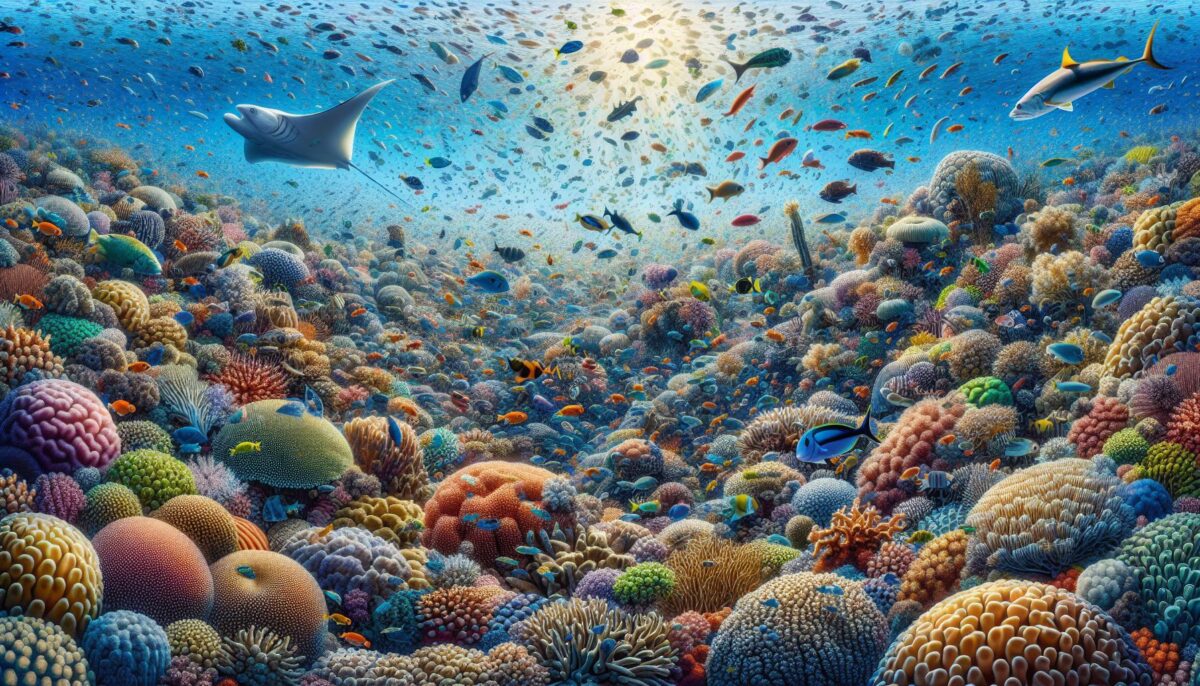
Coral reefs are the rainforests of the ocean. These underwater ecosystems are renowned for their vibrant beauty and richness of marine life. They are intricate and dynamic systems that play a crucial role in the health of our planet. Every year, thousands of tourists flock to coastal destinations to glimpse the kaleidoscope of life that thrives within these reefs. However, the importance of coral reefs extends far beyond just aesthetic value; they are fundamental to the ecological and economic stability of our world.
Understanding Coral Reefs
Coral reefs are formed over thousands of years, primarily by the accumulation and growth of calcium carbonate from living corals. These corals live in a mutualistic relationship with microscopic algae called zooxanthellae, which gives reefs their vibrant colors. This symbiotic relationship is the key to not only the survival of corals but also the entire reef ecosystem.
Biodiversity Hotspots
Coral reefs are some of the most diverse ecosystems on earth. They are home to over a quarter of all marine species, despite occupying less than 1% of the ocean floor. From the tiniest plankton to the largest predators, like sharks, coral reefs host an incredible range of organisms. This extraordinary biodiversity is crucial for the genetic variability of marine species, which enhances resilience to environmental changes.
Ecosystem Services
The ecosystem services provided by coral reefs are immeasurable. They offer vital benefits to the environment, including:
- Food Security: Reefs support fisheries that feed millions of people around the world. They are breeding grounds for many species of fish that are crucial for both commercial and subsistence fishing.
- Coastal Protection: Reefs act as natural barriers that reduce the power of waves during storms, protecting shorelines from erosion and flooding.
- Economic Revenue: Through tourism and fisheries, coral reefs contribute significantly to local and global economies. The recreational activities associated with reefs also promote cultural value and human well-being.
- Medical Contributions: Many compounds discovered in reef organisms have been turned into life-saving medicines, including treatments for cancer, arthritis, and bacterial infections.
Threats to Coral Reefs
Despite their resilience, coral reefs are under severe threat from numerous human-induced factors. Some of the most pressing issues include:
- Climate Change: As ocean temperatures rise, coral bleaching becomes more frequent. When water is too warm, corals expel the algae living in their tissues, causing them to turn white and be at risk of dying.
- Ocean Acidification: Increased CO2 levels lower the ocean’s pH, reducing the capacity of corals to build their calcium carbonate skeletons. This process weakens the structural integrity of reef ecosystems.
- Overfishing: Unsustainable fishing practices can deplete fish populations, disrupt predator-prey dynamics, and damage corals through destructive techniques.
- Pollution: Runoff containing pesticides, sediments, and nutrients can create unfavorable conditions for reefs, leading to disease outbreaks or algal blooms that smother corals.
- Physical Destruction: Human activities such as coastal development, dredging, and irresponsible tourism can physically damage or destroy reef structures.
Conservation Efforts
Recognizing the value of coral reefs, global efforts are underway to protect and conserve these vital ecosystems. These efforts include:
- Marine Protected Areas (MPAs): Establishing MPAs can effectively manage and conserve coral reef ecosystems by restricting certain activities that damage or exploit reef resources.
- Sustainable Fishing Practices: Implementing size and bag limits, seasonal closures, and gear restrictions can help sustain fish populations and the overall health of the reefs.
- Restoration Projects: Techniques like coral gardening and artificial reefs can assist natural recovery processes.
- Research and Monitoring: Continuous scientific research and monitoring of reef health help in making informed decisions and adapting conservation strategies accordingly.
- Public Awareness and Education: Raising awareness about the importance of reefs and educating local communities and visitors about responsible behaviors can significantly reduce human impact.
Moving Forward
The future of coral reefs is dependent on our actions today. With the growing threats of climate change and direct anthropogenic impacts, it is critical that we increase conservation efforts and rethink our interactions with these ecosystems. Beyond government and organizational levels, individuals can contribute by reducing carbon footprints, supporting sustainable seafood practices, and respecting reef environments during recreational activities.
Sources
-
“Coral Reefs.” National Oceanic and Atmospheric Administration (NOAA). https://www.noaa.gov/education/resource-collections/marine-life/coral-reefs
-
“Coral Reef Conservation Program.” National Oceanic and Atmospheric Administration (NOAA). https://coralreef.noaa.gov/
-
“Coral Reefs 101.” National Geographic. https://www.nationalgeographic.com/environment/article/coral-reefs
Coral reefs continue to take center stage in discussions relating to marine biodiversity, climate change, and coastal management. Their importance to ecological integrity and human society is too valuable to overlook. Endowed with the ability to enrich and sustain our oceans, they form natural masterpieces that need active preservation to ensure they endure for generations to come.
