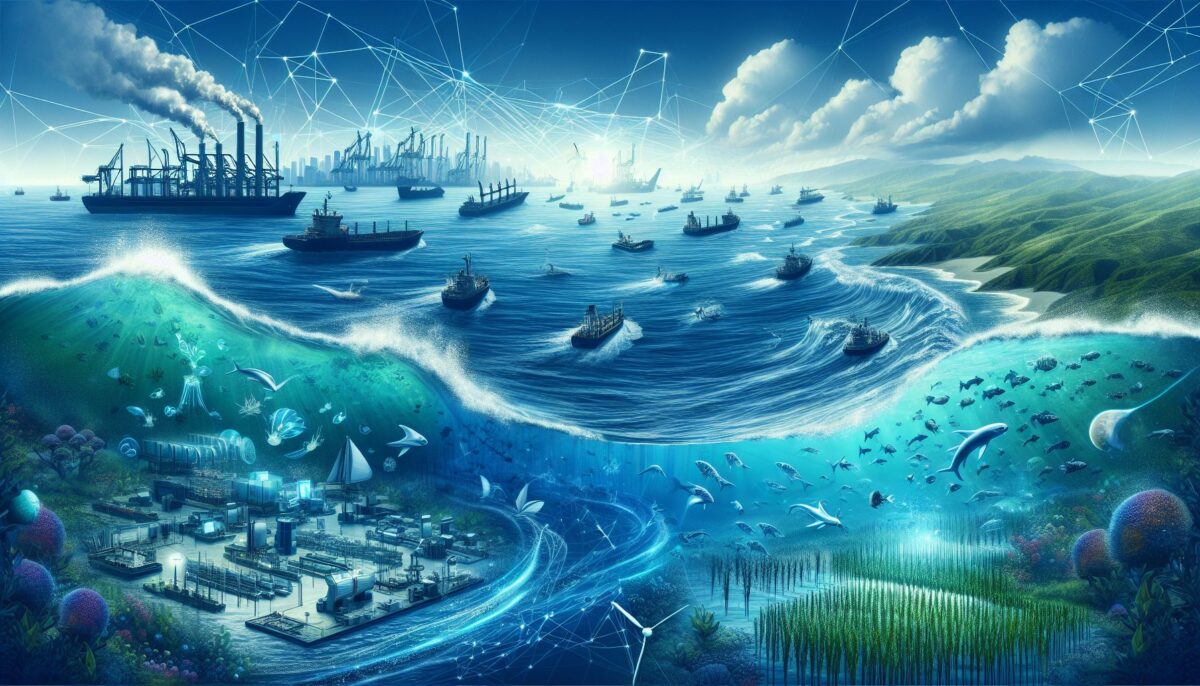
The concept of the “blue economy” has been gaining momentum as a critical factor in promoting sustainability, economic growth, and social inclusion, while simultaneously ensuring the health and productivity of our ocean and coastal environments. The blue economy encompasses a diverse array of sectors, including sustainable fisheries, maritime trade, renewable energy, tourism, and waste management, all aiming to harness the potential of the sea in an ecologically responsible manner.
The Foundations of the Blue Economy
The term “blue economy” was first introduced in 2010 during a conference on the green economy organized by the United Nations. It refers to the sustainable use of ocean resources for economic growth, improved livelihoods, and jobs while preserving the health of ocean ecosystems.
The Importance of Oceans
Oceans cover about 70% of the Earth’s surface and are central to human life. They regulate our climate, supply oxygen through widespread marine algae, provide a substantial portion of our food supply, offer opportunities for transport and trade, act as venues for recreation, and host vast reserves of natural resources.
Economic Contributions of the Ocean
The global ocean economy is valued at over $24 trillion, making it the seventh-largest economy if it were a country. This includes established sectors such as fisheries, shipping, and tourism, as well as emerging industries like offshore wind energy, aquaculture, and seabed extractives.
Key Sectors of the Blue Economy
-
Sustainable Fishing and Aquaculture: These sectors are integral to food security, livelihoods, and gastronomic culture. Proper management is essential to avoid overfishing and ensure that species can reproduce and maintain healthy population levels.
-
Maritime Shipping and Ports: Over 90% of the world’s goods are transported by sea. Efficient and green shipping reduces greenhouse gas emissions and pollution, crucial for a sustainable ocean economy.
-
Renewable Marine Energy: With the burgeoning interest in tidal and wave energy, the blue economy encompasses the potential for generating power through the strength of ocean currents and the consistent movement of tides and waves.
-
Coastal Tourism: Coastal and marine tourism is one of the largest segments of the global tourism industry, incorporating everything from beach vacations to ecotourism and marine wildlife watching.
Ecological Considerations
A core tenet of the blue economy is its pledge to environmental sustainability. This involves addressing challenges such as:
-
Marine Pollution: Single-use plastics, untreated wastewater, and other pollutants create significant threats to marine biodiversity and human health. Initiatives to reduce marine pollution are critical for sustaining ocean ecosystems.
-
Overfishing and Habitat Destruction: Irresponsible fishing practices and habitat destruction for coastal development harm the breeding grounds for marine life, reducing biodiversity and affecting fish stocks.
-
Climate Change Effects: Rising sea levels, ocean acidification, and coral bleaching are direct consequences of climate change, adversely affecting marine life and coastal economies.
-
Oil Spills and Marine Debris: Accidental oil spills and the accumulation of marine debris in our oceans cause severe long-term damage to marine habitats and organisms.
Policy Frameworks and International Cooperation
To implement a blue economy, governments, private sectors, and non-governmental organizations (NGOs) need to develop an integrative policy framework that encourages sustainable practices, international cooperation, and sound governance of ocean resources. Examples include the United Nations Sustainable Development Goal 14 (Life Below Water), and regional efforts like the European Union’s Blue Growth Strategy.
Best Practices in Blue Economy Implementation
-
Marine Spatial Planning (MSP): A method to organize the human activities in marine areas to reduce conflicts and promote sustainable use of marine resources.
-
Marine Protected Areas (MPAs): Designated regions where natural or cultural resources are given legal protection.
-
Fisheries Management: Use of science-based quotas and restrictions to ensure the growth and sustainability of fish stocks.
-
Eco-friendly Tourism: Practices that minimize the impact on the environment and prioritize conservation while also generating economic benefits.
Challenges and Opportunities
While the blue economy presents immense opportunities for growth and sustainability, there are challenges that necessitate careful planning and international collaboration, including equitable resource distribution, adapting to the technology required for renewable energy, and monitoring and enforcement against illegal activities.
Future Outlook
For the blue economy to thrive, there must be a commitment to innovation, cooperation, and conservation. Technology plays a critical role, such as advancements in satellite technology for better monitoring of the seas, and new materials to replace single-use plastics. Education and raising public awareness are also paramount to foster a deeper connection and responsibility towards our ocean environments.
Conclusion
The blue economy holds great promise for contributing to economic prosperity, environmental sustainability, and social well-being. Measures that protect and sustain the health of the ocean will be instrumental in realizing these benefits. The future will depend on how well we balance our economic aspirations with the imperative of maintaining the integrity of marine ecosystems.
To delve deeper into the concept of the blue economy and the intricacies of maritime industries, resources like the World Wildlife Fund’s “Principles for a Sustainable Blue Economy” (1), the UN’s Sustainable Development Goals (2), and the European Commission’s pages on Blue Growth (3) offer extensive information and research.
Sources:
- World Wildlife Fund. (2015). Principles for a Sustainable Blue Economy. https://www.worldwildlife.org/publications/principles-for-a-sustainable-blue-economy
- United Nations. (2021). The Sustainable Development Goals Report 2020. https://unstats.un.org/sdgs/report/2020/
- European Commission. (n.d.). Blue Growth. https://ec.europa.eu/maritimeaffairs/policy/blue_growth_en
