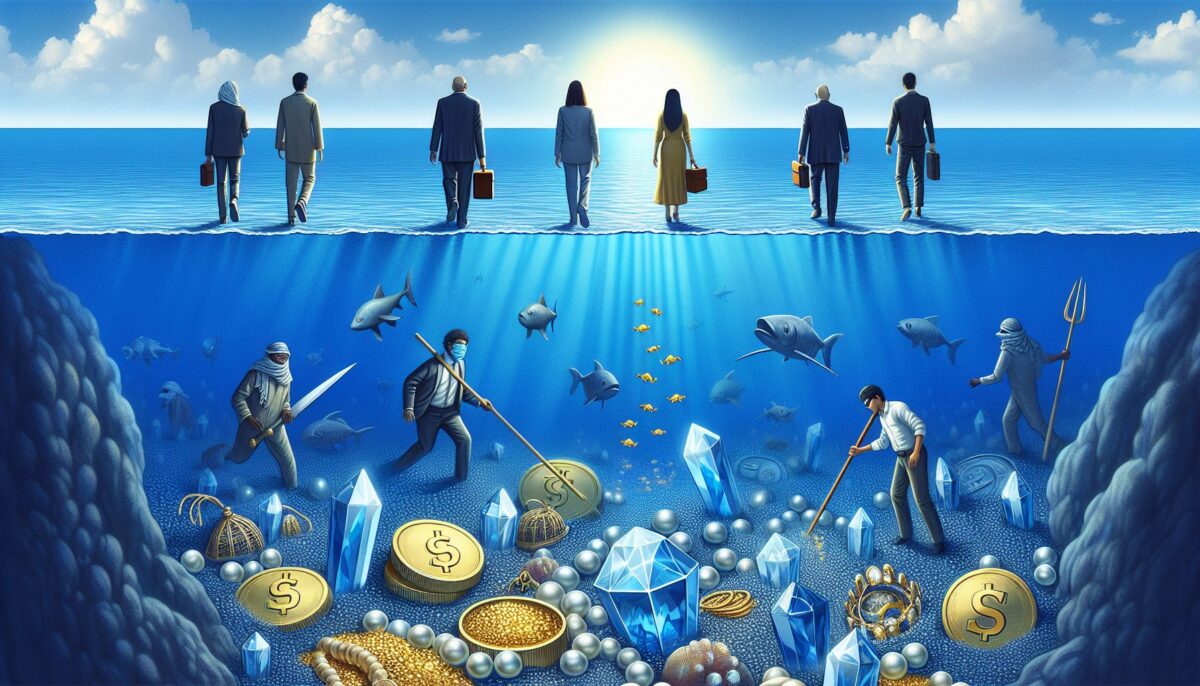
The ocean has always been a source of mystery, inspiration, and sustenance for humanity. It has paved the way for exploration, acted as a highway for commerce, and it has been the cradle of life since time immemorial. One term that has increasingly been making waves in discussions about oceans and seas is the “Blue Economy.” But what exactly is it? Let’s dive into a comprehensive exploration of the Blue Economy, its components, and its significance for the future of our planet and society.
What is the Blue Economy?
The Blue Economy refers to the sustainable use of ocean resources for economic growth, improved livelihoods, and jobs, while preserving the health of ocean ecosystems. It encompasses a vast range of industries, including fisheries, maritime transport, renewable energy, and tourism, to name a few.
Fisheries and Aquaculture
The fishing industry, along with aquaculture, represents a significant portion of the Blue Economy. The United Nations Food and Agriculture Organization (FAO) reports that billions of people globally depend on fish for protein, with fisheries and aquaculture supporting the livelihoods of at least 10-12% of the world’s population. Sustainable practices in these sectors are vital for ensuring food security and preventing the depletion of marine life.
Maritime Transport and Shipping
Maritime transport is another crucial component of the Blue Economy. Over 90% of the world’s trade is carried by sea, highlighting the importance of shipping and ports in the global economy. Advanced navigation, improved safety standards, and green shipping technologies are making this sector more environmentally friendly and efficient.
Renewable Energy
The blue economy also looks toward harnessing ocean resources for renewable energy. Tidal energy and wave energy technologies are under development with the potential to supply a significant amount of clean power. Offshore wind farms have already proven to be a successful and fast-growing segment of renewable energy.
Coastal Tourism
Tourism is a substantial part of the Blue Economy, particularly in coastal regions. Protected beaches, coral reefs, and marine wildlife offer opportunities for recreation and education, driving economic growth in local communities. Sustainable tourism practices are necessary to ensure that the draw of natural beauty does not lead to its demise.
The Environmental Pillar of the Blue Economy
The Blue Economy is inherently linked to the environmental health of the oceans. Initiatives such as marine protected areas, reduction of marine pollution, and efforts to combat ocean acidification and coral bleaching are all part of ensuring a sustainable use of the oceans. Without a healthy marine environment, the economic activities that depend on it cannot thrive.
Marine Protected Areas
Marine Protected Areas (MPAs) are regions of the ocean where human activities are more rigorously managed than the surrounding waters to protect natural or cultural resources. MPAs are a cornerstone for biodiversity conservation, providing safe havens for marine life to thrive.
Combatting Marine Pollution
Marine pollution, including plastic debris, oil spills, and chemical runoffs, poses a significant threat to the marine environment. Efforts to reduce pollution are an essential element of the Blue Economy, aiming to safeguard the oceans’ capacity to support life and economic activities.
Addressing Ocean Acidification
The increasing concentration of atmospheric CO₂ is affecting the chemistry of the ocean, causing ocean acidification, which can harm shellfish, corals, and other calcifying species. Mitigating climate change and reducing CO₂ emissions are vital to protecting the ocean’s pH balance.
Economic Benefits of the Blue Economy
The Blue Economy holds the promise of economic growth and job creation while ensuring that the ocean’s resources are utilized sustainably. It is particularly important for developing nations with extensive coastlines. The World Bank estimates that the Blue Economy could have a combined economic output of $3 trillion per year and support more than 350 million jobs by 2030.
Challenges and Considerations
The transition to a Blue Economy requires overcoming numerous challenges, including governance issues, conflicting uses of marine resources, the need for investment in sustainable practices, and balancing economic benefits with environmental protection. Coastal management policies and international collaboration are critical to addressing these challenges.
Conclusion
The Blue Economy offers an ocean of opportunities for sustainable development, economic growth, and environmental stewardship. It is a multifaceted and interconnected concept that holds the promise of a prosperous future for both humanity and the marine world.
By tapping into the sustainable potential of the seas, we can foster a resilient economy that not only provides for the present but also safeguards the rich marine life for future generations. The real challenge lies in our ability to transform the Blue Economy from an abstract concept into a tangible reality, where conservation and economic progress go hand in hand.
Sources
- United Nations. “The Blue Economy: United Nations Sustainable Development.” Retrieved from: https://www.un.org/sustainabledevelopment/wp-content/uploads/2017/05/Ocean-fact-sheet-package.pdf
- World Bank. “What is the Blue Economy?” Retrieved from: https://www.worldbank.org/en/news/infographic/2017/06/06/blue-economy
- Food and Agriculture Organization of the United Nations. “The State of World Fisheries and Aquaculture.” Retrieved from: http://www.fao.org/state-of-fisheries-aquaculture
