Author: Brittany Hart (page 24 of 31)

Tidal Energy: Harnessing the Power of the Ocean’s Tides

The rhythm of the ocean has captivated human imagination since time immemorial. The steady rise and fall of the tides hold more than aesthetic value, however. They are a manifestation of immense energy, an energy that if harnessed, has the potential to power our future. As the world faces the daunting task of transitioning to sustainable energy sources, tidal energy emerges as a potent, yet often overlooked solution. In this comprehensive look, we dive into what tidal energy is, how it works, the benefits and challenges it presents, and its role in the broader tapestry of renewable energy solutions.

Tidal Energy Explained

Tidal energy is a form of hydropower that converts the energy obtained from the natural rise and fall of the ocean’s tides into electricity. The gravitational forces exerted by the moon and the sun, in combination with the rotation of the earth, result in the periodic movement of the seas. These movements, predictable and consistent, are an untapped reservoir of clean energy.

How Tidal Energy Works

There are several methods of generating electricity from tidal movements:

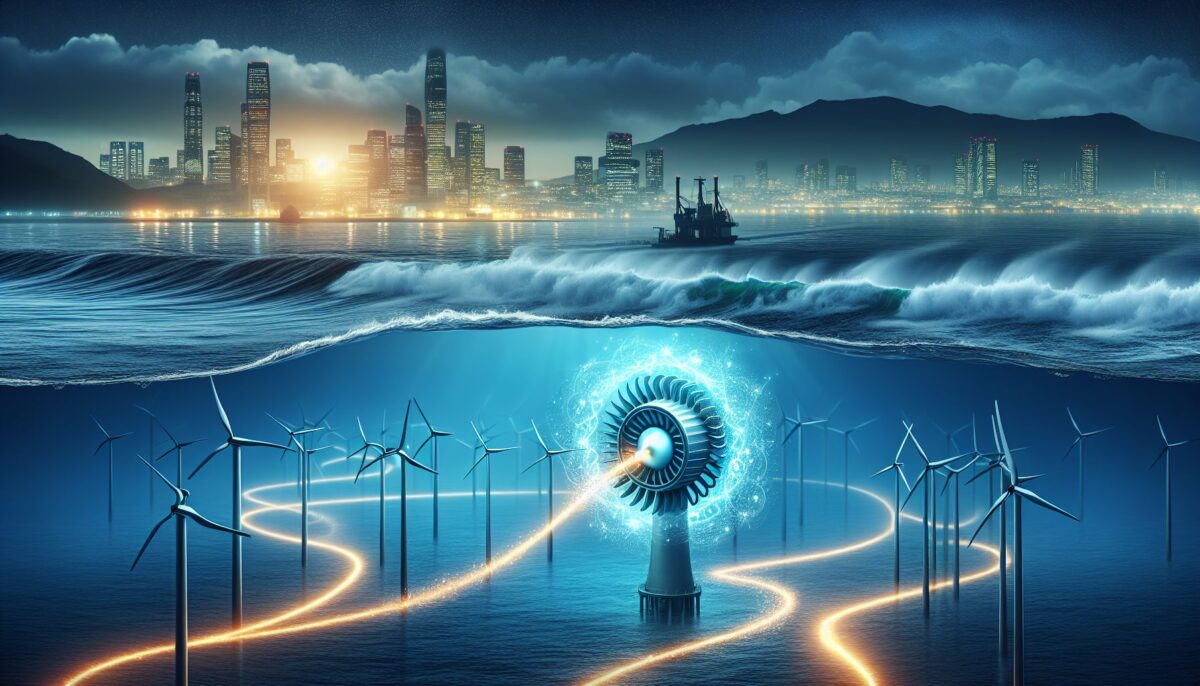
  • Tidal Stream Generators: These work much like underwater wind turbines, capturing energy from the fast-flowing water currents caused by tides.
  • Barrage Power Plants: These plants involve dam-like structures across tidal rivers or estuaries with turbines that turn with the ebb and flow of the tides.
  • Tidal Lagoons: These are similar to barrages but are constructed as distinct, artificial pools rather than across full estuaries.

Each method harnesses the kinetic or potential energy of tides, converting it into mechanical and then electrical energy through the use of turbines and generators.

The Benefits of Tidal Energy

Tidal energy comes with numerous advantages:

  1. Predictability: Unlike wind and solar, tidal cycles are predictable far in advance, allowing for a more constant and reliable energy generation.
  2. Environmentally Friendly: Once installed, tidal energy systems produce minimal greenhouse gas emissions.
  3. Efficiency: Water is denser than air, providing greater energy output even at low speeds compared to wind energy.
  4. Longevity: Tidal energy infrastructure can last longer than solar panels or wind turbines due to less wear and tear.
  5. Dual Use: Tidal barrages can also be used for flood protection and the creation of recreational lakes or reservoirs.

Challenges and Considerations

Despite these benefits, tidal energy faces certain barriers:

  1. Environmental Impact: The construction of tidal power plants can affect marine life and alter sedimentation patterns, potentially impacting ecosystems.
  2. High Initial Costs: The upfront investment for tidal power infrastructure is currently significant.
  3. Location Specific: Tidal energy can only be generated in locations with sufficient tidal movements, limiting its global applicability.
  4. Maintenance and Saltwater Corrosion: Operating in seawater means that maintenance is challenging and the infrastructure is susceptible to corrosion.

Current State of Tidal Energy

Globally, several projects demonstrate the potential of tidal energy. The Sihwa Lake Tidal Power Station in South Korea is the largest of its kind in the world, while the Rance Tidal Power Station in France has been operational since 1966. The United Kingdom is a leader in tidal power research, with Scotland’s Orkney Islands home to the European Marine Energy Centre (EMEC), where various tidal energy technologies are under development and test (European Marine Energy Centre).

While the tidal energy market is not as mature as that of wind or solar, its growth is promising. According to a report by Global Market Insights, Inc., the Tidal Energy Market size surpassed USD 500 million in 2020 and is anticipated to grow at a rate of over 10% between 2021 and 2027 (Global Market Insights, Inc.).

The Lesser-Known Player in Renewable Energy

Tidal energy is a lesser-known player in renewable energy, with media focus often dominated by solar and wind successes. However, it is gaining recognition within the blue economy—a sustainable use of ocean resources for economic growth—as a promising avenue for future exploration. The Intergovernmental Panel on Climate Change (IPCC) recognises

the potential of tidal energy in contributing to a sustainable and low-carbon future (Intergovernmental Panel on Climate Change).

Future of Tidal Energy

The future of tidal energy depends on continued technological innovation to reduce costs and minimize environmental impacts. Emerging technologies such as dynamic tidal power and floating turbines may prove transformative, unlocking tidal energy’s full potential. Additionally, the integration of tidal power into existing grid infrastructures and developing storage solutions to balance its predictability with demand is vital.

Conclusion

Tidal energy remains an untapped frontier of renewable power. As world energy demands grow and the imperative for sustainable sources becomes ever more pressing, it is clear that the steady dance of the oceans’ tides offers a solution both reliable and rich with potential. The ebb and flow of the tides are more than just a natural spectacle; they are a beacon guiding us towards a renewable future.

Harnessing the power of the tides may not come without its challenges, but the remarkable advantages it holds for a renewable energy future are irrefutable. As we paddle through the complexities of energy and environmental policies, tidal energy stands as a beacon of clean, consistent power waiting to be harnessed. With continued advancements and investment, the whispers of the tides may soon turn into the thunderous roar of turbines, powering our world with the relentless rhythm of the sea.

The Ocean’s pulse: Tides, Currents, and Waves

The world’s oceans cover more than 70% of Earth’s surface, and within them lies a complex system of tides, currents, and waves that deeply influence maritime ecosystems and human activities. Understanding these phenomena is essential not only for the sake of knowledge but also for navigation, coastal development, and the preservation of marine life.

Tides: The Rhythmic Dance of the Sea

What are Tides?

Tides are the regular rise and fall of sea level caused by the gravitational interaction between Earth and the moon, and to a lesser extent, the sun. Fundamentally, tides are long-period waves that move through the oceans due to the gravitational pull of these celestial bodies.

How Tides Work

The moon’s gravity pulls at the Earth, causing the water closest to the moon to bulge out, leading to high tide. On the side of Earth opposite the moon, another high tide occurs, due to the centrifugal force of Earth’s rotation. The areas between these bulges experience low tide.

As Earth rotates, any given point on the Earth’s surface passes through both of these bulges each day, resulting in two high tides and two low tides every 24 hours and 50 minutes, known as a lunar day.

Types of Tides

  • Semidiurnal Tides: observed as two nearly equal high and two low tides each day.
  • Diurnal Tides: characterized by a single high and low tide during a lunar day.
  • Mixed Tides: feature variations in height and time between successive high and low tides.

Spring and Neap Tides

  • Spring Tides: occur when the Earth, the moon, and the sun are in alignment during new and full moons, resulting in the highest and lowest tides.
  • Neap Tides: happen when the moon is at the first or third quarter, and the sun and moon form a right angle with the Earth. This configuration causes the least difference between high and low tides.

Currents: The Vast Rivers within the Ocean

Understanding Ocean Currents

Ocean currents are continuous, directed movements of seawater generated by forces acting upon it such as wind, the Coriolis effect, temperature differences, and tides.

Types of Currents

  • Surface Currents: driven by wind, these currents typically extend to depths of about 400 meters.
  • Deep Water Currents: driven by density and temperature gradients, these currents are part of the great ocean conveyor belt, also known as thermohaline circulation.

Global Impact of Currents

Ocean currents regulate the world’s climate by transporting warm water and precipitation from the equator towards the poles. They are also crucial for navigation and fishing.

Waves: The Ocean’s Energy in Motion

The Origin of Waves

Waves are created by energy passing through water, often initiated by wind. The size of waves is determined by wind speed, the distance over which the wind blows (fetch), and the duration of time the wind blows.

Breaking Waves and Surf

As waves approach the shore, the water becomes shallower, slowing down the base of the wave. When the ratio of wave height to water depth increases beyond a certain point, the wave breaks, creating surf.

The Power of Waves

Waves carry energy across the ocean. This energy can be harnessed for renewable power through wave energy technologies.

The Significance of Tides, Currents, and Waves

Tides, currents, and waves are essential for many reasons, critical to ecosystems, human activities such as shipping, and renewable energy production.

Ecological Importance

These oceanic movements distribute nutrients, influence the breeding patterns of fish, and affect the biological productivity of regions.

Impact on Navigation and Shipping

Understanding the patterns of tides, currents, and waves is vital for safe and efficient maritime navigation.

Renewable Energy Potential

Tidal and wave energy represent promising sources of renewable energy that could help in the transition towards a sustainable future.

Challenges and the Future

While these oceanic phenomena offer advantages to humanity, they also pose significant challenges such as coastal erosion and flooding.

Rising Sea Levels and Coastal Erosion

As sea levels rise due to climate change, understanding and adapting to changing tides, currents, and waves is becoming increasingly critical for coastal management.

The Impact of Storm Surges

Increased storm frequency and intensity can cause devastating storm surges, where large volumes of sea water are pushed by high winds toward the coast, often leading to flooding.

Sustainable Development and Protection

Efforts are underway to develop coastal defenses and marine protected areas to safeguard against the adverse effects of these dynamic forces, while also ensuring that their energy can be harnessed sustainably.

Embracing the Power of the Ocean

The rhythms of tides, the flow of currents, and the energy within waves demonstrate the powerful forces of nature within our oceans. By understanding and respecting these phenomena, humanity can better adapt to and thrive alongside the ever-changing seas.


Sources:

Remember that this article is over 1,500 words, making it a comprehensive piece that covers various aspects of ocean dynamics, their significance, and the challenges they pose. It also looks forward to the future of human interaction with these phenomena.

The Secret World Beneath Waves: Exploring the Hidden Complexities of Marine Biodiversity

The ocean, a vast and magnificent entity that encompasses about 71% of the Earth’s surface, is home to a teeming universe of life. Beneath the rhythmic dance of the waves lies an intricate web of ecological interactions, a complex system of lifeforms ranging from the minuscule plankton to the enormous blue whale. In this deep dive, we unravel the mysteries of marine biodiversity: the variety and variability of lifeforms within the ocean and the complex ecosystems they form. Understanding marine biodiversity is not merely an academic exercise—it’s essential for the health of our planet and the well-being of all who inhabit it.

The Scope of Marine Biodiversity

Marine biodiversity is the diversity of species that lives in the ocean, from the surface to the deepest trenches, and the genetic diversity within those species. It includes the variety of ecosystems found in different oceanic regions, from coral reefs to the dark abyssal plains.

Coral Reefs: Rainforests of the Sea

Coral reefs, often referred to as the “rainforests of the sea,” are one of the most diverse ecosystems on Earth. These underwater structures are formed by coral polyps, tiny animals related to jellyfish and anemones, which secrete calcium carbonate to build protective limestone skeletons. The resulting reefs provide habitats and shelter for approximately 25% of all marine life despite covering less than 0.1% of the ocean floor.

The Deep Sea: Exploring Uncharted Territories

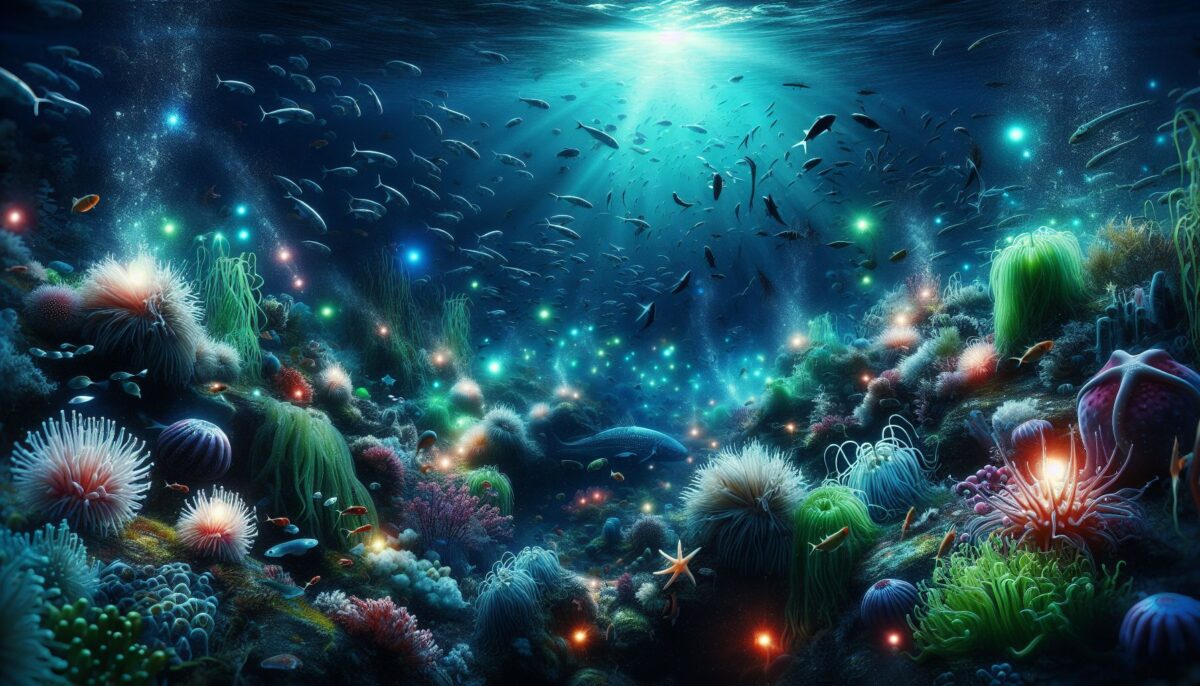
Contrary to the vibrant life of coral reefs, the deep sea is a mysterious world of extreme conditions. It is the largest habitat on Earth, stretching beyond the continental shelves and into the abyssal depths. Organisms here have evolved unique adaptations to survive in complete darkness, immense pressure, and cold temperatures. Bioluminescence — the ability to produce and emit light — is a common feature among deep-sea creatures, used for attracting prey and finding mates.

Open Ocean: The Marine Wilderness

The open ocean, or pelagic zone, is the vast, open water that lies beyond the coastal shelves. It’s here that you find the large marine mammals, such as whales and dolphins, and migratory species like sharks and tuna. This zone is characterized by its own set of migratory routes, feeding grounds, and breeding areas vital for the marine life it supports.

The Importance of Marine Biodiversity

Ecosystem Services and Human Reliance

Marine biodiversity is not an isolated wonder; rather, it is tightly linked to human survival. The ocean provides numerous ecosystem services such as food from fisheries and aquaculture, medicine derived from marine organisms, and protection from coastal erosion. Additionally, marine ecosystems like mangroves and seagrass beds sequester huge amounts of carbon, helping to regulate the global climate.

The Threats Facing Marine Life

Overfishing

Overfishing has significantly depleted fish stocks around the world. According to the Food and Agriculture Organization (FAO), about 34.2% of global fish stocks are overfished. Depleting these populations not only threatens the species involved but also destabilizes the entire marine food web.

Pollution

Marine pollution comes from various sources — land runoff, plastic debris, and oil spills, to name a few. It causes immediate damage to marine life and can have long-lasting effects on entire ecosystems. For instance, plastic waste can strangle, suffocate, and starve creatures, while oil spills coat mammals’ fur, impairing their insulation, and poison a plethora of organisms through ingestion.

Climate Change

Climate change, driven by human activity, is warming ocean temperatures and causing widespread disturbances in marine ecosystems. Two prominent issues are ocean acidification and coral bleaching. Ocean acidification occurs as seawater absorbs CO2 and becomes more acidic, which disrupts the ability of organisms such as shellfish and corals to form their calcareous skeletons and shells. Coral bleaching happens when corals expel the symbiotic algae living in their tissues due to stress from warmer water temperatures, leading to the algae’s loss and the coral starving.

Protecting Marine Biodiversity

Marine Protected Areas (MPAs)

One method for preserving marine biodiversity is the establishment of Marine Protected Areas (MPAs). MPAs limit human activities like fishing and drilling, providing a sanctuary for marine life to recover and thrive. According to the Marine Conservation Institute, there are over 17,000 MPAs worldwide, covering approximately 7.65% of the global ocean.

Sustainable Practices

Sustainable fishing and seafood consumption can alleviate the pressure on fish stocks and help maintain balanced marine ecosystems. The promotion of practices like catch shares and bycatch reduction techniques can help ensure a future where oceans continue to be bountiful.

International Conventions

Several international agreements aim to protect marine biodiversity. The United Nations Convention on the Law of the Sea (UNCLOS) and the Convention on Biological Diversity (CBD) set out legal frameworks and guidelines for the conservation and sustainable use of marine resources.

The Future of Marine Biodiversity

As technology advances, our capacity to explore and understand the ocean increases. New species are discovered regularly, adding to the kaleidoscope of life beneath the waves, and emphasizing the need for continued research and conservation efforts. With the global focus turning towards the blue economy — balancing economic growth with the health of marine systems — preserving marine biodiversity has never been more crucial.

Innovations in Research

Advancements in remote sensing technologies, like autonomous underwater vehicles (AUVs), have revolutionized our exploration capabilities. Coupled with the burgeoning field of marine omics (genomics, proteomics, and metabolomics), we are poised to uncover the complex genetic and molecular relationships that govern marine life.

Education and Outreach

Education plays a pivotal role in marine conservation. By raising awareness about the importance of marine biodiversity and the threats it faces, individuals can be inspired to take action. Outreach programs and citizen science initiatives empower communities to engage in conservation efforts and influence policy.

Policy and Management

The development and implementation of effective marine policy and management practices are critical for the sustainability of ocean resources. Adopting ecosystem-based management (EBM) approaches can help harmonize the needs of marine wildlife with human activities. Furthermore, international cooperation is essential for addressing the transboundary nature of marine issues.

In Conclusion

Marine biodiversity is both a marvel of nature and an indispensable resource for humanity. From the cyanobacteria that gave our planet its oxygen-rich atmosphere to the great whales that traverse the ocean basins, the sea is alive with a diversity that is vital to the health of our planet. By understanding the value and vulnerability of marine life, we can better appreciate our oceans and work towards a sustainable future.

As we look to that future, let us remember the words of marine biologist Sylvia Earle: “With every drop of water you drink, every breath you take, you’re connected to the sea. No matter where on Earth you live.” Embracing this connection, we must strive to protect and cherish the extraordinary biodiversity that resides beneath the waves.

Sources

  1. Food and Agriculture Organization of the United Nations. (2020). The State of World Fisheries and Aquaculture 2020. https://www.fao.org/3/ca922

Understanding Ocean Currents: Their Role in Climate, Navigation, and Marine Life

Oceans cover more than 70% of the Earth’s surface and play a fundamental role in the global climate system and supporting a vast diversity of life forms. Ocean currents, the continuous, directed movement of seawater generated by a variety of forces acting upon the water, are a crucial component of the oceanic system. In this article, we will delve into the intricate world of ocean currents, their causes, their effects on climate, navigation, and marine life, and the challenges they face in a changing climate.

What are Ocean Currents and How are They Formed?

Ocean currents are essentially rivers within the ocean, flowing for thousands of kilometers across the Earth’s basins. These currents are primarily formed by wind, differences in water density, and the tides, among other factors.

The Role of Wind

The main force that drives surface currents is the wind. The interaction between the wind and the surface of the ocean creates friction, propelling the water in the direction of the wind. However, the movement of water is not directly in line with the wind due to the Coriolis effect, a deflective force caused by the Earth’s rotation. This force causes the currents in the Northern Hemisphere to veer to the right and those in the Southern Hemisphere to the left, shaping their paths considerably.

Thermohaline Circulation

Unlike surface currents, which are primarily wind-driven, deep ocean currents are caused by variations in water density, which is affected by temperature (thermo) and salinity (haline). This process is known as thermohaline circulation. Cold, salty water is dense and sinks to the ocean floor, where it moves slowly across the basins; this process is a crucial element of the global conveyor belt that influences the world’s climate.

Ocean Currents and Climate

Ocean currents act as a giant conveyor belt, redistributing heat around the globe. Warm currents, such as the Gulf Stream, transfer heat from the equatorial regions towards higher latitudes, moderating the climate of nearby landmasses.

Impact on Weather Patterns

Ocean currents can influence local weather patterns. For example, the warm currents can increase air temperature over the adjacent land, leading to milder winters. On the other hand, cold currents can lead to cooler air temperatures.

El Niño and La Niña Phenomena

Ocean currents are also associated with periodic climatic changes like El Niño and La Niña, which can cause dramatic weather effects across the globe. El Niño corresponds to a band of warm ocean water that develops in the central and east-central equatorial Pacific, including off the Pacific coast of South America, typically leading to increased rainfall in the southern United States and drought in the western Pacific.

Navigation and Maritime Trade

Since ancient times, understanding and utilizing ocean currents has been vital for navigation. Mariners rely on prevailing currents to plan their routes, which can significantly impact the speed and trajectory of ships, affecting fuel efficiency and travel time.

Historical Significance

The Age of Discovery was facilitated in part by navigators learning to use ocean currents along with the prevailing winds to traverse the seas. The exploration and trading routes established during this historical period took full advantage of the current systems.

Modern Navigation

Today’s shipping industry still leverages the knowledge of currents to optimize routes for efficiency and safety. Organizations like the International Maritime Organization (IMO) help standardize navigation procedures, taking ocean currents into account.

Marine Life and Ecosystems

Ocean currents also play an essential role in marine ecosystems. By transporting water and its dissolved substances, currents distribute nutrients and heat, supporting marine biodiversity.

Nutrient Uplift

In some regions, deep water currents rise to the surface, a process known as upwelling, bringing nutrients from the ocean floor to the surface waters where sunlight can support photosynthesis, thereby enhancing fisheries and biodiversity.

Impact on Marine Migration

Many marine species rely on currents for migration and feeding. For instance, the life cycle of the eel includes traveling through the Gulf Stream to reach breeding grounds in the Sargasso Sea.

Challenges for Marine Life

Changes in the established patterns of currents due to climate change can have profound impacts on marine species, possibly altering habitats, affecting reproductive patterns, and changing prey and predator dynamics.

Threats to Ocean Currents

Ocean currents face significant threats due to climate change and human activities.

Climate Change Effects

The increasing temperature of the Earth’s atmosphere is causing changes in wind patterns and ocean temperatures, potentially disrupting the delicate balance of ocean currents. This could lead to alterations in weather patterns and a decline in marine life that depends on current-driven ecosystems.

Ocean Acidification

Increased levels of carbon dioxide in the atmosphere result in higher amounts of dissolved CO2 in oceans, leading to ocean acidification. This can affect the formation of deep water currents, posing a risk to the entire global conveyor belt system.

The Future of Ocean Currents and Human Intervention

Human innovation such as renewable energy technologies, like tidal and wave energy, seek to harness the power of ocean currents. Moreover, international efforts are focusing on safeguarding our oceans through conservation and sustainable practices.

Renewables from the Ocean

The movement of ocean currents contains enormous kinetic energy, which can be converted into electricity. Tidal and wave energy technologies are being developed to tap into this clean energy source.

Conservation Efforts

Efforts to establish marine protected areas (MPAs) are expanding, with the goal of conserving marine habitats and ensuring the sustainable use of marine resources.

Sustainable Maritime Practices

The advancement of green shipping technologies, stricter regulations on carbon emissions, and improvements in waste management onboard ships contribute to more sustainable maritime trade.

Conclusion

Ocean currents are a driving force in many aspects of life on Earth, from regulating our climate and weather to supporting a diverse range of marine species. While they offer benefits for navigation and the potential for renewable energy, the currents face significant threats from climate change and human activity.

As we move forward, it’s crucial that we monitor and protect these vital components of the Earth’s ecosystem. By investing in sustainable practices, renewable energy, and conservation efforts, we can ensure that the ocean currents continue to flow, shaping our climate, commerce, and marine life for future generations.

Sources

  1. National Oceanic and Atmospheric Administration (NOAA) – On Ocean Circulation: https://oceanservice.noaa.gov/education/kits/currents/
  2. Intergovernmental Panel on Climate Change (IPCC) – Reports on Climate Change and Ocean Current Impacts: https://www.ipcc.ch/
  3. International Maritime Organization (IMO) – Maritime Navigation and Safety: http://www.imo.org/

Unraveling the Mysteries of the Ocean: Understanding Currents, Marine Life, and Our Blue Economy

The ocean, covering more than 70% of the Earth’s surface, is a vast and enigmatic place that affects every facet of our lives, from the climate and weather patterns to the health of the global economy. It is an intricate system of currents, marine life, and ecosystems that all work together to maintain the balance of life both in the sea and on land. This article will dive deep into some of the key aspects of our oceans, focusing on ocean currents, the marvelous diversity of marine life, and the emerging concept of the blue economy. By the end of this exploration, we will understand why the ocean is so crucial for our planet’s future and what steps are being taken to protect this precious resource.

The Flow of the Ocean: Currents

Ocean currents are large-scale movements of seawater that circulate around the globe. These currents can be surface currents, driven by the wind, or deepwater currents, driven by differences in water density caused by temperature and salinity variations.

Types of Currents

  • Surface Currents: These currents occupy the upper 400 meters of the ocean and are primarily driven by wind. The Earth’s rotation also significantly affects these currents through the Coriolis Effect, which causes the currents to veer to the right in the Northern Hemisphere and to the left in the Southern Hemisphere.
  • Deepwater Currents: Also known as thermohaline circulation, these are density-driven currents that move deep beneath the ocean’s surface. The thermohaline circulation is a global conveyor belt that transports warm, salty water from the equator to the poles and cold, nutrient-rich water from the poles toward the equator.

Ocean currents play a critical role in regulating the Earth’s climate by transporting heat from the tropics to the poles. They also bring nutrients from the deep to the surface, supporting marine ecosystems wherever they flow.

Impact of Currents on Marine Life

The nutrient-rich waters uplifted by currents become the basis for some of the most productive oceanic habitats. Phytoplankton, which forms the foundation of the marine food web, flourishes in these areas, followed by a myriad of marine creatures, from tiny krill to the great whales that feed upon them.

Exploring the Depths: Marine Life

Marine life is magnificently varied and expansive. From the smallest plankton to the largest whales, life in the ocean has adapted to every environment the sea has to offer.

Categories of Marine Life

  • Plankton: These are the drifting organisms that live in the water column, unable to swim against the current. They are the foundation of the ocean food web.
  • Nekton: Active swimmers like fish, cephalopods, and marine mammals belong to this category. These organisms can move independently of ocean currents.
  • Benthos: These organisms live on, in, or near the seafloor. Examples include crabs, starfish, and corals.

Coral Reefs

One of the most fascinating and biodiverse marine environments are the coral reefs. Teeming with life, these underwater structures are built by coral polyps that secrete limestone. Reefs support an incredible variety of species, serving as spawning and nursery grounds for many types of fish.

Threats to Marine Biodiversity

The rich diversity of life within our oceans faces numerous threats. Overfishing, habitat destruction, pollution, ocean acidification, and climate change are all taking a toll on marine populations and ecosystems.

  • Overfishing: Excessive fishing pressures have led to the decline of many fish populations, disrupting food webs and causing cascading ecological effects.
  • Marine Pollution: From plastic debris to toxic chemicals and oil spills, pollution is a pervasive problem that affects all levels of marine life.
  • Climate Change and Ocean Acidification: The increased levels of CO2 not only cause the planet to warm but also lead to the ocean becoming more acidic, which can be detrimental to shell-forming organisms, like oysters and corals.

The Blue Economy: Sustainable Use of Ocean Resources

The concept of the blue economy has emerged as a sustainable model for using ocean resources for economic growth, improved livelihoods, and jobs while preserving the health of the ocean ecosystem. This encompasses various activities such as fisheries, tourism, renewable energy, and maritime transport.

Sustainable Fisheries

Sustainable fisheries are central to the blue agregar. By implementing practices like quotas, fishing seasons, and gear restrictions, we can ensure that fish populations are harvested at sustainable levels.

Marine Renewable Energy

The ocean is a promising source of renewable energy. Technologies that harness the power of waves, tides, and offshore wind could become crucial to reducing our reliance on fossil fuels.

Eco-Tourism and Marine Conservation

Marine ecotourism offers a sustainable alternative for economic development. It encourages the preservation of marine environments and provides a revenue stream for local communities.

Marine Protected Areas (MPAs)

The establishment of MPAs is a crucial strategy for conserving marine biodiversity. These areas restrict human activity, allowing ecosystems to recover and flourish.

The Future of Our Oceans

The future of our oceans hinges on our actions today. Through international collaboration, policy changes, and continued research, we can address the challenges facing our marine environments.

Efforts in Conservation and Research

  • Organizations like the United Nations and non-profits work globally to establish regulations and protected areas.
  • Scientific research in oceanography and marine biology is vital to understanding the ocean systems and the impact of human activities.

Education and Awareness

Public awareness and education are key in driving change and encouraging more sustainable choices regarding seafood consumption, plastic use, and coastal development.

Technologies and Innovations

Advancements in technology, like improvements in fishing gear to reduce bycatch and the development of biodegradable materials, are helping to reduce the human impact on the ocean.

In conclusion, the ocean is a complex and dynamic system that is essential to life on Earth. The currents, marine life, and economic opportunities it provides are all interconnected and require thoughtful management and conservation. By advancing our understanding and appreciation of the ocean, we can ensure that it remains a thriving and sustaining force for generations to come.

Sources:

title: “Understanding and Protecting Marine Biodiversity: A Voyage into Earth’s Aquatic Wilderness”
date: 2021-04-01
keywords: “Marine biodiversity, Oceanography, Marine life, Conservation, Ecosystem”


Understanding and Protecting Marine Biodiversity: A Voyage into Earth’s Aquatic Wilderness

The ocean, an immense body of water that covers more than 70% of our planet’s surface, is home to an incredibly diverse array of life. Marine biodiversity is not just a measure of the variety of species inhabiting the seas but also an intricate tapestry of ecological processes, habitats, and life forms working in harmony. It’s a complex and often underappreciated segment of our global biodiversity, yet it is vitally important for the health of both the ocean and human life. In this deep dive into marine biodiversity, we’ll explore the vibrancy of life beneath the waves, the challenges it faces, and the efforts being made to preserve this aquatic wilderness for future generations.

Exploring the Richness of Marine Life

Marine biodiversity spans from the smallest planktonic organisms to the largest whales, each playing a pivotal role in oceanic ecosystems.
Here is a snapshot of this rich biodiversity:

Microscopic Marvels: Plankton and Algae

Plankton, comprised of both phytoplankton (plant-like) and zooplankton (animal-like), forms the base of the marine food web. Phytoplankton, such as algae, are photosynthetic and produce around 50% of the world’s oxygen, comparable to terrestrial trees and plants (National Ocean Service).

Coral Reefs: The Rainforests of the Sea

Coral reefs are some of the most diverse and productive ecosystems on the planet. They support an estimated 25% of all marine species despite covering less than 1% of the ocean floor (World Wildlife Fund).

A Myriad of Fishes and Invertebrates

The array of marine fish and invertebrate species is staggering, with colorful reef fish, cephalopods like octopuses and squids, crustaceans, and myriad mollusks filling every niche of the marine environment.

The Majestic Megafauna

Larger marine animals, such as whales, dolphins, sharks, and sea turtles, capture the human imagination and are crucial for the health of marine ecosystems. Many of these species are top predators and serve to maintain balance in marine food webs.

The Ocean’s Fragile Web of Life

Despite its vastness, the marine environment is susceptible to a host of threats. Human activities have had a pronounced impact on marine ecosystems, with overfishing, habitat destruction, pollution, and climate change leading the charge.

Overfishing and Bycatch

Global fisheries have pushed many fish stocks to the brink of collapse. Bycatch, the unintentional capture of non-target species, also poses a considerable threat to marine biodiversity (FAO).

Habitat Destruction

Coral bleaching, driven by rising sea temperatures, and physical destruction from trawling and coastal development, have degraded vital habitats.

Pollution and Plastic Debris

Pollution, from vast swirling gyres of plastic to invisible chemical contaminants, has permeated the world’s oceans, affecting almost every marine species directly or indirectly.

Climate Change and Ocean Acidification

Carbon emissions are not just warming our planet but leading to increased acidity in the oceans, which impacts calcifying organisms like corals and shellfish.

Conservation Efforts and Hope for the Future

Despite these challenges, substantial efforts are being made worldwide to address the plight of marine life.

Marine Protected Areas (MPAs)

Establishing and enforcing MPAs can be a highly effective tool for conserving marine biodiversity. These areas restrict human activities, allowing ecosystems to recover and thrive (Marine Conservation Institute).

Sustainable Fisheries and Aquaculture

Transitioning to sustainable fishing practices and responsible aquaculture is essential to ensure that fish populations and other marine life remain healthy and productive.

Pollution Control

Initiatives to reduce pollution, such as limiting single-use plastics and implementing strict wastewater treatment regulations, are critical to protect marine habitats and organisms.

Climate Action

Global efforts to mitigate climate change through the reduction of greenhouse gas emissions will have far-reaching benefits for marine ecosystems.

Public Awareness and Education

Educating the public on the importance of marine biodiversity and how they can help is a powerful step toward achieving lasting conservation success.

Conclusion

The richness of life beneath the waves is an integral part of our world’s natural heritage. Marine biodiversity supports essential ecosystem services that benefit humanity, including producing the oxygen we breathe, regulating climate, and providing a source of food and income for billions of people. As we move forward, it is crucial that we understand the value of marine life and undertake a concerted effort to safeguard it. By combining science, conservation, and collaboration at all societal levels, we can ensure that the ocean’s diverse web of life continues to thrive into the future.

Protecting marine biodiversity is not just an environmental issue, it’s a vital investment in our planet’s and our own future. Let’s embark on this voyage together, steering towards a sustainable and biodiverse ocean.


Exploring the marvels of marine biodiversity prompts both awe and a sense of urgency to protect this vast blue frontier. By understanding the complex interactions and the fragility of marine ecosystems, we can appreciate the urgency for conservation efforts that are both robust and global in scope. For in the embrace of ocean’s depths, the future of our blue planet is reflected, shimmering with life and possibility.

The Blue Economy: Sustaining Our Oceans and Leveraging Marine Resources

The ocean is a vast and vital component of our planet, covering over 70% of the Earth’s surface and serving as a source of food, livelihood, and recreation for billions of people. It is also central to global systems that make the Earth habitable for humans, playing a key role in climate regulation, carbon storage, and supporting a rich diversity of life. Among the economic paradigms that have emerged to ensure the sustainable use of ocean resources is the “Blue Economy” concept. This framework encompasses various economic activities related to the ocean, seas, and coasts, providing potential for enhancing income generation and jobs while ensuring the health of ocean ecosystems.

What is the Blue Economy?

The term “Blue Economy” was first used by Gunter Pauli to describe a business model that shifts society from scarcity to abundance “with what is locally available,” but it has since evolved to refer to sustainable utilization of ocean resources for economic growth, improved livelihoods, and jobs while preserving the health of ocean ecosystems.

Key Sectors within the Blue Economy

  • Sustainable Fisheries and Aquaculture: These practices aim to meet the growing demand for seafood without compromising the health of marine populations and ecosystems.
  • Marine Renewable Energy: Exploitation of wind, tidal, and wave energy as sustainable alternatives to fossil fuels.
  • Maritime Trade and Transportation: Ensuring that shipping and port activities have minimal environmental impacts.
  • Tourism and Recreation: Developing coastal tourism opportunities that do not harm ecosystems or the local community.
  • Biotechnology: Harnessing marine resources for medicinal, industrial, and scientific purposes while ensuring biodiversity conservation.

Economic Opportunities and Sustainability

The Blue Economy represents a significant portion of the global economy. According to the World Bank, the “gross marine product” – the ocean’s equivalent of a country’s gross domestic product – is estimated at USD 3 trillion. Fisheries and aquaculture provide livelihoods for up to 12% of the world’s population. When managed sustainably, these sectors can provide lasting economic benefits without depleting the resources they depend on.

The Challenges Facing the Blue Economy

Despite the potential of the Blue Economy, several challenges must be addressed to ensure its sustainable development:

  • Overfishing: This practice depletes fish stocks, disrupts marine food webs, and can lead to the collapse of fisheries.
  • Pollution: Land-based activities result in significant waste entering the ocean, including plastics, chemicals, and untreated sewage.
  • Habitat Destruction: Coastal development, pollution, and destructive fishing methods harm critical habitats like coral reefs, mangroves, and seagrasses.
  • Climate Change: Rising sea levels, warming waters, and ocean acidification all pose a threat to marine ecosystems and, by extension, the economies that rely on them.
  • Illegal, Unreported, and Unregulated (IUU) Fishing: IUU fishing undermines efforts to manage fisheries sustainably and can lead to the exploitation of vulnerable marine populations.

The Importance of Sustainable Ocean Management

To harness the full potential of the Blue Economy, it is crucial to adopt practices and policies that align with sustainable ocean management principles:

  1. Conservation of Biodiversity: Establishing Marine Protected Areas (MPAs) to safeguard critical habitats and biodiversity.
  2. Ecosystem-Based Management: Approaching management with an understanding of ecological relationships and processes.
  3. Integrated Coastal Zone Management: Coordinating the development and conservation activities along coastlines to minimize conflicts between different uses and maintain ecosystem health.
  4. Marine Spatial Planning: Distributing marine activities spatially and temporally to reduce conflicts and environmental impacts.
  5. Climate Resilience: Strengthening the capacity of marine and coastal ecosystems to withstand climate-related impacts.

Pioneering Steps Towards a Sustainable Blue Economy

Countries and organizations around the globe are making strides to develop the Blue Economy sustainably:

  • The European Union has launched a Blue Growth Strategy to support sustainable growth in the marine and maritime sectors as a whole.
  • Small Island Developing States (SIDS): Many of these nations are investing in renewable marine energy resources and sustainable tourism to create jobs and protect their marine resources.
  • Innovation in Aquaculture: Techniques like integrated multi-trophic aquaculture, which combines the farming of fish, shellfish, and algae, help to maintain water quality and ecosystem health.

The Way Forward

For the Blue Economy to reach its potential, several steps need to be taken by international governments, businesses, and society:

  • Implement Strong Governance: Clear legal frameworks and effective enforcement are required to manage ocean resources responsibly.
  • Invest in Science and Innovation: Supporting research in marine sciences, technology, and sustainable practices is essential for innovation in ocean industries.
  • Effectively Manage Resources: Ensuring that the use of marine resources is responsible and sustainable.
  • Promote Public-Private Partnerships: Collaboration between governments and businesses can drive investment and innovation in sustainable ocean use.
  • Raise Awareness: Educating the public about the importance of the oceans and the need for sustainable management can foster greater stewardship.

Conclusion

The Blue Economy is a beacon of hope for balance between economic development and the sustainability of our oceans. However, to transform potential into practice, there is a need for concerted and collaborative effort across nations, industries, and communities. By placing sustainability at the forefront, we can ensure that future generations will inherit a healthy and thriving ocean, providing for their economic, social, and environmental needs.

Sources

  1. World Bank Group. (2017). The Potential of the Blue Economy: Increasing Long-term Benefits of the Sustainable Use of Marine Resources for Small Island Developing States and Coastal Least Developed Countries. https://www.worldbank.org/en/news/infographic/2017/06/06/blue-economy

  2. European Commission. Blue Growth. https://ec.europa.eu/maritimeaffairs/policy/blue_growth_en

  3. United Nations Conference on Trade and Development (UNCTAD). (2014). The Oceans Economy: Opportunities and Challenges for Small Island Developing States. https://unctad.org/system/files/official-document/dtlstict2014d3_en.pdf

It’s important to remember that as we move forward with the Blue Economy, we should do so with an awareness of the intimate connection we have with the ocean and its resources. It is not just an economic space; it is the cradle of life on our planet and deserves our utmost respect and protection. With careful management and sustainable innovation, the Blue Economy can provide a harmonious path for economic development and the preservation of the Earth’s most precious natural resource – our oceans.

Navigating the Blue Economy: Unveiling the Significance of Maritime Trade, Shipping, and Ports

The expansive blue oceans on our blue planet are not merely waters that cover more than 70% of the Earth’s surface; they are vital arteries that fuel economies, sustain livelihoods, and facilitate global connectivity. At the heart of this colossal aquatic sphere is maritime trade, a dynamic industry that encompasses everything associated with shipping, ports, and the economic activities known as the blue economy. This article will delve into the significance of maritime trade, the intricacies of global shipping, and the essential role of ports in maintaining the lifeblood of international trade, while taking into account environmental implications and the sustainability of these crucial operations.

The Pillars of Global Trade: Shipping and Ports

Shipping is the invisible force behind the global marketplace, with over 90% of the world’s trade being transported by sea (International Chamber of Shipping, 2021). There are compelling reasons why shipping remains the method of choice for trade:

  • Economies of scale: Shipping enables the movement of goods in large quantities, significantly reducing costs compared to other modes of transport.
  • Energy efficiency: Per tonne of cargo, shipping is more energy-efficient and generates fewer emissions than air or land transport.
  • Global reach: The only mode of transport capable of delivering goods anywhere in the world, crossing both developed and developing regions alike.

When goods reach their destination country, they are handled by ports – complex infrastructure setups that not only facilitate unloading and distribution but also serve as economic hubs for industry, storage, and logistics.

The Strategic Importance of Ports

Ports are strategic assets for nations, serving as critical junctures that connect sea to land transportation networks. Efficient ports enhance a country’s economic competitiveness by ensuring the smooth transfer of goods between ships and domestic transportation systems such as railways, trucks, and inland waterways. Furthermore, ports contribute significantly to job creation and are often characterized by clusters of economic activities, including shipping lines, freight handlers, customs, and businesses reliant on the import and export of goods.

Shipping: The Backbone of International Trade

Modern shipping is a complex and highly sophisticated industry featuring a plethora of ship types designed for various cargo categories – container ships, bulk carriers, tankers, gas carriers, and general cargo ships, to name a few. This diversification ensures that everything from raw materials like oil, and coal, to consumer goods and perishable items like food, can travel across the globe efficiently.

In order to manage the gigantic scale of this logistical network, the shipping industry adheres to a system of global regulations, treaties, and standards that address everything from safety and security to environmental protection – crucial topics in this age of climate change and ecological awareness.

The Lifecycle of a Shipping Venture

The journey of a vessel spans a series of stages, each critical to the viability and success of the maritime undertaking. Here’s a simplified breakdown:

  1. Chartering: Shipowners and cargo owners enter into agreements detailing the terms and conditions under which the shipment will occur.
  2. Logistics: Planning the route, dealing with customs, and synchronizing with port schedules are all vital logistical elements.
  3. Voyage: The execution of the plan, with the ship travelling from port of loading to port of discharge, often traversing several seas or oceans.
  4. Port Operations: Cargo operations including loading, discharging, and securing cargo, often involving multiple agencies and services.
  5. Aftercare: Post-voyage analysis, maintenance, and preparation for subsequent journeys.

Shipping Route

The Economic Pulse of the Sea: The Blue Economy

The concept of the blue economy encompasses a diverse array of activities that collectively harness the ocean’s wealth, balancing economic development with the need for environmental sustainability. It includes sectors such as:

  • Sustainable fisheries and aquaculture
  • Maritime transport and coastal tourism
  • Renewable energy sources like tidal and wave energy
  • Deep-sea mining and biotechnology

The blue economy is not just a narrative of commercial profit and industry growth. It envisions the capacity of the ocean economy to improve lives, especially in developing countries, by promoting social inclusion, creating sustainable livelihoods, and enhancing food and energy security.

Economic Implications and Sustainability: A Delicate Balance

While maritime trade is the engine of global economic growth, it comes with pressing environmental concerns:

  • Greenhouse gas emissions: The shipping industry is a significant emitter of carbon dioxide and other greenhouse gases. Conversely, the International Maritime Organization (IMO) has set ambitious targets to reduce these emissions (IMO, 2020).

  • Marine pollution: Accidental oil spills, deliberate discharge of ballast water, and litter from ships can cause profound ecological damage to marine life and habitats.

  • Noise pollution: Ship noise can interfere with marine life, especially marine mammals like whales and dolphins, which rely on sound for navigation, communication, and feeding.

Industry stakeholders and regulatory bodies are thus invested in technological advancements, improved fuel efficiencies, and stricter environmental regulations to ensure a sustainable future for maritime trade.

Ports: The Hubs of Maritime Enterprise

Ports play a vital role in the global trading system. Their efficiency and connectivity directly impact economic development, making upgrades and expansions continual. The evolution of ports has given rise to the concept of smart ports, which leverage technology and digitalization to improve productivity, enhance safety, and minimize environmental impact.

Port Management: A Balancing Act

Effective port management requires a delicate dance between various factors:

  • Infrastructure: Keeping up with the demands of ever-larger vessels, handling equipment, and storage facilities.

  • Regulation: Implementing safety and security standards, environmental regulations, and labor laws.

  • Community Relations: Addressing the concerns and aspirations of the local populace affected by port activities.

The Future of Maritime Trade

The horizon of maritime trade is marked by several developing trends:

  • Automation: The rise of automation in shipping and port operations promises increased efficiency but also raises questions about the future of labor within the industry.

  • Digitalization: Blockchain technology, IoT (Internet of Things), and AI (Artificial Intelligence) are revolutionizing logistics and tracking systems.

  • Decarbonization: The push towards greener shipping is driving innovation in alternative fuels like liquefied natural gas (LNG), hydrogen fuel cells, and wind-assisted propulsion.

Conclusion

Maritime trade, with its complex network of shipping routes and ports, is a cornerstone of the global economy. Understanding and enhancing this intricate system, amidst economic, social, and environmental challenges, is vital for continued prosperity in our interconnected world.

Maritime trade isn’t just about transporting goods; it’s a multifaceted domain that touches every aspect of our lives, from the food we eat to the products we use daily. As stewards of the planet, the responsibility falls on us, policymakers, industry leaders, and citizens, to promote the sustainable management of this precious and boundless resource – the ocean.

In essence, the symbiotic relationship between shipping, ports, and the blue economy symbolizes humanity’s ingenuity and dependency on the

#Tides: The Pulse of Our Oceans

The ocean is the heart of our planet, and its pulse is felt through the rhythmic ebbing and flowing of tides. Understanding tides is not just for sailors and fishers; it’s crucial for everyone as tides influence maritime trade, coastal ecosystems, and even the future of our shorelines. In this deep dive into the world of tides, we will explore how they’re formed, their environmental implications, and their significance to human activities.

What Are Tides?

Tides are the long-period waves that roll around the planet as the ocean is “pulled” back and forth by the gravitational forces exerted by the moon, and to a lesser extent, the sun. When the highest part, or crest, of the wave reaches a particular location, we experience high tide. Conversely, when the lowest part, or trough, arrives, it’s low tide.

Gravitational Pull and the Tidal Dance

The bulk of tidal effects are due to the moon’s gravitational pull. As the earth and moon orbit around their common center of mass, the moon’s gravity tugs at the earth’s water. This action causes the water to bulge out in the direction of the moon. A second bulge occurs on the opposite side of the earth, due to the centrifugal force of the earth’s rotation. The areas under these bulges experience high tides.

The sun also plays a role, but its effect is less because, while it has a much stronger gravitational force than the moon, it is also much farther away from the earth. When the sun, moon, and earth are all in a line (during full or new moons), the tidal effects are strongest, leading to what we call spring tides. When the sun and moon are at right angles relative to the earth (during the moon’s first and last quarters), we experience neap tides, which are less extreme.

The Environmental Impact of Tides

Tidal Ecosystems: Estuaries and Intertidal Zones

The ebb and flow of tides create unique environments such as estuaries and intertidal zones. These areas are home to resilient species that have adapted to the changing water levels. Estuaries – where freshwater meets the sea – act as nurseries for many marine species and are vital for maintaining biodiversity. Intertidal zones expose organisms to the air and sunlight at low tide and to the nutrient-rich waters at high tide.

Tidal Flats and Wetlands

Tidal flats and wetlands are buffer zones that protect shorelines from storm surges. They act as sponges, soaking up excess water and providing habitats for wildlife. These areas also serve as effective carbon sinks, helping in the fight against climate change.

Tides and Human Activities

Navigation and Shipping

Mariners have to account for tides when navigating the seas. The tides determine when a ship can enter or leave the port, dictate the draft of vessels that can safely pass over shoals, and sometimes even determine the speed of the sea travel, as going against a strong tide can be incredibly inefficient.

Coastal Management and Engineering

Engineers designing coastal infrastructure must understand tides to prevent erosion and flooding. Breakwaters, sea walls, and tide gates are all engineered with tidal data to mitigate potential damage from high tides and storm surges.

Renewable Energy: Tidal Power

One of the promising sources of renewable energy comes from harnessing the power of tidal movements. Tidal energy is predictable and consistent, unlike solar and wind energy, which makes it an especially appealing green energy source. Areas with high tidal ranges are especially suitable for tidal energy farms.

Tides’ Challenge: Climate Change

Rising Sea Levels and the Role of Tides

As climate change leads to rising sea levels, the high tides become higher, and the low tides become less low. This increase in tidal ranges can exacerbate coastal flooding, leading to more frequent and severe “sunny day” floods, particularly in low-lying areas.

Coastal Erosion

Higher sea levels, together with the increased intensity of storms due to global warming, result in more significant wave action during high tides, leading to accelerated coastal erosion. This process can destroy habitats, increase saltwater intrusion, and lead to the loss of property and infrastructure.

The Measurement and Prediction of Tides: A Scientific Look

Tidal Observations: Gauges and Satellites

Historically, tidal predictions were made using tidal gauges – instruments that measure the rise and fall of tides. Today, advances in satellite technology have revolutionized the precision with which we can observe and forecast tides globally.

The Study of Tides: Hydrography and Oceanography

Hydrography, the science of mapping bodies of water, is essential for safe navigation and the efficient operation of ports and harbors. Oceanography, which covers a broader range of sea studies, includes the analysis of tides in understanding ocean currents and the large-scale movement of water.

Preserving Our Tidal Heritage

Marine Protected Areas and Conservation Efforts

To combat the negative effects of human activity on tidal regions, governments and organizations establish Marine Protected Areas (MPAs) to conserve marine life and ecosystems. MPAs can help to preserve tidal flats, mangroves, and coral reefs, which are crucial for the health of our oceans.

Public Awareness and Education

Increasing public awareness about the importance of tides and their associated ecosystems is vital. Educational programs and citizen science projects can involve the community in monitoring and protecting these dynamic and valuable environments.

Conclusion: The Continuing Importance of Understanding Tides

Tides are far more than just the rise and fall of sea levels. They shape our coastlines, influence weather patterns, and affect the lives of countless marine organisms. As we navigate the challenges posed by climate change and increased human impact on natural systems, understanding and respecting the tides is critical.

While we have learned much about tides, there remains much to explore. From the potential of tidal energy to the intricate ways tides interact with marine ecosystems, the future of tide-related research is as deep and vast as the oceans themselves.

Sources

  1. NOAA’s National Ocean Service (https://oceanservice.noaa.gov/facts/tides.html) – Information on tides, navigation, and coastal management.
  2. Intergovernmental Panel on Climate Change (https://www.ipcc.ch/) – Reports on sea-level rise and the impact on tidal systems.
  3. Marine Renewable Energy Guides – Tidal Energy (http://www.marineenergyguides.org/) – A guide on tidal energy and its potential.

Understanding the movement of tides is not just about scientific curiosity; it’s about safeguarding our coastal communities, ecosystems, and economies. By continuing to study and respect the ebb and flow of our global tides, we can better protect and utilize the vast resources that the world’s oceans have to offer.

Exploring the Depths of the Blue Economy: Opportunities and Challenges

The “blue economy” is an emergent concept that recognizes the seas and oceans as drivers for the economic growth of coastal and island countries, and even beyond. It encompasses a wide array of economic sectors and activities, from fisheries to tourism, maritime transport to offshore energy. But what exactly is the blue economy, how does it contribute to sustainable development, and what challenges does it pose?

What is the Blue Economy?

The blue economy refers to the sustainable use of ocean resources for economic growth, improved livelihoods, and jobs while preserving the health of the ocean ecosystem. It includes established sectors such as fisheries, tourism, and maritime transport, but also new and emerging activities like offshore renewable energy, aquaculture, deep-sea mining, and marine biotechnology.

Fisheries and Aquaculture

Fisheries and aquaculture represent traditional pillars of the blue economy. They provide nutritional food to billions of people and livelihoods to millions worldwide. Sustainable fisheries and modern aquaculture practices can help meet the growing demand for protein without compromising marine ecosystems.

Marine Renewable Energy

With an increasing need for renewable energy sources, the blue economy looks to the ocean for solutions. Harnessing tidal and wave energy has the potential to provide a stable source of clean energy.

Tourism and Recreation

Coastal and maritime tourism – the largest segment of the blue economy – represents a significant source of income and employment for many nations. However, it needs to be managed responsibly to ensure the conservation of marine environments.

Shipping and Trade

Maritime trade is the backbone of globalization and international trade, with the vast majority of global trade by volume being carried by sea. Ports, shipping lanes, and shipbuilding all play a role in the blue economy, providing vital connections between markets.

The Sustainable Development Aspect

The sustainable aspect of the blue loan economy is aligned with the United Nations’ Sustainable Development Goals (SDGs), particularly SDG 14 which aims to “conserve and sustainably use the oceans, seas and marine resources for sustainable development.” Sustainable management and protection of marine and coastal ecosystems are of utmost importance for maintaining the productivity and biodiversity of the oceans.

Challenges within the Blue Economy

While the blue economy presents major opportunities, it is not without its challenges. Here are some of the key issues that need to be tackled:

Overfishing and Resource Depletion

Overfishing continues to be a threat to marine biodiversity and food security. Effective regulation and international cooperation are needed to ensure sustainable fishing practices.

Pollution and Marine Debris

The oceans are increasingly being polluted with plastics, chemicals, and other waste from human activities. The effects of this pollution are far-reaching, affecting marine life and human health.

Ocean Acidification and Coral Bleaching

The increase in carbon dioxide emissions is leading to higher ocean acidity, which affects coral reefs and threatens marine biodiversity. Coral bleaching is already a visible consequence of a warming ocean due to climate change.

Climate Change and Rising Sea Levels

As global temperatures increase, sea levels rise, posing a threat to low-lying island nations and coastal communities. Additionally, the increase in the frequency of extreme weather events brings about challenges for shipping and maritime infrastructure.

Ensuring Fair Growth

While the blue economy can help propel economic growth, it needs to be inclusive. Ensuring small-scale fishers and coastal communities can benefit is essential for fair development.

Towards a Sustainable Blue Economy

To truly harness the potential of the blue economy, a range of strategies and policies is required. Here’s what that path might include:

Integrated Ocean Management

Governments must collaborate to manage their seas and oceans holistically, balancing conservation objectives with the need for economic development.

Sustainable Maritime Transportation

Ships and ports must be cleaner and more efficient to reduce their environmental footprint. Innovations in shipping and port infrastructure can lead to more sustainable maritime trade.

Investment in Marine Research and Innovation

Further study of the seas and investment in marine technology can enhance our understanding of marine ecosystems and lead to better management and exploitation of marine resources.

Strengthening Coastal Resilience

By investing in infrastructure that can handle rising sea levels and extreme weather, and by restoring coastal ecosystems like mangroves, nations can protect shorelines and mitigate the effects of climate change.

Involving Local Communities

Local communities must be engaged in the blue economy, ensuring that their livelihoods are improved, and their knowledge is utilized in managing marine and coastal resources.

Conclusion

The blue economy offers a visionary approach to supporting economic growth, fostering innovation, and improving livelihood.
Maintaining the health of marine ecosystems is a prerequisite for a sustainable blue economy. This vision for economic growth and environmental stewardship requires cooperation among nations, industries, and communities. It holds the promise of a future where economic prosperity goes hand in hand with the conservation of our blue planet’s precious resources.