Category: Main (page 5 of 31)

The Dance of the Deep: Understanding Ocean Tides and their Impact on Life and Navigation

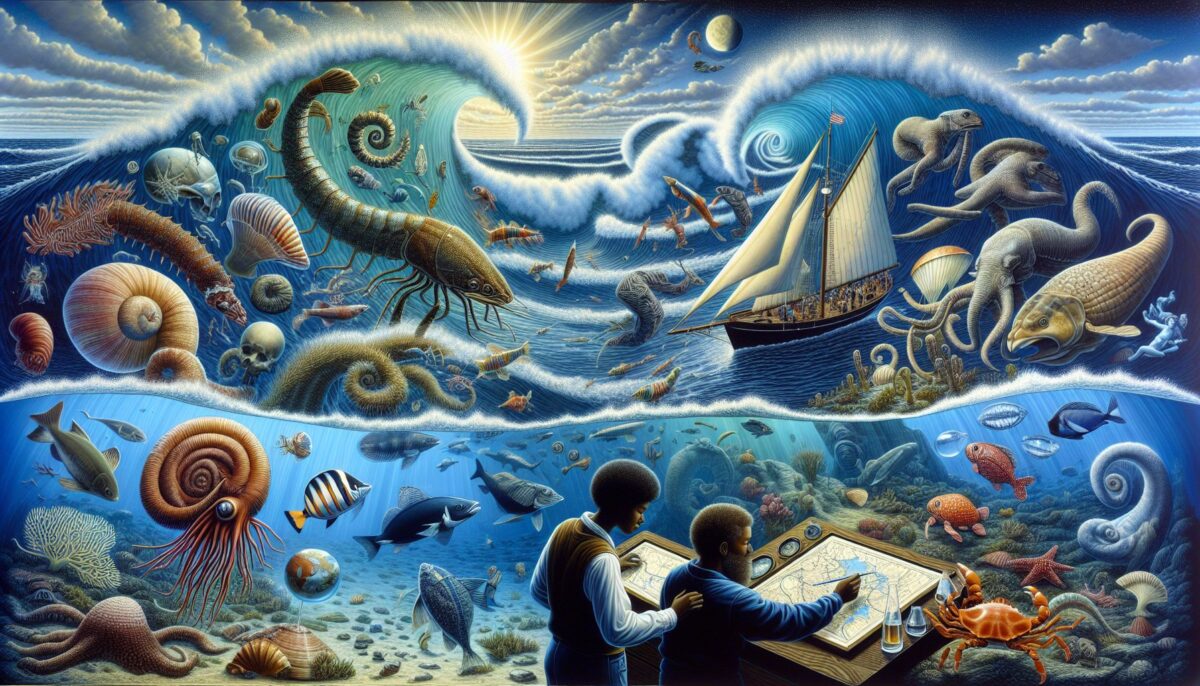
The ocean is more than just a vast stretch of water; it’s a dynamic system drastically influenced by the rhythm of tides. The ceaseless ebb and flow along the shorelines have profound impacts on marine life, coastal communities, navigation, and beyond. In this in-depth exploration, we unravel the complex interplay of gravitational pulls that create tides and delve into their far-reaching effects on our planet. So, let’s embark on a journey to understand these powerful natural phenomena that have been guiding sailors for centuries and continue to shape the ecology of our blue planet.

The Tidal Phenomenon

Tides are regular rises and falls in sea level that occur as a result of the gravitational interaction primarily between earth and the moon, with additional influence from the sun. The moon’s gravitational pull creates bulges in the earth’s water, known as tidal forces, which result in high tides in the areas facing the moon and on the opposite side due to inertia. When these bulges are at a perpendicular angle to a particular point along the coastline, low tides occur.

Gravitational Pull and Tidal Variations

Gravitational forces from the moon and the sun, as well as the rotation of the earth, play critical roles in the formation of tides. The moon has a more substantial effect due to its closer proximity, despite the sun’s larger size and stronger overall gravitational force. The result is a complex cycle of tides that changes daily due to the relative positions of earth, the moon, and the sun.

Spring and Neap Tides

The interplay between the moon and sun’s gravitational forces leads to two significant tidal events known as spring and neap tides. Spring tides, which have nothing to do with the season, occur when the earth, the moon, and the sun are in a straight line (during full or new moons). This alignment causes the gravitational forces to combine and creates higher-than-average high tides and lower-than-average low tides. Conversely, neap tides happen when the moon is at a right angle to the earth-sun line (during the first and third quarters of the moon), producing minimal difference between high and low tides.

Tides’ Influence on Marine Life and Coastal Ecosystems

Intertidal Zones and Biodiversity

One of the most biologically diverse habitats on earth is the intertidal zone, the area between high tide and low tide. This zone is a harsh environment where organisms must survive drying conditions, changing salinity, and temperature fluctuations. Tides create a rhythm that dictates the life cycles of numerous species, from the smallest barnacles and anemones to predatory sea birds and mammals. These species have adapted to the changing environments, timing their feeding, breeding, and other behaviors according to the tides.

Estuaries and Nurseries of the Sea

Estuaries, where freshwater meets seawater, are greatly influenced by tides. These areas serve as critical nurseries for many marine species. Tidal currents bring nutrients and oxygen into these water bodies, supporting a wide array of life, including fish, crustaceans, and plants. The pristine condition of these habitats is essential for the biodiversity and productivity of marine ecosystems.

Tides and Human Endeavors

Navigation and Shipping

Historically, tides have been both a challenge and an aid to explorers and merchants. Understanding tidal patterns is critical for navigating shallow waters and avoiding grounding. Ports and harbors are often constructed in areas where tidal influences can be predicted and managed, ensuring safe passage for ships of all sizes.

The Role of Tidal Predictions

For centuries, sailors have relied on tide tables and tidal predictions to plan their voyages. Today, sophisticated software integrates astronomical data to forecast tides accurately, contributing to the safety and efficiency of maritime trade. These predictive models are also crucial for recreational boaters and the fishing industry.

Renewable Energy and Tidal Power

Tidal energy is a form of hydrokinetic power that harnesses the movement of water due to tides to generate electricity. Tidal barrages, underwater turbines, and tidal fences are some technologies used to exploit the kinetic and potential energy of tidal streams and vertical movement.

Challenges and the Future of Tidal Energy

While the potential for tidal energy is immense due to its predictability and density, several challenges, including environmental concerns and high installation costs, must be addressed. However, continued research and innovation hold promise for the future of tidal energy as a sustainable and clean power source.

The Detrimental Effects of Human Activities on Tides

Coastal Erosion and Infrastructure

Human structures such as seawalls, groins, and jetties can disrupt natural tidal flows, leading to accelerated coastal erosion or sediment buildup. This interference with sediments and tidal movements can harm local ecosystems, diminish coastal protection, and lead to costly environmental and infrastructural damage.

Mitigation and Coastal Management

Effective coastal management strategies that respect tidal movements and include replenishment of beaches and preservation of natural landforms are critical. Coastal wetlands and mangroves, for example, provide natural barriers against tidal surges and contribute to the ecological balance.

The Significance of Tides in the Age of Climate Change

Sea Level Rise and Storm Surges

As sea levels rise due to climate change, tidal impacts are amplified, increasing the risk of flooding in coastal and low-lying regions. Moreover, the severity of storm surges, which can coincide with high tides, poses a growing threat to coastal communities.

Adaptation and Resilience

Adapting to the changing tides involves creating resilient infrastructure, restoring natural barriers, and developing early warning systems to mitigate risks associated with extreme tidal events. This is especially critical for developing nations and small island states that face disproportionate impacts due to sea-level rise.

Preserving Our Tidal Heritage

Recognition of the significance of tides extends beyond the scientific domain and into cultures around the world. Traditional knowledge systems that respect and adapt to the tides offer valuable insights into sustainable living in harmony with natural rhythms.

Conclusion

The ocean’s tides are a constant force shaping the planet. By understanding their influence on marine life, navigation, and human development, we are better equipped to appreciate their value and address the challenges they pose in a changing world.

Sources:

  1. National Oceanic and Atmospheric Administration (NOAA). “Tides and Water Levels.” oceanservice.noaa.gov/education/tutorial_tides.
  2. British Oceanographic Data Centre. “Tides and Storm Surges.” bodc.ac.uk/data/online_delivery/tides_and_storm_surge.
  3. International Renewable Energy Agency (IRENA). “Renewable Energy Technologies: Cost Analysis Series – Tidal Energy.” irena.org/documentdownloads/publications/re_technologies_cost_analysis-tidal_energy.pdf.

The Vital Role of Coral Reefs: Biodiversity, Threats, and Conservation Efforts

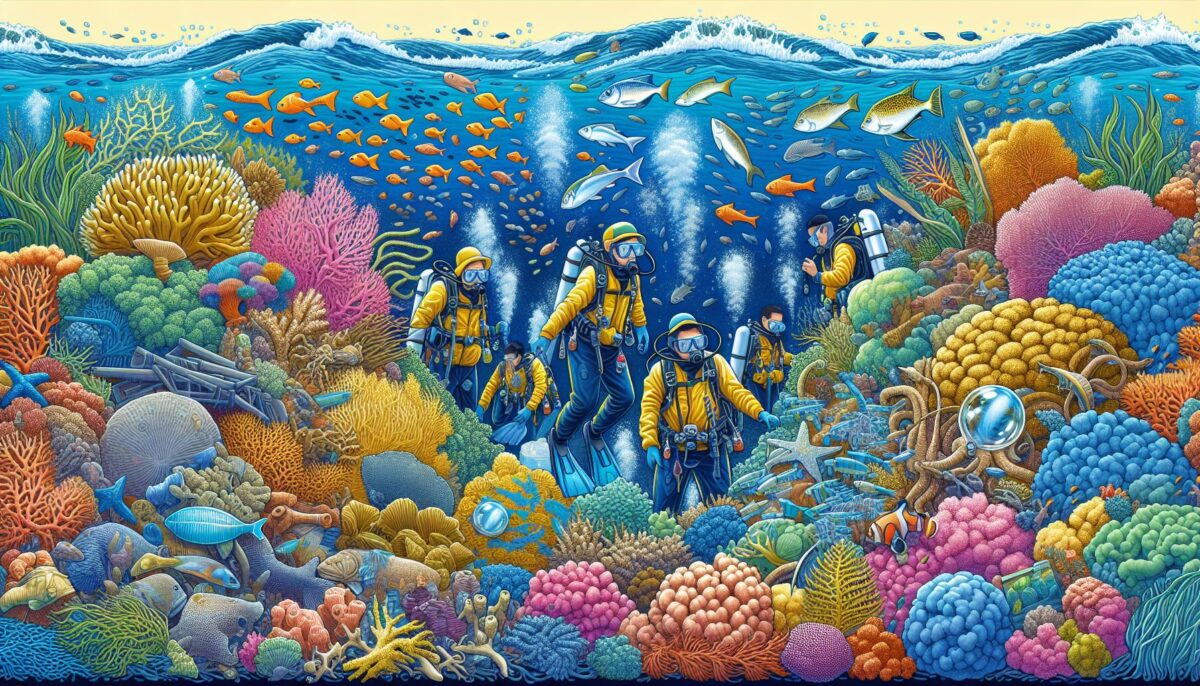
Coral reefs, often referred to as the “rainforests of the sea,” are among the most diverse and valuable ecosystems on Earth. These underwater structures are not just pivotal to marine life but also to the global economy, coastal protection, and the overall balance of marine environments. In this article, we will delve into the importance of coral reefs, the threats they face, and the ongoing conservation efforts to protect these natural treasures.

Understanding Coral Reefs

Coral reefs are composed of compact colonies of tiny animals known as coral polyps, which are related to jellyfish and anemones. These polyps secrete limestone (calcium carbonate) to form a hard, protective skeleton that serves as the base of the reef. The vibrant colors associated with coral reefs come from the symbiotic algae, known as zooxanthellae, that live within the coral tissues and provide the reefs with their main source of energy through photosynthesis.

The Biodiversity of Coral Reefs

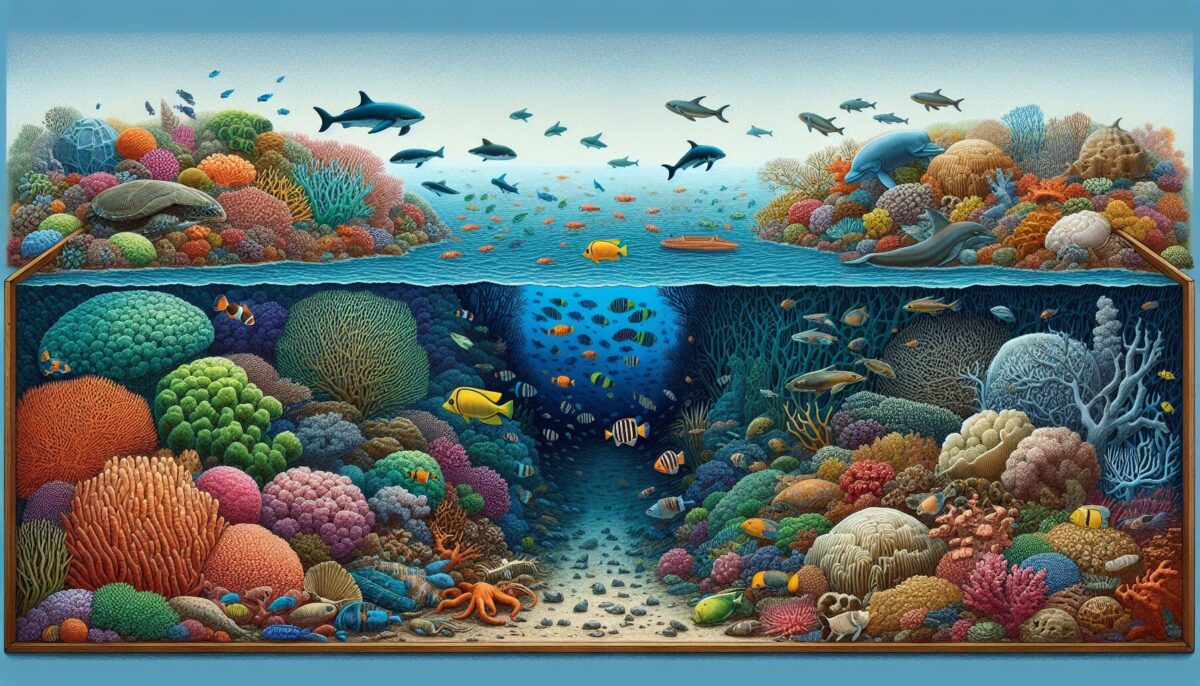
The biodiversity found within coral reefs is staggering. These ecosystems host about 25% of all marine species, despite covering less than 1% of the ocean floor. Coral reefs support a wide array of species, including fish, mollusks, crustaceans, echinoderms, sponges, and other invertebrates. This high level of biodiversity makes them critical nurseries for many marine organisms, serving as feeding, breeding, and spawning grounds.

Economic Importance

Beyond their ecological importance, coral reefs are also economically valuable. They contribute to the blue economy, fostering tourism, fishing, and even pharmaceutical research. Millions of people around the globe depend on coral reefs for their livelihoods and food security. Furthermore, coral reefs provide coastal communities with natural breakwaters, reducing wave energy from storms and helping to prevent erosion, property damage, and loss of life.

The Threats to Coral Reefs

Despite their resilience, coral reefs face numerous threats, both natural and human-induced. Some of the most significant threats include:

Climate Change

The rise in global temperatures leads to coral bleaching, a stress response where corals expel their vital algae, losing color and essential nutrients. Prolonged bleaching can lead to coral death. Climate change also contributes to ocean acidification, which hinders the ability of corals to produce their calcareous skeletons.

Overfishing and Destructive Fishing Practices

Overfishing can deplete key reef species and alter the ecological balance, while practices like blast fishing or cyanide fishing damage the reef structure.

Pollution

Marine pollution from land-based sources, such as agriculture runoff, sewage, and industrial waste, can smother coral reefs or promote the growth of harmful algae and bacteria. Marine debris, including plastics, can also physically damage reefs and harm marine life.

Coastal Development

Rapid and often unregulated coastal development can result in habitat destruction and increased sedimentation, which can smother coral reefs.

Unsustainable Tourism

While tourism helps raise awareness and funds for reef conservation, when poorly managed, it can lead to physical damage to the reefs, pollution, and increased pressure on local resources.

Conservation Efforts

The precarious state of coral reefs has prompted a variety of conservation efforts aimed at mitigating threats and promoting reef resilience and recovery. Some of these efforts include:

Marine Protected Areas (MPAs)

The establishment of MPAs helps provide safe havens where reefs and the species that depend on them can thrive without human interference. MPAs often impose limits on fishing, shipping, and development, allowing marine ecosystems to recover and flourish.

Coral Restoration Projects

Organizations and research institutions are actively involved in restoration projects that cultivate coral fragments in nurseries before transplanting them back onto damaged reefs. Through these efforts, degraded reef areas can be repopulated with healthy corals.

International Agreements

Agreements like the Paris Climate Accord aim to curb global carbon emissions, indirectly benefiting coral reefs by addressing one of the root causes of global warming and ocean acidification.

Sustainable Practices

Efforts to promote sustainable fishing, responsible tourism, and reduced pollution play a significant role in preserving coral ecosystems.

Research and Education

Ongoing scientific research helps improve the understanding of coral reef dynamics and informs better management practices, while education and outreach programs raise public awareness about the importance of coral reefs and the need to protect them.

Community Involvement

Local communities are essential stakeholders in the conservation of coral reefs. Involving local populations in the management and conservation of reefs helps ensure that sustainable practices are followed and that the benefits of reef conservation are shared among those who depend on them.

Conclusion

As guardians of incredible biodiversity and an essential asset to humankind, coral reefs warrant our utmost protection and stewardship. The threats they face are significant, but so is the global commitment to their conservation. Through concerted efforts that combine science, policy, and community involvement, there is hope for the preservation and recovery of these vital marine ecosystems.

Sources

  • International Coral Reef Initiative (ICRI). “About Coral Reefs.” https://www.icriforum.org/about-coral-reefs/biodiversity
  • National Oceanic and Atmospheric Administration (NOAA). “The Economics of Coral Reefs.” https://oceanservice.noaa.gov/ecosystems/coralreefs/coral-recovery/economics.html
  • Conservation International. “Marine Protected Areas.” https://www.conservation.org/priorities/marine-protected-areas

Exploring the Wonders and Challenges of Marine Protected Areas

Oceans are vast expanses of wonder, supporting an incredible diversity of life and playing a pivotal role in Earth’s climate system. They cover more than 70% of our planet’s surface, and every drop of seawater teems with life, from the smallest plankton to the largest whales. Human activities, however, have put these ecosystems under unprecedented stress. To combat the decline of marine environments, the concept of Marine Protected Areas (MPAs) has gained traction around the globe as a vital tool for preserving ocean health and biodiversity.

What are Marine Protected Areas?

Marine Protected Areas (MPAs) are sections of oceans, seas, estuaries or large lakes that are designated to protect and conserve marine life and habitat. The level of protection varies significantly from one MPA to another—ranging from no-take zones, where all extractive activities like fishing and mining are prohibited, to those that allow some forms of sustainable use.

By providing sanctuaries for marine life to breed, feed, and grow, MPAs are not only crucial for conserving ecosystems but also for supporting fisheries and local economies that depend on a healthy ocean. In some cases, they can help restore fish stocks by acting as nurseries for young fish which then populate surrounding areas.

The Benefits of Marine Protected Areas

Biodiversity Conservation

One of the most prominent benefits of MPAs is biodiversity conservation. These protected areas serve as safe havens for threatened and endangered species, ensuring that they can live and reproduce without interference from human activities. MPAs have been shown to increase species richness – the number of different species – as well as the abundance of marine life within their boundaries.

Fisheries Enhancement

MPAs contribute to the replenishment of fish stocks both within and beyond their borders. This spillover effect occurs when adult fish migrate out of MPAs and juvenile fish disperse into surrounding waters. Well-managed MPAs can thus benefit fisheries by increasing catch sizes and contributing to sustainable fishing practices.

Resilience Against Climate Change

MPAs help maintain ecosystem resilience which is particularly important in a changing climate. By protecting areas with diverse habitats and species, MPAs safeguard genetic variety, which is critical when it comes to adapting to conditions such as ocean acidification and warming.

Economic and Social Benefits

MPAs can bolster local economies through eco-tourism and sustain the livelihoods of communities that depend on fishing. When fisheries are managed sustainably, jobs and fisheries-related income are more secure. Moreover, the educational and recreational opportunities provided by MPAs can enhance human well-being and cultural value.

Challenges and Controversies of MPAs

Despite their benefits, the implementation of MPAs faces several challenges:

Ensuring Effective Management

For MPAs to be successful, they must be effectively managed and enforced, which requires adequate resources, planning and community involvement. Many MPAs struggle with insufficient funding, lack of enforcement and illegal activities that undermine their conservation goals.

Balancing Stakeholder Interests

The establishment of MPAs often leads to conflicts among stakeholders, such as between environmental groups seeking to expand conservation areas and fishermen concerned about losing their fishing grounds. Striking balance is often difficult and requires inclusive management processes.

Climate Change

The shifting baselines caused by climate change, such as ocean warming and acidification, present a moving target for conservation efforts. MPAs may need to be adaptive in their design and management to remain effective under changing environmental conditions.

Ecological Connectivity

MPAs vary in size and isolation, and not all are big or connected enough to fully protect the species that live within their borders. There’s a growing recognition of the need to design networks of MPAs that cover the full range of habitats and ensure ecological connectivity.

The Way Forward

Progress in marine conservation through MPAs is encouraging but uneven. To maximize their effectiveness, several approaches can be taken:

Scaling Up

Conservation targets like the 30×30 initiative seek to protect 30% of the ocean by 2030. Expanding the global network of MPAs is critical to achieving significant conservation outcomes.

Integrated Management

An ecosystem-based management approach that integrates MPAs into broader marine spatial planning strategies can ensure that MPAs are not isolated efforts but part of a cohesive plan.

Community Involvement

Engaging local and indigenous communities in the establishment and management of MPAs ensures that local knowledge is harnessed and that MPAs are socially equitable and just.

Science-Based Design

Applying scientific principles to design and adaptively manage MPAs can help ensure they effectively address the specific needs of the ecosystems and species they are meant to protect.

International Collaboration

Oceans have no boundaries, and many marine species migrate across international waters. Thus, international cooperation is essential to establish MPAs that are ecologically meaningful on a global scale.

Conclusion

Marine Protected Areas are crucial elements of ocean conservation, offering benefits for biodiversity, fisheries, climate resilience, and human communities. However, creating and managing MPAs effectively requires addressing several challenges and ensuring that they are part of a broader, integrated approach to ocean governance. As stewards of the Earth, we have a collective responsibility to protect our blue planet for future generations, and MPAs are an important step in that journey.

Sources

  1. Marine Conservation Institute – Benefits of Marine Protected Areas
  2. NOAA – Marine Protected Areas
  3. IUCN – Marine Protected Areas and climate change

The Blue Economy: Unveiling the Sustainable Path of Ocean-Based Industries

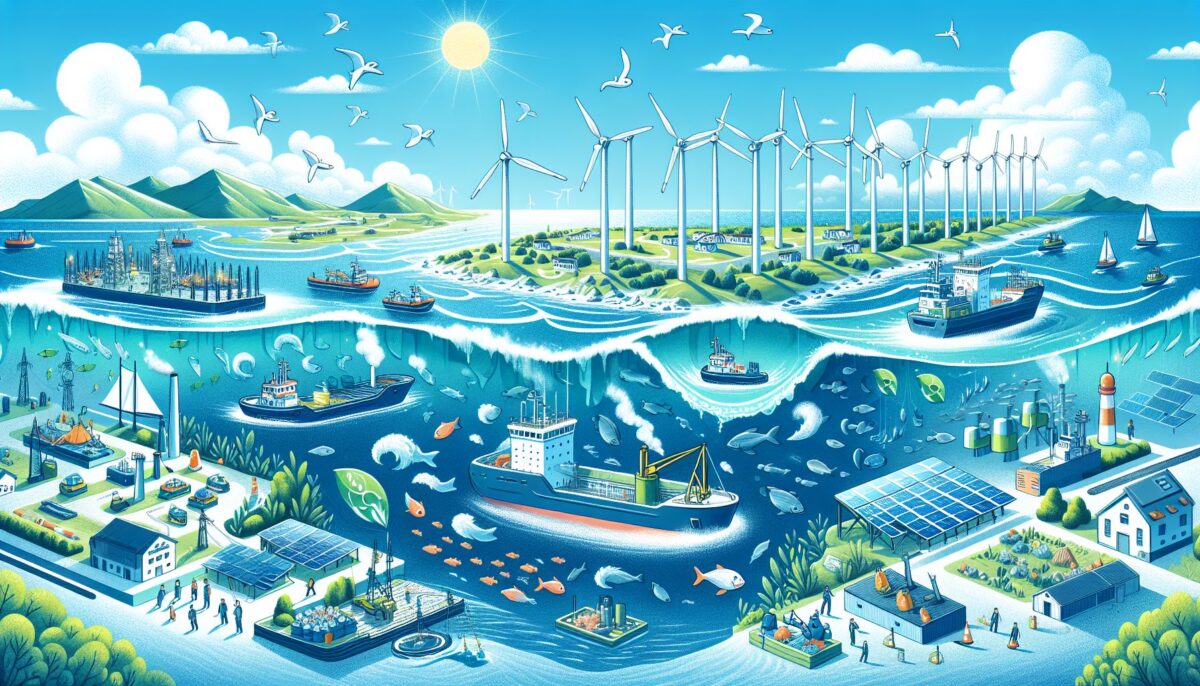
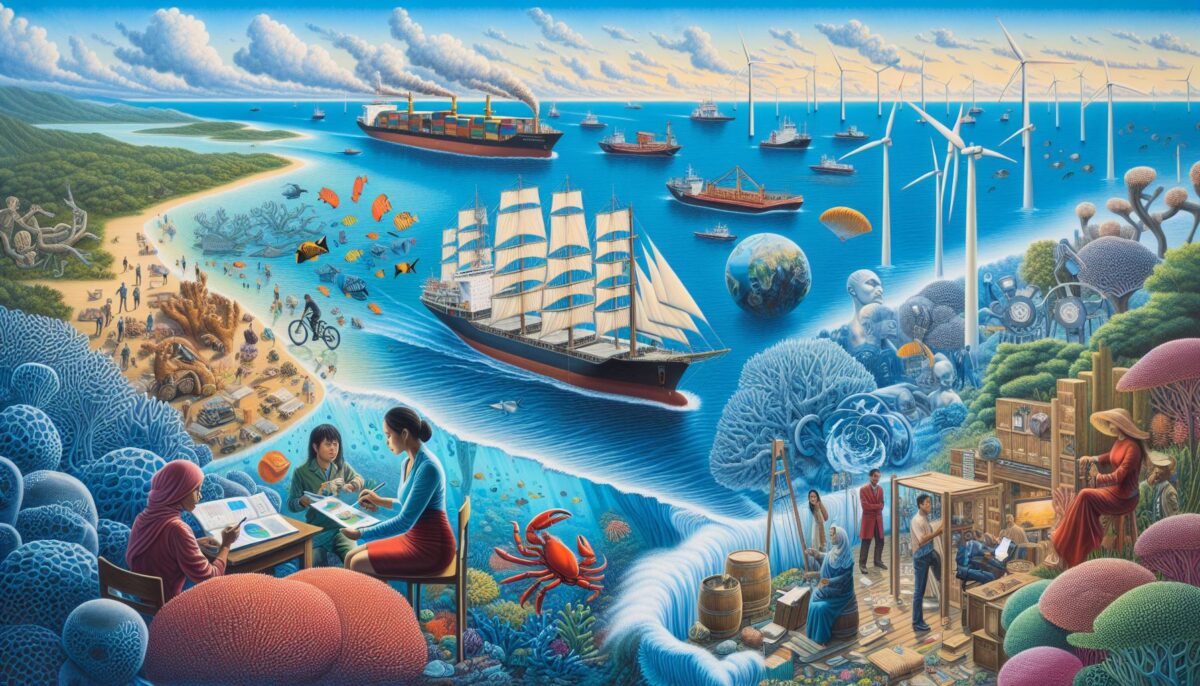
The blue economy encompasses economic activities that directly or indirectly take place in the ocean, exploit resources from the ocean, and provide goods and services to support these activities. As our planet is covered by over 70% water, the potential of the ocean’s bounty is immense, offering a sustainable path for economic growth and development. This article delves into the fundamentals of the blue economy, its significance, challenges, and the future it holds for global prosperity.

Understanding the Blue Economy

The blue economy is an emerging concept that goes beyond the exploration and exploitation of the ocean and coastal areas for economic gain. It incorporates principles of social inclusivity, environmental sustainability, and innovative, equitable use of resources. Ocean-based industries range from traditional sectors like fisheries, tourism, and maritime transport to emerging technologies such as renewable ocean energy.

Key Sectors of the Blue Economy

  • Sustainable Fisheries and Aquaculture: The provision of fish protein is vital for the nutritional needs of billions. Sustainable practices ensure that seafood supply does not deplete stocks to the point of collapse.

  • Marine Renewable Energy: This includes wind, wave, and tidal energy, which offer cleaner alternatives to fossil fuels.

  • Eco-Tourism and Coastal Recreation: Protecting our scenic beaches and marine wildlife creates opportunities for sustainable tourism.

  • Maritime Trade and Shipping: The efficient movement of goods across oceans is the backbone of global trade, requiring strategic management for sustainability.

  • Biotechnology and Genetic Resources: Marine organisms hold a treasure trove of potential pharmaceuticals and novel materials waiting to be harnessed.

  • Deep-Sea Mining and Resource Extraction: This controversial field seeks to extract minerals and resources from the seafloor while balancing conservation needs.

The Importance of the Blue Economy

Envisioning economic growth in harmony with the natural world is a fundamental principle of the blue economy. Responsible use of ocean resources can provide substantial economic benefits.

  1. Job Creation: The ocean economy has the potential to offer numerous employment opportunities in various sectors, including sustainable fishing, renewable energy, and maritime transport.

  2. Food Security: With over three billion people depending on marine and coastal biodiversity for their livelihoods, sustainable ocean economies are crucial for food security.

  3. Innovative Solutions: Exploring the ocean fosters innovation—from saline agriculture to the development of new medicines derived from unique marine organisms.

Challenges Facing the Blue Economy

While the blue economy promises growth and sustainability, specific challenges pose significant risks.

  • Environmental Impact: Overfishing, pollution, habitat destruction, and climate change effects like ocean acidification threaten the very foundation of the ocean’s ecosystems.

  • Equity and Access: Ensuring that the benefits of ocean resources are shared equitably among nations and communities is an ongoing challenge.

  • Governance and Regulation: As much of the ocean lies outside national jurisdictions, establishing effective international regulations is complex.

The Future of Blue Economy

Developing a sustainable blue economy requires concerted efforts at local, national, and international levels.

  1. Increasing Marine Protected Areas: These areas safeguard critical marine habitats, promoting fish stock recovery and biodiversity.

  2. Investing in Marine Science and Research: Understanding the complexities of marine ecosystems is vital for their sustainable use and long-term conservation.

  3. Promoting Circular Economy Principles: Recycling and reusing resources within ocean industries reduces waste and pollution.

  4. Public Education and Awareness: Cultivating a more profound public understanding of the importance of the ocean is crucial for the support of sustainable policies.

Pathways to Sustainability: Marine Conservation and Management

A sustainable blue economy cannot exist without a robust framework for conservation and effective management practices. This includes setting and enforcing catch limits in fisheries, fostering marine protected area networks, reducing marine pollution, and tackling climate change.

Case Studies of Success in Blue Economy

  • Marine Protected Area Networks: Places like the Great Barrier Reef Marine Park have shown that well-managed MPAs can contribute to the health of marine ecosystems and boost local economies.

  • Innovative Aquaculture Techniques: The development of closed-loop aquaculture systems minimizes environmental impacts and creates sustainable seafood production.

Blue Economy in Action: Renewable Ocean Energy

The quest for renewable energy has turned the tides towards the ocean. Advancements in technology are making it possible to harness wind, wave, and tidal energy, providing cleaner, more sustainable energy sources while creating new industries and job opportunities.

Conclusion

The blue economy offers a vision for the future where economic growth and sustainability go hand in hand. Balancing the protection of the ocean with the needs of human development requires commitment, innovation, and a willingness to adopt new paradigms of economic growth.

Sources

  1. World Bank. (2017). “What is the Blue Economy?” World Bank. https://www.worldbank.org/en/news/infographic/2017/06/06/blue-economy

  2. FAO. (2020). “The State of World Fisheries and Aquaculture 2020.” Food and Agriculture Organization of the United Nations. http://www.fao.org/state-of-fisheries-aquaculture

  3. IEA. (2020). “Ocean Power.” International Energy Agency. https://www.iea.org/reports/ocean-power


The article provided above uses the “Blue Economy” keyword and is crafted to encompass an overview of the blue economy, its significance, sectors involved, the importance, challenges, and prospects for the future. It also touches on sustainability issues within marine conservation and the potential of renewable ocean energy as a cornerstone for a sustainable blue economy. The use of reputable sources ensures the information is accurate up to the knowledge cutoff in 2023.

Exploring the Depths of Marine Biodiversity: A Dive into the Richness of Life Beneath the Waves

The ocean, an enigmatic expanse covering more than 70% of our planet’s surface, is home to a dizzying array of life forms. From the microscopic plankton that drift through sunlit waters to the leviathan whales that traverse the ocean’s vastness, the diversity of marine life is staggering. In this article, we delve into the fascinating world of marine biodiversity, exploring the factors that contribute to the rich tapestry of life in our oceans and the challenges it faces amidst a changing global climate.

What is Marine Biodiversity?

Marine biodiversity refers to the variety and variability of living organisms present in marine ecosystems, which include the ocean, sea, coastal areas, and all saltwater environments. This incredible diversity encompasses a range of species, habitats, and genetic variations, from the intertidal zones to the abyssal plains of the deep sea.

The Importance of Marine Biodiversity

Marine biodiversity is critical for the health and function of our planet. It supports ecosystem services such as oxygen production, nutrient cycling, and the provision of food resources. It’s also a source of natural products and medicines, contributing immensely to human well-being and the global economy. Furthermore, the resilience of marine ecosystems in the face of environmental stressors is strongly linked to biodiversity.

The Spectrum of Marine Life

From the smallest bacterium to the largest mammal, marine biodiversity encompasses a vast range of life forms, including:

  • Plankton: These drifting organisms, both phytoplankton, and zooplankton, form the base of the oceanic food web.
  • Algae: These photosynthetic organisms range from microscopic diatoms to giant kelp forests.
  • Invertebrates: A multitude of species including corals, jellyfish, octopuses, and crustaceans.
  • Fish: Thousands of species, with incredible adaptations, inhabit the diverse marine environments.
  • Marine Reptiles and Birds: Species like sea turtles and seabirds that rely on the ocean for food or breeding.
  • Mammals: Marine mammals such as whales, dolphins, seals, and manatees are some of the most charismatic species.

Each of these groups plays a crucial role in maintaining the balance of marine ecosystems.

Habitats and Ecosystems

Marine biodiversity is nurtured within a plethora of habitats, including:

  • Reefs: Coral reefs, amongst the most diverse of marine habitats, support a wide variety of species.
  • Estuaries and Bays: Where freshwater meets saltwater, creating nutrient-rich environments.
  • The Deep Sea: The largest habitat on Earth, characterized by a lack of sunlight, high pressure, and remarkable life forms.
  • Hydrothermal Vents: Unique ecosystems found on the ocean floor, supporting life based on chemosynthesis instead of photosynthesis.
  • Mangroves: Coastal forests that serve as nurseries for many fish species and protect coastlines from erosion.
  • Polar Seas: Icy habitats at the Earth’s extreme ends that support specialized marine communities.

Understanding the Oceanographic Forces

Oceans are dynamic realms where tides, waves, and currents shape marine life and habitats. These forces influence the distribution and richness of marine life, stimulating productivity and facilitating migrations.

Factors Affecting Marine Biodiversity

  1. Salinity and Temperature: Variations in salinity and temperature can affect reproductive cycles and distribution of marine species.
  2. Depth: Pressure, temperature, and light availability change with ocean depth, influencing the species that can thrive.
  3. Nutrient Availability: Upwelling areas are hotspots of biodiversity due to the influx of nutrient-rich waters that fuel primary production.
  4. Ocean Acidification: As oceans absorb more CO2, the increasing acidity impacts many species, particularly those with calcium carbonate skeletons, like corals and shellfish.

Threats to Marine Biodiversity

Despite its vastness and depth, marine biodiversity faces an array of threats, primarily driven by human activities:

  • Overfishing: Intense fishing pressures have led to the depletion of many fish stocks, with cascading effects on marine food webs.
  • Habitat Destruction: Coastal development, pollution, and destructive fishing practices destroy critical habitats like coral reefs and mangroves.
  • Climate Change: Rising temperatures lead to coral bleaching and the shifting of species distributions, affecting ecosystems and fisheries.
  • Pollution: Marine debris, oil spills, and chemical pollutants can be lethal to marine life and deteriorate the quality of marine ecosystems.
  • Invasive Species: Species introduced to new areas by human activities can outcompete native populations, altering community structures.
  • Ocean Acidification: The increasing acidity of the oceans can lead to coral bleaching and affect the survival of shell-forming organisms.

Conservation and Management

Efforts are underway to safeguard marine biodiversity through various initiatives:

  • Marine Protected Areas (MPAs): Designated regions where human activity is restricted to protect ecosystems and species.
  • Sustainable Fisheries: Implementing quotas and sustainable fishing practices to ensure the replenishment of fish populations.
  • Habitat Restoration: Actions to restore damaged ecosystems, such as reforestation of mangroves and rebuilding of coral reefs.
  • Legislation and Agreements: International laws and agreements, like the Convention on Biological Diversity, aim to protect biodiversity.

The Future of Marine Biodiversity

The future of marine biodiversity hinges on our ability to understand and protect the intricate web of life that thrives beneath the waves. Collaborative international efforts, increased public awareness, and dedication to sustainable practices are vital to preserving the richness of life in our oceans.

Marine biodiversity is not just about the fascinating spectrum of life it holds; it’s about the interconnectedness of ecosystems and the services they provide to humanity. As such, we must strive to maintain the delicate balance that supports both the variety of life in the oceans and the human activities that depend on it.

References

  1. Convention on Biological Diversity. (n.d.). Marine and Coastal Biodiversity.
  2. National Oceanic and Atmospheric Administration. (n.d.). What is Marine Biodiversity?.
  3. Oceanographic Institute. “Marine Biodiversity: Wondrous World beneath the Waves,” Oceanographic Magazine, www.oceanographicmagazine.com/features/marine-biodiversity/.

By understanding, appreciating, and actively conserving the ocean’s biodiversity, we can ensure that the vibrant life beneath the waves continues to thrive, offering inspiration, resources, and wonder for generations to come.

Unveiling the Mysteries of the Deep: Exploring the Seafloor and Its Untapped Secrets

The ocean, covering more than 70% of our planet’s surface, is an enigmatic place that captures our collective imagination with both its beauty and mystery. The seafloor, in particular, is a vast, largely unexplored expanse that hides treasures and tales beyond our wildest dreams. In this exploration into the depths, we will uncover the secrets that lie beneath the waves, the importance of this realm, and how its future may hold the key to humanity’s sustainability.

The Seafloor: Nature’s Undiscovered Country

Imagine a terrain so diverse and expansive that it would eclipse the variety of all the Earth’s continents combined. The seafloor is this domain, revealing spectacular underwater volcanoes, towering mountain ranges, deep trenches, and sprawling flat plains.

Mapping the Unknown

To navigate and understand this hidden landscape, scientists engage in the science of bathymetry – the measurement of the depth of water bodies, particularly the ocean. Although satellite technology has helped us map the entirety of the Moon and Mars, less than 20% of the Earth’s seafloor has been mapped to a high resolution^1^. This highlights the seafloor’s mystery and the potential scientific discoveries lying in wait.

Formation and Geology

The seafloor forms through a process called seafloor spreading, where tectonic plates spread apart, and magma rises to create new oceanic crust. This continual process pushes older crust away from mid-ocean ridges towards subduction zones, where it’s recycled back into the Earth’s mantle. This dynamic environment creates unique geological features such as hydrothermal vents which support exotic forms of life unfeasible elsewhere on Earth^2^.

Marine Biodiversity Below Waves

Marine biodiversity at the seafloor is as rich as it is unfamiliar. Species have adapted to the total darkness, immense pressure, and scarce food sources with remarkable physiological and behavioral traits. These include bioluminescence, specialized feeding mechanisms, and symbiotic relationships with other species or even bacteria.

Mining and Resource Exploitation

The seafloor is also a treasure trove of resources. It contains vast deposits of minerals like manganese nodules, cobalt crusts, and polymetallic sulphides. This has led to rising interest in deep-sea mining, though the environmental consequences of such activities are still not completely understood and could be profound.

Habitats of the Deep

The structures that punctuate the seafloor – be it coral reefs, seagrass beds, or sponge fields – are critical habitats. They offer food, shelter, and nursery grounds for a plethora of marine species. Their health is a keystone for the health of the wider ocean.

The Seafloor and the Blue Economy

The concept of the ‘Blue Economy’ encompasses the sustainable use of ocean resources for economic growth, improved livelihoods, and jobs while preserving the health of ocean ecosystems. In this context, the seafloor plays an indispensable role.

Sustainable Fisheries

Fisheries that depend on the sea’s biodiversity directly impact the blue economy. By utilizing the spawning and breeding grounds on the seafloor carefully, we ensure the replenishment of fish populations essential for both local sustenance and global seafood markets.

Offshore Energy

Renewable energy sources, such as tidal and wave energy, harness the power of the ocean and seafloor landscapes to generate electricity. Offshore wind farms, anchored to the seafloor, are an increasingly common sight in many parts of the world^3^.

Submarine Cables and Navigation

The seafloor is also crucial for global communication. Submarine cables, which carry the internet across oceans, rest on it. Navigation for shipping, upon which much of our global trade depends, relies on detailed knowledge of the seafloor to avoid underwater hazards and optimize routes.

Environmental Challenges and Protection of the Seafloor

As human activity extends further into the ocean, the seafloor faces numerous environmental challenges.

Deep-Sea Mining Impact

The push for extracting seafloor minerals has generated concern about potential destruction of fragile deep-sea ecosystems before they’re fully understood.

Pollution and Marine Debris

Pollution from plastics, chemicals, and other waste accumulating on the seafloor can have lasting effects on marine life and ocean health. Efforts to mitigate this are crucial for preserving this delicate environment.

Climate Change and Acidification

Increased CO2 levels reduce pH levels in the ocean, causing ocean acidification. This change in seawater chemistry can lead to coral bleaching and disrupt calcium carbonate-based life forms that are fundamental to seafloor ecosystems.

Conservation Initiatives

Recognizing these risks, conservation initiatives and marine protected areas aim to safeguard the biodiversity and integrity of the seafloor. Science-based management and international cooperation play key roles in these efforts.

Exploring and Monitoring with Cutting-Edge Technology

The advancement of diving technology, remotely operated vehicles (ROVs), and autonomous underwater vehicles (AUVs), along with innovative research methods, have opened the doors to greater understanding and monitoring of the seafloor.

The Future of Seafloor Research

Continued exploration and research of the seafloor will not only expand our scientific knowledge but also refine our approaches to conserving and sustainably using oceanic resources. With initiatives like the Seabed 2030 project, which aims to map the entire seafloor by the year 2030, we’re at the brink of uncovering even more secrets hidden beneath the waves.

As we peer into the depths of our planet’s final frontier, the seafloor’s significance to our world comes into sharper focus. It’s a place of untapped potential, harboring solutions to some of our most pressing environmental and economic challenges. With careful stewardship and continued curiosity, we can ensure that the seafloor remains a source of wonder and prosperity for generations to come.


Sources

  1. Seabed 2030 Project, “Global Ocean Mapping.” Link to the site with maps and data
  2. National Oceanic and Atmospheric Administration, “Hydrothermal Vents.” Link to NOAA’s resource on hydrothermal vents
  3. International Renewable Energy Agency, “Offshore Wind Energy.” Link to IRENA’s resource on offshore wind energy

This article has harnessed the vastness of the ocean to delve into the lesser-known but incredibly vital world of the seafloor. A place of immense natural resource, critical biodiversity, and compelling mystery, the seafloor’s exploration and protection are crucial for the future of our Blue Planet.

Navigating the Currents: Understanding Ocean Circulation and Its Global Impact

The ocean, encompassing more than 70% of the Earth’s surface, is a complex system of currents that play a vital role in shaping the climate, weather patterns, and the health of our planet’s ecosystems. Ocean currents, the vast river-like movements of water within the sea, are driven by a combination of wind, water density differences, and the Earth’s rotation. This intricate network of surface and deepwater flows affects everything from marine life to global commerce, making it a subject of immense importance and interest.


What Are Ocean Currents?

Ocean currents are horizontal and vertical movements of seawater, which can vary in size, strength, and temperature. These currents are primarily generated by the following factors:

  • Wind: The friction between the wind and the ocean surface pushes water to move, creating surface currents.
  • Thermohaline Circulation: Differences in water density, brought about by variations in temperature (thermo) and salinity (haline), drive deep ocean currents.
  • Coriolis Effect: Due to the Earth’s rotation, moving fluids such as air and water are deflected to the right in the Northern Hemisphere and to the left in the Southern Hemisphere, influencing the direction of currents.
  • Shape of Ocean Basins: Physical features such as the continental shelves, slopes, and ocean basins can steer the flow of ocean currents.
  • Tides: The gravitational pull of the moon and the sun also plays a role in moving vast amounts of water, but this typically influences local, rather than long-distance, current patterns.

Understanding these drivers of ocean currents offers us valuable insights into their patterns and effects.


Types of Ocean Currents

Ocean currents are classified broadly into two categories based on their depth:

1. Surface Currents

Covering about 10% of the ocean’s area, surface currents are primarily driven by global wind systems and are most noticeable in the upper 400 meters of the ocean. These currents are responsible for redistributing heat from equatorial regions toward the poles, thus regulating climate and weather.

2. Deep Ocean Currents

Deep ocean currents, also known as the thermohaline circulation, involve the movement of water deep below the surface. These currents are slower and more voluminous than surface currents and are crucial to the global conveyance of water, heat, salt, and nutrients.


Major Ocean Current Systems

Some of the world’s major ocean currents include the Gulf Stream in the North Atlantic, the Kuroshio in the Pacific off the coast of Japan, the Antarctic Circumpolar Current, and the Global Conveyor Belt, a component of the thermohaline circulation, which could span thousands of miles and take hundreds of years to complete a cycle.


The Impact of Ocean Currents

The influence of ocean currents extends to various aspects of the Earth’s systems and human activities:

  • Climate Regulation: Currents work as a conveyor belt, transporting warm and cold water across the globe, thus balancing the planet’s climate.
  • Marine Ecosystems: Nutrient-rich cold currents support abundant marine life, while warm currents may support coral reef development.
  • Weather Patterns: Currents can influence weather patterns and events, such as hurricanes, which draw their strength from warm surface waters.
  • Human Activities: Maritime navigation and shipping routes often exploit current flows for smoother and faster transit across the oceans. Coastal communities also depend on currents for fishing and recreational activities.

Challenges and Threats

With the advent of climate change, ocean currents face several threats which may alter their patterns and intensity:

  • Climate Change: Warming ocean temperatures and melting polar ice can disrupt the delicate balance of the thermohilene circulation.
  • Ocean Acidification: Increased CO2 levels in the atmosphere lead to the ocean absorbing more CO2, causing acidification, which affects marine life and, subsequently, the food chain.
  • Pollution: Human activities, such as plastic waste disposal and oil spills, can harm marine life and affect the quality of ocean waters, interfering with natural current flows.

Studying Ocean Currents

Research into ocean currents is vital for understanding and predicting changes in weather, climate, and marine ecosystems. Organizations and tools at the forefront of this research include:

  • NOAA: National Oceanic and Atmospheric Administration provides in-depth research and data on ocean currents.
  • Satellites: Technology such as Argo floats monitors ocean temperatures, salinity, and currents on a global scale.
  • Computer Modeling: Advanced computer models help simulate and predict changes in ocean circulation patterns.

Preserving Our Ocean Currents

To safeguard ocean currents, the international community must take action in various domains:

  • Reducing Greenhouse Gas Emissions: Combating climate change by committing to reduced emissions and supporting renewable energy.
  • Marine Protected Areas: Establishing zones where human activity is restricted to preserve marine ecosystems and currents.
  • Pollution Control: Implementing measures to reduce marine debris, oil spills, and chemical pollutants.

Conclusion

Ocean currents are the lifelines of the planet’s oceanic and atmospheric systems. As we continue to explore and understand these complex water movements, it is critical to recognize their importance and take action to protect and preserve them for future generations.

Sources:

  1. National Oceanic and Atmospheric Administration (NOAA) – https://www.noaa.gov/
  2. Argo Project – https://argo.ucsd.edu/
  3. “Ocean Circulation and Climate: Observing and Modelling the Global Ocean” – G. Siedler, J. Church, J. Gould, Academic Press, https://www.elsevier.com/books/ocean-circulation-and-climate/siedler/978-0-12-641351-9

Using this foundational understanding of ocean currents, we can follow the metaphorical currents of knowledge, unlocking a deeper appreciation for the magnitude of the ocean’s influence on Earth and the intricate balance that sustains life as we know it. As stewards of this planet, our navigation through these issues must be as informed and responsive as the vessels that harness the power of the currents themselves.

Unveiling the Blue Economy: An Ocean of Potential

The concept of “Blue Economy” is gaining growing attention in global economic and environmental discussions. It represents the sustainable use of ocean resources for economic growth, improved livelihoods, and jobs while preserving the health of ocean ecosystems. But what exactly is the “Blue Economy,” and why is it so critical for our future? In this comprehensive article, we will dive deep into the vast potential of our oceans and uncover the importance of balancing economic growth with the need for conservation.

Understanding the Blue Economy

The term “Blue Economy” encompasses a broad range of economic activities related to the ocean, seas, and coasts. It includes established sectors such as fisheries, tourism, and maritime transport, as well as emerging industries like offshore renewable energy, aquaculture, desalination, and seabed mining. The World Bank defines the Blue Economy as “the sustainable use of ocean resources for economic growth, improved livelihoods, and jobs, and ocean ecosystem health.”

Importance of the Blue Economy

The Blue Economy is crucial for several reasons:
Economic significance: Oceans are the lifelines of the global economy, supporting key sectors that contribute to the livelihoods of millions of people.
Food security: Sustainable fisheries and aquaculture provide essential nutrition to billions and are vital for food security.
Energy production: Oceans offer renewable energy resources like wind, wave, and tidal energy, poised to contribute significantly to the global energy mix.
Maritime transport: Over 90% of world trade is carried by sea, highlighting the importance of shipping and ports in the Blue Economy.
Ecosystem services: Healthy marine ecosystems provide services such as carbon sequestration, coastal protection, and biodiversity, which are indispensable for our survival.

Pillars of the Blue Economy

The Blue Economy rests on two main pillars: sustainable economic development and environmental stewardship.

Sustainable Economic Development

The aspiration to boost economic growth through oceanic resources must consider long-term sustainability. Here are some sectors contributing to sustainable economic development:

Fisheries and Aquaculture

Fisheries are a significant source of food and income worldwide. Sustainable fishing practices ensure fish populations remain healthy and productive for future generations. Aquaculture, the farming of aquatic organisms, is expanding to meet the growing demand for seafood without putting additional pressure on wild fish stocks.

Shipping and Ports

Shipping is the backbone of global trade, and ports are its hubs. Advancements in shipping efficiency, green port initiatives, and better maritime navigation can reduce the industrial footprint, promoting sustainable development.

Renewable Marine Energy

Tidal, wave, and offshore wind energies are clean alternatives to fossil fuels. The development of these renewable resources can provide sustainable energy and reduce greenhouse gas emissions.

Environmental Stewardship

Preserving ocean health is crucial for the Blue Economy. Key areas include:

Marine Pollution and Cleanup

Reducing marine pollution involves managing land-based sources of pollution, improving waste management practices, and investing in technologies for cleaning up existing marine debris and plastic pollution.

Marine Protected Areas

Establishing and effectively managing Marine Protected Areas (MPAs) safeguard marine biodiversity and preserve critical habitats, contributing to the health of our oceans.

Sustainable Coastal Management

Coastal zones are often densely populated and subject to development pressure. Sustainable coastal management practices help to minimize environmental impacts and protect coastal ecosystems.

Challenges Facing the Blue Economy

The path to a sustainable Blue Economy is fraught with challenges:

Overfishing and Resource Depletion

Overfishing is a major issue that threatens fish stocks, marine biodiversity, and the livelihoods of communities relying on fishing. Creating and enforcing regulations to prevent overfishing is essential for sustainability.

Climate Change Impacts

Climate change poses significant risks to ocean-based economies, including rising sea levels, ocean acidification, and coral bleaching. Adaptation and mitigation efforts are needed to address these challenges.

Economic Inequality

While the Blue Economy holds potential for economic growth, there is also a risk that benefits may not be equitably distributed. Ensuring inclusive development policies are critical to prevent marginalization of vulnerable communities.

Technology and Innovation

The development of sustainable technologies for maritime activities is necessary for the growth of the Blue Economy. Innovation in areas such as sustainable fishing, renewable energy, and biotechnology can drive forward sustainable practices.

The Way Forward

To realize the full potential of the Blue Economy, an integrated approach that includes policy reform, investment in sustainable technologies, and international collaboration is essential.

Policy Reform

Governments need to implement policies that encourage sustainable practices and investments in the Blue Economy. This includes regulatory frameworks that ensure responsible usage of marine resources and protect marine habitats.

Investment and Financing

Investments in research and development of sustainable marine technologies are needed. Financial mechanisms can be established to support green maritime entrepreneurship and sustainable ocean-based industries.

International Collaboration

Oceans are transboundary; therefore, global cooperation in managing marine resources, sharing best practices, and conducting joint research is critical for the success of the Blue Economy.

Conclusion

The Blue Economy presents an opportunity to harness the wealth of the earth’s oceans while ensuring sustainability and equity. By addressing the challenges and focusing on long-term, inclusive strategies, the Blue Economy can be a catalyst for economic development, job creation, and environmental conservation.

Employing the principles of the Blue Economy can steer humanity towards a future where economic growth and ocean conservation go hand in hand, ensuring the prosperity and health of our planet for generations to come.

Sources

  1. World Bank Group. (2020). The Blue Economy. Retrieved from https://www.worldbank.org/en/topic/environment/brief/the-blue-economy
  2. United Nations. (2017). The Potential of the Blue Economy. Retrieved from https://www.un.org/press/en/2017/sgsm18545.doc.htm
  3. European Commission. (2020). The blue economy report. Retrieved from https://ec.europa.eu/maritimeaffairs/policy/blue_growth_en

The Vital Role of Marine Protected Areas in Sustaining Marine Biodiversity

The ocean covers over 70% of the Earth’s surface and is home to a rich tapestry of life, unparalleled in its diversity and complexity. From the smallest plankton to the largest whales, marine ecosystems support a plethora of organisms that are crucial to both the environmental balance and the economic stability of communities worldwide. However, increasing human activities have put immense pressure on these fragile ecosystems. One of the pivotal strategies for conserving marine life and ensuring sustainable use of marine resources is the establishment of Marine Protected Areas (MPAs). In this article, we will dive into the significance of MPAs, their benefits, challenges, and the future of ocean conservation.

Understanding Marine Protected Areas (MPAs)

Marine Protected Areas are clearly defined geographical spaces in the ocean, recognized for their significant natural or cultural resources, which are managed through legal or other effective means to conserve marine life and its habitat. MPAs vary widely in purpose, legal status, agencies responsible for their management, and the level of protection they offer.

Why MPAs are Essential

  1. Biodiversity Conservation: MPAs safeguard critical habitats such as coral reefs, seagrass beds, and mangroves, which are hotspots for marine biodiversity.

  2. Fisheries Management: By providing a safe haven for fish populations to breed and grow, MPAs can enhance fisheries’ productivity outside their boundaries.

  3. Resilience Against Climate Change: Protected areas can enhance the resilience of marine ecosystems to withstand the adverse effects of climate change, including ocean acidification and coral bleaching.

  4. Cultural and Recreational Value: Many MPAs preserve areas of cultural significance and support recreational activities like diving and eco-tourism, which contribute to local economies.

Different Types of MPAs

  • No-take Zones: Areas where all extractive activities like fishing and mining are prohibited.

  • Partially Protected Areas: Places that allow limited take under specific regulations to balance protection and sustainable use.

  • Multi-use MPAs: Areas managed for conservation alongside permissible commercial activities.

Examples of Effective MPAs

  • Great Barrier Reef Marine Park, Australia: The world’s largest coral reef system, offering protection for thousands of species.

  • Papahānaumokuākea Marine National Monument, USA: One of the largest marine conservation areas globally, home to over 7,000 marine species.

  • Galápagos Marine Reserve, Ecuador: Encompassing the waters around the Galápagos Islands, this MPA protects a range of endemic species.

The Benefits of Marine Protected Areas

MPAs not only protect marine life and habitats but also provide a host of ecosystem services and economic benefits, which include:

  • Fisheries Spillover: MPAs serve as nurseries for fish, with juveniles often spilling over into surrounding areas, improving catches for local fisheries.

  • Tourism and Recreation: MPAs attract tourists interested in diving, snorkeling, and experiencing marine life, which generates income for local communities.

  • Scientific Research: MPAs provide ideal sites for scientific research which can inform broader conservation strategies and management practices.

  • Ecosystem Services: Preserving ecosystems like mangroves and coral reefs helps in carbon sequestration, coastline protection, and maintaining water quality.

Challenges Facing MPAs

Despite their numerous benefits, implementing and managing MPAs face several challenges:

  • Enforcement: Policing vast ocean spaces to prevent illegal activities is often resource-intensive and difficult.

  • Climate Change: Global warming and associated phenomena can undermine the ecological integrity of MPAs.

  • Funding: Many MPAs struggle with inadequate funding for management, monitoring, and enforcement activities.

  • Local Opposition: MPAs can face resistance from local communities if they are seen to restrict traditional fishing rights or access to resources.

The Future of Marine Conservation

Marine conservation is an ever-evolving field, with several new initiatives and technologies aiding the effectiveness of MPAs:

  • Technology in Enforcement: The use of satellite surveillance, drones, and AI for monitoring protected areas is on the rise.

  • Community Involvement: Engaging local communities in the establishment and management of MPAs can ensure their long-term success.

  • Marine Spatial Planning: Advanced tools for spatial planning help in balancing the needs of conservation with those of sustainable use.

  • International Collaboration: Transboundary MPAs and international agreements, such as the High Seas Treaty, are critical for protecting migratory species and high seas.

Conclusion

Marine Protected Areas are cornerstone initiatives in ocean conservation, which require careful planning, adequate funding, and global cooperation to reach their full potential in protecting Earth’s marine biodiversity. They are not just sanctuaries for marine life but also contribute significantly to human welfare through the multitude of services they provide.

Sources

  1. “Marine Protected Areas: An Overview.” NOAA National Ocean Service. https://oceanservice.noaa.gov/ecosystems/mpa/

  2. “The Benefits of Marine Protected Areas.” IUCN. https://www.iucn.org/resources/issues-briefs/marine-protected-areas

  3. “Global Perspectives on Marine Environmental Conservation.” United Nations Environment Programme. https://www.unep.org/explore-topics/oceans-seas

Understanding the Delicate Dance of Ocean Tides: The Pulse of Our Seas

The ocean, a vast and mysterious expanse, is home to an intricate ballet of rise and fall – the tides. Often observed from the shoreline, tides are not just a simple phenomenon of water sweeping in and out but a critical component of the marine environment, influencing coastal ecosystems, human activities, and the very shape of our shorelines. In this extensive exploration, we delve into the science behind the tides, their effects on marine life and human pursuits, and the challenges posed by changing tidal patterns in the face of global climate changes.

What Causes Ocean Tides?

Tides are the long-period waves that roll around the planet as the ocean is “pulled,” creating a bulge on the side closest to the moon, and another on the opposite side due to inertia. The primary drivers of tides are the gravitational forces exerted by the moon and the sun, and the rotation of the Earth.

Gravitational Pull and the Role of the Moon and Sun

The moon, being closer to the Earth than the sun, has a stronger influence on tides. Each day, coastal areas usually experience two high tides and two low tides, known as the semidiurnal tide pattern. During full moon and new moon phases – referred to as spring tides – the sun, moon, and Earth align. This alignment results in stronger gravitational pulls, thus higher high tides and lower low tides. In contrast, during the first and last quarters of the moon – the neap tides – the sun and moon are at right angles to each other, which moderates the tidal range.

Earth’s Rotation and the Centrifugal Force

The rotation of Earth causes centrifugal force, which contributes to tides. This force balances the gravitational attractions and is responsible for the bulge on the side of the Earth opposite the moon.

The Tides and Marine Life

Tides have a profound impact on marine life. The intertidal zone, the area between high and low tide, is home to unique species adapted to substantial changes in their habitat. The movement of tides mixes nutrients and oxygenates the water, benefiting the entire marine ecosystem.

Tidal Pools: Nurseries of the Sea

In tidal pools, young fish and invertebrates find shelter from predators and have access to a variety of nutrients delivered by the tides. These microhabitats are rich in biodiversity and are essential nurseries for many species.

Migratory Patterns in Harmony with Tides

Many marine species’ migratory patterns are synchronized with tides. For example, the reproductive cycles of some fish are timed with the tides to ensure the best chance of survival for their offspring.

Influence of Tides on Human Activities

Navigation and Shipping

For centuries, sailors have used tidal charts to plan their routes, capitalizing on tidal currents to save time and energy. Today, understanding tides is still crucial for navigation, especially near coastlines, in bays, and in estuaries where the water level can dramatically affect a ship’s ability to pass.

Fisheries

Tides impact fisheries by influencing the movement and behavior of fish. Fishermen have to understand the local tidal patterns to maximize their catch, as certain species are more likely to be caught during specific tidal conditions.

Tidal Energy

Renewable energy efforts have turned to the power of tides. Tidal energy is predictable and can generate electricity using turbines in water. Despite the potential, tidal energy is still a small player in the renewable energy sector, mostly due to the high cost and potential environmental impacts associated with its infrastructure.

The Challenges: Tides in a Changing Climate

Rising Sea Levels

With global sea levels rising, the geography of tides is also altering. Higher sea levels can mean stronger storm surges and even changes in tidal patterns, affecting coastal communities and ecosystems alike.

Coastal Erosion

Tides contribute to coastal erosion, which can become more severe with stronger storm surges and higher sea levels. Managing this erosion is vital for protecting coastal communities and habitats.

Marine Pollution and its Impact on Tides

The increasing amount of pollutants being dumped into our oceans not only affects marine life and water quality but can also interfere with the natural tidal movements. Pollutants can change the density and composition of seawater, influencing how it moves and potentially altering tidal patterns over time.

Solutions and Innovations: Adapting to Tidal Changes

Coastal Management

Effective coastal management strategies are paramount to adapt to these changes. Communities are building sea walls, restoring mangroves and wetlands, and employing other innovative solutions to combat the effects of changing tides and sea levels.

Marine Protected Areas

Establishing marine protected areas helps to conserve marine biodiversity. By limiting human activities in these regions, we can preserve critical habitats that are affected by tidal movements, ensuring that marine ecosystems remain resilient.

Educational Efforts and the Role of Citizen Science

Educational initiatives aimed at improving the public’s understanding of tides and their importance are also essential. Citizen science projects that monitor tidal changes can provide valuable data for scientists and coastal managers.

Conclusion

The ebb and flow of the ocean’s tides are much more than a mesmerizing sight; they are a powerful force that shapes our world in ways seen and unseen. By investing in research, innovative coastal management, and renewable energy sources like tidal power, we can turn the challenges posed by the changing tides into opportunities to create a sustainable future for our oceans and coastal communities.

Sources

  1. NOAA’s National Ocean Service
    Tides and Water Levels
    https://oceanservice.noaa.gov/education/tutorial_tides/

  2. “Tides and the pull of the moon and sun” – EarthSky
    https://earthsky.org/earth/tides-and-the-pull-of-the-moon-and-sun/

  3. Climate Change: Ocean Heat Content – NOAA’s Climate.gov
    Sea Level Rise
    https://www.climate.gov/news-features/understanding-climate/climate-change-ocean-heat-content