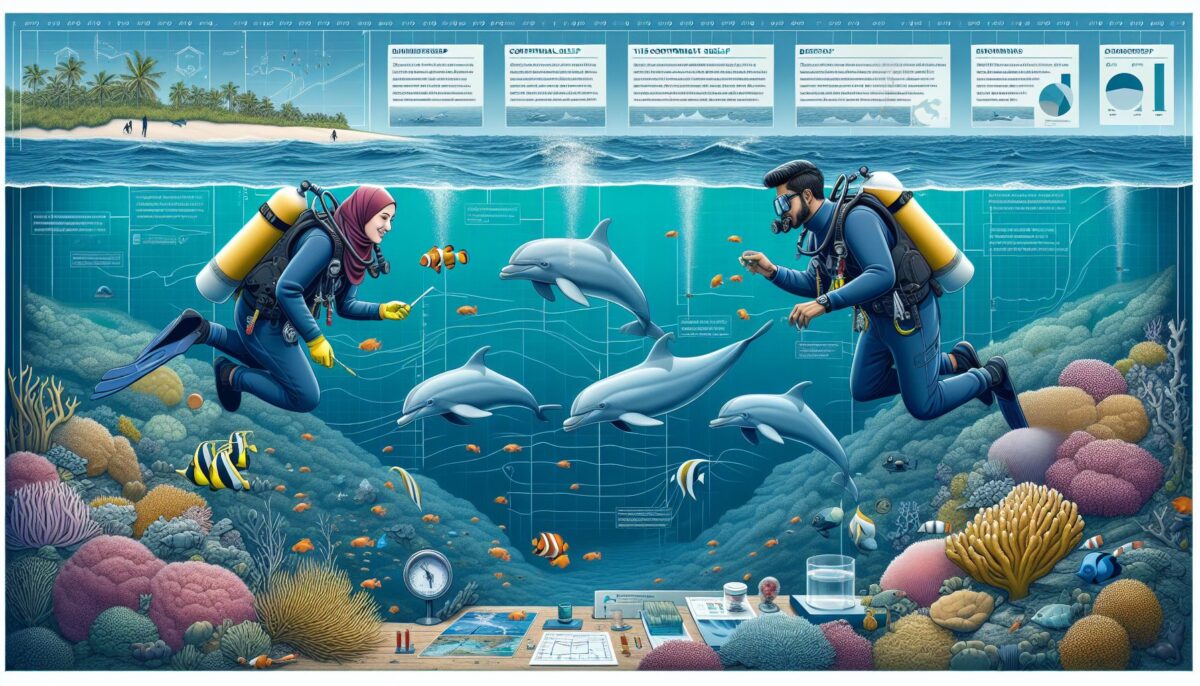
The ocean is a vast and mysterious place that covers over 70% of the Earth’s surface. It is home to an immense variety of life, influences global weather patterns, and serves as a crucial element for international trade and commerce. Among its many features, the continental shelf is a fundamental component of the ocean ecosystem, yet it often goes unnoticed by the general public. This extensive area of seabed around land masses has remarkable ecological, economic, and geopolitical significance. In this article, we will delve into the wonders of the continental shelf, exploring its formation, ecological importance, resource potential, and the challenges it faces.
What is the Continental Shelf?
Definition and Geology
The continental shelf is an underwater landmass which extends from a continent, resulting in an area of relatively shallow water known as a shelf sea. Much of these shelves are found at depths of less than 200 meters (NOAA). The shelf itself ends at a point of increased slope known as the shelf break. Beyond this point is the continental slope, followed by the abyssal plains of the deep ocean floor.
Geologically, continental shelves are composed of thick sediment layers that have eroded from the continents and have been transported to their current locations by rivers, waves, and ocean currents over millions of years. The width of continental shelves varies globally; some may extend hundreds of kilometers, while others are much narrower.
Formation
Continental shelves were formed by a combination of geological and climatic processes. During the last Ice Age, when sea levels were much lower, these areas were dry land or shallow coastal zones. As ice caps melted and sea levels rose, water flooded these regions, creating the continental shelves we see today. The process of plate tectonics, which involves the movement of the Earth’s lithospheric plates, also contributes to the shaping of continental shelf boundaries.
Ecological Significance
Diverse Marine Life
Continental shelves are among the most productive and biologically diverse areas of the ocean. They receive ample sunlight, fostering photosynthesis for ocean plants and algae. This, in turn, supports a complex food web from plankton to large marine mammals. Due to the high productivity, continental shelves provide vital spawning and nursery grounds for various fish species, making them important for fisheries and marine biodiversity.
Habitats and Ecosystem Services
These regions offer various habitats, including seagrass meadows, kelp forests, coral reefs, and estuaries. Each of these ecosystems plays a critical role in carbon sequestration, nutrient cycling, and providing protection against storms and erosion for coastal communities.
Resource Potential
Oil and Gas Reserves
The continental shelf is rich in natural resources, especially hydrocarbons. Large oil and natural gas deposits are often found here, and the shelf is a focal point for offshore drilling activities. Economic Exclusive Zones (EEZs) that extend 200 nautical miles from a country’s coastline allow nations to claim exclusive rights to explore and exploit resources within this belt (United Nations Convention on the Law of the Sea).
Minerals and Renewable Energy
Beyond fossil fuels, the continental shelf may harbor valuable minerals, including sand and gravel, which are crucial for the construction industry. Additionally, due to their relatively shallow and stable environments, continental shelves are becoming increasingly targeted for renewable energy advancements like wind farms and tidal energy projects.
Facing Challenges
Environmental Threats
While the continental shelf offers bountiful resources, it also faces significant environmental threats. Overfishing, marine pollution, and habitat destruction are major concerns. Practices such as bottom trawling can devastate seafloor habitats, and oil spills may lead to long-term ecological damage.
Climate Change Impacts
The effects of climate change, including sea level rise and ocean acidification, also pose serious risks to the health of continental shelves. The warming ocean can lead to loss of biodiversity, altering critical habitats, and coral bleaching. Furthermore, melting polar ice caps can introduce freshwater into the shelf seas, disrupting current patterns and salinity levels.
The Future of Continental Shelves
Conservation and Management
To protect the valuable ecosystems and resources of the continental shelf, nations worldwide must implement effective coastal and marine management strategies. Establishing Marine Protected Areas (MPAs) provides one approach to safeguarding critical habitats and biodiversity (IUCN). Sustainable fisheries management and pollution control measures are also essential in maintaining the health of these vital regions.
Exploration and Sustainable Use
The future will also bring continued exploration of the continental shelf. Advances in marine technology will allow for deeper understanding and monitoring of these ecosystems. As exploitation of shelf resources continues, striking a balance between economic interests and environmental conservation will be imperative. Developing sustainable practices for resource extraction, such as using eco-friendly equipment and techniques, will go a long way in reducing the impact on the shelf’s fragile environments.
Conclusion
The continental shelf is a place of riches and diversity that supports a wide array of marine life and provides resources essential to human societies. As we continue to explore and utilize this unique marine realm, we hold a shared responsibility to protect and manage it for future generations. Through concerted efforts towards research, eco-friendly resource exploitation, and strict environmental safeguards, we can ensure that the continental shelf remains a thriving part of our global ocean ecosystem for millennia to come.
In understanding the beauty and complexity of the continental shelf, we are reminded that despite its hidden nature, what happens in the depths of the ocean vitally affects life above and beyond the sea’s surface. The continental shelf is not only a cornerstone of marine life but also a critical factor in the puzzle of sustaining the Earth’s environment and humanity’s continued prosperity.
