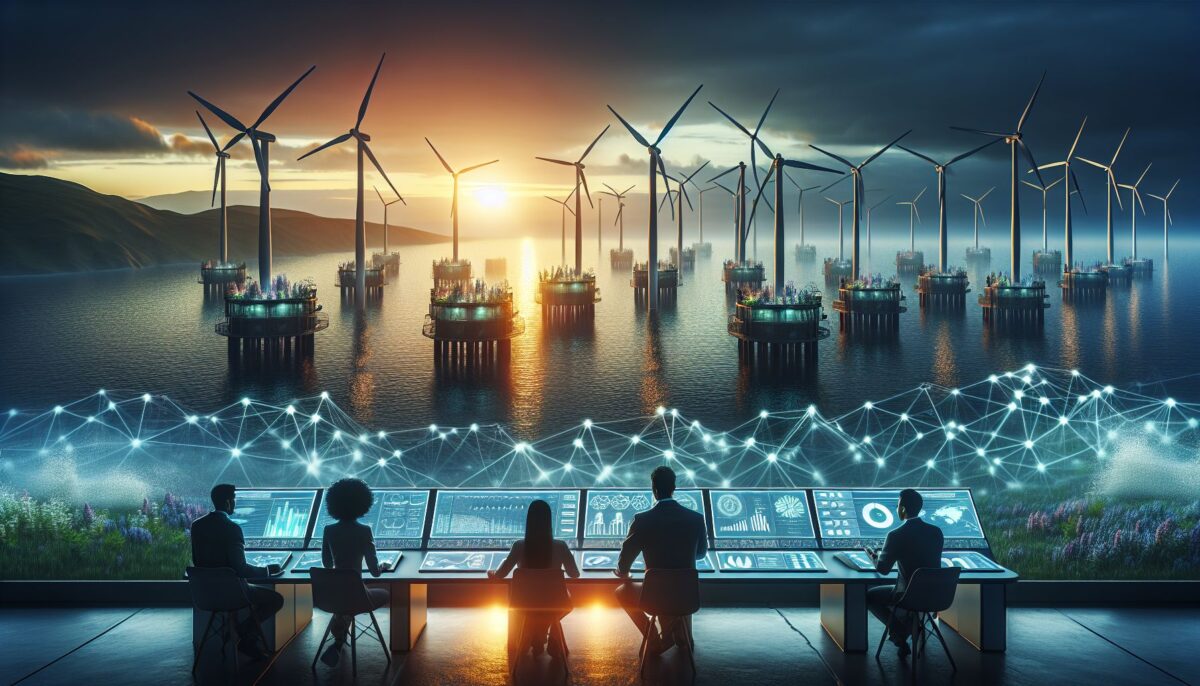
In the pursuit of finding sustainable and green energy sources, tidal energy emerges as a beacon of promise, harnessing the immense power of the oceans which cover more than 70% of our planet. This form of energy production is conceptually straightforward, yet technologically complex, tapping into the natural rise and fall of ocean tides to generate electricity. In this article, we will dive into the intricacies of tidal energy, exploring its potential, challenges, and impact on the future of renewable energy.
Understanding Tidal Power
Tides are the result of the gravitational forces exerted by the moon and the sun, coupled with the rotation of our planet. The reliability and predictability of the tides make them an ideal candidate for energy production. There are two primary types of tidal energy systems: tidal range and tidal stream.
Tidal range technology relies on the difference in water height, or the vertical distance, between high and low tides to drive turbines. This is typically achieved through the construction of tidal barriers or barrages across estuaries.
Tidal stream generators, on the other hand, harness the kinetic energy from flowing water caused by the rise and fall of the tides, similar to wind turbines under the water.
The Potential of Tidal Energy
The potential of tidal energy is vast. According to a report by the Ocean Energy Systems (OES), the global theoretical potential of tidal range and tidal stream energy is estimated to be between 1200 and 1600 TWh per year. To put that into perspective, 1 TWh can power around 85,000 homes for an entire year.
The advantages of tidal energy are numerous:
- Predictability: Tides are incredibly reliable and predictable, unlike other renewable sources such as wind or solar power. This allows power grids to plan for the exact amount of energy that will be produced.
- Environment-friendly: Tidal energy is a clean form of energy with zero emissions during operation, helping to reduce our dependence on fossil fuels.
- High Energy Density: Water is more than 800 times denser than air, which means that tidal turbines can generate significant amounts of power even at low speeds.
The Challenges of Harnessing Tidal Power
Despite its promise, tidal energy also faces several challenges:
- High Initial Costs: The construction of tidal power plants, especially tidal barrages, can be incredibly expensive and time-consuming.
- Environmental Concerns: The potential impact on marine life and ecosystems, including fish migration and sediment movement, needs careful consideration.
- Location-specific: Tidal energy generation is highly dependent on site selection, with only certain parts of the world having sufficiently high tidal ranges or stream velocities.
- Maintenance and Corrosion: Operating in saltwater environments poses significant maintenance challenges due to corrosion and biofouling.
Case Studies in Tidal Energy
The Sihwa Lake Tidal Power Station, South Korea
The Sihwa Lake Tidal Power Station in South Korea is the world’s largest tidal power installation, with a total power output capacity of 254 MW. It is a tidal barrage that also helps improve water quality by flushing out the lake with seawater, demonstrating the multifunctional benefits of tidal energy facilities.
The MeyGen Project, Scotland
The MeyGen project, located in the Pentland Firth off the coast of Scotland, is the world’s first large-scale tidal stream farm. It has been operational since 2016 and is expected to achieve an output of up to 398 MW upon completion, enough electricity to power roughly 175,000 homes.
The Future of Tidal Energy and Innovations
The future of tidal energy involves overcoming the initial hurdles to establish it as a cost-effective and environmentally sustainable energy source. Innovators and engineers are actively working to improve the technology. Some of the potential advancements include:
- Floating Turbines: To reduce installation costs and impact on the environment, companies are developing floating tidal turbines that can be deployed in deeper waters.
- Dynamic Tidal Power (DTP): This innovative concept involves creating long dams perpendicular to the coast without enclosing an area, potentially allowing countries with lower tidal ranges to exploit tidal energy.
- Enhanced Materials: Using advanced materials to build turbines that are more resistant to corrosion and biofouling can significantly reduce maintenance costs.
Tidal Energy’s Role in the Blue Economy
The blue economy represents the sustainable use of ocean resources for economic growth, improved livelihoods, and jobs while preserving the health of ocean ecosystems. Tidal energy can play a crucial role in this by providing a stable and sustainable source of energy to coastal communities and industries.
Additionally, co-location with other blue economy activities, such as aquaculture or maritime trade, could optimize the use of ocean space and resources.
Conclusion
As our world seeks to balance the increasing demand for energy with the need to combat climate change, tidal energy stands out as a key player in the transition to renewable energy. While it may not yet be as widely implemented as solar or wind power, its potential coupled with innovation could see tidal energy become a major contributor to a cleaner and more sustainable future.
The oceans hold the key to our energy needs, and through careful planning, technological advancements, and environmental considerations, tidal energy can be an integral part of the solution. As research continues and projects like the Sihwa Lake station and MeyGen illustrate success, we can expect to see further investments and interest in the exploration of this powerful and predictable resource.
References
- Ocean Energy Systems (OES), “An International Vision for Ocean Energy” (Version 2), 2020.
- International Energy Agency (IEA), “Incentive Scheme for Sihwa Tidal Power Plant in South Korea.”
- MeyGen Ltd., “The MeyGen Project: Delivering the World’s First Large-Scale Tidal Energy Farm”.
The exploration of tidal energy is not just about generating power; it echoes humanity’s innovative spirit and respect for the earth’s natural rhythms. It is a testament to our ingenuity and an inspiring chapter in the ongoing story of renewable energy.
