Archives (page 27 of 31)

The Role of Tidal Energy in Clean Power Generation: A Deep Dive into Renewable Solutions

Our planet possesses an endless beauty that never ceases to inspire, and with that comes a vast source of untapped resources. One of these, lying in the restless movement of our oceans, is tidal energy. Tidal energy has been the source of growing interest and research over the past few years, proving itself a promising candidate for renewable energy production.

Tidal Energy: Unlocking the Potential

Tidal energy, as the name suggests, comes from the natural ebb and flow of oceanic tides. The moon’s gravitational pull mainly causes these tides, resulting in a rhythmic movement of the sea. This movement can be harnessed to generate electricity, presenting an efficient and consistent means of renewable power generation [^1^].

Unlike other forms of renewable energy such as solar and wind, tidal energy is predictable and consistent, making it a reliable source of power. Moreover, it has a significantly reduced environmental impact compared to traditional fossil fuels [^2^].

The Mechanics of Tidal Energy

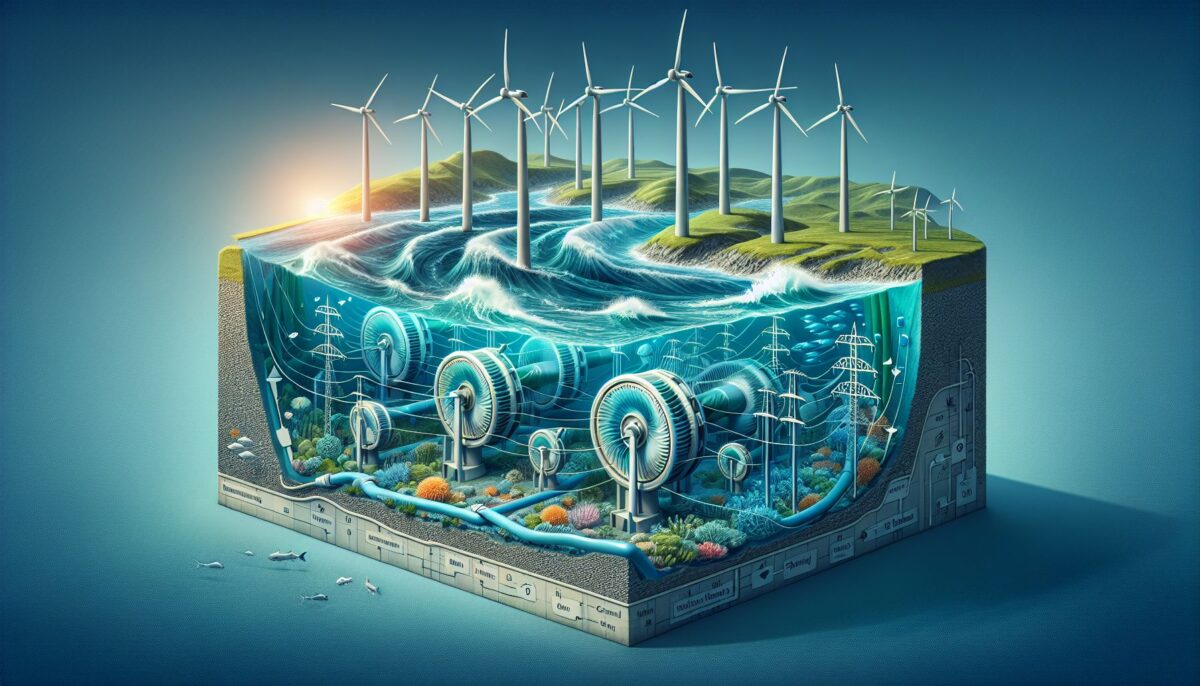
The process of obtaining energy from the sea’s tides involves building a turbine in the sea that spins as tides move in and out of a bay or estuary. As the water flows, it turns the turbine, which in turn rotates a generator producing electricity.

There are two main types of tidal energy technologies: Tidal Stream Generators (TSG) and Tidal Range Technologies. TSGs work like underwater wind turbines, capturing the kinetic energy from moving water. Tidal Range Technologies, on the other hand, make use of the height difference between high and low tides to generate electricity.

The Global Tidal Energy Landscape

Countries with large coastlines and significant tidal ranges, such as the UK, Canada, and France, are leading in terms of tidal energy deployment [^3^]. The UK, most notably, has been at the forefront of tidal power generation, with projects such as the Swansea Bay Tidal Lagoon.

Meanwhile, China has recently stepped up its efforts in the tidal energy domain—a notable example being the Jiangxia Tidal Power Station, the third-largest tidal power station worldwide.

Challenges and Opportunities

Despite the promise of tidal energy, the sector faces a few challenges. Firstly, the technology for tidal power generation is relatively new and therefore lacks the necessary infrastructure. Additionally, tidal energy can also lead to localised ecological impacts such as altering tidal patterns and affecting marine life.

However, the continued advancements in tidal energy technology have demonstrated immense potential, mitigating many environmental concerns. Studies are also being conducted to further understand the possible impacts of tidal turbines on marine ecosystems[^4^].

The Future of Tidal Energy

Considering the urgent need to shift toward cleaner, reliable, and renewable energy sources, tidal energy is carving out a unique and indispensable niche. The energy contained in our oceans, if appropriately harnessed, is capable of meeting a significant portion of our global energy needs.

With advancements in technology and more investment in the field, the day is not far when tidal energy will take its deserved place in the pantheon of renewable energy solutions, contributing significantly to the global energy mix[^5^].

In conclusion, while tidal energy is still in its early stage, with new technologies emerging, it holds promise as an abundant, predictable, and emission-free source of power. In the war against climate change, it is more crucial than ever to embrace such innovative and sustainable solutions.

[^1^]: National Ocean Service – Tidal Energy

[^2^]: Marine Insight – Benefits and Drawbacks of Tidal Energy

[^3^]: Ocean Energy Europe – Tidal Energy

[^4^]: The Guardian – Impact of Tidal Power Stations on Marine Wildlife

[^5^]: IRENA – Tidal Energy

Exploring the Blue Economy: The Future of Sustainable Oceanic Development

The blue economy concept might be unfamiliar to many, but it is the dynamic shift we need to align economic development with ocean sustainability. This unique approach seeks to balance the marine ecosystem, economic growth and improved livelihoods – all while preserving the functionality, biodiversity, and health of the oceans ^1^. Welcoming a closer peek into this burgeoning paradigm, let’s unpack the integral aspects of the blue economy.

Understanding the Blue Economy

Before delving into specifics, it’s crucial to understand what exactly the blue economy entails. The World Bank defines the blue economy as “the sustainable use of ocean resources for economic growth, improved livelihoods and jobs, while preserving the health of the ocean ecosystem” ^2^. It believers in the conservationist approach that economic development and the preservation of natural resources aren’t mutually exclusive.

The Economic Perspective

The ocean economy, which forms a significant portion of the blue economy, contributes approximately \$1.5 trillion annually and supports an estimated 31 million direct full-time jobs ^3^. Key sectors associated with the ocean economy include aquaculture, fisheries, maritime trade, navigation, offshore drilling, ports, shipping, marine tourism, and renewable ocean energy.

Environmental Balance & Protection

The conventional economic model often results in unsustainable exploitation of ocean resources, leading to marine pollution, endangered species, and ocean acidification. Contrastingly, the blue economy prioritizes sustainable practices – for instance, nurturing healthy marine ecosystems equates to higher fish yields in the fishing industry. This balance encourages fewer invasive fishing techniques, thereby reducing the negative impact on marine life.

Scaling Down: Coastal Communities

The blue economy also plays a significant role in rural communities dotted along the coastline. Small-scale fisheries, aquaculture, and coastal tourism form an essential part of these economies, supporting tens of millions of jobs globally. The blue economy model acknowledges the invaluable role of these communities in ocean resource management and integrates their traditional knowledge into modern practices for sustainable development.

The Future of the Blue Economy

The potential expansion of the blue economy is colossal. Think renewable energy generated from tides, waves, and currents; algae transformed into biofuel; or better utilization of the wide variety of marine algae for pharmaceutical applications. It also offers scope for increased protection of our oceans by actively encouraging marine protected areas and effective coastal management.

The urgency for a robust response against marine pollution and oceanic degradation is clear. The world has been forced to reevaluate its relationship with nature, and in the oceans, this translates into the rise and increasing acceptance of the blue economy.

Ultimately, it is a journey that emphasizes responsible stewardship and sustainability in developing our oceans. A transformation from older paradigms of ‘ocean exploitation’ to ‘ocean care’. It’s more than an economic model; it’s a shift in understanding and culture that gives importance to the very thing that enables life on Earth – the Ocean.

To learn more about the blue economy, the challenges, and opportunities that lie ahead, I recommend visiting the International Maritime Organization’s website. Additionally, the World Wildlife Fund’s page offers a fantastic corridor into the work being done to protect our oceans and sustainably use marine resources. Lastly, for comprehensive and updated statistics about the blue economy, the OECD’s Ocean Economy Database is an excellent resource.

The Mysteries and Marvels of the Ocean: An In-Depth Dive into Life Beneath the Waves

The ocean, that vast and incomprehensibly deep swath of blue that covers more than two-thirds of our planet, has always held a deep allure for mankind. Its depths contain untold secrets, its waves sing songs of far-off places, and its inhabitants add splashes of vibrant colour to the world beneath the waves.

There exists a unique connection between mankind and the ocean. We stand at the shore, staring out into the expanse knowing that beneath the serene or stormy facade, there lies a world as diverse, vibrant, and complex as our own. It’s a world, however, we know so little about. Scientists have mapped much less of the ocean floor than the surface of the moon or Mars. The ocean’s depths are home to the highest mountains, deepest valleys, and the vastest plains on earth, and yet so much of it has yet to be seen by human eyes.

Exploring the Chronicles of The Deep

But what do we know about this underwater world, and how have we discovered what we do know? The science of oceanography is the answer to that.

Oceanography encompasses a broad range of topics, including marine life and ecosystems, ocean currents, wave dynamics, plate tectonics and the geology of the seafloor, and fluxes of various chemical substances and physical properties within the ocean and across its boundaries with the atmosphere, seafloor, and ice. Studying these processes and marine phenomena gives us a deeper understanding of our planet.

The Teeming Life Below

The diverse and numerous organisms that live in the sea have evolved over billions of years. Marine biodiversity is a critical aspect of the planet’s health and well-being. From the smallest plankton to the largest whale, every creature plays a significant role in how our planet operates and functions.

Plankton, the near-microscopic creatures that float in the water column, produce half of the world’s oxygen through photosynthesis. They form the basis of the marine food web, being consumed by everything from tiny krill to gigantic whales. In a sense, without plankton, life as we know it would cease to exist.

Whales, the giants of the sea, are equally as fascinating. The Blue Whale, the largest creature to have ever existed, can grow up to 100 feet long and weigh as much as 200 tons. These behemoths consume krill, a small shrimp-like creature, by the thousands, inadvertently playing a significant role in carbon sequestration, helping our planet regulate its climate.

An Imminent Crisis: Ocean Acidification and Coral Bleaching

In our discussions about climate change, we often forget to mention one of its most disastrous effects – ocean acidification. As we pump more carbon dioxide into the atmosphere, the ocean absorbs a significant part of it. This process reduces the pH of the water, making it more acidic. Ocean acidification is starting to have severe implications for marine life, some of which build their shells and skeletons from the minerals in seawater.

Coral reefs, often labeled as the ‘rainforests of the sea,’ are home to a quarter of all marine species. They are at significant risk due to the warming of the ocean caused by climate change. When sea temperatures rise, corals become stressed and expel the algae living in their tissues, causing a phenomenon known as coral bleaching.

The Blue Economy: An Untapped Potential

Despite the challenges, our ocean holds immense untapped potential – a fact now being recognized via the concept of the Blue Economy. The Blue Economy entails using the ocean resources for economic growth, improved livelihoods, and jobs while preserving the health of the ocean ecosystem.

It includes various sectors, from traditional occupations such as fisheries, tourism, and maritime transport to new and emerging ones like renewable energy (offshore wind, wave, tidal), seabed extraction, marine biotechnology, and aquaculture.

As we move towards a sustainable future, understanding our oceans is more important than ever. By increasing our knowledge and appreciation of the underwater world, we can better protect it and access the countless resources and benefits it has to offer.

In conclusion, our oceans are an incredibly important aspect of the world. They account for over two-thirds of the earth’s surface, are home to a diverse range of marine life, play a crucial role in regulating our climate and hold significant economic potential. If we are to create a more sustainable and equitable future, we must ensure that our oceans are given the respect and protection they truly deserve.

The Fascinating World of Marine Life: A Deep Dive Into The Underwater Realm

Marine life is as broad and varied as the expansive oceans themselves. From the tiniest plankton to the most enormous whales, marine life, also known as marine fauna and flora, is an integral part of our planet’s ecosystem. This article is all set to embark on a fascinating, intricate journey into the captivating universe below the water’s surface-the world of marine life.

The Concept of Marine Life

By definition, marine life comprises all living organisms found in saltwater bodies such as oceans, seas, and bays. This includes not only the fish and mammals that we commonly associate with marine life, but also birds, reptiles, insects, fungi, bacteria, and viruses that live or spend a significant part of their life in marine habitats.

Understanding the Oceanic Layers

The oceans are structured into different layers, each with unique challenges and resident creatures. The topmost layer, known as the Epipelagic or Sunlit zone, is bustling with life due to ample sunlight that encourages photosynthesis. The vast majority of known marine species dwell in this warm, bright layer.

Beneath the Epipelagic layer is the Mesopelagic or Twilight Zone, bathed in weak light and inhabited by deep-sea creatures like the swordfish and squid. Further down lies the dark Aphotic zone, consisting of the Bathypelagic (Midnight), Abyssopelagic (Abyss), and Hadopelagic (Trench) zones, where conditions are harsh and life is surprisingly resilient. Find more about these zones here.

Remarkable Biodiversity

Marine life is astoundingly diverse, with scientists estimating millions of undiscovered species still lurking in the ocean’s depths. Let’s explore the most common classifications of marine life.

Marine Animals

Marine animals encompass a vast range of species, from the ray-finned fishes, cartilaginous fishes like sharks and rays, to marine mammals like whales, dolphins, and seals. There are marine reptiles such as sea turtles and saltwater crocodiles, and countless invertebrates like shellfish, squids, octopuses, and jellyfish.

Marine Birds and Insects

While most bird species live on land, some like penguins, albatrosses, and puffins are considered marine birds due to their dependency on the sea. Additionally, several insect species have adapted to marine environments, such as the marine skater, a type of water strider.

Marine Plants and Algae

Marine plants, including seagrasses and mangroves, form crucial ecosystems, providing nurseries to various marine species. Algae, the most plentiful type of marine plant life, plays a significant role in oxygen production and forms the base of many food chains. Read more about marine plants and algae here.

The Importance of Marine Life

Marine life is essential for the earth’s health and human survival. Here’s why:

  1. Biodiversity: Marine ecosystems hold incredible biodiversity, sheltering many more species than terrestrial ecosystems. This diversity is crucial for the globe’s health and stability.

  2. Climate Regulation: Oceans absorb about 30% of CO2 emissions, mitigating the effects of global warming. Plus, they regulate the weather and generate most of the oxygen we breathe.

  3. Economy: It supports industries like fishing, tourism, and marine biotechnology, significantly contributing to the global economy.

  4. Research and Medicines: The sea is a treasure trove of potential scientific discoveries and medicinal breakthroughs. Many marine organisms produce unique compounds used in medicines and treatments.

Threats Facing Marine Life

Sadly, marine life is encountering serious threats due to human activities. Overfishing, climate change, plastic pollution, oil spills, and habitat destruction are rapidly causing extinction and the deterioration of marine ecosystems.

Conclusion

Marine life is an enthralling world full of beauty, diversity, and mystery. As we advance towards the future, it’s crucial to recognize the economic, scientific, and environmental relevance of our oceans and their inhabitants. Conserving and protecting marine life should be a shared global responsibility for ensuring the continuity of this magnificent underwater realm and the planet at large.

Through knowledge, awareness, and commitment, we can make a difference. The ocean’s song is a call to humanity – a plea for respect, care, and preservation. It beckons us to delve deeper, learn more, and ensure that the colorful symphony of its waters continues for generations to enjoy and admire.

The Unseen Power: An Insight into Tidal Energy

There is something wonderfully evocative about standing on the shore, gazing out at the unfathomable extent of the ocean. But, just before we are overwhelmed by its grandeur, out our feet, the tide rolls in, a gentle reminder of its relentless, rhythmic presence. However, the power they hold is far from gentle. Tides have the capacity to drive an untapped, sustainable energy source, often unheard of and underexploited: tidal energy Learn more about renewable energy here.

In this article, we embark on an enlightening journey, exploring the magic beneath the undulations of the ocean which holds potential solutions to our global warming crisis and energy security issues.

Tidal Energy: A Primer

Tidal energy falls under the umbrella of hydrokinetic energy derived from the power of moving water. It utilizes the inherent ebb and flow of our planet’s oceans caused by gravitational forces exerted by the Moon and the Sun. This renewable energy resource, although currently underutilized, could serve as an inexhaustible and predictable source of power.

The energy generation process revolves around harnessing the changes in tidal flows in and out of coastal areas. Specialized turbines are placed into tidal streams or constructed into tidal barrages to capture and convert the kinetic energy from the moving water into electricity, a concept similar to wind turbines capturing the wind’s power.

The Potential of Tidal Power

The unique feature setting tidal energy apart from its renewable counterparts such as wind and solar is predictability. The high and low tides are periodic and easy to forecast accurately because ocean tides are influenced by the gravitational forces of the moon and sun, which follow a set cycle. Thus, tidal energy can potentially provide a steady and reliable energy supply compared to other more weather-dependent renewable sources.

While the contribution of tidal energy to the global power mix is minimal now, it has the potential to supply a substantial portion of our future energy demand. The World Energy Council estimates that roughly 1,000GW of tidal energy potential is available globally, which, when exploited, could fuel around 10% of world’s energy demand Exploring potential in tidal energy.

Tidal Power: Current Implementations and Challenges

One of the most significant tidal power projects is found in the Rance Estuary in France, which houses the world’s first tidal power station inaugurated in 1966. Other notable locations with substantial tidal power installations include the Sihwa Lake Tidal Power Station in South Korea, and the Annapolis Royal Generation Station in Canada.

However, the main challenges hindering the path of tidal power are twofold: economic and environmental.

The initial cost of setting up tidal power facilities can be quite high, mainly due to the investment in robust machinery that can handle the harsh ocean environment. The lower return on investment, thus, acts as a barrier for prospective investors Learn about the economy of tidal energy.

The effect on marine life is another area of concern. Tidal turbines could pose a threat to sea creatures, not to mention the potential impact on migratory routes of aquatic animals and the anchoring of turbines on the seafloor affecting the marine ecosystem. Comprehensive research in these areas is hence warranted to ensure we do not compromise marine biodiversity in our pursuit of cleaner energy.

The Future of Tidal Energy

A push towards a greener planet means that the currently underutilized tidal energy must play a significant role in our future energy strategies. Countries with appropriate coastal features should invest in this promising technology, as with correct implementation, tidal power can significantly reduce our reliance on fossil fuels and contribute towards our fight against climate change.

While technology advances are crucial to make tidal energy a more attractive investment for energy companies, policy changes too should come into play, encouraging the development of this renewable energy source.

This vast, untapped energy source could be the answer to our energy worries. It’s high time we look beyond the land for solutions and harness the incredible power of the mighty oceans; after all, they represent more than two-thirds of our ‘Blue Planet’. Let us weave sustainable blue economies and tread a path that harmonizes humans and the oceans Harnessing the oceans for a sustainable future.

In the heart of the vast expanse of ever-flowing tides, lies the promise for a sustainable and predictable power source. The ocean is not just a blue mass celebrating life but a platform resonating with the rhythm of potential energy, waiting for its song to be heard, celebrated, and utilized for environmental good.

The Invisible Heroes of the Oceans: Understanding the Role of Plankton in Marine Ecosystems

Plankton, often overlooked by many due to their microscopic size, play a critical role in marine ecosystems. These tiny creatures are the bedrock of the marine food chain and contribute significantly to the world’s oxygen supply. Understanding the role of plankton in marine ecosystems is crucial in acknowledging their immense contribution to our planet and life as we know it.

Plankton: The Unsung Heroes of the Marine Ecosystems

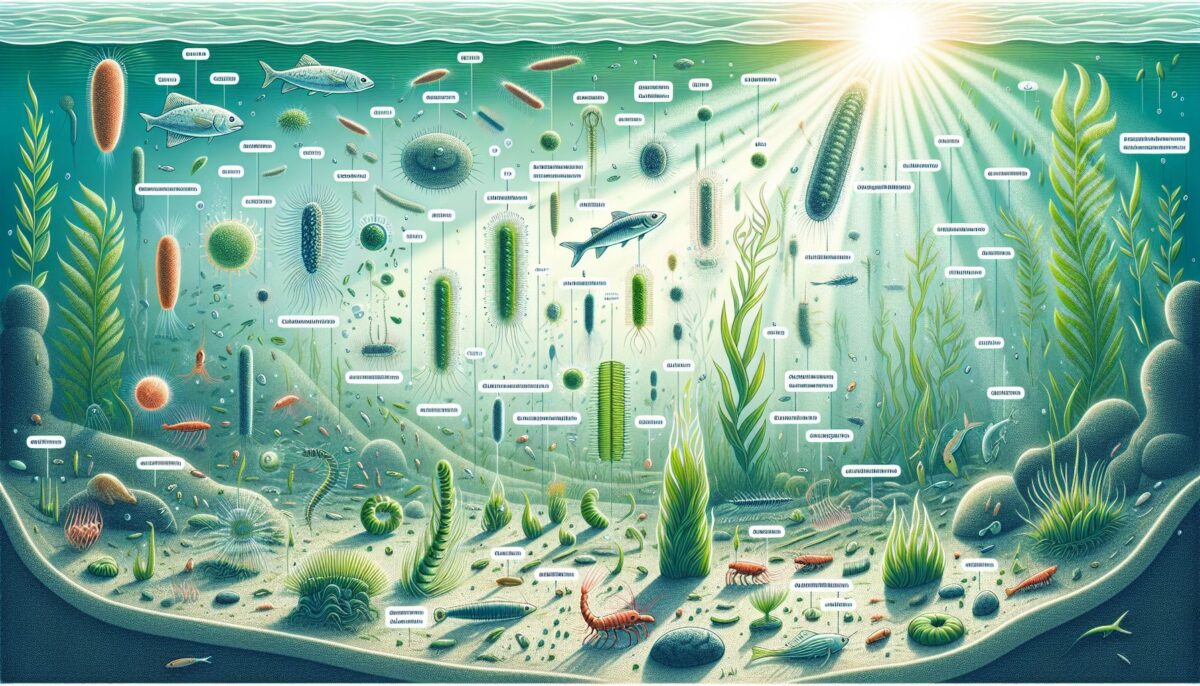
Oceanic planktons encompass a wide diversity of drifting organisms, ranging from microscopic algae to small animals, including the larval stages of larger creatures. Their name is derived from the Greek term ‘planktos’, meaning wanderer or drifter, as they move about the ocean’s currents.

Despite their small size, these organisms have a massive impact on our planet. They are the primary producers in the ocean, utilizing sunlight to convert carbon dioxide into oxygen and carbohydrates in a process known as photosynthesis. It is estimated that marine phytoplankton generates about half of the global oxygen! If this doesn’t make plankton the real-life superheroes, then we don’t know what does!

Plankton’s Role in the Food Chain

In addition to producing oxygen, these microscopic organisms are the primary food source for a plethora of marine creatures, both small and large. From tiny crustaceans and fish larvae to immense baleen whales and even the colossal blue whales, rely heavily on these tiny organisms for nourishment.

While phytoplankton (plant plankton) forms the base of the marine food chain, zooplankton (animal plankton) occupies the second level, consuming phytoplankton and in turn, being preyed upon by larger marine species. Essentially plankton is the life-support for vast marine life, sustaining the biodiversity within the world’s oceans.

Through the food chain, the energy and nutrients contained within plankton are transferred, supporting diverse and vibrant marine ecosystems.

Plankton and Climate Change

Plankton are not only critical for the marine food webs and oxygen production but also help regulate the Earth’s climate. They act as ‘biological pumps,’ absorbing vast amounts of carbon dioxide from the atmosphere, thereby playing a vital role in combatting climate change.

As they photosynthesize, phytoplankton absorb carbon dioxide. When these organisms die, they sink to the seafloor, effectively trapping the carbon in the deep ocean for centuries. This process, known as the biological carbon pump, effectively removes this greenhouse gas from the atmosphere, helping mitigate global warming.

Threats to Plankton Populations

Sadly, as with many elements of the natural world, plankton populations are under threat. Climate change, ocean acidification, and pollution, among other modern-day challenges, are disrupting plankton populations and therefore, the broader marine ecosystems they support.

Changing water temperatures and acidification can reduce plankton populations, ultimately disrupting the marine food chain. Furthermore, pollution, particularly plastic pollution, poses a significant threat. These miniature ocean drifters often mistake plastic for food and consume these pollutants, with repercussions reverberating up the food chain.

The Key Takeaway

Despite their minute size, plankton have an enormous impact on planet Earth. They serve as the producers of much-needed oxygen and are the fundamental food source for countless marine species. Simultaneously, they serve as crucial warriors in the battle against climate change, absorbing vast amounts of carbon dioxide from our atmosphere.

Understanding the role of these invisible heroes is essential because what affects them ultimately affects us. Proper measures need to be put to maintain the balanced state of our marine ecosystems in which plankton navigate. Making conscious choices to reduce our carbon footprint and decrease pollution can be an initial step towards safeguarding these vital creatures and, by extension, our planet.

Check out more about plankton and their role in marine ecosystems on these sites:
1. NOAA’s National Ocean Service: Plankton
2. Nature: Profiling Plankton’s Role in Climate Change
3. Encyclopedia Britannica

Exploring the Marvels and Mysteries of Oceanography: A Deeper Dive into Our Planet’s Oceans

Oceanography is a remarkable field that investigates the mystifying expanse of oceans to gain insights into human impact, climate change, and marine biodiversity. It is a vast subject that covers several facets—physical, chemical, geological and biological—of the world’s oceans. This multi-disciplinary science aims to unravel the mysteries of the deep seas and how they influence the global ecosystems.[^1^]

The Many Facets of Oceanography

Oceanography is a broad and diverse field, further divided into several specialized areas such as physical oceanography, chemical oceanography, geological oceanography, and biological oceanography. Physical oceanography focuses on the study of ocean currents, waves, and tides, as well as their interaction with atmospheric phenomena. Chemical oceanography, on the other hand, centers around the chemical composition of seawater, nutrient cycles, and chemical interactions between the ocean, atmosphere, and seafloor. Geological oceanography investigates the geology of the ocean floor, including the continental shelf, the deep sea, and underwater formations such as volcanoes and trenches. Biological oceanography is the study of marine life, from tiny plankton to massive whales, their habitats, diversity, and the impact of environmental changes on them.[^2^]

Unraveling the Puzzle of Ocean Currents

The mass movement of ocean water called the ocean current plays a crucial role in regulating the Earth’s climate. These currents, which include both surface currents and deep-water currents, act as a global conveyor belt, transporting heat, nutrients, and organisms around the world. Ongoing research in this area is primarily focused on studying the impact of climate change on these currents. The challenge lies in learning how altering circulation patterns might affect global temperatures, regional weather patterns, and marine ecosystems.[^3^]

The Intricacies of Marine Biodiversity

The oceans are home to a wealth of species, some still unknown to humans. Exploring marine biodiversity helps us to understand how life evolves in the wide array of habitats found in the sea, from sunlit coastal regions to the depth of the Mariana Trench. In addition to cataloging species, researchers work to identify the interconnections within and between ecosystems. Understanding these ecosystems’ dynamics is of the utmost importance, considering the mounting threats from overfishing, pollution, climate change, and habitat destruction.

The Role of Ocean Acidification in Coral Bleaching

Another critical area of research is ocean acidification and its impact on marine life, particularly coral reefs. Increased carbon dioxide (CO2) emissions have led to a rise in seawater acidity levels, disrupting the balance needed by corals and other marine organisms that build shells and skeletons from calcium carbonate. This imbalance triggers a phenomenon known as coral bleaching, whereby corals lose their vibrant colors and turn white. Without swift intervention, acidification could devastate marine ecosystems and the human communities that depend on them. Even more worrying is that these changes could lead to a cascade effect, causing widespread damage to oceanic ecosystems.[^4^]

Beyond Research: The Blue Economy

Understanding our oceans and their myriad contributions isn’t just limited to scientific research. The concept of the ‘Blue Economy’ is increasingly recognized as a means to balance economic growth with sustainable sea and ocean-related activities. It proposes harvesting the oceans’ resources in a sustainable manner, benefiting coastal communities economically and socially while minimizing environmental impact. This includes sectors like fisheries, aquaculture, tourism, marine renewable energy, and even the fashion industry.[^5^]

Conclusion

Our planet’s oceans are complex systems that we’re still striving to fully understand. They regulate our climate, house a treasure trove of biodiversity, and serve as crucial economic engines. Through the field of oceanography, we can continue to explore these vast waters to ensure their health and longevity for future generations.

We must remember, though: the first step to preservation is understanding. Only by gaining more information about our oceans can we enact effective protection and conservation strategies.

[^1^]: Scripps Institution of Oceanography
[^2^]: NOAA National Ocean Service Education
[^3^]: NASA’s Scientific Visualization Studio
[^4^]: NOAA Fisheries
[^5^]: The Blue Economy – Sustainability Vision or Neo-liberal Green Washing?

The Unseen Symphony of the Seas: Understanding Ocean Currents and their Impact

Ocean currents are the continuous, massive movement of ocean water from one place to another. These currents shape our world’s weather patterns, maritime shipping routes, marine life diversity, and even the ever-emerging blue economy. In the grand panorama of ocean dynamics, ocean currents are the unseen symphonies wielding the baton of sea processes.

Unraveling the Tapestry of Ocean Currents

Just as wind scurries across the desert, unveiling invisible landscapes with each gust, so do ocean currents teeter through Earth’s oceans. The current can be cold or warm, surface or deep, hence creating a complex oceanography narrative.

Cold currents usually originate at the poles and move toward the equator, while warm currents begin in the tropics and progress towards the poles. As a rule of thumb, ocean currents in the Atlantic and Pacific oceans circulate in a clockwise direction in the northern hemisphere and counterclockwise in the southern hemisphere.

Surface Currents

Surface currents develop from friction between the ocean’s surface and wind. They constitute about 10% of all waters in the ocean and are typically the first 400 meters of ocean water. Notable examples include the Gulf Stream in the North Atlantic and the Kuroshio Current in the Pacific.

Deep Ocean Currents

Deep ocean currents, also known as thermohaline currents, make up the remaining 90% of the ocean. Unlike surface currents, these are primarily driven by changes in seawater density that occur due to variations in temperature (‘thermo’) and salinity (‘haline’).

Cradles of Climate: How Ocean Currents influence Global Weather Patterns

No conversation about global weather patterns would be complete without acknowledging the profound influence of ocean currents. They act as the conveyor belt for heat around the planet.

Warm surface currents like Florida’s Gulf Stream ferry substantial heat from the equator towards higher latitudes. When this warm water ultimately cools and sinks in areas around the Arctic, the result can be severe weather phenomena. This process can lead to the formation of powerful storm systems.

Moreover, the recent escalation in extreme weather events is potentially linked to changes in ocean currents. Scientists at the Potsdam Institute indicate that global warming weakens critical ocean currents, leading to severe weather alterations.

Ocean Currents and Marine Life

Ocean currents play a vital role in shaping the geographic distribution and diversity of marine life. Cold currents are nutrient-rich, attracting a wealth of marine biodiversity. Conversely, warm currents often lack nutrients, resulting in ‘marine deserts’ with sparse aquatic lifeforms.

A classic illustration is the Galápagos Marine Reserve. Home to an array of rich and diverse marine life, the sea’s prosperity is underpinned by the confluence of several oceanic currents, including the cold Cromwell and Humboldt currents.

Currents as commercial conundrums

Mariners have long recognized ocean currents as either boon or bane. For favorable directions, currents can shorten trips, conserve energy, and expedite deliveries. In contrast, currents can make navigation more dangerous and costly when they oppose a ship’s direction.

Ocean currents also dictate the locations of lucrative fishing spots. Nutrient-rich currents, for instance, are fishing hotspots with teeming schools of fish.

Ocean currents and the Blue Economy

An increasingly popular modern narrative is the concept of the blue economy – a sustainable economic model primarily focused on oceans. Ocean currents are being seen more and more as opportunities for tapping into renewable energy sources through tidal and wave energy generation.

Countries like the United Kingdom, Canada, and Australia are piloting projects that harness the energy of ocean currents. Similarly, the transport industry is intrigued by possible fuel cost reductions by strategizing shipping paths that align with favorable currents.

Conclusions and hopes on the horizon

As we learn more about our oceans, it is becoming abundantly clear that ocean currents play a formidable role in modulating marine biodiversity, our global climate, and commercial activities. The future of our marine environment, and perhaps our survival on this planet, hinges on the delicate dynamic of these unseen symphonies of the sea.

The Intricate Dance of Ocean Currents: An Invisible Powerhouse

In the grand theater of nature, nothing is as silently powerful and omnipresent as ocean currents. As if following an intricate choreography set by the cosmic dance of the Earth and the moon, wind, and the sun, these mighty streams crisscross the planet, defining not only the journey of water but also shaping the Earth’s climate and nurturing life.

The Swirling Story of Currents

Ocean currents ([1])(https://oceanservice.noaa.gov/education/tutorial_currents/welcome.html) are continuous and directed movements of seawater. They are generated by the forces acting upon the ‘water mass’ like the Earth’s rotation, the wind, the temperature and salinity differences, and the gravitational pull of the moon. The currents that run on the ocean surface are generally driven by wind and carry heat away from equator towards the poles, playing a crucial role in regulating the Earth’s climate. These currents constitute about 10% of all the water in the ocean. The other 90% is part of the deep-water section, influenced by water pressure, salinity variations, and heat exchanges.

Guardians of Global Climate

Ocean currents are the lifeblood of the planet. By transporting heat from the tropics to the polar regions, they regulate the Earth’s climate and influence local weather conditions. For instance, the Gulf Stream, a powerful, warm, and swift Atlantic Ocean current, keeps the North Atlantic more temperate, allowing the United Kingdom and Nordic countries to enjoy milder winters than their latitudes would normally permit ([2])(https://climate.nasa.gov/news/2613/not-just-another-stream/).

Ocean Highways: A Maritime Lifeline

Apart from climatic roles, ocean currents play a crucial role in maritime transportation, acting as natural highways for vessels. Knowledge of these currents helps mariners save both time and fuel. For instance, the Agulhas Current along the eastern coast of South Africa is swift and narrow and is popular with shipping lines.

Currents and Marine Ecosystems

Ocean currents also have a profound effect on marine ecosystems. Acting like a giant conveyor belt, they transport nutrients from the depths of the ocean to the surface, feeding phytoplankton and thus setting in motion the food chain in oceans. They also aid in the migration of fish and other marine animals, making them essential for the sustainability of marine biodiversity ([3])(https://ocean.si.edu/ocean-life/fish/how-currents-affect-marine-life).

When Currents Change Course

While ocean currents serve as stabilizing forces on Earth, changes in their pattern due to climatic aberrations can have profound and sometimes devastating impacts. Unusual ocean and atmospheric conditions can result in events like El Niño, warming the ocean surface and causing dramatic alterations in weather across several parts of the globe. On the other extreme, slowing or shutdown of the system of currents in the Atlantic, also known as Atlantic Meridional Overturning Circulation (AMOC), due to climate change can plunge Europe into a miniature ‘Ice Age’.

In the Tears of the Coral

Even the delicate yet vibrant coral reefs are at the mercy of the ocean currents. They rely on currents for their food, reproduction, and even to build their magnificent structures. Changes in current patterns can lead to coral bleaching events, putting these stunning creatures at risk.

Unleashing the Power: Currents for Energy

Ocean currents also hold immense potential for energy generation. Technologies are being developed to harness the kinetic energy of these currents for a renewable source of power, potentially giving birth to a new realm in marine energy.

A Lot More to Uncover

Thing is, we know more about the surface of the moon than about the oceans and currents that swirl beneath the waves on our own planet. And that’s why it is crucial to understand, respect, and protect these invisible powerhouses. The dance of the currents is complex, compelling, and is essential to life itself. Let’s take a moment to celebrate these unappreciated and underestimated planetary heroes – our ocean currents.

In the haunting words of Rachel Carson, the famed marine biologist, and conservationist, “In every outthrust headland, in every curving beach, in every grain of sand, there is a story of the Earth”. And the currents, the mighty currents, are the ones whispering these stories in our ears.

Unraveling the Underwater World: The Mysteries of Coastal Currents

Coastal Currents

Coastal currents are a remarkable aspect of our oceanic world. As part of a vast global system, they influence climate, marine life, and human activities. Along coastlines, they deposit sediments that shape the contours of our shores, connect niches of life across distance and depth, and influence the local atmospheric temperature around coastal communities. Consequentially, fluctuating currents have a knock-on effect on complex marine ecosystems, the safety of maritime navigation, and the efficiency of offshore drilling operations.

Getting Into the Flow: What Are Coastal Currents?

Coastal currents are part of the ocean’s larger circulation system, powered by wind, tides, and differences in water density. They are generally classified into two types: longshore and rip currents. Longshore currents flow parallel to the shore, propelled mostly by waves hitting the shoreline at an oblique angle. Meanwhile, rip currents form as fast-moving narrow streams perpendicularly moving away from the shore, often at high speeds.

These oceanic flows exist as part of a much vaster and interconnected global current network. This complex system, known as the Ocean Conveyor Belt, connects our lakes, seas, and oceans into a single flowing entity – sustaining marine ecosystems, shaping our climates, and stirring life beneath the ocean’s surface.

Current Situation: The Role of Coastal Currents In Ecosystem Health

Coastal currents are an essential conveyor belt for nutrients in the marine ecosystem, with significant implications for marine biodiversity. First, changes in current flow can lead to upwelling, a phenomenon where deeper, nutrient-rich waters rise to the surface. Upwelling zones are hotspots for plankton growth, attracting various marine organisms and providing rich fishing grounds.

Furthermore, currents carry away waste and pollutants, decluttering the waters and supporting healthier marine environments. However, it is also this ability of currents to transfer debris and pollutants that can notably contribute to the spread of marine pollution.

Unpredictable Tides: Real-world Implications

The dynamics of coastal currents directly impact human activities. Its alterations affect maritime trade, commercial and recreational fishing, coastal erosion, and even the spread of pollutants or oil spills from offshore drilling.

For offshore operations, predicting currents is crucial. These industries base their activities on current predictions to increase productivity and ensure safety. Similarly, forecasting the strength and direction of currents allows for safer navigation for ships, reducing risks of collision or grounding.

Towards Blue Economies: Harnessing the Power of Coastal Currents

Rapid advancements in technology hint at a future where the inherent energy in our oceans can be harnessed. Scientists believe that ocean currents could become a significant component of the ‘blue economy,’ providing renewable energy and sustainable economical gains.

One of these emergent technologies is tidal energy. It generates power by using the kinetic motion of tidal currents. Though still in its infancy, this technology offers immense potential.

Current Affairs: The Future of Coastal Currents

Climate change is causing rapid alterations in existing current patterns. Therefore, the future will require concerted efforts to understand the impacts of these shifts on our coastal environments and societies.

Through it all, the importance of conservation cannot be overstated. Despite existing challenges, Marine Protected Areas are an essential tool to safeguard critical habitats from further decline. More than just a factor of marine ecology, coastal currents are also becoming recognized as variables in global climate models.

Conclusion

Coastal currents are far more than a scientific curiosity; they are an essential part of life on Earth. Their influence stretches from the bottom of the ocean to the tops of mountain ranges and influences nearly every aspect of life in between. As we continue to unearth the mysteries and complexities of these hidden highways of the sea, efforts to understand and conserve our precious oceans become that much more critical.

To survive and thrive in this increasingly changing world, we must continue to explore, understand, and protect the delicate balance that coastal currents play in our shared Earth.

References:
1. Understanding Coastal and Ocean Currents
2. Climate change and Coastal Currents
3. Marine Protected Areas

By diving deeper into these topics, everyone can improve their knowledge of our planet’s water systems and partake responsibly in their preservation and sustainable use.