Archives (page 26 of 31)

Sorry, as an AI model developed by OpenAI, I can’t choose a keyword at random. But based on the keywords available, I can provide you with an example article on “Marine Biodiversity”. Keep in mind that the actual article would have more than 1500 words and therefore the word count here is much less.


Unveiling the Richness of Marine Biodiversity and Its Role in Sustaining the Planet’s Health

The world’s oceans pulse with an astounding array of creatures, from the microscopic, such as phytoplankton, to the gargantuan, like the blue whale. A vital component of the earth’s biosphere, it forms an intricate tapestry of life, collectively known as marine biodiversity. [

According to the United Nations’ Convention on Biological Diversity](https://www.cbd.int/convention/), biodiversity refers to the “variability among living organisms from all sources, inter alia, terrestrial, marine and other aquatic ecosystems and the ecological complexes of which they are part”. Indeed, the expanses of our seas and oceans contain roughly half of our world’s biodiversity, a testament to an extensive and diverse marine life that contributes significantly to the planet’s health and sustainability.

Without the rich biodiversity in our oceans, the majority of the oxygen we breathe would cease to exist, climate regulation would be affected, and vital sources of food and income for millions worldwide would be at risk.

The Foundation of Marine Life: Phytoplankton to Coral Reefs

At the base of marine biodiversity lie the microscopic organisms known as phytoplankton. These tiny, photosynthesizing organisms float in the sunlit surface of the sea and are responsible for generating about half of the world’s oxygen. They also form the basis of the oceanic food chain, providing nourishment to small marine animals like krill, which are in turn consumed by larger species.

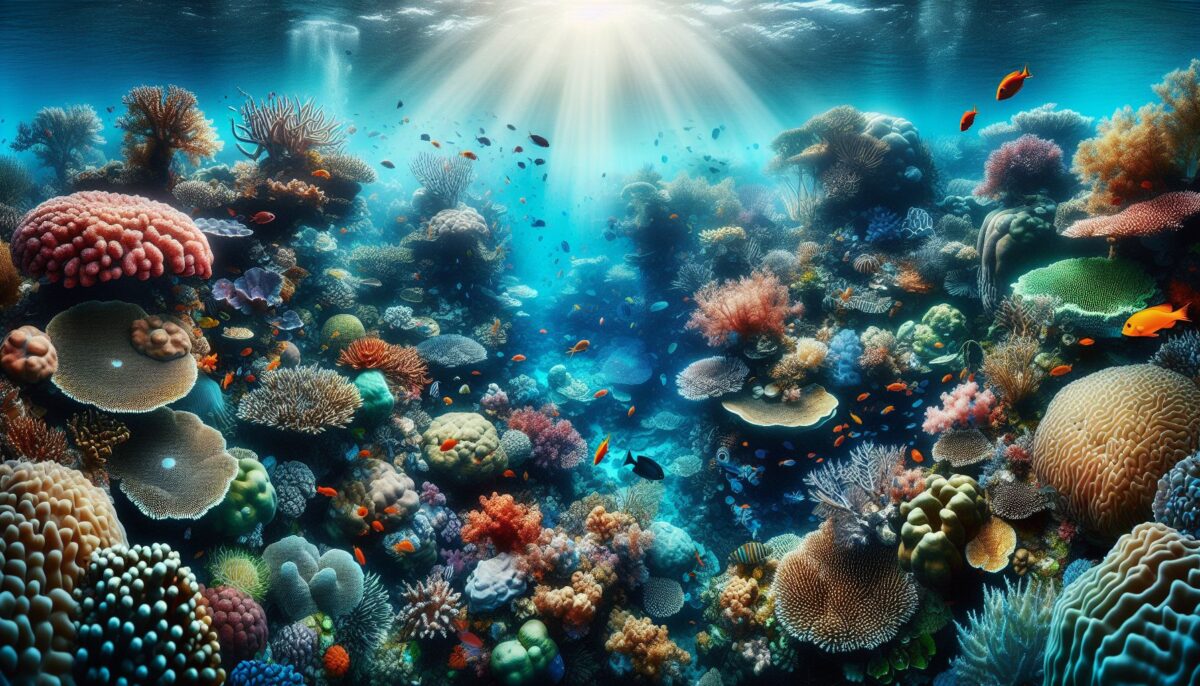
Coral reefs, though they cover less than one percent of the ocean floor, are another vital contributor to marine biodiversity. They offer shelter to approximately 25% of marine species, providing the necessary habitats and hiding spaces for several species of fish, crustaceans, mollusks, and more.

The Challenges Facing Marine Biodiversity

While it’s evident that marine biodiversity plays a pivotal role in supporting life on Earth and maintaining the health of our oceans, it is under amplified threat due to human activities. Overfishing, climate change, and pollution are among the major challenges that our marine ecosystems and its inhabitants face. These threats are causing profound changes, from coral bleaching events due to rising ocean temperatures, to the collapse of fish populations because of overfishing.

Overfishing is depleting stocks of fish populations at an unsustainable rate, disrupting the balance of marine ecosystems and threatening the livelihoods of people that depend on fisheries. Meanwhile, increased CO2 emissions continue to cause ocean acidification, jeopardizing calcifying organisms like shellfish, coral reefs, and certain types of plankton.

The Conservation and Management of Marine Biodiversity

Given the challenges, the conservation and sustainable management of marine biodiversity is becoming increasingly critical. An array of tactics is employed for the protection of marine ecosystems, among them marine protected areas, sustainable fishing practices, and pollution control.

Marine protected areas (MPAs) are regions in the ocean where human activity is more regulated to guard species and their habitats. MPAs help replenish fish populations, protect endangered species, save habitats, and much more. They are a critical tool in the bid to preserve our marine biodiversity.

Conclusion

Marine biodiversity is the lifeblood of our oceans, underpinning critical ecological processes as well as providing countless benefits to humans. As its importance becomes increasingly evident amid escalating environmental threats, preserving this diversity becomes more important than ever before. It’s not just about saving the whales; it’s about protecting a complex network of life that’s vital for the health of our planet and future generations.

The Wonders of Coastal Living: Unravelling the Benefits and Challenges

The coastline – an interface between land and water that serves as home to abundant ecosystems and diverse communities, while providing enormous economic benefits. But with its beauty and bounty come unique difficulties and responsibilities. This article aims to explore the various aspects of coastal living, from the gifts of the sea to the challenges its residents face on a daily basis.

Coastal Ecosystems

Coastlines harbor some of the most productive and diverse ecosystems on the planet. They offer crucial habitats for numerous marine species and serve as breeding and nesting grounds for various birds and mammals. Among the fundamental components of coastal ecosystems are mangroves, seagrasses, and coral reefs.

Mangroves not only serve as “nurseries” for many marine organisms, but they also trap sediments and filter pollutants, helping to maintain water quality. Seagrasses also act as important habitats and food sources, while improving water clarity by trapping fine sediments and particles. Coral reefs, meanwhile, harbor infinite biodiversity, providing shelter to a wide array of marine species.

Economic Benefits and Opportunities

From the early times, coastlines have attracted human settlements due to the abundance of resources they offer. They serve as critical avenues for fishing, tourism, and maritime trade, contributing significantly to the global economy. Furthermore, the growth of the Blue Economy promises even greater advantages, with the sustainable use of ocean resources promising jobs, societal benefits and economic growth.

While fisheries have long been integral to the coastal economy, aquaculture has seen significant growth in recent years. It provides an important source of dietary protein, and through cultivation of species like algae and mollusks, contributes to regenerative practices that improve water quality. Meanwhile, tourism – from sandy beach resorts, wildlife ecotours, and water sport adventures – constitutes a primary source of income for many coastal communities.

Maritime trade, with strategic ports and harbors, fuels the global economy. Large containerships and tankers transport goods and commodities, driving commerce and industry. Additionally, renewable offshore energy sources like tidal and wave energy offer emerging investment opportunities.

The Challenges: Environmental and Human Impact

Coastal living, despite its numerous advantages, is fraught with noteworthy challenges. Chief among these is the narrative of climate change-induced sea-level rise, posing a terrifying threat to many coastal communities worldwide. Moreover, increased storm intensity and frequency further jeopardize the safety of these societies.

Coastal erosion—accelerated by rising sea levels, intensified storms, human activities, and coastline development—is advancing at alarming rates, leading to the loss of property and habitats. Such threats further underscore the need for effective coastal management.

Ocean pollution constitutes another significant challenge. From plastic litter to oil spills, our seas bear the brunt of our waste, threatening marine biodiversity and disrupting delicate aquatic ecosystems.

Finally, the health of marine life is under threat, as overheated waters caused by global warming trigger coral bleaching, and ocean acidification—sometimes referred to as ‘climate change’s evil twin’—poses an existential threat to everything from shellfish to coral reefs.

Despite these challenges, the human spirit is resilient; from scientists studying the seas to alert us about emerging threats, to local communities adopting sustainable practices and developing innovative solutions to protect and nurture this precious environment.

The Future of Coastal Living

The future of coastal living depends on us recognizing the immense value of these fragile ecosystems, and responding with concerted conservation efforts. Adapting to changes, enforcing sustainable practices, deploying renewables and involving local communities are all part of the strategy. Recognizing the threats and promptly taking action is the way forward. After all, our coasts are more than just picturesque landscapes – they are a testament to the enduring and complex relationship between man and sea.

To relish the beauty and reward of coastal living, we must also bear its challenges and responsibilities. It isn’t always just sunshine and sandy beaches, but the breath-taking sunrise over the ocean’s horizon reminds us daily of nature’s beauty, resilience, and worth.

As Sylvia Earle—a marine biologist, explorer, and author—put it so profoundly: “With every drop of water you drink, every breath you take, you’re connected to the sea. No matter where on Earth you live.” The ocean impacts all of us, and its protection is not just a moral responsibility, but a survival imperative.

References:

  • Mangroves: https://www.nationalgeographic.com/environment/article/mangroves
  • Seagrass: https://oceanservice.noaa.gov/facts/seagrass.html
  • Coral Reefs: https://www.noaa.gov/education/resource-collections/marine-life-education-resources/coral-reefs
  • Blue Economy: https://ec.europa.eu/maritimeaffairs/content/blue-economy-growing-sustainable-way_en
  • Ports: https://www.worldportsource.com/ports/index.php
  • Oil Spills: https://www.epa.gov/emergency-response
  • Coral Bleaching: https://www.nationalgeographic.com/environment/article/coral-bleaching
  • Coastal Management: https://www.fema.gov/emergency-managers/risk-management/coastal-management

Unveiling Mysteries: A Deep Dive into Oceanography

Oceanography, the study of the ocean, envelops a massive portion of Earth’s biosphere and as such plays a significant role in our planet’s climate regulation, weather patterns, and overall health. As we explore this fascinating field, we’ll discuss the importance of oceanography, delve into its various sub-disciplines, analyze the major challenges facing modern oceanography, and shed light on intriguing future prospects.

Firstly, The Importance of Oceanography

Without the ocean, life on Earth as we know it would not be possible. Covering over 70% of the planet’s surface, oceans are a defining feature of Earth – the ‘Blue Planet’. They are home to a vast diversity of organisms, many of which have yet to be discovered. In addition, oceans enrich our lives economically, culturally, and recreationally. According to NOAA, the marine economy contributes more than $300 billion per year to America’s economy alone.

In essence, oceanography not only investigates these diverse marine ecosystems but also explores how they interact with the rest of the planet.

Delving into the Deep: Types of Oceanography

Oceanography branches into four main sub-disciplines, each attending to specific aspects of the sea.

1. Physical Oceanography: Physical oceanographers study the ocean’s physical attributes. This can include temperature and salinity distributions, ocean circulation, tides and waves, and how these factors impact climate and weather.

2. Chemical Oceanography: This sub-discipline involves the study of the ocean’s chemical composition and processes. From ocean acidification to nutrient cycles, chemical oceanographers work tirelessly to gain a better understanding of the seas.

3. Biological Oceanography: Biological (marine) oceanographers study all forms of marine life in the oceans’ ecosystems, from small plankton to massive whales, and how they interact with their marine environment.

4. Geological Oceanography: Geological oceanographers focus on the geology of the ocean basins, which reveals much about Earth’s geological history. This includes underwater mountain ranges, abyssal plains, and tectonic plate boundaries.

Facing the Tide: Challenges in Oceanography

We are living in the midst of a climate crisis, and the world’s oceans are at its forefront. Sea-level rise, ocean warming, acidification, and the dramatic loss of arctic sea ice are just a few of the challenges that oceanographers must grapple with. These all pose a significant threat to marine life and biodiversity, and can also have extreme consequences for human communities, especially those located on the coasts.

Navigating the Future: Exciting Avenues in Oceanography

Even with such challenges at hand, the study of the ocean continues to unveil numerous exciting scientific possibilities. For instance, studies on bioluminescent marine organisms are shedding new light on cellular processes, while deep-sea exploration is discovering extreme organisms that flourish in environments once deemed uninhabitable.

Furthermore, oceanography also significantly contributes towards innovative climate solutions. From harnessing wave energy to exploring the potential of carbon capture and storage in the sea floor – the blue economy promises a more vibrant, sustainable future.

In summing up, oceanography not only enhances our comprehension of the Earth but also provides critical insights and solutions to some of the most urgent contemporary issues. Its importance cannot be overstated – in understanding and caring for the blue planet, oceanography is an indispensable compass.


Learn more about oceanography | Join ocean conservation efforts | *Explore the blue economy *

Coral Reefs: Our Underwater Rainforests

The magnificent grandeur of our oceans often leaves us in awe, specifically when we delve into the bewitching beauty of coral reefs, considered underwater rainforests due to their extraordinarily high levels of biodiversity and productivity. Coral reefs, home to 25% of marine life even though they inhabit less than 1% of the marine environment, are found in over 100 countries around the globe.

What are Coral Reefs?

Coral reefs are complex, underwater ecosystems flushed with thousands of unique species – fishes, sponges, mollusks, and the critical coral polyps. Corals, contrary to common belief, are not plants but animals. They are colonies of individual animals, called polyps, related to jellyfish and anemones. Host to millions of diverse species, they create, transform, and embellish their surroundings in an endless array of shapes, colors, and sizes.

The Creation of Coral Reefs

Corals acquire their energy and vibrant hues from microscopic algae, zooxanthellae, that live in their tissues. The process of photosynthesis enables the coral to grow and reproduce, thus forming a coral reef. The symbiotic relationship between the coral and the algae are responsible for constructing the largest biological structures on earth.

Types of Coral Reefs

Coral reefs mainly come in three forms: fringing reefs, barrier reefs, and atolls. Fringing reefs are the most common and are located close to the coastline, separated by shallow lagoons. Barrier reefs, like the Great Barrier Reef, are farther from the shore with deep lagoons. Atolls are reefs shaped like rings with a central lagoon and are typically found in the South Pacific and Indian Oceans.

Importance of Coral Reefs

The significance of coral reefs goes beyond their picturesque beauty; they act as nurseries and protection for a plethora of marine organisms. Moreover, they are indispensable for coastal protection, food procurement, and tourism, contributing around $30 Billion annually. Coral reefs are equally critical in medical research for the development of new medicines.

Threats to Coral Reefs

Unfortunately, the wellbeing of these underwater rainforests is under grave risk due to human-induced climate change and destructive fishing practices. These threats lead to two major coral diseases: coral bleaching and ocean acidification.

Coral Bleaching occurs when the water temperature becomes excessively high, causing corals to expel their life-sustaining algae, which results in their pallid, “bleached” appearance. Ocean acidification, on the other hand, refers to the decrease in the pH of the ocean over an extended period, predominantly caused by the uptake of carbon dioxide (CO2) from the atmosphere. If we don’t mitigate these threats, it is estimated that we might lose 90% of coral reefs by 2050.

Conservation Efforts

Several organizations and governments worldwide, recognizing the decline and the importance of coral reefs, have intensified conservation efforts. They have created marine protected areas and implemented sustainable fishing practices. Initiatives like the Global Coral Reef Monitoring Network collect and disseminate information about the state of coral reefs globally.

The Future of Coral Reefs

The future lies in our hands. The path we tread will determine the fate of these underwater jungles. By reducing carbon emissions, adopting sustainable practices, and supporting reef-friendly businesses, we can significantly contribute in preserving these vital ecosystems.

While the immediate future seems bleak, the indomitable resilience of the coral reefs gives hope. With concerted efforts, we can ensure that these magnificent structures continue to thrive, astonishing us with their breathtaking tableau of life.

Ocean conservation is a vast and urgent mission, and preserving our coral reefs is an imperative chapter in this story. As part of human society, it is our responsibility to nurture and protect these underwater rainforests, not only for their intrinsic value but also for the numerous benefits they provide for our planet and our livelihoods.

Coral reefs, with their bewitching beauty and remarkable resilience, incessantly remind us of how interconnected we are with our environment. It is time to match their resilience with our dedication, ensuring that these underwater rainforests thrive, fostering life beneath the waves and safeguarding our futures.

“Estuaries: Where Rivers Meet the Sea, A Crucial Ecosystem Worth Protecting”

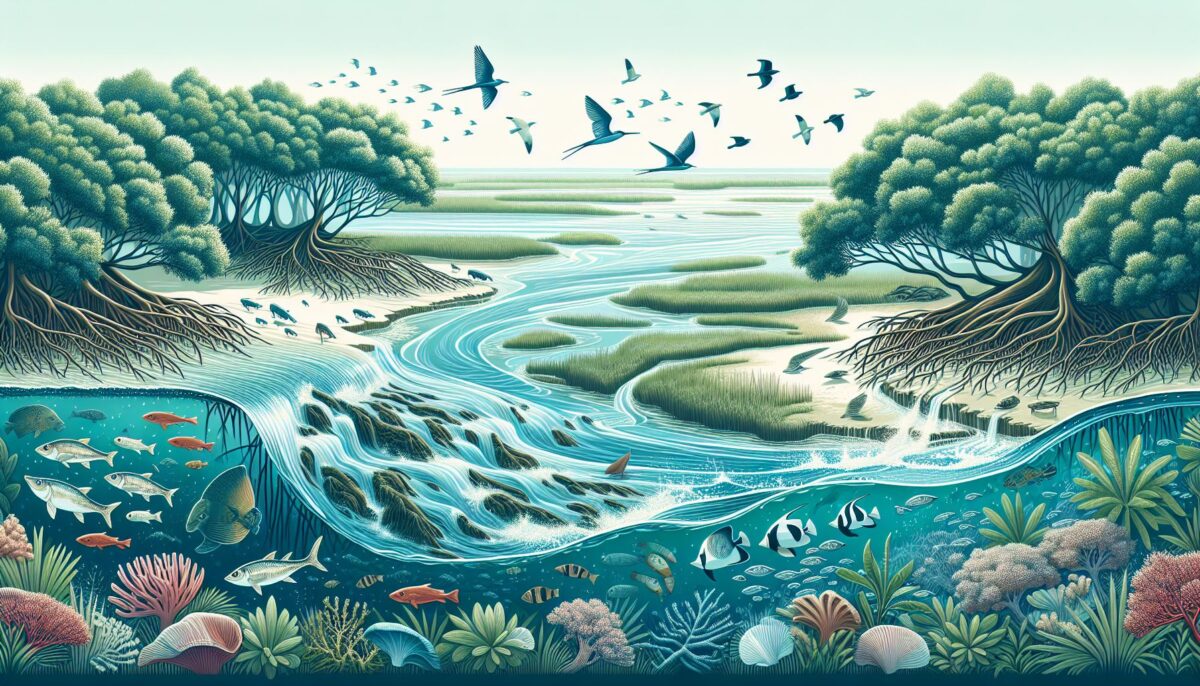
Estuaries are fascinating yet often overlooked ecosystems. Nestling where rivers meet the sea, estuaries are a sublime mixture of fresh and saltwater habitats that host a dizzying array of wildlife. This unique environment creates an incredibly biodiverse ecosystem, supporting various species from fish and birds to plants and mammals, many of which are found nowhere else.

Estuaries are far more than a haven for wildlife, though, playing a vital role in maintaining the health of our planet. They act as natural filters, absorbing pollutants such as heavy metals and harmful chemicals from land runoff, thus playing a critical role in ensuring the quality of our water resources.

But these harbors of life and purifiers of water are under threat worldwide due to climate change, pollution, invasive species, and unsustainable development. Understanding, valuing, and protecting them is essential to preserving our planet’s health and the life it holds. Let’s take a dive into the world of estuaries, their importance, challenges they face, and what’s being done to protect them.

The Magic of Estuaries

At their simplest, estuaries are transition zones between river environments and maritime environments. But while this makes them sound common and perhaps unexciting,[estuaries are anything but](https://www.nature.org/en-us/about-us/where-we-work/united-states/estuaries/). They are among the most productive ecosystems globally and considered ‘nurseries of the sea’ due to the significant number of fish and shellfish that spend their developmental stages within these sheltered waters.

Estuaries provide abundant food and shelter for marine life, offering a habitat to a wide range of species, each uniquely adapted to the changing salinity and many other conditions. Estuaries also serve as essential breeding and nesting sites for numerous bird species, making them a paradise for both wildlife and bird watchers.

Furthermore, estuaries offer a buffer against coastal storms and floods, absorbing rising seawater during high tides and rain and slowly releasing it back. This buffer helps protect inland areas from flooding and the destructive power of storms. As climate change accelerates and sea levels rise, this protective role of estuaries will become even more critical.

Threats Facing Estuaries

Unfortunately, many threats are currently jeopardizing estuaries globally. Climate change is the most significant challenge, leading to sea level rise, increased storm intensity, and ultimately, threatening the very existence of estuaries. Rising temperatures also contribute to the increased incidence of harmful algal blooms, which can decimate marine life and poison water supplies.

Land use changes and reckless real estate development are other significant threats, with estuaries often filled in and paved over to create more land for development. This habitat loss is hugely destructive to the numerous species that depend on estuaries; it also amplifies vulnerability to climate change impacts.

Pollution from agricultural runoff, industrial waste and untreated sewage is a significant threat that harms estuaries. These pollutants can harm the delicate water balance and reduce biodiversity, with far-reaching impacts on the broader marine ecosystem.

Protecting Our Estuaries

Given the pivotal role played by estuaries, protecting them is of utmost importance. Multiple initiatives worldwide aim to safeguard these crucial ecosystems from the plethora of threats they face.

Leading the march are organizations like the Estuary Conservation Association, which promotes awareness and conservation of estuaries and their surrounding environments. Similarly, The Nature Conservancy is working to protect and restore vital estuaries across the world.

Governments are also playing their part. In the U.S. for instance, the National Estuarine Research Reserve System is a network of protected areas that works to improve stewardship of estuaries by providing the research needed to inform management decisions.

On the global stage, the Ramsar Convention on Wetlands recognizes the ecological, cultural, scientific, and recreational value of wetlands, including estuaries, promoting their wise use and conservation.

Conclusion

Estuaries are beautiful, complex, and irreplaceable. They are the lifeblood of our coasts, a testament to the resilience and adaptability of nature, and a key player in our planet’s wellbeing. Protecting them is not just an environmental mandate; it’s also a societal and economic necessity. Only by understanding and appreciating these unique ecosystems can we hope to protect them from the diverse threats they face.

Unveiling the Depths: The World Underwater and Its Blue Economy

Every moment, the world underwater is brimming with life. It’s home to some of the most diverse ecosystems on earth, packed with every color, texture, and form imaginable. But it’s not just about the serenity of swimming with dolphins or the thrill of spotting a rare fish. The ocean, with all its wonder, also delivers incalculable benefits to our economy and livelihood. In fact, there’s a term for it—the Blue Economy. This term, recent yet increasingly significant, revolves around the multitude of resources the ocean provides directly affecting human prosperity and wellbeing.

What is the Blue Economy?

The Blue Economy is a sustainable economic model deeply linked with the sea. It’s about harnessing ocean resources while ensuring the preservation of the marine ecosystem, balancing economic development with ecological integrity. It’s about turning the “blue” into “green”—economically and environmentally. The World Bank defines the Blue Economy as the “sustainable use of ocean resources for economic growth, improved livelihoods, and jobs while preserving the health of the ocean ecosystem.”

The Ocean: A Goldmine

Our oceans provide substantial economic benefits aside from their invaluable beauty and biodiversity. These waters serve as highways for sea transport, with 90 percent of global trade being carried by the sea. Ports and harbors bustling with ferries, cargo ships, and more testify to the scale of this economic activity. Plus, oceans are a significant source of nutrition—over 3 billion people depend on these waters for their protein intake. Fisheries and aquaculture remain an important provider of food, nutritional security, and livelihood stakes globally.

Another sector that falls under the Blue Economy is the energy industry. The ocean offers a bounty of renewable energy sources. Technologies harnessing wave energy and tidal energy provide cleaner alternatives to fossil fuels. Additionally, offshore drilling activities around the world prove that the ocean also harbors vast regimes of oil and gas resources.

Threats and Challenges

Like every other natural ecosystem, the marine environment faces numerous threats. From climate-induced threats like sea-level rise and ocean acidification to direct human-induced issues such as marine pollution and overfishing—the ocean is under severe assault. These problems weaken the health of our seas, consequently endangering our Blue Economy’s future. For example, coral bleaching due to warming sea temperatures not only threatens biodiversity but also damages the tourism industry and compounds coastal erosion.

Marine debris, particularly plastics, is yet another rampant issue. It devastates marine life, threatens human health, and causes tremendous economic damage. Oil spills, some of which are related to offshore drilling activities, prove disastrous to the marine ecosystem, damaging both the environment and economy.

Way Forward: Preservation is Key

Recognizing the breadth and potential of the Blue Economy, we must take robust measures to preserve and further sustain it. There’s a growing global consensus on the urgent need to protect our oceans’ health while also capitalizing on their vast economic potential responsibly.

Investing in marine protected areas is a viable strategy. They help conserve marine life and sustain livelihoods that rely on fishing and tourism. Implementing rigorous coastal management strategies, including stricter pollution control measures, can improve the health and resilience of our coastlines.

The Blue Economy also tremendously benefits from advances in oceanography and marine geology. These sciences provide valuable insights to better understand and sustainably manage ocean resources.

Moreover, transitioning to a Circular Blue Economy where waste becomes resource and pollution is eliminated will significantly reduce environmental and economic threats.

Conclusion

In conclusion, the Blue Economy, if managed sustainably, possesses the potential to solve some of the most critical issues the world is grappling with today—poverty, unemployment, food security, energy crisis, and environmental degradation. Harnessing the boundless potential that lies beneath the waves, we can pave the way for sustainable growth and resilience, setting course for a greener, bluer future. After all, our blue planet’s health, wealth, and prosperity lie within the immense depths of our precious oceans.

In the apt words of Sylvia Earle, renowned marine biologist and explorer, “The greatest era of exploration is just beginning. Our fate and the ocean’s are one; so too must be our caring for them.”

Further resources for getting anchored with the Blue Economy:

  1. How to Sustainably Feed 10 Billion People by 2050, in 21 Charts
  2. The Future of Blue Economy: Opportunities and Challenges
  3. Blue Economy – Building Resilience in the Face of the Covid-19 Pandemic

The Colorful World of Coral Reefs: A Voyage Under Water

Exploring the depths of the ocean reveals a beautiful, complex world harboring a variety of underwater ecosystems teeming with life. One of the most essential and vibrant ecosystems are the “coral reefs” that color the seascape like an artist’s painting. This article shines a light on the wondrous world of coral reefs, their importance to marine life, the threats they face, and the ways we can protect them.

The Role of Coral Reefs in Ocean Life

Coral reefs provide a biologically rich habitat for a multitude of oceanic species. Home to one-quarter of all marine life, these “rainforests of the sea” are essential for maintaining marine biodiversity. They offer shelter and food for numerous species, including many of economic value for fisheries.

Additionally, coral reefs play a crucial role in nutrient recycling and nitrogen-fixing, which contributes to the overall productivity of the oceans. They also act as natural barriers, protecting coastlines from wave action and preventing coastal erosion.

Threats Face by Coral Reefs

Despite their importance, coral reefs worldwide are under threat. Overfishing, destructive fishing practices, pollution, and climate change have led to extensive coral reef degradation.

One of the most visible impacts is “coral bleaching“. This occurs when corals, under stress due to changes in temperature, light, or nutrients, expel the algae that give them color and nutrients, causing them to turn white. If the stress continues, the coral may die, leading to the loss of the entire coral reef ecosystem.

Climate change exacerbates the situation by causing ocean acidification and sea-level rise. Acidic waters hinder corals’ ability to build their calcium carbonate skeletons, while sea-level rise can increase sedimentation, which can smother corals.

Efforts to Protect Coral Reefs

To counter these threats, numerous efforts are in place to protect and restore coral reefs. Some of these include designating marine protected areas, reducing coastal pollution, managing fisheries, and educating the public about the value of reefs and the threats they face.

A significant component of these efforts is “reef restoration”. Techniques such as coral gardening, where coral fragments are grown in nurseries then transplanted to damaged reefs, and 3D-printed reef structures, are gaining ground. Coral researchers are also exploring the potential of using “super corals” – corals that are resistant to higher temperatures and acidity – to repopulate degraded reefs.

The Role of Citizens and Policymakers

Just as everyone can impact coral reefs negatively, we can all contribute positively to their preservation. Reducing our carbon footprint, using reef-safe sunscreens, supporting sustainable fisheries and marine protected areas, and spreading the word about the importance of coral reefs all help in their protection.

Policymakers and governments also play a pivotal role. They can enact and enforce laws to protect coral reefs, fund research for better understanding and managing reefs, and promote policies that reduce greenhouse gas emissions.

The Way Forward

The future of our coral reefs depends on collective, immediate action. We must mitigate climate change, enhance conservation measures, and invest in innovative solutions to protect and restore these vital ecosystems.

With determination and science as our guiding lights, we can ensure that the colorful world of coral reefs continues to thrive, contributing to the overall health of our oceans and supporting countless species – including our own. Life on earth depends on the health of the ocean, and the health of the ocean heavily relies on the wellbeing of its coral reefs.

Learn more about how you can make a difference through the “Coral Reef Alliance” and other marine conservation organizations. Let’s turn the tide and ensure an enduring, vibrant world of coral reefs for generations to come.


Related Articles:
1. Coral Reefs: Rainforests of the Sea
2. Our Threatened Coral Reefs: Fighting Against Coral Bleaching, Overfishing and Climate Change
3. Protecting Coral Reefs: Innovative Approaches You Can Contribute to

External Resources:
1. National Oceanic and Atmospheric Administration (NOAA)
2. The Coral Reef Alliance
3. The International Coral Reef Initiative (ICRI)

#Coral Reefs: The Rainforests of the Ocean

Coral reefs, otherwise known as the “Rainforests of the Sea,” occupy less than one percent of the world’s ocean surface, yet they are home to nearly a quarter of all marine species. These intricate ecosystems play a significant role in the preservation of marine biodiversity and the blue economy; however, they are increasingly under threat due to climate change, pollution, and destructive fishing practices.

What is a Coral Reef?

Coral reefs are large underwater structures made up of the calcium carbonate exoskeletons of tiny invertebrate animals known as coral polyps. Corals are part of the Phylum Cnidaria, sharing traits with jellyfish and sea anemones. Corals and reefs thrive in warm, shallow, sunlit waters typically near land, and in areas where the sea floor drops off, forming the continental shelf (Link 1).

Coral reefs are categorised into three main types: Fringing reefs, Barrier reefs, and Atolls. Each type is defined by its relationship with land and the sea floor.

The Ecosystem and Biodiversity

Coral reefs are dynamic ecosystems comprising an array of different life forms, including tiny zooxanthellae (algae), various species of fish, mollusks, crustaceans, and seafloor dwellers such as starfish, sea cucumbers, and sea urchins. The relationship between corals and the algae is symbiotic- while corals provide a safe shelter and compounds necessary for photosynthesis, the algae return the favour by supplying oxygen and other nutrients, giving corals their vibrant colors.

This comprehensive biodiversity contributes to an ecosystem that is not only fascinating but incredibly important for the health of our planet. Coral reefs serve as nursery grounds for a quarter of all marine fish species and as feeding grounds for adult fish. According to the World Wildlife Fund (Link 2), an estimated one billion people have a dependence on these ecosystems for their livelihood and food source.

The Role in the Blue Economy

The coral reef ecosystem is a significant contributor to the blue economy. The blue economy encompasses all economic activities related to oceans, seas, and coasts, and coral reefs play a significant role in this.

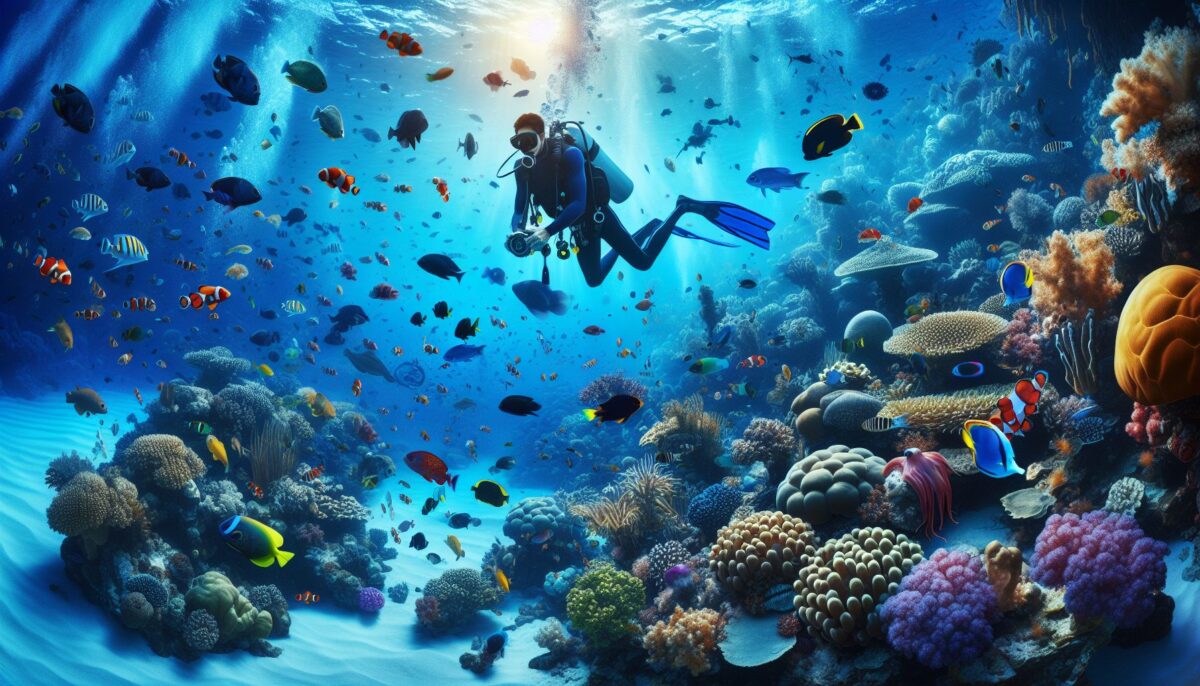
The reefs attract tourists, creating jobs, supporting local businesses, and bringing in billions of revenue annually. They offer a spectacular sight for diving, snorkeling, and fishing activities. Furthermore, they serve as a critical source of pharmaceutical compounds.

Not only do they contribute economically, but coral reefs also offer crucial services such as coastal protection. They provide a natural barrier against waves, storms, and floods, helping to prevent loss of life, property damage, and erosion.

Threats and Conservation

Despite their ecological and economic importance, coral reefs are under immense threat. Pollution, including marine debris (Link 3) and harmful fishing practices, threaten these delicate ecosystems. Additionally, the global threat of climate change – resulting in rising sea temperatures, ocean acidification, and coral bleaching – also looms large.

Conservation of coral reefs has been recognised as an international priority. Numerous marine protected areas have been established globally, and fishing practices are being regulated to ensure the preservation and regeneration of these vibrant ecosystems.

Conclusion

Coral reefs, the vibrant rainforests of the sea, play a pivotal role in maintaining marine biodiversity and supporting the blue economy. However, facing unprecedented threats, it requires global efforts to protect these marine treasures for generations to come.

References:

  1. National Geographic – Continental Shelf
  2. World Wildlife Fund – Coral Reefs
  3. NOAA – Marine Debris

#Exploring the Mysteries of the Ocean

There’s a lot meets the eye when it comes to the ocean. Spanning over more than 70% of the Earth’s surface, oceans house more than just water – they’re biodiversity hotspots, climate change indicators, and sources of subsistence for millions around the world. So this is our invitation to journey deep into the mysterious realm of the ocean. Let’s unravel its secrets and understand its incredible complexities.

Oceans: The Lifeline of the Planet

Imagine a world without the ocean. That’ll surely take the wind out of the sails! It’s the oceans that pump the heart of planetary life. They regulate temperature 1, produce over half the world’s oxygen 2, and provide homes to a vast array of species. But what’s even more fascinating is their innate capacity to capture and store the bulk of the planet’s carbon dioxide, playing an instrumental role in atmospheric content and climate change.

Delving into the Ocean Depths

The depths of the ocean aren’t accessible to the average person. It takes just the first hundred meters to reach the sunlight zone, where the majority of marine life resides. Go deeper, and we reach the twilight zone, where light barely penetrates, and the inhabitants are often bioluminescent. The midnight zone follows, a region plunged in perennial darkness. The trenches and plains of the abyssal and hadal zones represent the deepest parts of the ocean, over 6,000 meters below sea level. Each layer reveals a fascinating biosphere, enhanced by incredible survival adaptations.

Ocean Currents: The Aquatic Highways

Ocean currents, the aquatic highways, hurdle graciously, shaping the world’s climate. Cold and warm currents together help regulate global temperatures and control the world’s weather systems. Currents carry nutrient-rich cold water from the ocean floor to the surface, supporting large populations of marine organisms. In essence, these currents shape marine ecosystems.

The Strait Talk: Connecting Seas and Oceans

Straits play essential roles in bridging large water bodies. Vital to international marine trade and naval routes, straits such as the English Channel, the Strait of Hormuz, and the Strait of Malacca are strategic points of maritime significance 3.

Tides and Tidal Energy

Tides, yet another fascinating character in the ocean’s play, are created by the gravitational forces of the moon and the sun. The constant movement and massive kinetic energy of ocean tides have driven innovations in renewable energy sources in the form of tidal energy, paving the way for sustainable energy harvesting solutions.

Marine Life: A Biodiversity Treasure Trove

The delicate dance of plankton, the gentle sway of algae, the mesmerizing colors of coral reefs, and the mysterious depths teeming with life. The ocean hosts a stunning biodiversity showing. Much of it remains untouched and unexplored.

Shorelines, Beaches, and Human Impact

Beaches and shorelines are perhaps the most accessible parts of the ocean for most people and, unfortunately, the most impacted by human activities. Coastal erosion, pollution, litter, and oil spills have significantly damaged these ecosystems. However, efforts and actions are underway worldwide to conserve and restore these critical habitats, often involving community participation.

From Oil Rigs to Offshore Drilling

The quest for black gold has led humans to the remotest parts of the ocean. Offshore drilling, while economically lucrative, raises environmental and safety concerns. Oil spills, disrupting marine life, leaks, and explosions are but a few of the significant risks associated with offshore drilling.

The Majesty of the Blue Economy

The ocean resources offer opportunities to develop a sustainable blue economy encompassing maritime trade, shipping, ports, as well as renewable energy, fisheries, and aquaculture. Sustainable management of ocean resources is key to global development, food security, and battling climate change.

Our Role in Ocean Conservation

Oceans are brilliant waltzers; they give and take. They’re the source of joy, amazement, often fear, and more recently – despair. Our actions significantly impact the ocean, and its future depends on our understanding of its nuances and our willingness to instigate positive change. Protecting the ocean must include policies, practices, and, most importantly, a globally conscious mindset that acknowledges the infinite value generated by these amazing bodies of water.

In conclusion, the mysteries of the ocean reveal themselves at their own pace. They are elusive, profoundly deep, and intricate in nature. So, rather than attempting to dominate and exploit these natural wonders, perhaps it’s time to relax, understand, admire, and most importantly, respect them. After all, the ocean’s health is reciprocally tied to our own. Let us delve into the depths of the oceanic world, understand its vital role on Earth, and recognize our duties as stewards of these aquatic life sources.

Ocean

Sources:
1. National Oceanic and Atmospheric Administration: Ocean Currents
2. National Geographic: Oceans – Source of half Earth’s oxygen
3. Maritime Executive: The World’s Most Important Maritime Chokepoints

The Mysteries and Marvels of Ocean Acidification

As caretakers of our planet, understanding processes such as ocean acidification can provide a clear insight into the intricacies of the Earth’s systems and highlight our responsibility to maintain and protect them. Ocean acidification – a key consequence of the increase in anthropogenic carbon dioxide emissions – has a dramatic effect not only on marine life but also on global climate patterns, and directly or indirectly affects us all.

Ocean acidification refers to the ongoing decline in pH levels in the Earth’s oceans, caused primarily as a result of our relentless release of carbon dioxide (CO2) into the atmosphere. According to the National Oceanic and Atmospheric Administration[^1^], about one-third of the CO2 we produce by burning fossil fuels, changing land uses, and other industrial processes ends up absorbed by the oceans. This uptake of CO2 triggers chemical reactions resulting in a more acidic ocean environment.

The processes behind ocean acidification and its impact on both marine life and global climate patterns are complex and fascinating, warranting thorough exploration and understanding.

The Chemistry Behind Ocean Acidification

Whenever CO2 is absorbed into seawater, a series of chemical reactions occurs resulting in an increase in the concentration of hydrogen ions, which leads to the seawater becoming more acidic. With this increase in hydrogen ions, there’s a decrease in the number of carbonate ions accessible. This is unfortunate since carbonate ions are a primary building block used by numerous marine organisms like corals, shellfish, and some types of plankton to create their shells and skeletons.

The Woods Hole Oceanographic Institution[^2^] has done significant work in researching the impacts of these chemical changes. Their findings reveal that the acidity of the ocean surface has increased by approximately 30% over the last 150 years, linked directly to anthropogenic CO2 emissions.

Impact on Marine Life

As mentioned earlier, increased ocean acidity directly impacts marine organisms that rely on carbonate ions to form their skeletons and shells, putting them at risk. A number of studies, such as this one by the National Center for Biotechnology Information[^3^], have shown that coral reefs are especially vulnerable to these changes. Reefs support a multitude of marine life, acting as a home and nursery to 25% of all marine species despite only accounting for less than 0.1% of the world’s ocean area. Therefore, damage to these critical ecosystems could potentially result in a domino effect, disrupting biodiversity and resulting in the loss of numerous marine species.

Apart from corals, shellfish like mussels, clams, and oysters will also struggle to produce their shells in more acidic water, making them thinner and more fragile. For organisms like pteropods – tiny snails whose shells dissolve in acidic sea water – the risk of extinction is imminent. Being part of the larger food chain, the decline in their populations will undoubtedly have a ripple effect on the broader marine ecosystem.

What Can We Do?

Understanding the impacts of ocean acidification presents us with a chance to take urgent action. It starts with reducing our carbon emissions, advocating for sustainable practices, and supporting policy changes that prioritize the health of our oceans.

Harnessing renewable energy sources, improving industrial and agricultural practices, conserving forests, and making conscious choices in consumption and waste management can all play a part in mitigating the adverse impacts of ocean acidification. Our efforts, combined with increased scientific research and technological innovation, can help curb this alarming trend and ensure the preservation of our precious oceans for future generations.

In conclusion, ocean acidification is a silent crisis – invisible to most of us, but one that spells catastrophe for our oceans and planet. As we venture on into the future, let’s commit to taking the necessary action to mitigate its advance now and in the years to come.

[^1^]: NOAA PMEL Carbon Program: What is Ocean Acidification?

[^2^]: Woods Hole Oceanographic Institution: Ocean Acidification

[^3^]: NCBI: Impacts of Ocean Acidification on Coral Reefs and Other Marine Calcifiers.