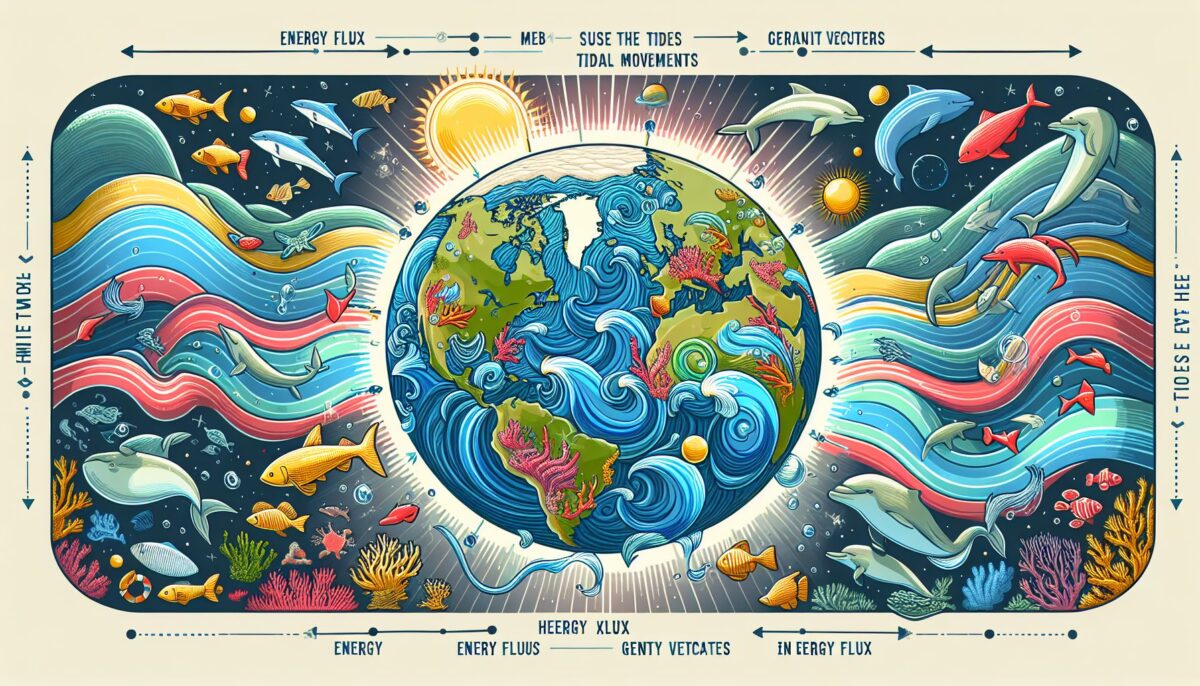
The ocean is a vast, dynamic system that influences weather patterns, shapes coastlines, and supports a rich diversity of marine life. One of its most fascinating and less understood aspects are the tides – the regular rise and fall of sea levels. Tides are not just a phenomenon of interest to surfers and sailors, but they are crucial to the health of coastal ecosystems, the survival of marine life, and human activities such as fishing and navigation. This article will delve into the world of tides, exploring their causes, types, effects, and their importance to our planet.
Understanding Tides
Tides are caused primarily by the gravitational pull of the moon and, to a lesser extent, the sun. As the Earth rotates, the side facing the moon experiences a greater gravitational pull, causing the seawater to bulge outwards. This bulge results in a high tide. On the opposite side of the Earth, inertia causes another bulge, leading to a high tide there as well. The areas between these bulges experience low tides. The positions of the Earth, moon, and sun and their relative distances from each other create a complex system that determines the height and timing of tides.
The Sun, Moon, and Earth’s Interplay
The sun’s gravitational pull also contributes to tides, but its influence is less than half that of the moon’s due to the greater distance from the Earth. When the sun, moon, and earth align during the full moon or new moon, their combined gravitational forces create spring tides, which are higher and lower than usual. Conversely, when the moon is at first or last quarter and the sun and moon are at right angles to each other, we experience neap tides, with a less pronounced difference between high and low tides.
Types of Tides
Tides are classified into diurnal (one high and low tide each day), semidiurnal (two high and two low tides of approximately the same height daily), and mixed (characteristics of both diurnal and semidiurnal). The type of tide one experiences depends on location and is influenced by the shape and depth of the ocean floor as well as the coastline.
The Tidal Cycle
Understanding the tidal cycle is essential for many activities. The cycle consists of four phases: high tide, ebbing to low tide, low tide, and flowing back to high tide. The time between two high tides or two low tides is approximately 12 hours and 25 minutes.
Tidal Predictions
Organizations like the National Oceanic and Atmospheric Administration (NOAA) provide tidal predictions. These are critical for navigation, fishing, and planning coastal activities. Tide predictions are based on long-term observations and complex mathematical models that take into account astronomical data and local environmental factors.
Ecological Importance of Tides
Tides contribute to the diversity and productivity of coastal environments. They mix nutrients from the deep sea with sunlit surface waters, supporting phytoplankton growth, which forms the base of the marine food web.
Intertidal Zones
The intertidal zone, which is submerged at high tide and exposed at low tide, is particularly influenced by tides. This area hosts a variety of specially adapted plants and animals. Organisms in this zone must be able to withstand the changing conditions, such as waves and drying out between tides.
Estuaries and Tidal Flats
Estuaries and tidal flats are also shaped by tides. These areas act as nurseries for many marine species and provide critical feeding grounds for migratory birds. The ebb and flow of tides in estuaries create a unique environment where fresh and saltwater mix, nurturing diverse ecosystems.
Human Reliance on Tides
Historically and today, tides have been an essential aspect of human life, from providing a means for travel and trade to supporting fishing industries and renewable energy sources.
Fishing and Aquaculture
Tides influence fishing and aquaculture by dictating the best times to fish and by helping to cleanse pollutants from areas where seafood is farmed.
Navigation and Shipping
Tides affect navigability, determining when ships can safely pass through shallow straits or enter and leave ports and harbors. Accurate tidal data ensures ships can maximize their cargo based on the tides.
Tidal Energy
The predictable nature of tides makes them an appealing source for renewable energy. Countries are investing in tidal energy technology to capitalize on this consistent and clean energy source.
The Impact of the Tides on Marine Life
As mentioned, tides have a direct influence on marine life. The intertidal zones, where organisms are adapted to a regular cycle of exposure to air and submersion in water, are the most vivid examples of this influence.
Breeding and Feeding Cycles
For many marine species, breeding and feeding cycles are synchronized with the tides. The grunion, a small fish found off the west coast of North America, is known for its spawning activity, which occurs right after the highest tide when the moon is full or new. Crabs and shorebirds also time their feeding on mudflats to match the low tides, where they can find a bounty of invertebrates uncovered by the receding waters.
Marine Migrations
Tides can also dictate the movements and migrations of marine animals. Horseshoe crabs in places like Delaware Bay in the United States time their spawning activity to the spring tides, which offers their eggs the best chance of survival.
Challenges Posed by Tides
While tides are natural phenomena, they can also pose challenges. Storm surges, heightened by strong winds and low-pressure systems, can dramatically increase tidal heights, leading to coastal flooding.
Coastal Erosion
Tides can contribute to coastal erosion, reshaping shorelines, and impacting coastal structures. In some parts of the world, this is exacerbated by sea-level rise and increasingly extreme weather patterns.
Tidal Energy Exploitation
There are also challenges associated with harnessing tidal energy. Tidal power installations can adversely affect tidal regimes, potentially disrupting ecosystems and navigation.
Conclusion
Tides are much more than the rise and fall of sea levels observed on a daily basis. They are a complex interplay of celestial mechanics, Earth’s rotation, and the configuration of coastlines and ocean floors. Their role in shaping ecosystems, influencing marine life, and supporting human activities is integral to the environmental and economic health of coastal regions.
Continued Study and Protection
Continued study of tides and investments in technologies that harness their energy in sustainable ways are needed. Additionally, understanding and mitigating the effects of tides in the context of climate change is critical to protecting our coastlines and the communities that depend on them.
Sources Used
- National Oceanic and Atmospheric Administration (NOAA): https://www.noaa.gov/
- Tide Prediction Services, NOAA’s National Ocean Service: https://tidesandcurrents.noaa.gov/
- Marine Bio (Ocean Science Resource): https://marinebio.org/
Tides illustrate the connectedness of celestial bodies and life on Earth
