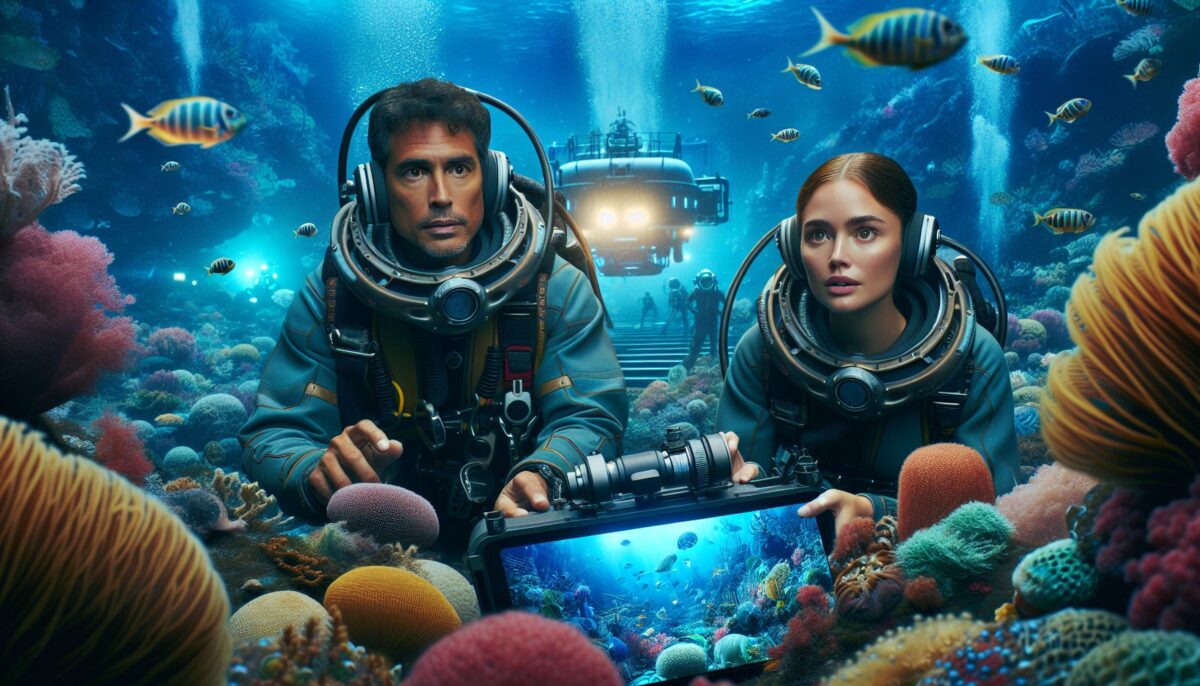
Oceanography may not capture the daily attention of everyone, but it is a field of study that wields immeasurable influence over our lives. Earth, affectionately known as the Blue Planet, is predominantly covered in water, with oceans holding about 96.5% of all Earth’s water. Here, we will take a deep dive into the mysteries of oceanography, exploring why this branch of Earth Science is crucial for our understanding of environmental dynamics, the earth’s climate system, and the role it plays in life as we know it.
What is Oceanography?
Oceanography is the scientific study of the oceans, their contents, and their boundaries. It encompasses a wide range of topics, including marine life and ecosystems, ocean circulation, plate tectonics and the geology of the seafloor, and the physical and chemical properties of the ocean. Essentially, it is an interdisciplinary field that melds biology, chemistry, geology, and physics to investigate the complexities of the world’s oceans.
The Importance of Oceanography
To appreciate oceanography, one must recognize its centrality to various aspects of human existence:
- Climate Regulation: The ocean plays a vital role in regulating the Earth’s climate. Through the transportation of heat from the equator towards the poles, ocean currents act as a conveyor belt for climate conditions.
- Biodiversity: Marine ecosystems boast remarkable biodiversity. Oceanography helps us understand these ecosystems and the myriad of species they support.
- Resource Management: With the burgeoning field of the blue economy, oceanography provides insight into managing resources such as fisheries, oil, and minerals extracted from the sea floor.
- Natural Disaster Prediction: Knowledge of ocean dynamics is key to predicting and mitigating the effects of natural disasters like tsunamis and storm surges.
- Maritime Navigation: Oceanographic data is essential for the safe navigation and routing of ships, impacting global maritime trade.
Branches of Oceanography
Oceanography is divided into various branches, each focusing on a specific aspect of oceanic study:
- Physical Oceanography: Examines wave dynamics, tides, ocean currents, and the physical attributes of the ocean.
- Chemical Oceanography: Studies the chemical composition and properties of seawater, including the cycles of matter and the impacts of pollutants.
- Biological Oceanography: Investigates marine organisms, their interactions, and their impact on the oceanic environment.
- Geological Oceanography: Explores the structure and composition of the seafloor, including understanding underwater geological formations like trenches, ridges, and the continental shelf.
The Miracle of Marine Life
Marine life is one of the most enchanting aspects of oceanography. Oceans are teeming with life, from the smallest plankton to the largest whales. Diversity thrives from the sunlit surfaces to the deepest trenches, pioneering forms of life alien to our common perception.
Coral Reefs: Rainforests of the Sea
Coral reefs, often referred to as the rainforests of the sea, are hotspots of marine biodiversity. Despite covering less than 1% of the ocean floor, they provide a habitat for at least 25% of all marine species. However, they are under threat from a phenomenon known as coral bleaching, where coral polyps expel their symbiotic algae, often triggered by changes in temperature, light, or nutrients, predominantly due to climate change.
Ocean Currents: The Planet’s Circulatory System
Water is always moving in the ocean. These movements, known as ocean currents, can be surface currents or deep water masses shifting vast volumes of water across the planet. Influencing local weather patterns and global climate, currents carry warm water from the equator towards the poles and bring cold water back towards the equator.
The Challenges of Oceanography
Despite its importance, oceanography faces several challenges that hinder our understanding and protection of the marine environment:
- Access and Exploration: With vast depths and challenging conditions, the ocean remains largely unexplored, making comprehensive study difficult.
- Climate Change: Altered oceanic conditions due to climate change can disrupt existing knowledge and models, requiring ongoing research and adaptation.
- Pollution and Overexploitation: Human-generated issues, such as overfishing and pollution, complicate the study of natural oceanic processes and marine life conservation.
Harnessing Ocean Resources: Marine Geology and Energy
Marine geology is the study of the solid parts of the Earth that lie beneath the oceans. With technological advancements, we’ve been able to explore these regions for resources like oil, gas, and minerals. Recently, oceanography has been integral to developing renewable energy sources such as wave and tidal energy—a testament to the ocean’s vast potential.
Navigating the Future
Navigation is a practical application of oceanography that dates back to antiquity. It’s only through understanding ocean currents, tides, and weather patterns that modern global shipping and trade can exist. However, as we face changing climatic conditions, navigation routes and methods may also need to adapt.
The Pinnacle of Technology: Oceanographic Tools and Techniques
Modern oceanography utilizes an array of tools and techniques:
- Satellites: Provide a global view of ocean conditions like surface temperatures, sea level, and biological productivity.
- Research Vessels: Supply the means for in-situ sampling and direct observations.
- Submersibles and ROVs: Allow for deep-sea exploration beyond the reach of human divers.
The Push for Marine Conservation
Oceanography is not only about exploration and economic opportunities; it is also about preservation. Marine Protected Areas (MPAs) have been established worldwide to preserve the delicate balance of marine ecosystems. Coastal management and international laws also play roles in curtailing the impact of human activities.
Oceanography in the Public Eye
Increased public awareness is crucial. Documentaries such as “Blue Planet” and initiatives like World Oceans Day have brought oceanography to mainstream attention. Educational outreach can inspire the next generation of marine scientists and conservationists.
Conclusion
In conclusion, with over seven tenths of our world covered in its waters, understanding the ocean is not just a scientific challenge—it’s a human imperative. The study of oceanography provides insights into the planet’s past and present and informs our stewardship of marine environments for a sustainable future.
References
To learn more about oceanography and its broad-ranging impact, check out the following resources:
- National Oceanic and Atmospheric Administration (NOAA). Ocean
- Oceanographic Institute. The Importance of Oceanography
- National Geographic Society. Ocean Exploration Facts
As we continue to harness the ocean’s resources, mitigate the damaging effects of human activity, and unravel the mysteries of this vast blue frontier, oceanography will remain both a sentinel and a guide on the frontlines of environmental science.
