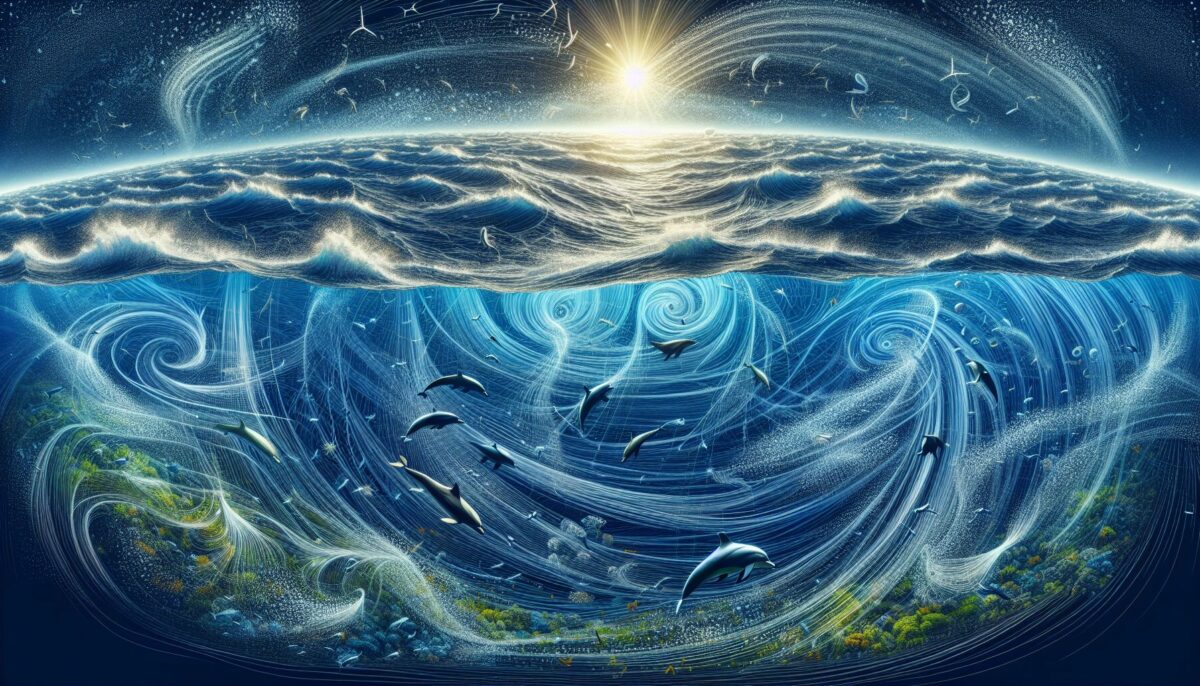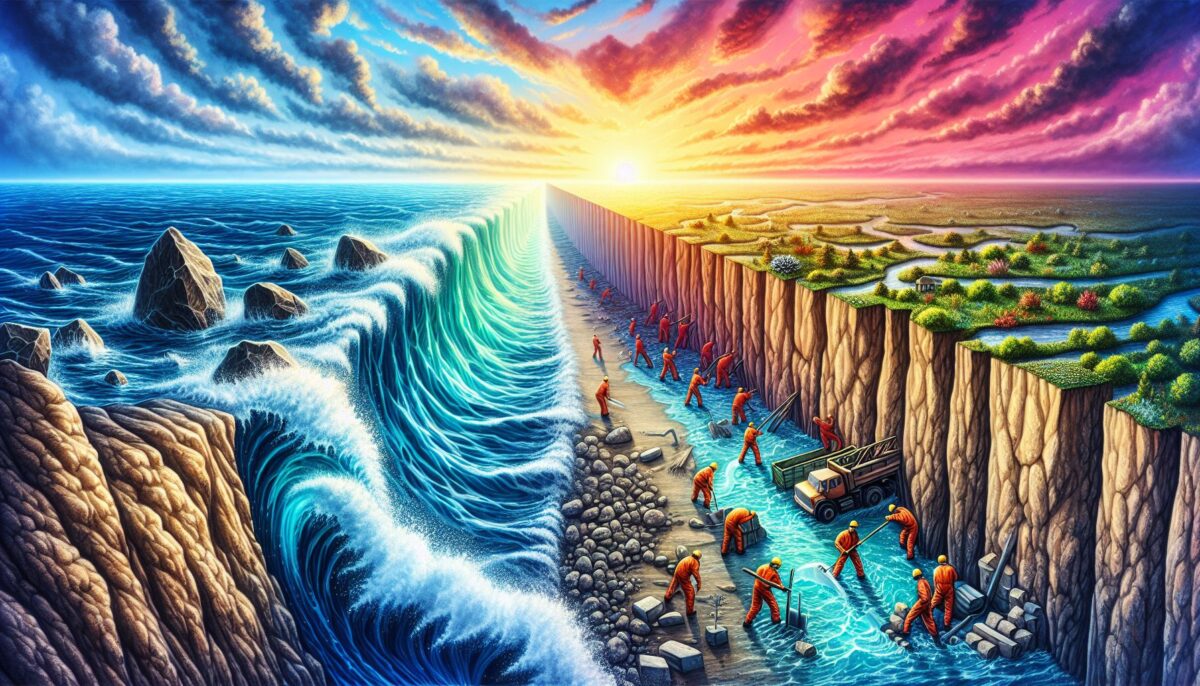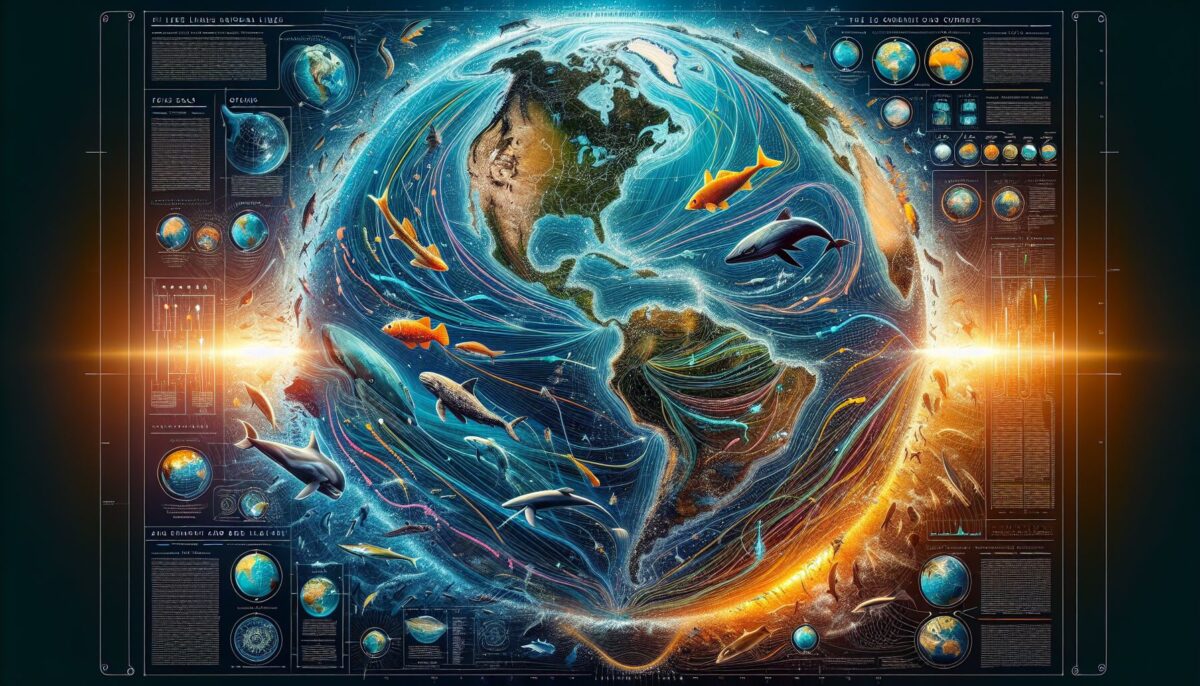
Ocean currents are a complex, dynamic system of water movements that circulate around our planet’s oceans. From the vast conveyor belt of the global thermohaline circulation to the smaller, more localized rip currents, these powerful flows play a crucial role in shaping climates, maintaining marine ecosystems, and enabling human activities such as navigation and commerce. In this comprehensive exploration, we dive into the unseen rivers beneath the waves, unraveling their secrets, influence, and the challenges they face in a changing world.
Understanding Ocean Currents
To appreciate the intricacies of ocean currents, it’s essential to grasp their nature and origin. Currents are cohesive streams of seawater that move through the Earth’s oceans in patterns dictated by various factors, including wind, the Earth’s rotation, tides, and differences in water density. They can be both surface currents, governed largely by wind direction, and density-driven deep -sea currents, affected by temperature (thermo) and salinity (haline), hence the term “thermohaline.”
The Engine of Climatic Regulation
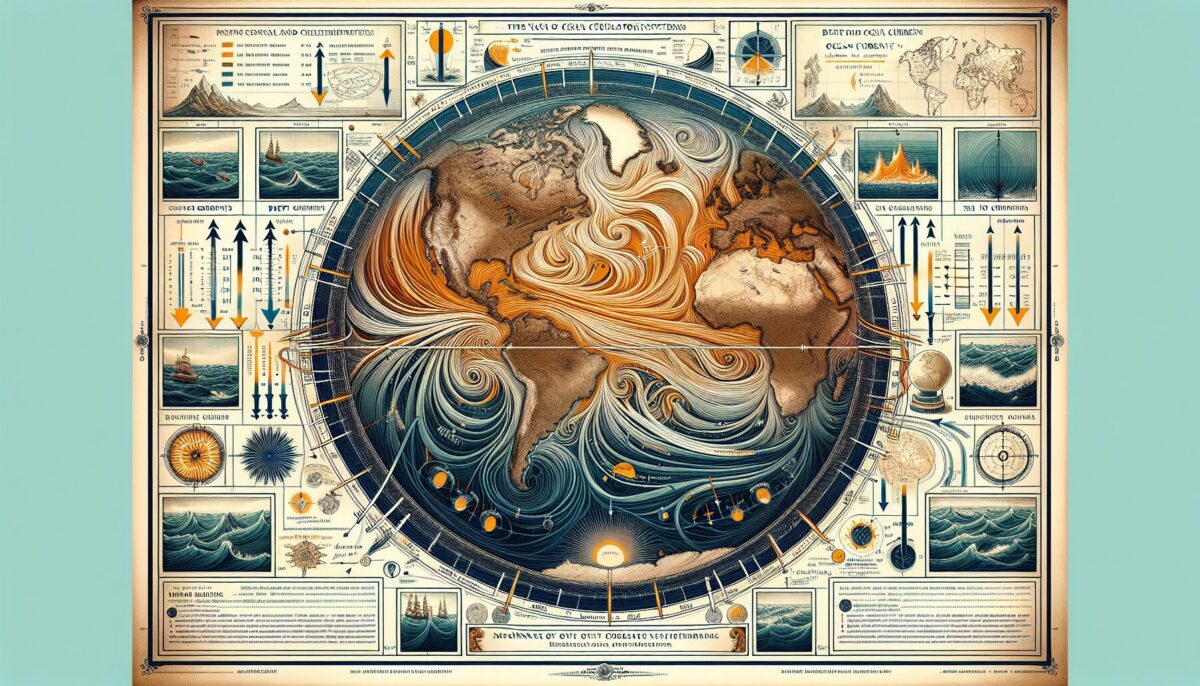
Ocean currents are the unsung heroes of our planet’s climate system. The global thermohaline circulation, often referred to as the “Great Ocean Conveyor Belt,” is a prime example of how these currents regulate temperature by transporting warm water from the equator toward the poles and cool water back toward the equator.
Key Points:
– Surface currents are initiated by global wind patterns, while deep-sea currents depend on water density differences.
– The regulation of Earth’s climate is closely tied to the effective distribution of heat through ocean currents.
The Driving Forces Behind Currents
Multiple factors contribute to the formation and direction of ocean currents. The wind is a significant force, with prevailing winds like the trade winds and westerlies shaping surface flows. Earth’s rotation influences currents through the Coriolis effect, causing them to veer to the right in the Northern Hemisphere and to the left in the Southern Hemisphere. Gravitational pull from the moon and sun generates tides, which in turn, affect current patterns, especially in coastal areas.
The Role of Salinity and Temperature
Salinity and temperature play a pivotal role in the formation of deep-water currents. Cold, salty water is denser and sinks, while warm, less salty water tends to rise. This process, called thermohaline circulation, contributes to a massive, slow-moving underwater current that can be particularly influential in the transport of nutrients and distribution of marine life.
Key Points:
– Winds, the rotation of the Earth, and tidal forces are primary drivers of ocean currents.
– Density differences, resulting from variations in temperature and salinity, set deep-water currents in motion.
Ocean Currents and Marine Life
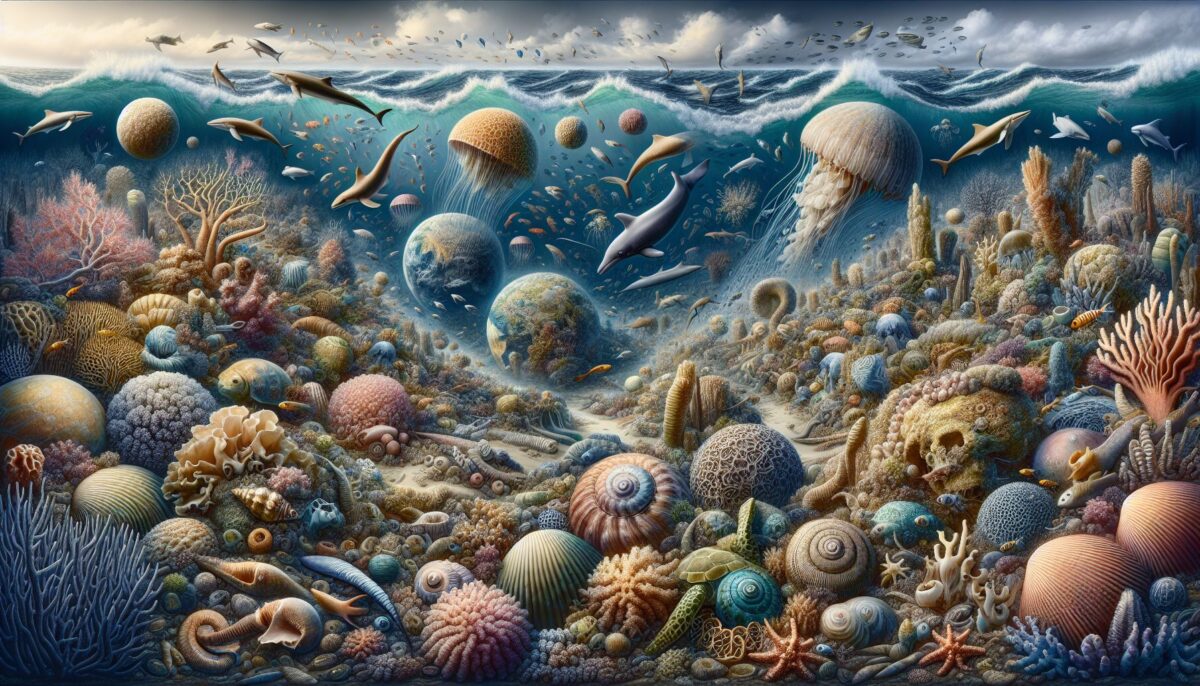
Ocean currents are vital for supporting marine life. By moving warm and cold water around the globe, they help regulate temperature and redistribute nutrients, which are essential for marine ecosystems. Upwelling areas, where cold, nutrient-rich waters are brought to the surface, support some of the most productive fisheries in the world.
Migration and Distribution
Many marine species rely on currents to migrate, feed, and reproduce. Currents can carry larvae and juvenile stages of various species to different areas, thus facilitating genetic exchange and biodiversity. Animals, such as sea turtles and some fish, use currents to navigate and reach feeding or spawning grounds.
Key Points:
– Currents play a critical role in redistributing heat and nutrients, creating fertile grounds for marine organisms.
– The migration and distribution of many marine species are influenced by ocean currents.
The Human Connection: Navigation and Trade
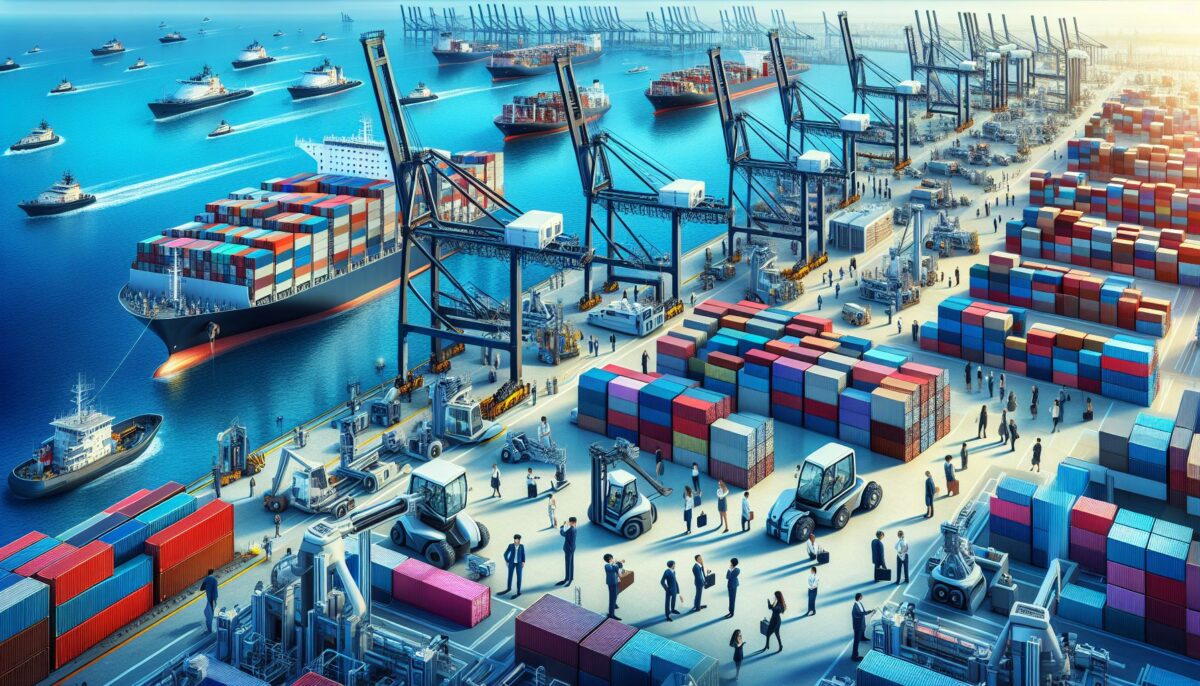
Historically, sailors have used knowledge of ocean currents to navigate the seas more efficiently. Understanding currents remains crucial for modern-day shipping to ensure safety and fuel efficiency. Trade routes are often mapped along major currents to take advantage of the natural flow of water, reducing the need for fuel and cutting down transportation time.
Environmental Impact and Challenges
The same currents that benefit maritime trade can also distribute pollutants across vast stretches of ocean. Oil spills, marine debris, and other contaminants are often spread far from their original source due to currents. This aspect of ocean currents poses a significant challenge in managing marine pollution and preserving marine ecosystems.
Key Points:
– Ocean currents have historically aided navigation and continue to impact maritime trade.
– Environmental challenges arise as currents can carry pollutants across the oceans.
The Response to a Changing Climate
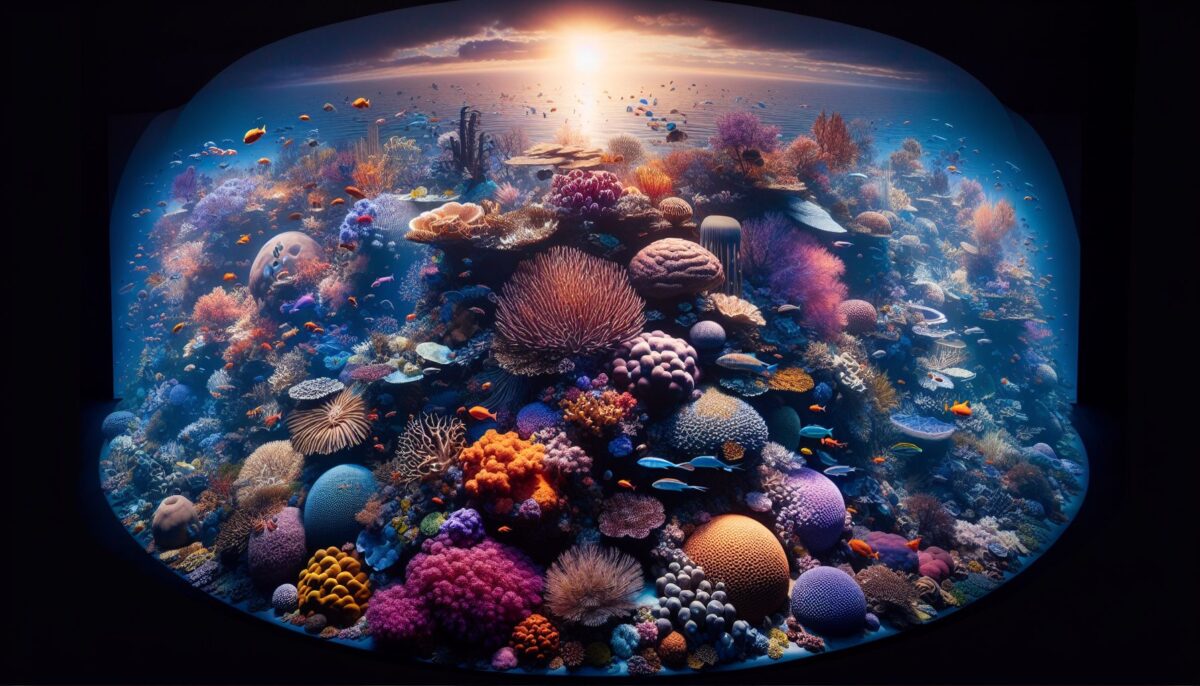
Climate change is already affecting ocean currents, with potential changes in their strength and direction posing dramatic consequences for weather patterns and marine ecosystems. For example, a slowdown in the Atlantic Meridional Overturning Circulation could lead to colder winters in Europe. Rising sea temperatures also increase the risk of coral bleaching—an event harmful to the essential structures within marine environments.
Mitigation and Adaptation Strategies
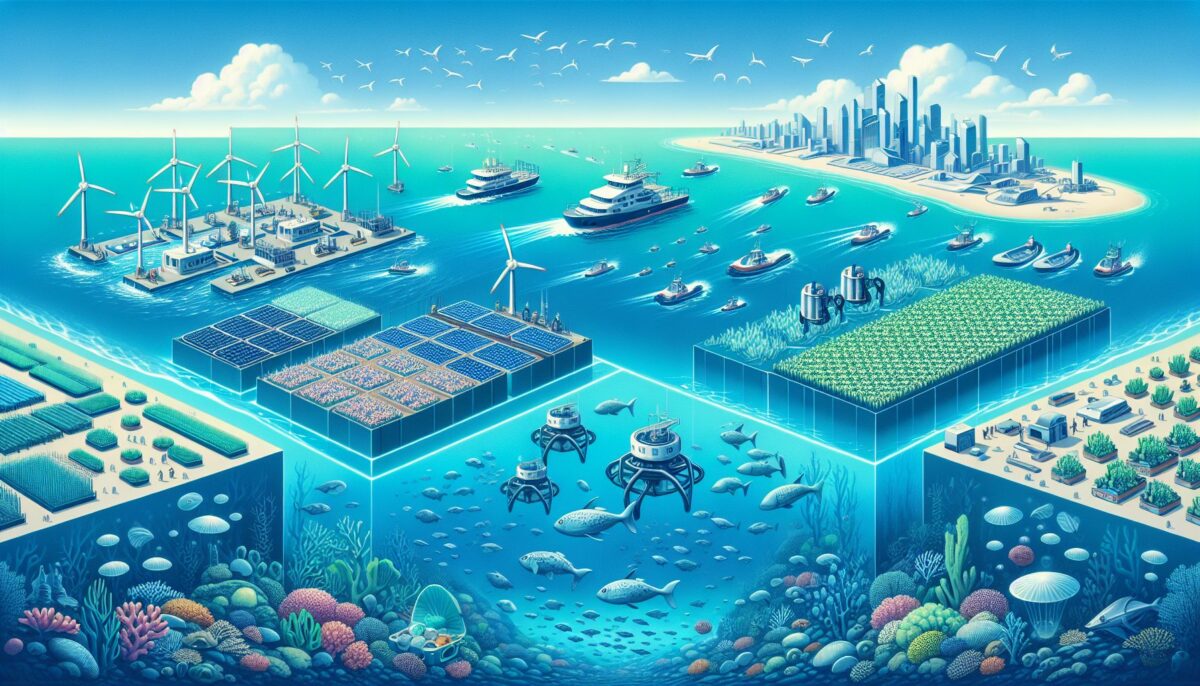
To address the challenges posed by a changing climate, it’s vital to implement mitigation and adaptation strategies. This involves reducing greenhouse gas emissions, protecting coastal areas, and investing in marine protected areas to enhance the resilience of marine ecosystems. The development of sustainable fisheries and aquaculture, along with responsible coastal management, also plays a critical role in adaptation efforts.
Key Points:
– Climate change can disrupt ocean currents, impacting global climate, and marine biodiversity.
– Mitigation and adaptation strategies are necessary to counter the effects of climate change on ocean currents and marine life.
Preserving the Vital Flow: Conservation and Sustainability
Conservation efforts, such as establishing marine protected areas, are essential for preserving the health of ocean currents and the ecosystems they support. Sustainable practices in maritime trade and fisheries ensure that human activities do not further damage these delicate systems.
The Future of Oceanographic Research
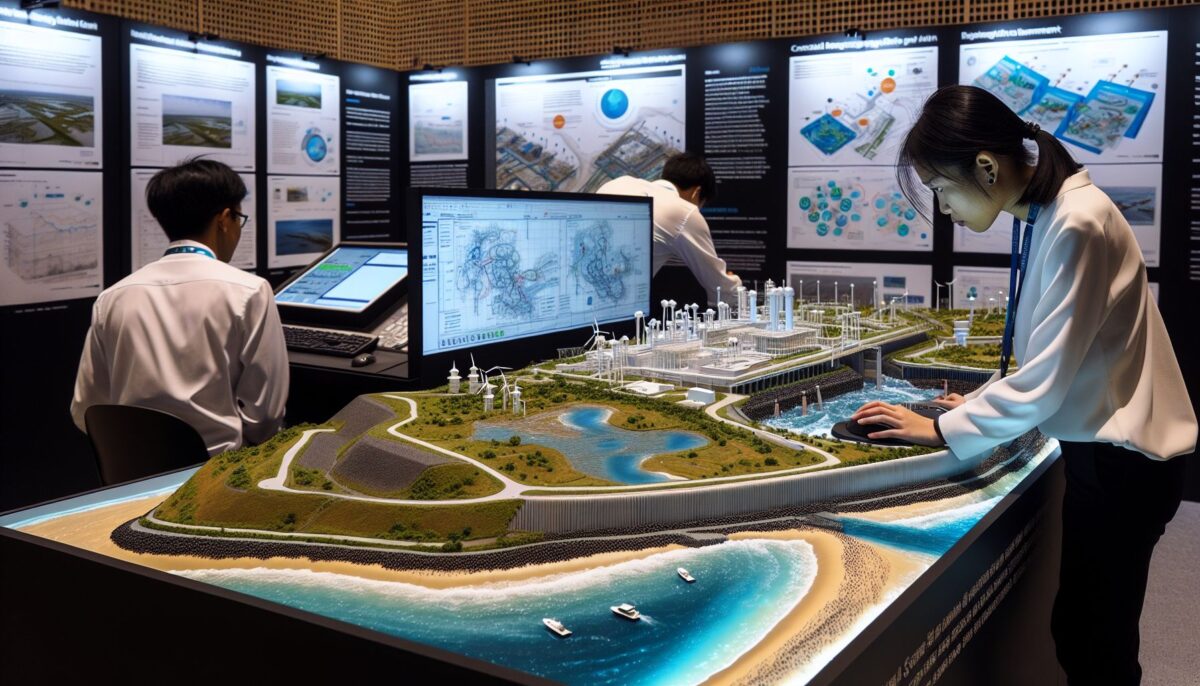
Continued research into ocean currents by oceanographers and marine geologists is vital for understanding and predicting their behavior. This research provides valuable insights that can inform conservation efforts and climate change mitigation strategies.
Key Points:
– Conservation efforts are crucial for the health of ocean currents and the marine life dependent on them.
– Oceanographic research is key to understanding current behavior and informing future strategies.
Conclusion
Ocean currents are much more than mere movements of water; they are the arteries of our planet, supporting life, influencing climates, and facilitating human activities. The great challenge lies in understanding these complex systems better and protecting them from the compounded threats of climate change and human interference.
Understanding and safeguarding our ocean currents are not just obligations to marine ecosystems but necessary steps to ensure a stable and prosperous future for humanity as we navigate the currents of change.
Sources:
1. National Oceanic and Atmospheric Administration (NOAA) – Ocean Currents
2. Intergovernmental Panel on Climate Change (IPCC) – Impact of Climate Change on Ocean Currents
3. United Nations Environment Programme (UNEP) – Marine and Coastal Ecosystems