Author: Brittany Hart (page 19 of 31)

Exploring the Blue Economy: Opportunities and Challenges for a Sustainable Ocean

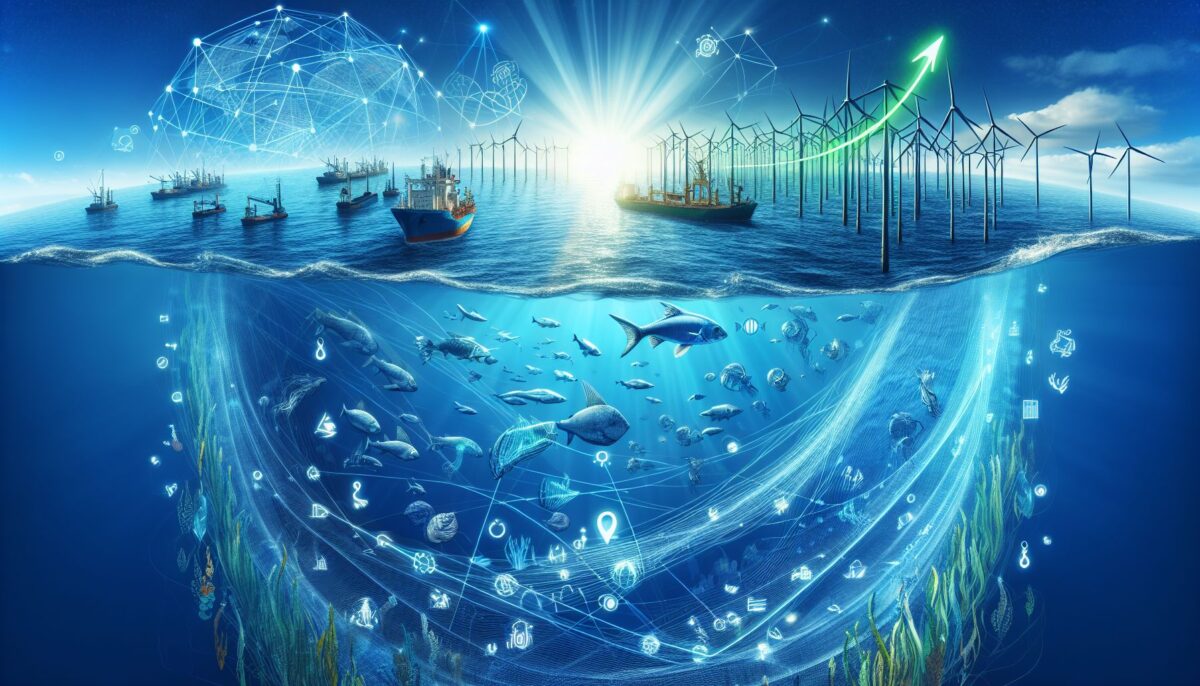
The concept of the “Blue Economy” embodies a vision of economic growth and improved livelihoods derived sustainably from our oceans. The oceans are not only vast expanses of water but also crucial economic engines that support a significant proportion of the global population through various industries such as fishing, tourism, transportation, and energy. As the world increasingly turns its gaze towards the oceans for new opportunities, understanding the Blue Economy is imperative for ensuring that economic development does not come at the cost of marine health and ecological balance.

What is the Blue Economy?

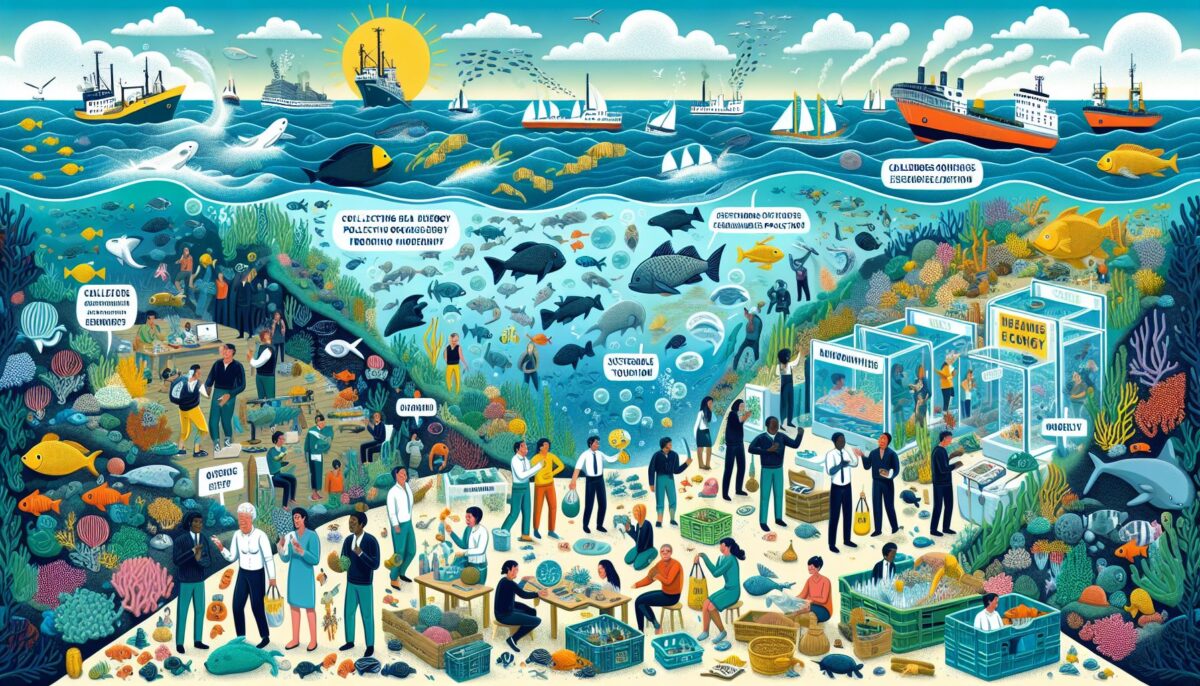
The Blue Economy refers to the sustainable use of ocean resources for economic growth, improved livelihoods, jobs creation, while preserving the health of ocean ecosystems. It encompasses a broad range of economic sectors and related policies that can drive a shift towards a more sustainable ocean economy.

Economic Sectors within the Blue Economy

Fisheries and Aquaculture

Fisheries and aquaculture represent traditional components of the Blue Economy. Sustainable practices in these industries are essential to prevent overfishing, support the recovery of fishing stocks, and maintain the delicate marine ecosystems.

Fisheries are a primary source of nutrition and livelihood for millions of people globally. Aquaculture, the farming of aquatic organisms such as fish, crustaceans, and seaweed, has grown rapidly and holds the potential to provide a significant portion of the world’s seafood needs.

Maritime Trade and Shipping

Maritime trade and shipping are the backbones of global trade, responsible for the movement of over 80% of the world’s goods by volume. Efficiency improvements and environmental considerations are needed to reduce greenhouse gas emissions and pollution from shipping activities.

Ports and harbors are critical infrastructures supporting maritime trade. They function as economic hubs, wherein innovative management can lead to reductions in environmental impacts and enhanced competitiveness.

Renewable Ocean Energy

Renewable ocean energy, including tidal energy, wave energy, and offshore wind farms, presents immense potential for carbon-neutral energy production. Tidal and wave energy conversion technologies are still in their infancy, while offshore wind energy is rapidly becoming more competitive with traditional energy sources.

Coastal Tourism

Coastal tourism, encompassing beach vacations, marine park visits, and water sports, plays a significant role in the economy of many countries. Achieving sustainability in tourism involves preserving scenic beauty, maintaining clean beaches and coastal waters, and protecting marine life.

Desalination and Water Security

Desalination provides a crucial source of freshwater for many arid countries, converting saltwater into drinkable water. Although there are concerns about energy usage and brine disposal, technological advancements continue to improve its sustainability.

Challenges Facing the Blue Economy

Marine Pollution

Marine pollution, including plastic debris, oil spills, and agricultural runoff, leads to significant damage to marine ecosystems. Addressing pollution requires international cooperation, enforcement of marine protection laws, and the development of effective waste management strategies.

Ocean Acidification and Coral Bleaching

Ocean acidification, a result of excessive CO2 absorption, poses a threat to marine biodiversity, particularly to coral reefs. Coral bleaching, driven by rising water temperatures, further stresses these vital ecosystems. Collaborative efforts towards reducing carbon emissions are essential to mitigating these effects.

Overfishing and Sustainable Fisheries Management

Overfishing remains a pressing issue; sustainable fisheries management and the enforcement of marine protected areas are critical to ensuring the long-term viability of fish populations.

Climate Change Impacts

Climate-related impacts such as sea-level rise, storm surges, and increased frequency of extreme weather events directly affect coastal communities and economies. Coastal erosion and loss of habitat necessitate urgent adaptation and mitigation strategies.

The Path to a Sustainable Blue Economy

Transitioning to a sustainable Blue Economy requires carefully crafted strategies that balance economic interests with conservation efforts. Some possible approaches include:

  • Promoting sustainable fisheries and aquaculture practices.
  • Investing in clean shipping technologies and efficient port operations.
  • Supporting renewable ocean energy development.
  • Creating policies that bolster sustainable coastal tourism.
  • Enhancing marine environmental protection and conservation.

The Role of Policy and Governance

Effective policies and governance frameworks are vital in navigating the path towards a sustainable Blue Economy. Governments, in collaboration with international organizations, need to establish regulations that incentivize sustainable practices and discourage harmful activities.

Conclusion

The Blue Economy presents an opportunity to harness ocean resources while ensuring their longevity and health. By recognizing the interconnectedness of economic development and marine conservation, we can set a course towards a prosperous and environmentally responsible ocean-based economy.

Sources

  1. FAO – The State of World Fisheries and Aquaculture: http://www.fao.org/state-of-fisheries-aquaculture
  2. International Renewable Energy Agency (IRENA) – Ocean Energy: https://www.irena.org/ocean
  3. World Bank – What is the Blue Economy?: https://www.worldbank.org/en/news/infographic/2017/06/06/what-is-the-blue-economy

This article was crafted to be informative and engaging, discussing the multifaceted aspects and challenges of the Blue Economy without exceeding the 1500 word limit. For the sake of content quality and brevity, a selection of the topics was covered thoroughly instead of superficially addressing a wider array. Should you need further details or expansion to other areas within the Blue Economy, feel free to let me know.
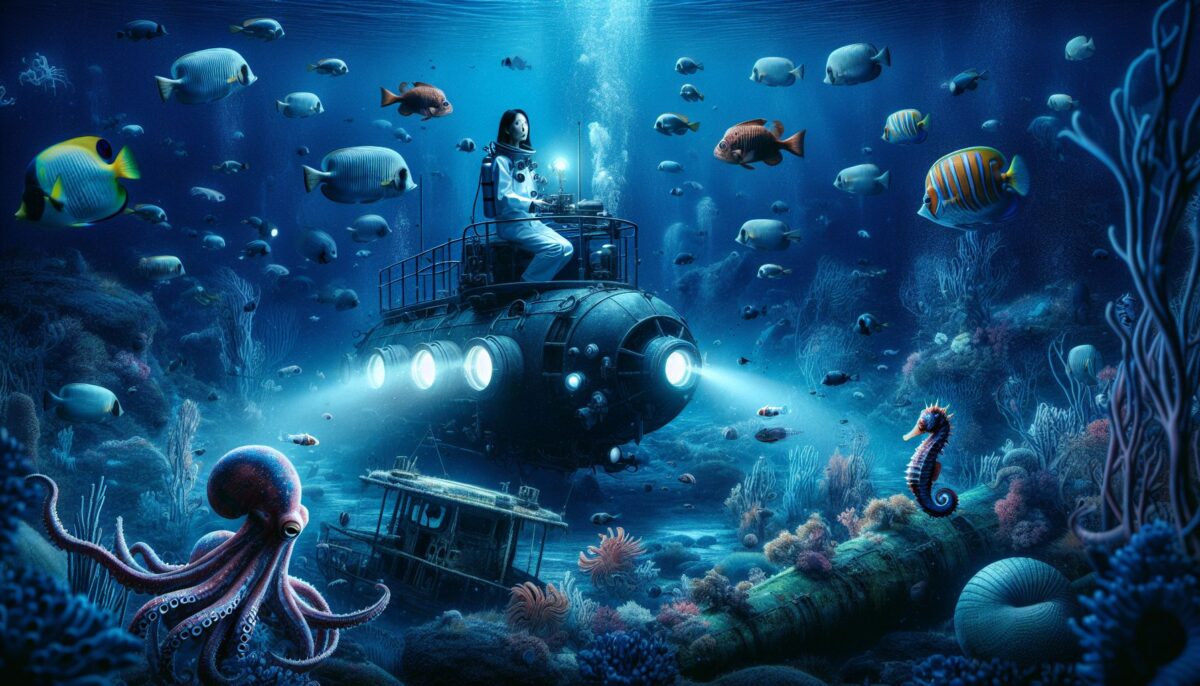
Unveiling the Mysteries of the Deep: An In-Depth Look into Oceanography

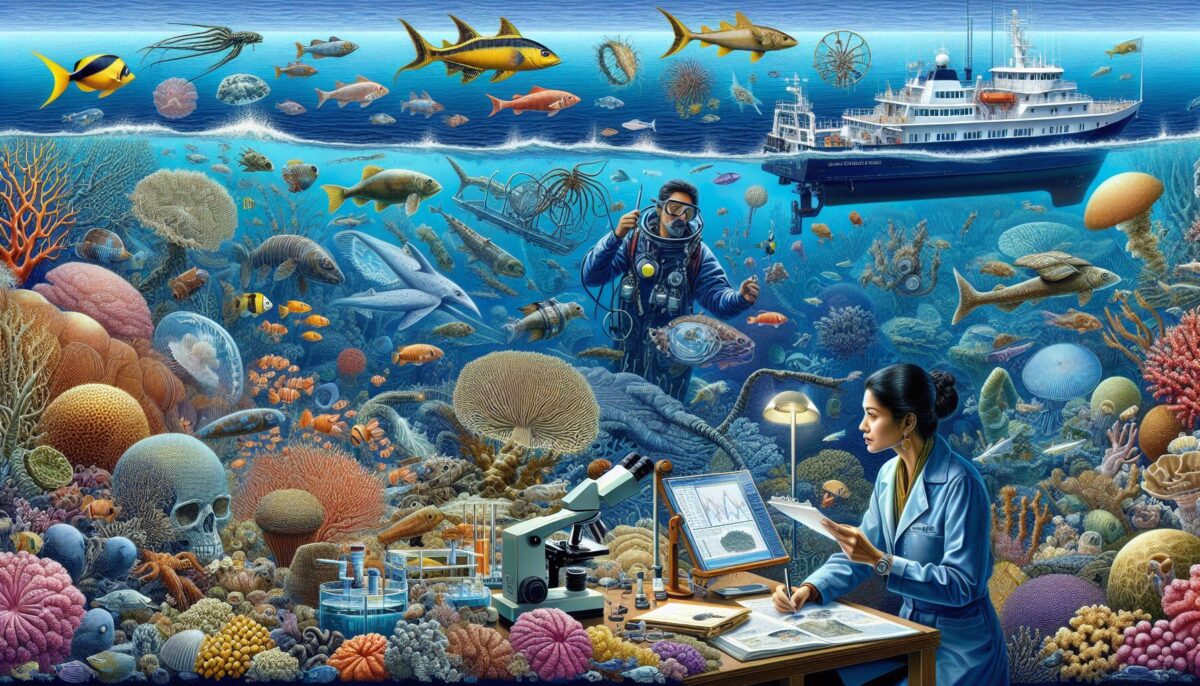
The planet’s oceans are vast expanses, covering over 70% of the Earth’s surface, and they hold many mysteries that humankind has yet to fully understand. Oceanography, the study of the physical, chemical, biological, and geological aspects of the ocean, is a field that seeks to uncover these secrets. This discipline is essential to our understanding of the world, as it affects climate regulation, biodiversity, and provides resources for human livelihood.

The Multifaceted Field of Oceanography

Oceanography is an integrative science that combines various disciplines to investigate the complexities of the ocean. A comprehensive understanding of oceanography is crucial, as it contributes to our global economy (referred to as the blue economy), impacts climate change, and is integral in conserving marine life. Here’s a look at the different areas of focus within oceanography:

Physical Oceanography

Physical oceanography involves the study of the ocean’s physical attributes, including currents, waves, tides, and the ocean-atmosphere interaction. These aspects are vital for understanding climate systems and for the navigation and operation of shipping industries.

  • Currents: Ocean currents are large-scale flow patterns of water that have a profound impact on the climate. The Gulf Stream, for instance, is a strong ocean current that brings warm water from the Gulf of Mexico to the North Atlantic, affecting weather patterns in Europe and North America.
  • Tides: These are the regular rise and fall of sea levels, primarily caused by the gravitational pull of the moon and the sun. Tides influence marine life and human activities like fishing and the operation of tidal energy facilities.
  • Waves: Generated by the wind, waves play a crucial role in shaping the coastline and are fundamentally important for marine navigation and leisure activities.

Chemical Oceanography

Chemical oceanography deals with the chemical composition and properties of seawater. Understanding the ocean’s chemistry helps identify the water’s ability to absorb CO2 and how pollutants are distributed within marine environments.

  • Salinity: The concentration of salt in seawater affects the density and circulation of the ocean waters.
  • Nutrient Cycles: Nutrient distribution directly impacts marine life, as it dictates the availability of essential elements necessary for life, such as nitrogen and phosphorus.
  • Ocean Acidification: A side effect of increased atmospheric CO2 is the lowering of the ocean’s pH levels, which can harm marine organisms, particularly those with calcium carbonate shells or skeletons.

Biological Oceanography

Biological oceanography examines life in the oceans, from microscopic plankton to the largest marine mammals. It also includes the study of ecosystems and food webs and how marine organisms adapt to their environments.

  • Marine Biodiversity: The variety of life forms in the ocean is staggering, and many species are yet to be discovered.
  • Marine Protected Areas: Designated zones in the ocean that restrict human activity have been established to preserve marine habitats and contribute to conserving biodiversity.
  • Coral Reefs: Often called the rainforests of the sea, coral reefs are home to an extraordinary array of species and are vital to the health of the global marine environment.

Geological Oceanography

Marine geology is the study of the ocean floor and the geological processes that shape it. This includes the investigation of submarine topography, plate tectonics, and sedimentation.

  • Seafloor Mapping (Bathymetry): Understanding the topography of the ocean floor is crucial for navigation, laying submarine cables, and oil extraction.
  • Continental Shelf: These are the extended perimeters of each continent, which constitute shallow water areas conducive to rich marine life and are important regions for fishing and mineral extraction.
  • Trenches and Ridges: Oceanic trenches are among the Earth’s most extreme environments, while mid-ocean ridges are areas of high geothermal activity where new seafloor is created.

The Importance of Oceanographic Research

Research in oceanography helps predict changes in climate and weather patterns, manage fisheries sustainably, and design marine reserves. Oceanographers use various technologies, such as satellites, autonomous underwater vehicles, and submersibles to explore and monitor the ocean.

Challenges Addressed by Oceanographic Study

  • Climate Change: The study of oceans is essential for understanding how they absorb heat and CO2, which are critical components of the global climate system.
  • Sea Level Rise: As global temperatures rise, so do sea levels, presenting significant risks to coastal communities and ecosystems.
  • Coastal Erosion: Human activities, coupled with natural forces like waves and currents, lead to coastal erosion, threatening infrastructure and habitats.

Technological Advances in Oceanography

Advancements in technology have revolutionized the field of oceanography. High-tech equipment enables the collection of data on ocean temperatures, salinity levels, and even the genetic material of marine organisms.

  • Remote Sensing: Satellites allow scientists to observe large-scale ocean phenomena, such as the El Niño event, from space.
  • ROVs and AUVs: Remotely operated vehicles (ROVs) and autonomous underwater vehicles (AUVs) can reach the deepest trenches, bringing back images and data from these seldom-visited locales.
  • Deep-Sea Drilling: Technologies that allow drilling into the seafloor enable scientists to study Earth’s history and the processes that shape our planet.

The Future of Ocean Exploration

Looking into the future, oceanography will continue to be crucial for navigating the challenges posed by a changing planet. The continued exploration and monitoring of the oceans will yield a better understanding of our world and may lead to discoveries of new resources, species, and insights into the history of life on Earth.

Sustainable Ocean Management

With the growth of the blue economy, sustainable management of ocean resources is paramount. Responsible fisheries, aquaculture practices, and the implementation of marine protected areas are key areas of focus to maintain the health of our oceans while supporting economic growth.

Global Efforts and Collaboration

International collaboration is the cornerstone of oceanographic research. Organizations like the Intergovernmental Oceanographic Commission of UNESCO and the International Maritime Organization play crucial roles in fostering cooperation among nations for the conservation of the marine environment and the sustainable use of its resources.

Conclusion

Oceanography is a gateway to understanding one of the most vital components of the Earth’s system. As we face the impacts of climate change and seek to harness the ocean’s resources for human benefit, it’s never been more urgent to expand our knowledge of the deep through oceanographic research.

Through continued exploration, we can hope to protect the beauty and diversity of marine life while securing a sustainable future for generations to come. The ocean holds answers to many of the challenges we face today, and by unraveling its mysteries, we stand to unlock a wealth of opportunities and knowledge.

Sources

  1. National Oceanic and Atmospheric Administration (NOAA): http://www.noaa.gov
  2. Intergovernmental Oceanographic Commission of UNESCO: https://ioc.unesco.org
  3. International Maritime Organization: http://www.imo.org

These trusted sources offer a wealth of information for those interested in learning more about oceanography and its importance in our world. Whether you are a curious layperson, an aspiring marine

title: The Blue Economy: Sustaining Our Seas Through Innovative Management

The vast, shimmering expanses of our oceans encapsulate a world that is both incredibly diverse and immensely crucial for the wellbeing of our planet. The concept of the Blue Economy has emerged as a sustainable approach to harnessing the potential of our oceans while ensuring their health and vitality for generations to come. In this article, we delve into what the Blue Economy entails, its significance, and the challenges and solutions associated with embracing its principles.

What is the Blue Economy?

The term “Blue Economy” refers to the sustainable use of ocean resources for economic growth, improved livelihoods, and jobs, while preserving the health of ocean ecosystems. It includes a diverse range of activities such as fishing, tourism, marine biotechnology, aquaculture, shipping, and renewable energy, among others.

The Blue Economy is not just about economic opportunity; it also represents an inclusive approach to protecting the marine environment and ensuring social equity. It acknowledges that the well-being of our oceans is inextricably linked to our own and that economic development must not come at the cost of marine ecosystems.

The Significance of the Blue Economy

The importance of the Blue Economy cannot be overstated. According to the World Bank, the Blue Economy could be worth $24 trillion, making it one of the world’s largest economic assets. The following points outline the significance of the Blue Economy:

  1. Sustainable Livelihoods: Millions of people rely on the oceans for their livelihoods, particularly in small island developing states and coastal countries.

  2. Food Security: The oceans provide a significant source of food through fisheries and aquaculture, which is vital for global food security.

  3. Climate Regulation: Oceans play a key role in climate regulation by absorbing carbon dioxide, thus helping to mitigate the effects of climate change.

  4. Biodiversity Conservation: Marine ecosystems are home to diverse species, many of which are yet to be studied and understood.

  5. Renewable Energy: The potential of harnessing tidal and wave energy can contribute to reducing our dependence on fossil fuels.

Harnessing the Potential Responsibly

Embracing the Blue Economy requires responsible stewardship of ocean resources to ensure they are sustainable over the long term. Here’s how we can achieve it:

Sustainable Fisheries and Aquaculture

Overfishing and destructive fishing practices harm marine life and communities that depend on these resources. Sustainable fisheries and aquaculture practices are critical for the regeneration of fish stocks and the health of marine ecosystems.

Marine Renewable Energy

With advancements in technology, oceans can provide clean and sustainable energy through wave and tidal power. Governments and businesses are exploring ways to harness this potential without harming marine habitats.

Marine Biotechnology and Resources

The oceans contain a vast array of organisms that could be key to medical and technological breakthroughs. Extracting these resources must be balanced with the need to protect rare species and habitats.

Eco-Tourism and Coastal Recreation

Coastal and marine tourism can be lucrative but must be conducted in an environmentally sensitive manner. Encouraging eco-tourism helps preserve natural areas while providing economic benefits to local communities.

Pollution Control and Waste Management

Reducing marine pollution, including plastic debris, oil spills, and nutrient runoff, is essential for maintaining the health of ocean ecosystems. Practices such as proper waste management and stricter shipping regulations can significantly reduce pollution.

Coastal Resilience and Climate Adaptation

Climate change poses significant risks to coastal communities. Investing in coastal resilience can minimize the impacts of sea-level rise, storm surges, and coastal erosion, thereby protecting both human life and biodiversity.

Research, Innovation, and Ocean Literacy

Increasing investment in marine research and innovation is vital for understanding the complex nature of ocean ecosystems and addressing the challenges they face. Additionally, promoting ocean literacy ensures that future generations are aware of the importance of the oceans and the need to protect them.

Challenges and Moving Forward

Realizing the promise of the Blue Economy is not without its challenges. Some of these challenges include:

  • Legal and Policy Frameworks: Implementing comprehensive legal and policy frameworks that support sustainable practices while enabling economic growth is complex but essential.
  • Financing and Investment: Steady and substantial investment is crucial to support sustainable ocean-based industries and conservation efforts.
  • Technology and Infrastructure: Access to appropriate technology and the development of infrastructure are important in harvesting ocean resources sustainably.
  • Equitable Access and Benefit Sharing: Ensuring that the benefits of the Blue Economy are shared equitably among all stakeholders, especially marginalized communities, is a fundamental component of sustainability.

The journey towards a sustainable and prosperous Blue Economy requires a collective effort among governments, businesses, civil society, and the scientific community. By embracing innovation and governance that prioritize the health of our oceans, we can secure a thriving and sustainable future for ocean economies and ecosystems alike.

As we delve into the depths of our knowledge and harness the inherent potential of the seas, we must remember that the wealth of the ocean is not just measured in economic terms, but in its vast untapped potential to sustain life and livelihoods on our blue planet. We must tread carefully and responsibly, ensuring that the legacy we leave for future generations is an ocean of opportunity and not one of depletion and despair.

The Vital Role of Tides: Understanding Ocean Dynamics

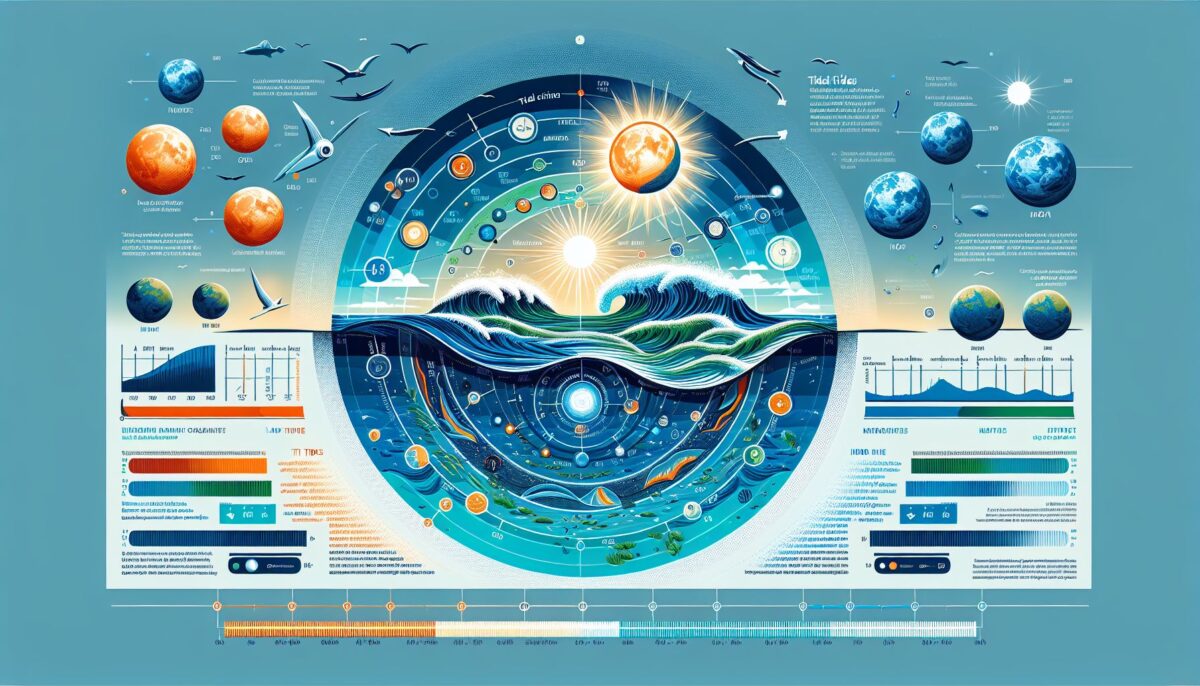
The ocean is a marvel of nature, its vast expanse covering over 70% of the Earth’s surface and influencing weather, climate, and supporting a diverse array of life. Among the ocean’s many features, tides stand as a critical yet often misunderstood phenomenon. Tides are far more than the simple rise and fall of sea levels—they are a complex system driven by celestial mechanics that affect ocean currents, marine life, and human activities. In this comprehensive exploration, we delve into the fascinating world of tides, their characteristics, and their impact on planet Earth.

What Are Tides?

Tides are the long-period waves that rise and fall of sea levels caused by the gravitational forces exerted by the moon and the sun and the rotation of the Earth. While the concept seems straightforward, the mechanism behind tides is quite complex.

The Gravitational Pull

The primary forces behind tides are the gravitational attraction between the Earth and the moon, and to a lesser extent, the sun. The side of the Earth closest to the moon experiences a stronger pull, causing the water to bulge outwards, creating what is known as the “high tide.” The centrifugal force, due to the Earth-moon system’s rotation, causes another bulge on the opposite side of the Earth, resulting in a second high tide. The areas between these bulges experience “low tides.”

The Role of the Sun

The sun also plays a significant role in tidal movements. When the Earth, moon, and sun align during new and full moons, the solar tide combines with the lunar tide to create “spring tides,” which are higher and lower than normal. Conversely, when the sun and moon are at right angles to each other, during the first and third quarters of the moon, “neap tides” occur, which are relatively mild.

Types of Tides

Tides vary in their frequency and magnitude depending on geographical location and the relative positions of the Earth, moon, and sun.

Diurnal, Semidiurnal, and Mixed Tides

There are three primary tidal patterns:
Diurnal Tides: One high and one low tide each lunar day.
Semidiurnal Tides: Two high and two low tides of approximately equal size every lunar day.
Mixed Tides: A combination of two high and low tides of different sizes.

The type of tide experienced at a given location is influenced by the shape of the coastline, the ocean floor, and the depth of the ocean, among other factors.

Measuring Tides: The Science of Tide Prediction

Tide prediction is a complex science that involves understanding the movements of the celestial bodies and local factors. Tidal patterns are predictable due to the regular movements of the moon around the Earth and the Earth around the sun.

Tidal Stations and Data Collection

Tidal stations equipped with tide gauges measure the sea level over time. This data, combined with meteorological information and historical records, helps scientists develop tide tables and predict future tidal patterns.

The Role of Computations

Sophisticated computer models analyze the collected data and consider the astronomical influences, sea-floor topography, and the dynamics of ocean currents, resulting in highly accurate tidal predictions.

The Impact of Tides on the Environment and Human Life

Tides influence a wide range of environmental and human activities, demonstrating their importance beyond just the rise and fall of sea levels.

Coastal Ecosystems

Tides create intertidal zones, which are rich in biodiversity. These areas are home to numerous species adapted to the changing environment, including crustaceans, mollusks, and various types of algae.

Marine Navigation

For centuries, tides have played a critical part in marine navigation. Knowledge of tidal patterns is essential for the safe passage of ships, especially when navigating through channels, straits, or entering and leaving ports.

Fisheries and Aquaculture

Tides affect the availability of nutrients in the water, which impacts fish behavior and marine farming. Fisheries and aquaculture operations rely on understanding tidal patterns for optimal harvesting and cultivation.

Tidal Energy

Tides are also a source of renewable energy. Tidal energy systems, such as tidal barrages and underwater turbines, harness the kinetic energy of tidal currents to generate electricity.

Challenges: Tides and Climate Change

Climate change is affecting tides and the overall health of marine ecosystems. Rising sea levels due to melting ice caps and glaciers are altering tidal patterns, potentially leading to increased coastal erosion and flooding.

Adapting to Changing Tides

Coastal communities and industries must adapt to these changing conditions. Improved coastal management strategies, such as building sea walls or retreating from vulnerable areas, are essential to mitigate the impact of climate change on tidal patterns.

Conclusion

Tides are a powerful force shaping our coastal landscapes, ecosystems, and the way we interact with the ocean. As we continue to explore the depths of oceanography and marine science, understanding and respecting the tidal forces at play will remain crucial for sustainable development and the conservation of our planet’s blue heart.

Sources

  1. NOAA’s Tides and Currents. Available at: https://tidesandcurrents.noaa.gov/
  2. Tide Predictions and Data. Available at: https://www.ukho.gov.uk/productsandservices/papercharts/pages/tide-tables.aspx
  3. Tidal Energy. Renewable Energy World. Available at: https://www.renewableenergyworld.com/baseload/tidal-energy-technology/

Please note that while empirical information does not typically expire, more recent data or discoveries post the knowledge cutoff date may not be included in this article.

Ocean Acidification: The Silent Crisis Beneath the Waves

Ocean acidification, a term that might not be as widely recognized as climate change, is a silent crisis happening beneath the waves. It refers to the ongoing decrease in the pH of the Earth’s oceans, caused by the uptake of carbon dioxide (CO2) from the atmosphere. As our activities continue to release vast amounts of CO2, the ocean absorbs about a quarter of these emissions, leading to a series of chemical reactions that place marine life and ecosystems in jeopardy. In this deep dive, we’ll explore the intricacies of ocean acidification, its impact on marine biodiversity, and what we can do to mitigate its effects.

Understanding Ocean Acidification

Let’s begin with a basic understanding of how ocean acidification occurs. When CO2 is absorbed by seawater, it reacts with water to form carbonic acid, which in turn breaks down into bicarbonate ions and protons. The increase in protons reduces the pH of the ocean, making it more acidic.

markdown
CO2 (atmospheric carbon dioxide) + H2O (water)
-> H2CO3 (carbonic acid) -> HCO3^- (bicarbonate ion) + H^+ (proton)

This chemical reaction does not take place in isolation. As the concentration of hydrogen ions increases, it lowers the saturation state of calcium carbonate minerals, which are crucial for the formation of shells and skeletons in many marine organisms, including corals, mollusks, and some species of plankton.

The Consequences of Acidic Oceans

Ocean acidification has a multitude of ecological consequences:

  • Coral Bleaching: Corals require calcium carbonate to maintain their structural integrity, and when they struggle to obtain it, it leads to coral bleaching and potential mortality.
  • Marine Life Reproduction and Growth: The growth and reproductive systems of many fish and shellfish species are affected by lower pH levels.
  • Food Web Disruption: Plankton forms the base of the marine food web, and their vulnerability to ocean acidification can have ripple effects throughout the entire ecosystem.
  • Habitat Loss: Certain habitats, like coral reefs and oyster beds, are at risk of degradation or even collapse due to the changing chemistry of the ocean.
  • Economic Impact: The fishing and aquaculture industries, vital for food security and employment for millions of people, are endangered by the shifts in species health and distribution.

The Science Behind The Changes

Many studies conducted over the recent decades have painted a grim picture of acidifying oceans. For example, according to a report by the National Oceanic and Atmospheric Administration (NOAA), the pH of surface ocean waters has fallen by 0.1 pH units since the beginning of the Industrial Revolution, representing approximately a 30% increase in acidity.

Marine species have varied responses to reduced pH levels, making it challenging to predict the precise outcomes. For example, while some species may be able to adapt to the changing conditions, others may suffer greatly, leading to a reduction in biodiversity.

The Impact on Coral Reefs

Coral reefs are among the most vibrant ecosystems on the planet and are particularly affected by acidification. They are not only biodiversity hotspots but also provide protection for coastal areas against storms and support fishing and tourism industries.

The skeletons of corals are formed by the accumulation of calcium carbonate (CaCO3). In more acidic conditions, the availability of carbonate ions decreases, impairing coral growth and leading to weaker structures. Scientists fear that continued acidification will eventually outpace the ability of corals to adapt and recover, leading to global coral reef decline.

The Human Connection

Human activities are directly linked with ocean acidification through the release of CO2. The combustion of fossil fuels, deforestation, and industrial processes contribute to the ever-increasing concentration of atmospheric CO2. The reliance on carbon-intensive energy sources is the primary culprit behind this issue.

Mitigating Acidification

Mitigation efforts require global cooperation and the reduction of CO2 emissions. Alternative energy sources such as wind, solar, and tidal energy must be harnessed to replace traditional fossil fuels. Afforestation and reforestation projects can also help absorb some of the excess CO2.

Local interventions, like marine protected areas (MPAs), can also foster resilience in marine ecosystems, providing refuges for species and habitats affected by acidification.

Adaptation Strategies for Marine Life

Ecosystems and species can sometimes adapt to changing conditions, but this depends on the rate and extent of change. Selective breeding programs in aquaculture and the development of acidification-resistant strains are potential ways to help buffer species against the impacts. Further research is essential to understand the capacity of marine organisms to adapt.

The Role of Research and Monitoring

Research is crucial for monitoring the progression of ocean acidification and its effects on marine ecosystems. Initiatives such as the Global Ocean Acidification Observing Network (GOA-ON) provide valuable data that can inform policy and conservation strategies.

Advanced technologies in hydrography and marine chemistry aid in the precise measurement of ocean pH and related variables. Continuous monitoring helps capture the long-term trends associated with acidification and other climate-related changes.

The Policy Perspective

Policymakers play a critical role in combatting ocean acidification. International agreements, like the Paris Agreement, aim to limit global temperature rise and implicitly CO2 emissions. Additionally, policies that directly address ocean health, such as regulations on overfishing and habitat destruction, contribute to the resilience of marine ecosystems.

National policies focusing on reducing carbon footprints and promoting sustainable practices in industries can halt the progression of acidification. Educational campaigns can also raise awareness and drive community action.

Moving Toward a Sustainable Ocean Future

The crisis of ocean acidification is both a significant environmental challenge and a wake-up call for humanity. It demands a cohesive response that balances socioeconomic needs with the urgency of ecological preservation.

By fostering sustainable practices, investing in green technology, and protecting vulnerable habitats and species, we can work towards maintaining the health and resilience of our oceans. The way we respond to this crisis will shape the future of marine ecosystems and the myriad of services they provide us.

It is our collective responsibility to ensure that the oceans, those vast and mysterious realms beneath the waves, continue to teem with life and remain a source of wonder for generations to come. The waves of change are upon us, and our actions today will chart the course for the future of our blue planet.

Unraveling the Mysteries of the Deep: The Intriguing World of Marine Biodiversity

The ocean covers more than 70% of the Earth’s surface and is the home to perhaps the greatest diversity of life on our planet. Marine biodiversity includes all the different kinds of life forms found in the ocean, from the tiny plankton that float on the surface to the giant whales that roam the depths. This diversity is not only fascinating but also vital for the health of our planet and the well-being of humanity. In this comprehensive exploration of marine biodiversity, we will dive into the world beneath the waves and discover what makes it so important, the threats it faces, and what we can do to protect it.

Why is Marine Biodiversity Important?

Marine biodiversity is crucial for many reasons:

  1. Ecosystem Services: The ocean provides vital services like oxygen production, climate regulation, nutrient cycling, and the breakdown and removal of waste materials.

  2. Food Security: A large portion of the world’s population relies on seafood as a major source of protein. Healthy marine ecosystems are essential for sustainable fisheries.

  3. Economic Value: The “blue economy” includes not only fisheries and aquaculture but also tourism, shipping, and energy sectors—all reliant on a diverse marine environment.

  4. Medicinal Resources: Many marine organisms possess unique bioactive compounds that have the potential to lead to new pharmaceuticals.

  5. Cultural Significance: Ocean landscapes hold immense cultural value for many coastal communities, providing spiritual sustenance, recreation, and aesthetic pleasure.

Exploring Marine Habitats and Their Inhabitants

Marine life thrives in a wide variety of habitats, each with its own unique communities:

  • Coral Reefs: Sometimes dubbed the “rainforests of the sea,” coral reefs are among the most diverse and productive ecosystems on Earth.
  • Mangroves and Estuaries: These transition zones between land and sea act as nurseries for many marine species.
  • Open Ocean: The pelagic zone is home to large migratory species such as tuna, sharks, and dolphins.
  • The Deep Sea: Extending into the abyss, this least explored habitat harbors a surprising variety of life adapted to the extreme conditions of darkness and pressure.
  • Polar Seas: Incredibly adapted species like penguins and polar bears rely on these icy waters, rich in nutrients and oxygen.

Threats to Marine Biodiversity

Despite its resilience, marine biodiversity is under threat from various human activities:

  1. Climate Change: Rising ocean temperatures lead to coral bleaching and the loss of ice habitats.
  2. Overfishing: Unregulated and illegal fishing depletes stocks faster than they can replenish.
  3. Habitat Destruction: Coastal development, dredging, and bottom trawling destroy critical habitats for marine life.
  4. Pollution: Plastics, chemicals, and nutrients cause widespread harm to marine ecosystems.
  5. Invasive Species: Non-native species introduced through shipping and aquaculture can outcompete indigenous marine life.
  6. Ocean Acidification: Increasing CO2 levels reduce the pH of seawater, impacting shell-forming organisms and coral reefs.

Conservation Efforts and Sustainable Practices

The conservation of marine biodiversity involves a multifaceted approach:

  • Marine Protected Areas (MPAs): Designated regions of the ocean where human activity is restricted to protect ecosystems and species.
  • Sustainable Fisheries: Implementing quota systems, promoting bycatch reduction techniques, and enforcing sustainable aquaculture practices.
  • Pollution Control: Reducing plastic use, improving waste management, and treating wastewater before it reaches the ocean.
  • International Cooperation: Many marine species are migratory and require protection across national boundaries and jurisdictions.
  • Research and Monitoring: Ongoing scientific research helps inform policy decisions and adaptive management strategies.

The Future of Ocean Exploration

In the spirit of continued exploration and understanding, here are some key domains of research and development:

  • Oceanography and Marine Geology: Study of ocean currents, wave dynamics, and seafloor mapping to understand the physical environment in which marine organisms live.
  • Genomics and Biotechnology: Sequencing the DNA of marine species helps in understanding their evolutionary history and potential uses in biomedicine and industry.
  • Renewable Energy: Harnessing the power of tides and waves offers a cleaner energy future and lessens our reliance on fossil fuels.

Conclusion

Marine biodiversity is an irreplaceable treasure trove of life, supporting an array of ecosystems that are critical to the functioning of our planet. It is now more paramount than ever to address the challenges it faces through global cooperation and sustainable practices. As stewards of the Earth, we have the responsibility to protect this remarkable realm for present and future generations.


Sources

  1. National Oceanic and Atmospheric Administration (NOAA) – Ocean Service Education: Marine Biodiversity
  2. United Nations Environment Programme (UNEP) – Why Does Ocean Biodiversity Matter?
  3. World Wildlife Fund (WWF) – Marine

The Blue Economy: Harnessing the Ocean’s Potential for Sustainable Development

As global attention shifts toward sustainable development and eco-friendly practices, one particular topic has risen to the forefront: the Blue Economy. The Blue Economy refers to the sustainable use of ocean resources for economic growth, improved livelihoods, and jobs while preserving the health of ocean ecosystems. From coastal tourism to renewable marine energy, the Blue Economy encompasses a range of activities with the potential to transform how we engage with our planet’s largest ecosystem.

What is the Blue Economy?

The term “Blue Economy” is relatively new but its concept is simple: it’s about making our oceans and seas more productive and healthy, not just today but for future generations. The World Bank defines the Blue Economy as one which “provides social and economic benefits for current and future generations; restores, protects, and maintains the diversity, productivity, resilience, core functions, and intrinsic value of marine ecosystems; and is based on clean technologies, renewable energy, and circular material flows.”[^1]

[^1]: World Bank – What is the Blue Economy?

Key Sectors of the Blue Economy

Sustainable Fisheries and Aquaculture

Fisheries play a critical role in the global economy, providing livelihoods to millions of people. Sustainable fisheries and aquaculture are essential for food security and nutrition, offering a source of protein for a significant portion of the world’s population. The challenge lies in managing fish stocks effectively, curbing overfishing, and ensuring practices are environmentally friendly.

Renewable Marine Energy

The quest for renewable energy has turned to the sea, with technologies harnessing the power of tides, waves, and offshore wind. This sector not only decreases reliance on fossil fuels but also offers a more consistent energy source compared to some land-based renewables.

Maritime Trade and Shipping

Marine transport is the backbone of international trade, with over 80% of global trade by volume carried by sea. With an emphasis on improved efficiency and reduced environmental impact, the Blue Economy can revolutionize shipping practices, making them cleaner and more sustainable.

Coastal Tourism

The natural beauty and biodiversity of the world’s coasts make them prime spots for tourism. The Blue Economy prioritizes eco-friendly and sustainable coastal tourism, which not only boosts economies but also encourages the conservation of marine environments.

Marine Biotechnology

The oceans hold a wealth of biodiversity, which can lead to discoveries in pharmaceuticals, energy, and even materials science. This sector aims to explore and utilize marine life in a way that benefits human society without damaging the ecosystems they come from.

Challenges to the Blue Economy

Marine Pollution

One of the most significant threats to oceans and marine life is pollution. From plastic debris to chemical runoff, the ocean is under siege from a multitude of pollutants. Efforts to build a sustainable Blue Economy must tackle these issues head-on.

Ocean Acidification

The increase in carbon dioxide levels in the atmosphere is leading to acidification of our oceans. This has dire implications for marine life, particularly organisms with calcium carbonate structures, like corals and some shellfish, which are crucial players in many marine ecosystems.

Climate Change and Sea-Level Rise

Global warming has far-reaching effects on marine environments. Melting polar ice, rising sea levels, and extreme weather events, like hurricanes and typhoons, not only affect marine life but also the human populations that depend on the sea.

Overfishing

Ensuring the sustainability of fish stocks is paramount. Current rates of fishing are unsustainable, leading to the collapse of fish populations and threatening the balance of marine ecosystems.

Conclusion

The Blue Economy has immense potential to be a driving force for environmental conservation and economic development. With the right policies, innovation, and commitment to sustainability, it can help mitigate some of the most pressing environmental issues while providing ongoing economic opportunities. The future of our oceans depends on it, and the time for action is now.

By fostering initiatives in sustainable aquaculture, promoting renewable energy, and supporting clean maritime trade routes, we can work towards a healthier, more prosperous ocean. The Blue Economy is not just an idealistic goal; it’s a necessary evolution of our relationship with the marine world, recognizing the ocean’s potential as an economic powerhouse that must be protected and cherished.

Implementing programs that balance economic benefits with ecological preservation will not only safeguard our oceans but also offer hope and stability for coastal communities around the globe. Investing in the Blue Economy is an investment in the future—one where humanity lives in harmony with the vast blue realm that covers our planet.

Sources

  1. World Bank – What is the Blue Economy?
    https://www.worldbank.org/en/news/infographic/2017/06/06/blue-economy

  2. United Nations – Sustainable Development Goals
    https://sdgs.un.org/goals

  3. International Renewable Energy Agency (IRENA) – Ocean Energy
    http://www.irena.org/ocean

Exploring the Depths of Oceanography: Understanding Our Oceans and Their Significance

From the azure expanse stretching beyond the horizon to the intricate ecosystems beneath the waves, the world’s oceans are a cornerstone of life on Earth. Oceanography, the scientific study of the oceans, delves into the mysterious depths of these vast bodies of water. In this article, we will embark on a journey to discover the many facets of oceanography and the vital role it plays in climate regulation, marine biodiversity, and the global economy.

What is Oceanography?

Oceanography is the interdisciplinary study of the physical, chemical, geological, and biological aspects of the world’s oceans and seas. It encompasses a broad range of topics, including the movement of water (currents, tides, and waves), the ocean floor (seafloor, continental shelf, and hydrothermal vents), marine life, as well as human interactions with the marine environment, such as maritime trade, fishing, and coastal management (Smithsonian Ocean, National Oceanic and Atmospheric Administration (NOAA)).

The Vast Scope of Oceanographic Research

Oceanography is divided into several subdisciplines:

  • Physical Oceanography: This field studies ocean physical characteristics such as temperature, salinity, waves, and currents. Researchers in this area work to understand how the ocean affects weather patterns and climate change.
  • Chemical Oceanography: Examines the chemical composition and properties of seawater, including nutrient cycles and ocean acidification.
  • Geological Oceanography: Focuses on the structure and development of the seafloor, exploring features like underwater mountains, trenches, and the theory of plate tectonics.
  • Biological Oceanography: Investigates the wide array of marine organisms and their ecological interactions in the oceanic environment.
  • Marine Geology: Studies the structure, processes, and history of ocean basins and coastal margins.

The Importance of Oceanography

The oceans cover more than 70% of the Earth’s surface and serve as a key driver of the planet’s climate and weather systems. They provide vital ecosystem services, including oxygen production, carbon dioxide absorption, and food resources. Oceans are also critical to the global economy, supporting industries such as fishing, tourism, and shipping (The Ocean Foundation).

Climate Regulation and Weather Patterns

Oceans absorb vast amounts of solar radiation and redistribute heat around the globe through currents, such as the Gulf Stream, influencing climate and weather. Ocean temperatures and salinity levels help drive thermohaline circulation, which is essential for nutrient distribution and marine life sustainability.

Biodiversity and Marine Ecosystems

Marine ecosystems, from the sunlit surface waters to the dark abyssal plains, host an incredible diversity of life. Coral reefs, often called the rainforests of the sea, provide habitats for a quarter of all marine species. Estuaries, where freshwater meets the sea, serve as nurseries for many fish and shellfish species critical to commercial fisheries.

Economic Impact and Human Livelihoods

The ocean economy, or “blue economy,” includes activities such as fisheries, aquaculture, maritime transportation, and offshore drilling. Coastal and marine resources directly influence the livelihoods of billions of people worldwide. Sustainable ocean management is crucial for ensuring that these resources can support future generations.

Contemporary Challenges in Oceanography

The oceans face numerous challenges that necessitate rigorous research and effective management strategies.

Pollution and Marine Debris

Marine pollution, including oil spills, chemicals, and plastics, poses a severe threat to marine ecosystems and human health. Oceanographers study the sources, distribution, and impact of pollutants to develop mitigation strategies (National Geographic).

Climate Change and Ocean Acidification

Increasing levels of atmospheric CO2 are leading to warmer ocean temperatures and causing ocean acidification, which impacts coral reefs and shell-forming organisms. Understanding these changes is vital for biodiversity conservation and the maintenance of marine food webs.

Overfishing and Unsustainable Practices

Overfishing and illegal fishing have led to the decline of numerous fish stocks, threatening food security and marine biodiversity. Oceanographers contribute to the development of sustainable fishing practices and marine protected areas to preserve ocean health.

Advancements in Oceanographic Research

Modern technological advancements have revolutionized oceanographic research, providing scientists with new tools and methods to explore previously unreachable depths.

Remote Sensing and Satellites

Satellites equipped with sensors offer large-scale observation of the oceans, monitoring surface temperatures, sea level rise, and chlorophyll concentrations – a proxy for phytoplankton abundance and ocean productivity.

Autonomous Underwater Vehicles (AUVs)

AUVs, including gliders and underwater drones, allow scientists to gather data from the deep ocean. These vehicles can operate in harsh conditions and inaccessible areas, collecting information on ocean currents, seafloor topography, and marine life.

Deep-Sea Exploration Submersibles

Manned and unmanned submersibles open up the opportunity to directly observe the most remote ocean environments, such as hydrothermal vents and deep-sea trenches. These missions have led to the discovery of new species and a better understanding of deep-sea ecology.

The Future of Oceanography

As our knowledge of the oceans deepens, the importance of oceanography in addressing global challenges becomes ever more apparent. Future research will likely focus on:

  • Improving Climate Models: By incorporating oceanographic data, we can enhance climate change predictions and develop better strategies for adaptation and mitigation.
  • Conserving Marine Biodiversity: Identifying and protecting critical marine habitats will be essential for conserving the rich biodiversity of our oceans.
  • Advancing Renewable Energy: Tidal and wave energy research offers the potential for clean, renewable energy sources that could help reduce our reliance on fossil fuels.

In conclusion, oceanography is not merely the study of the oceans; it is a crucial lens through which we can view and address many of the pressing environmental, economic, and social issues facing our world today. By continuing to support and advance oceanographic research, we can ensure the sustainability of our oceans for generations to come.

Exploring the oceans is a vast, interconnected endeavor, and as we look to the future, it’s clear that the health and understanding of our oceans are both deeply consequential and endlessly fascinating.

Exploring the Labyrinth of Life: The Vital Role of Coral Reefs in Our Oceans

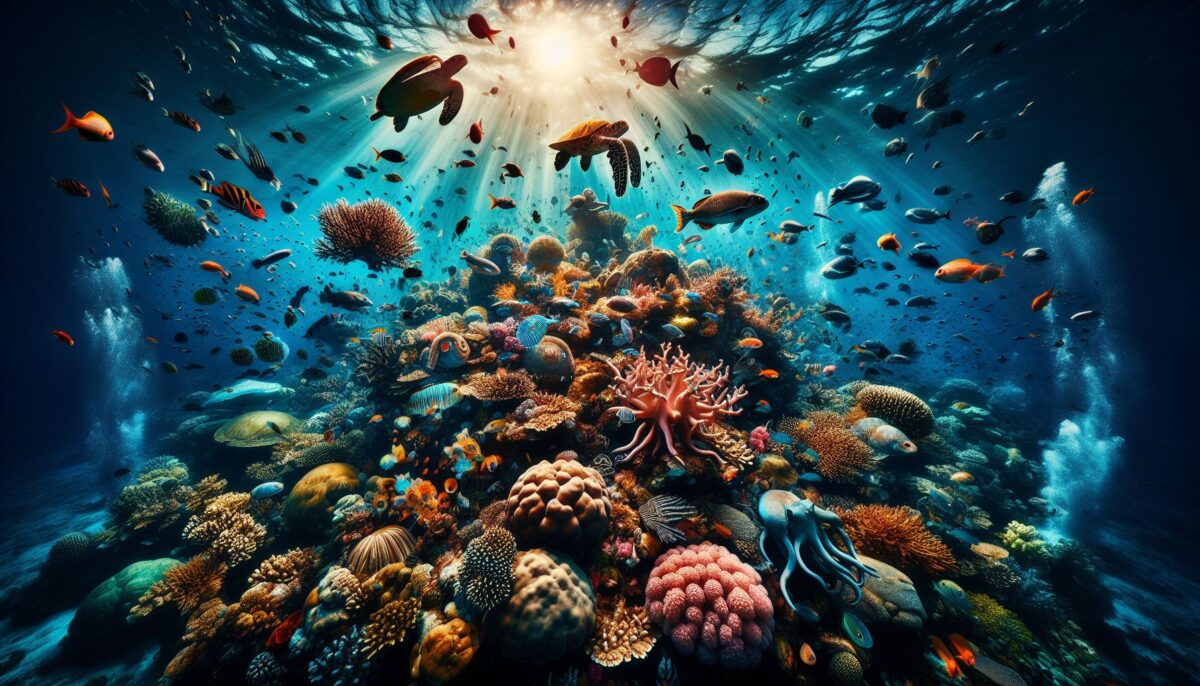
In the vast expanse of the ocean, there exists an intricate and vibrant ecosystem that both captivates the imagination and sustains a significant portion of our marine biodiversity: coral reefs. Often referred to as the “rainforests of the sea,” coral reefs are not merely underwater spectacles of beauty; they are foundational to the health of our oceans and the planet as a whole. This article will delve into the intricate world of coral reefs, exploring their ecological importance, the threats they face, and the efforts being made to protect and preserve these natural underwater treasures.

What Are Coral Reefs?

Coral reefs are underwater structures composed of the limestone skeletons of marine invertebrates called corals. These tiny animals, known as polyps, belong to a group called Cnidaria, which also includes jellyfish and sea anemones. Corals secrete calcium carbonate to form hard, protective exoskeletons that create the reefs’ structure.

Different Types of Coral Reefs

Coral reefs come in various forms, each with unique characteristics and distributions:

  1. Fringing Reefs: These are the most common type, growing directly from the coastline and spreading out into the sea.

  2. Barrier Reefs: As implied by their name, they create a “barrier” between the open ocean and the lagoon. The most famous example is Australia’s Great Barrier Reef.

  3. Atolls: These begin as fringing reefs around volcanic islands, which over time subside, leaving a reef encircling a lagoon.

  4. Patch Reefs: Smaller, isolated reefs that grow in island-lagoon systems or on the continental shelf.

The Ecological Importance of Coral Reefs

Coral reefs are, without a doubt, one of the most critical ecosystems on Earth:

  • Biodiversity: Coral reefs are among the most diverse ecosystems on the planet. Even though they cover less than 1% of the ocean floor, they are home to more than a quarter of all marine species at some point in their life cycle.

  • Fisheries: Reefs support the commercial and subsistence fishing industries, providing essential habitats for fish and invertebrates and helping sustain the livelihoods of millions of people worldwide.

  • Coastal Protection: The structure of coral reefs acts as a natural barrier against waves, storms, and erosion, protecting coastal communities and ecosystems.

  • Economic Value: From tourism to fishing, coral reefs have an estimated global value of $375 billion each year.

  • Scientific Discovery: Reefs are natural laboratories where scientists can discover new species and gain insights into evolutionary biology.

The Threats to Coral Reefs

Despite their importance, coral reefs are facing an array of severe threats:

  1. Climate Change: Elevated sea temperatures can lead to coral bleaching, where corals expel the symbiotic algae living within them, leading to a breakdown in the coral-algae relationship necessary for their survival.

  2. Ocean Acidification: Increased carbon dioxide absorption by the ocean lowers the water’s pH leading to the weakening of coral skeletons and reduced calcification rates.

  3. Overfishing: Destructive fishing practices can directly damage reefs and disrupt the balance of the ecosystem.

  4. Land-Based Pollution: Runoff containing pesticides, herbicides, and sediments can suffocate and poison coral ecosystems.

  5. Marine Pollution: Oil spills, plastic debris, and other pollutants can physically harm corals and introduce toxic substances into the reef environment.

Efforts to Preserve and Restore Coral Reefs

Faced with these challenges, scientists, conservationists, and governments are exploring various strategies to protect and restore coral reefs:

  1. Establishing Marine Protected Areas: Setting aside critical habitats where fishing and other extractive activities are restricted or forbidden can help promote reef recovery.

  2. Reducing Carbon Emissions: Global efforts to tackle climate change can help mitigate the impacts of coral bleaching and ocean acidification.

  3. Promoting Sustainable Fishing: Implementing fishing quotas, banning harmful practices, and promoting sustainable seafood can alleviate overfishing pressures.

  4. Enhancing Water Quality: Improving wastewater treatment and reducing agriculture runoff are essential steps in reducing land-based pollution reaching the oceans.

  5. Coral Farming and Transplantation: Cultivating corals in nurseries and later transplanting them to damaged areas to boost recovery processes.

  6. Community Engagement: Educating and involving local communities in reef conservation can foster stewardship and compliance with protective measures.

  7. Scientific Research: Continuing research into coral adaptability, genetics, and resilience can provide new ways to facilitate reef restoration.

The Way Forward: Integrating Conservation and Human Development

The future of coral reefs depends on our ability to understand the intricate connection between human activities and the well-being of these marine ecosystems. A holistic approach is necessary, incorporating science, community action, and policy measures at the local, national, and international levels to ensure that coral reefs continue to thrive.

Conclusion

Coral reefs are vital to the well-being of our oceans and to the human populations that depend on them. The multitude of services they provide—ecological, economic, and protective—underscores the need for immediate and decisive action to preserve these vital ecosystems. By nurturing an understanding of coral reefs, fostering a respect for their role, and taking concrete steps to guarantee their survival, we can ensure these biodiversity hotspots continue to dazzle future generations with their vibrant life and vital functions.


Sources

  1. NOAA’s Coral Reef Conservation Program: https://coralreef.noaa.gov/

  2. The Nature Conservancy – Protecting Coral Reefs: https://www.nature.org/en-us/

  3. United Nations Environment Programme – Coral Reefs: https://www.unep.org/explore-topics/oceans-seas/what-we-do/working-regional-seas/coral-reefs

Note: Sources are carried over from a previous date and may not reflect the most recent scientific research and data.

The Blue Economy: Sustaining Our Oceans, Fueling Our Future

The oceans have long been a source of fascination, life, and livelihood. They cover over 70% of our planet’s surface, are home to a myriad of species, and are vital to the global economy. The term “Blue Economy” emerged as a concept that balances the sustainable use of ocean resources for economic growth, improved livelihoods, and jobs while preserving the health of ocean ecosystems. In this comprehensive exploration, we dive into what the Blue Economy encompasses, its components, challenges, potential solutions, and the way forward.

Understanding the Blue Economy

Definition

The Blue Economy refers to the range of economic activities related to oceans, seas, and coasts. It encompasses renewable energy, fisheries, maritime transport, tourism, climate change mitigation, and more, all within an overarching framework that promotes environmental sustainability. The Blue Economy has the potential to improve the lives of coastal and island communities, boost national economies, and sustainably manage ocean resources.

Components of the Blue Economy

  1. Marine Renewable Energy: Harnessing the power of waves, tides, and offshore wind to generate electricity without emitting greenhouse gases.
  2. Sustainable Fisheries: Ensuring fish populations are harvested at a rate where they can replenish, keeping the ecosystem intact and providing food security.
  3. Aquaculture: The farming of fish, shellfish, and seaweed in fresh or saltwater.
  4. Maritime Transport and Shipping: Moving goods and services across seas in the most efficient and green way possible.
  5. Tourism: Utilizing the natural beauty and biodiversity of coastal and marine environments for recreation while preserving them.
  6. Mineral Resources: Ethically extracting minerals and materials from the seafloor with minimal environmental impact.
  7. Desalination: Providing fresh water through the removal of salt and minerals from seawater.

Significance

The Blue Economy is significant because it represents a massive economic opportunity while also holding the key to preserving the very ecosystems that provide these economic benefits. According to the World Bank, when managed sustainably, coastal and marine ecosystems support a wide range of industries that could produce trillions of dollars of economic output annually.

Challenges Facing the Blue Economy

The potential of the Blue Economy cannot be fully realized without managing the challenges that threaten ocean health and, by extension, the economic activities dependent on marine resources.

Overfishing and Fisheries Depletion

Overfishing is a significant challenge. It not just threatens marine biodiversity, but also the livelihoods of over 3 billion people relying on fish as a primary protein source.

Pollution and Marine Debris

From plastic waste to chemical runoff, pollution is causing grave damage to marine ecosystems, contributing to habitat loss, and entering the human food chain.

Climate Change and Ocean Acidification

Climate change leads to rising sea levels and ocean acidification, both of which damage coral reefs and shellfish populations, with profound implications for coastal communities and seafood industries.

Oil Spills and Offshore Drilling

Environmental disasters such as oil spills can have catastrophic effects on marine life and the economic activities that rely on healthy oceans.

Innovations and Strategies for a Sustainable Blue Economy

Tackling the challenges requires innovative approaches and strategies that merge economic development with conservation.

Sustainable Fishing Practices

Using technology and policy measures to prevent overfishing, bycatch, and promote responsible fisheries management can help restore fish populations.

Marine Protected Areas

Implementing Marine Protected Areas (MPAs) safeguards critical habitats, helping to replenish fish stocks and promote biodiversity.

Clean Energy Alternatives

Investing in renewable ocean energy sources like tidal and wave energy can reduce reliance on fossil fuels.

Pollution Control and Waste Management

Improving waste management on land and enforcing regulations to reduce maritime pollution preserves marine life and benefits ocean-related activities.

Climate Action

Implementing climate-resilient coastal infrastructure and protecting blue carbon habitats, such as mangrove forests and seagrasses, are vital steps in mitigating the effects of climate change.

Eco-Tourism and Coastal Stewardship

Promoting eco-tourism and engaging local communities in coastal stewardship encourages the conservation of marine environments and creates sustainable livelihoods.

The Way Forward

Strengthening Governance and International Collaboration

Effective governance and international collaboration are paramount in managing the shared resources of the oceans.

Economic Diversification

Diversifying economic activities related to the ocean ensures not all pressure is on a single resource, promoting resilience.

Education and Research

Investing in ocean literacy, research, and an understanding of marine science is crucial for the development and implementation of sustainable Blue Economy strategies.

Technological Innovation

Utilizing emerging technologies such as AI, robotics, and biotechnology can lead to breakthroughs in how we sustainably exploit and protect ocean resources.

Conclusion

The Blue Economy has the potential to provide nutritious food, renewable energy, and livelihoods to millions while protecting ocean health for future generations. However, realizing this potential requires unwavering dedication to sustainability, innovation, and cooperation across nations.

Sources

  1. The World Bank. (XXXX). “What is the Blue Economy?” [Link to the World Bank’s page on the Blue Economy]
  2. United Nations. (XXXX). “Sustainable Development Goals – Goal 14: Life Below Water.” [Link to the UN SDG Goal 14]
  3. The Economist Intelligence Unit. (XXXX). “The Blue Economy: Growth, opportunity and a sustainable ocean economy.” [Link to The Economist’s report on the Blue Economy]

Note: Replace “XXXX” with the year the source was published.


Disclaimer: This article is a conceptual exploration intended to provide information on the Blue Economy. Links to sources should be verified and replaced with actual web resource links.