Category: Main (page 10 of 31)

The Mysteries and Marvels of Ocean Currents: Navigating the Lifelines of Our Seas

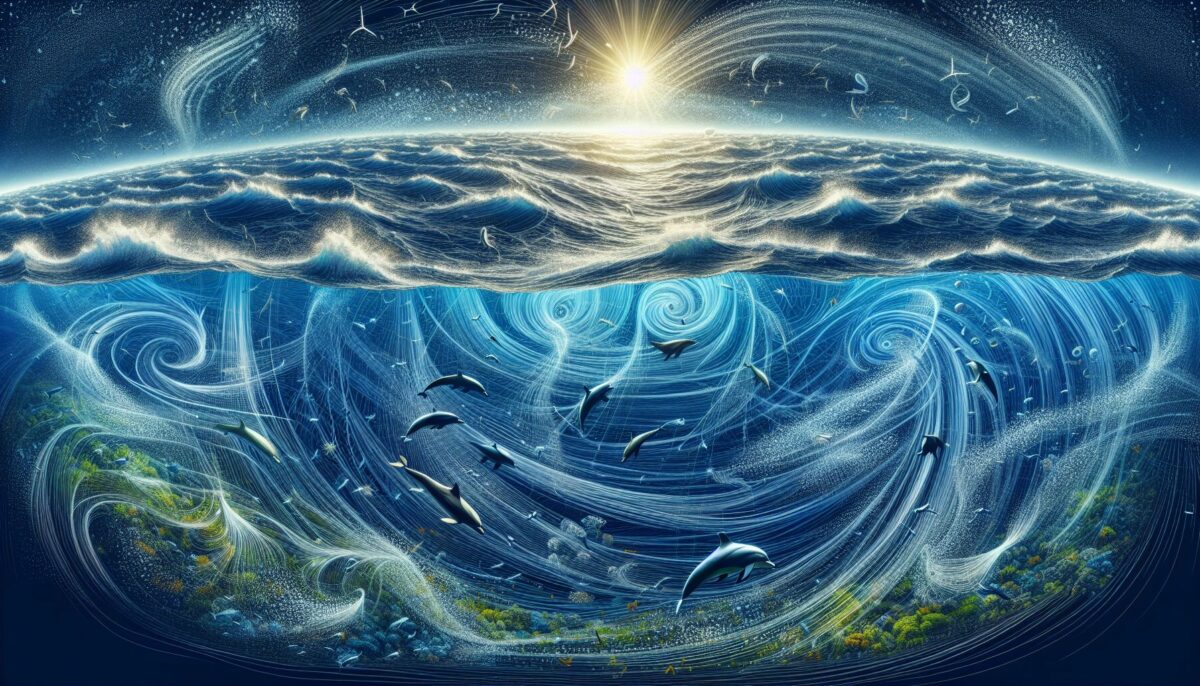
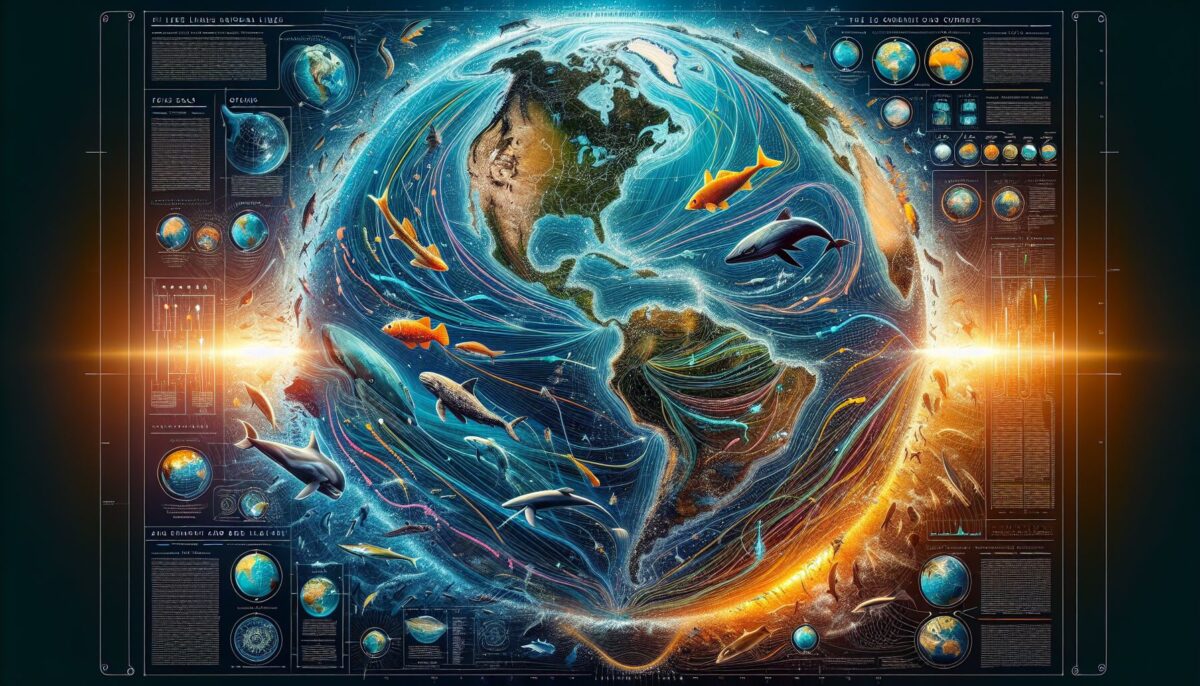
Ocean currents are a complex, dynamic system of water movements that circulate around our planet’s oceans. From the vast conveyor belt of the global thermohaline circulation to the smaller, more localized rip currents, these powerful flows play a crucial role in shaping climates, maintaining marine ecosystems, and enabling human activities such as navigation and commerce. In this comprehensive exploration, we dive into the unseen rivers beneath the waves, unraveling their secrets, influence, and the challenges they face in a changing world.

Understanding Ocean Currents

To appreciate the intricacies of ocean currents, it’s essential to grasp their nature and origin. Currents are cohesive streams of seawater that move through the Earth’s oceans in patterns dictated by various factors, including wind, the Earth’s rotation, tides, and differences in water density. They can be both surface currents, governed largely by wind direction, and density-driven deep -sea currents, affected by temperature (thermo) and salinity (haline), hence the term “thermohaline.”

The Engine of Climatic Regulation

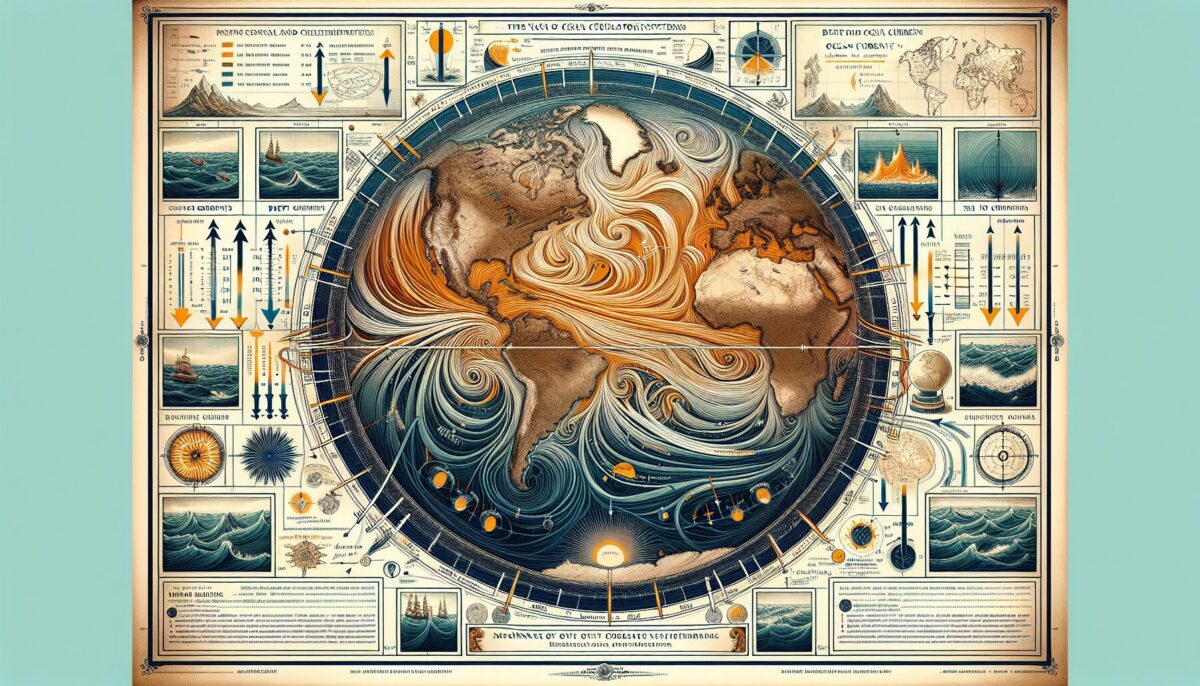
Ocean currents are the unsung heroes of our planet’s climate system. The global thermohaline circulation, often referred to as the “Great Ocean Conveyor Belt,” is a prime example of how these currents regulate temperature by transporting warm water from the equator toward the poles and cool water back toward the equator.

Key Points:
– Surface currents are initiated by global wind patterns, while deep-sea currents depend on water density differences.
– The regulation of Earth’s climate is closely tied to the effective distribution of heat through ocean currents.

The Driving Forces Behind Currents

Multiple factors contribute to the formation and direction of ocean currents. The wind is a significant force, with prevailing winds like the trade winds and westerlies shaping surface flows. Earth’s rotation influences currents through the Coriolis effect, causing them to veer to the right in the Northern Hemisphere and to the left in the Southern Hemisphere. Gravitational pull from the moon and sun generates tides, which in turn, affect current patterns, especially in coastal areas.

The Role of Salinity and Temperature

Salinity and temperature play a pivotal role in the formation of deep-water currents. Cold, salty water is denser and sinks, while warm, less salty water tends to rise. This process, called thermohaline circulation, contributes to a massive, slow-moving underwater current that can be particularly influential in the transport of nutrients and distribution of marine life.

Key Points:
– Winds, the rotation of the Earth, and tidal forces are primary drivers of ocean currents.
– Density differences, resulting from variations in temperature and salinity, set deep-water currents in motion.

Ocean Currents and Marine Life

Ocean currents are vital for supporting marine life. By moving warm and cold water around the globe, they help regulate temperature and redistribute nutrients, which are essential for marine ecosystems. Upwelling areas, where cold, nutrient-rich waters are brought to the surface, support some of the most productive fisheries in the world.

Migration and Distribution

Many marine species rely on currents to migrate, feed, and reproduce. Currents can carry larvae and juvenile stages of various species to different areas, thus facilitating genetic exchange and biodiversity. Animals, such as sea turtles and some fish, use currents to navigate and reach feeding or spawning grounds.

Key Points:
– Currents play a critical role in redistributing heat and nutrients, creating fertile grounds for marine organisms.
– The migration and distribution of many marine species are influenced by ocean currents.

The Human Connection: Navigation and Trade

Historically, sailors have used knowledge of ocean currents to navigate the seas more efficiently. Understanding currents remains crucial for modern-day shipping to ensure safety and fuel efficiency. Trade routes are often mapped along major currents to take advantage of the natural flow of water, reducing the need for fuel and cutting down transportation time.

Environmental Impact and Challenges

The same currents that benefit maritime trade can also distribute pollutants across vast stretches of ocean. Oil spills, marine debris, and other contaminants are often spread far from their original source due to currents. This aspect of ocean currents poses a significant challenge in managing marine pollution and preserving marine ecosystems.

Key Points:
– Ocean currents have historically aided navigation and continue to impact maritime trade.
– Environmental challenges arise as currents can carry pollutants across the oceans.

The Response to a Changing Climate

Climate change is already affecting ocean currents, with potential changes in their strength and direction posing dramatic consequences for weather patterns and marine ecosystems. For example, a slowdown in the Atlantic Meridional Overturning Circulation could lead to colder winters in Europe. Rising sea temperatures also increase the risk of coral bleaching—an event harmful to the essential structures within marine environments.

Mitigation and Adaptation Strategies

To address the challenges posed by a changing climate, it’s vital to implement mitigation and adaptation strategies. This involves reducing greenhouse gas emissions, protecting coastal areas, and investing in marine protected areas to enhance the resilience of marine ecosystems. The development of sustainable fisheries and aquaculture, along with responsible coastal management, also plays a critical role in adaptation efforts.

Key Points:
– Climate change can disrupt ocean currents, impacting global climate, and marine biodiversity.
– Mitigation and adaptation strategies are necessary to counter the effects of climate change on ocean currents and marine life.

Preserving the Vital Flow: Conservation and Sustainability

Conservation efforts, such as establishing marine protected areas, are essential for preserving the health of ocean currents and the ecosystems they support. Sustainable practices in maritime trade and fisheries ensure that human activities do not further damage these delicate systems.

The Future of Oceanographic Research

Continued research into ocean currents by oceanographers and marine geologists is vital for understanding and predicting their behavior. This research provides valuable insights that can inform conservation efforts and climate change mitigation strategies.

Key Points:
– Conservation efforts are crucial for the health of ocean currents and the marine life dependent on them.
– Oceanographic research is key to understanding current behavior and informing future strategies.

Conclusion

Ocean currents are much more than mere movements of water; they are the arteries of our planet, supporting life, influencing climates, and facilitating human activities. The great challenge lies in understanding these complex systems better and protecting them from the compounded threats of climate change and human interference.

Understanding and safeguarding our ocean currents are not just obligations to marine ecosystems but necessary steps to ensure a stable and prosperous future for humanity as we navigate the currents of change.

Sources:
1. National Oceanic and Atmospheric Administration (NOAA) – Ocean Currents
2. Intergovernmental Panel on Climate Change (IPCC) – Impact of Climate Change on Ocean Currents
3. United Nations Environment Programme (UNEP) – Marine and Coastal Ecosystems
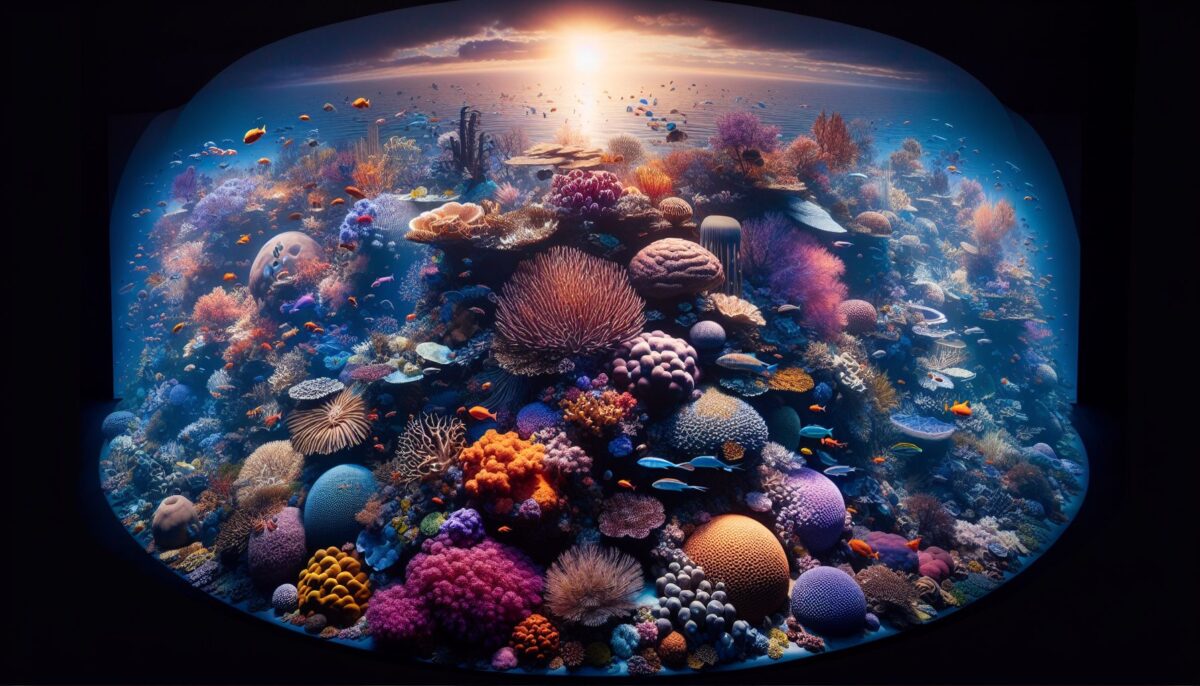
The Majestic World of Coral Reefs: An Ecosystem Facing Trials and Triumphs

Coral reefs, often referred to as “rainforests of the sea,” are among the most diverse and valuable ecosystems on Earth. Their vibrant hues and bustling marine life draw in not just a myriad of creatures but also humans who marvel at their beauty. However, these marine marvels are under threats that jeopardize their existence and the vast biodiversity they support. This article delves deep into the myriad aspects of coral reefs, from their formation and ecological importance to the dire challenges they face and the hopeful endeavors for their preservation.

What are Coral Reefs?

Coral reefs are underwater structures made from calcium carbonate secreted by corals, which are tiny marine invertebrates belonging to the phylum Cnidaria. Corals live in symbiotic relationships with algae called zooxanthellae, which provide them with energy through photosynthesis and contribute to the vibrant colors for which reefs are known.

Formation and Types

The creation of a coral reef can take thousands to millions of years. It begins with a single coral polyp attaching to a rock on the sea floor. Over time, these polyps reproduce and create colonies that grow into reefs. There are mainly three types of reefs:

  1. Fringing reefs: These are the most common, forming along coastlines and surrounding islands. They are separated from the shore by shallow lagoons.
  2. Barrier reefs: These lie parallel to the coastline but are further out to sea, with deeper, wider lagoons between.
  3. Atolls: These are circular reefs that arise around sunken islands, with a central lagoon.

Distribution and Hotspots

Coral reefs thrive in warm, shallow waters of the tropics and subtropics. The Coral Triangle, located in the western Pacific Ocean, hosts the highest diversity of marine life and is a hotspot for coral biodiversity. Other significant reef systems include the Great Barrier Reef in Australia, the Mesoamerican Reef in the Caribbean, and the Red Sea Coral Reef.

The Importance of Coral Reefs

Reefs are critical to marine life, serving as breeding and feeding grounds for hundreds of species. They protect coastlines from storms and erosion, support fishing communities, and contribute to local and global economies through tourism.

Ecological Significance

The productivity of coral reefs supports a complex food web, from microscopic plankton to apex predators like sharks. They are vital nursery grounds for many species of fish, and their complex structures provide shelter, enabling a multitude of creatures to thrive.

Economic and Cultural Value

Globally, coral reefs contribute billions of dollars to the economy through fishing, tourism, and medicine. Many cultures have deep-rooted connections to reefs, often playing central roles in traditions and livelihoods.

Challenges Faced by Coral Reefs

Despite their ecological and economic significance, coral reefs face numerous threats, predominantly driven by human activities.

Climate Change and Coral Bleaching

Coral bleaching occurs when corals, stressed by warmer-than-average water temperatures, expel their zooxanthellae, leading to a loss of color and essential nutrients. Mass bleaching events have become more frequent and severe due to climate change, often leading to coral death.

Pollution and Overfishing

Runoff containing pesticides, sediments, and nutrients from agriculture can smother reefs and spur harmful algal blooms. Additionally, unsustainable fishing practices, like using cyanide or dynamite, devastate coral communities.

Ocean Acidification

The absorption of excess carbon dioxide by oceans is causing ocean acidification. This lowers the waters’ pH, making it difficult for corals to calcify and maintain their skeletons, thus impeding reef growth.

Destructive Practices and Development

Coastal development, unregulated tourism, and illegal coral mining for construction or souvenirs contribute to physical damage to reefs. Anchor drops and contact with divers or snorkelers can also cause breakages.

Conservation Efforts

The sobering state of the world’s reefs has spurred global initiatives and conservation efforts aimed at protecting and restoring these vital ecosystems.

Marine Protected Areas (MPAs)

Establishing MPAs restricts human activities, allowing coral reefs to recuperate and regenerate. Notable MPAs include the Northwestern Hawaiian Islands Marine National Monument and the Great Barrier Reef Marine Park.

Responsible Tourism

Eco-friendly tourism practices and education help minimize damage to coral reefs. Tour operators and local communities are increasingly recognizing the importance of sustainable interactions.

Restoration Projects

Projects like coral farming and transplantation are increasingly common. By growing corals in nurseries and transplanting them onto degraded reefs, conservationists help to speed up the recovery process.

International Agreements

Agreements like the Convention on Biological Diversity and the Paris Agreement aim to tackle climate change and biodiversity loss, indirectly benefiting reef systems.

The Future for Coral Reefs

The fight to save coral reefs is ongoing. Cutting-edge research in coral genetics and stress resilience, along with international cooperation and strict conservation measures, offers hope.

Advancements in Science

Researchers are seeking to identify and breed corals that are naturally more resistant to warming and acidifying oceans, with hopes of creating robust stocks that can withstand future climate scenarios.

Global Collaboration

Initiatives such as the International Coral Reef Initiative and the Coral Triangle Initiative on Coral Reefs, Fisheries, and Food Security involve multiple countries working together to manage reefs more effectively.

Public Awareness

Increased education and awareness regarding coral reefs and their plight can lead to greater public support for conservation measures. Social media and documentaries play crucial roles in this aspect.

Conclusion

Coral reefs represent some of the most spectacular natural wonders on our planet. They are a critical part of the marine ecosystem, essential for biodiversity, and invaluable to people around the globe. The array of threats they face is significant, but through concerted efforts combining science, policy, and community engagement, there is hope for the future of these vital living structures.

Sources

  1. Great Barrier Reef Marine Park Authority. “Great Barrier Reef Outlook Report 2019.” https://www.gbrmpa.gov.au/__data/assets/pdf_file/0020/33302/GBR-Outlook-Report-2019.pdf
  2. NOAA. “What is coral bleaching?” https://oceanservice.noaa.gov/facts/coral_bleach.html
  3. The Coral Triangle Initiative on Coral Reefs, Fisheries & Food Security. https://www.coraltriangleinitiative.org/

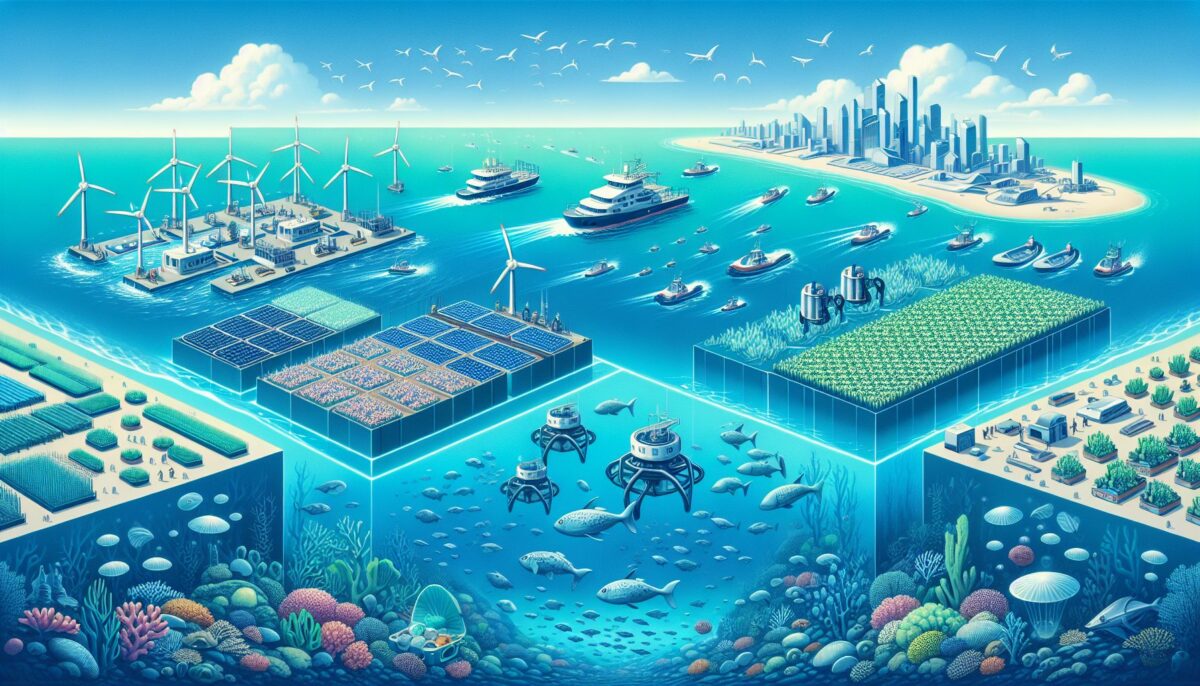
Navigating the Blue Economy: The Future of Sustainable Ocean Resources

The ocean has been a cornerstone of human civilization for millennia, providing food, transport, recreation, and even inspiration. Today, as we grapple with the twin challenges of environmental sustainability and economic development, the concept of the Blue Economy has emerged as a crucial framework for understanding and nurturing the myriad ways we interact with oceanic systems.

Understanding the Blue Economy

The Blue Economy encompasses all economic activities related to oceans, seas, and coasts. It ranges from traditional sectors like fishing and maritime transport to emerging sectors like offshore renewable energy. It takes into account the health of the marine environment, the livelihoods of coastal communities, and the necessity of protecting our oceans for future generations.

A Dive into Economic Contributions

Oceans contribute significantly to the global economy. According to the Organisation for Economic Co-operation and Development (OECD), the ocean economy is projected to double in size by 2030, reaching a total value of over $3 trillion.

  • Fisheries and Aquaculture: This sector remains the linchpin of ocean-based food production, responsible for providing a significant portion of the global population’s protein intake.
  • Maritime Trade: With approximately 90% of the world’s trade carried by sea, maritime routes are the lifelines of international commerce.
  • Tourism: Coastal and marine tourism is one of the fastest-growing areas of the global leisure economy.
  • Renewable Energy: Ocean energy sources, including wind, tidal, and wave energy, offer promising alternatives to fossil fuels.

Environmental Sustainability

To tap into the Blue Economy sustainably, it is critical to balance economic growth with the ecological limits of the ocean. This balance involves addressing challenges such as:

  • Marine Pollution: From plastics to chemical runoffs, keeping pollutants out of our seas is essential for the health of marine ecosystems.
  • Overfishing: Sustainable fisheries management is key to preventing the collapse of fish stocks.
  • Ocean Acidification and Coral Bleaching: Oceans absorb a large part of the CO2 emitted into the atmosphere, leading to acidity levels that can harm marine life.
  • Habitat Destruction: Protecting sensitive areas, such as coral reefs and mangroves, is crucial for biodiversity.

Blue Economy Sectors: Current State and Future Prospects

Fisheries and Aquaculture

Fisheries and aquaculture are traditional components of the Blue Economy. However, they face severe sustainability challenges, such as overfishing and the environmental impacts of aquaculture operations. Solutions include sustainable fishing practices, improved aquaculture technologies, and traceability of seafood from catch or harvest to consumer.

Marine Renewable Energy

The push for renewable energy has brought ocean-based sources to the forefront. Wind farms, tidal barrages, and wave energy converters harness the power of marine forces to generate electricity. A challenge in this sector is the development of technologies that are economically viable and have minimal impact on marine life.

Sustainable Maritime Transport

The shipping industry is a significant contributor to global CO2 emissions. Transitioning to more sustainable forms of maritime transport can include using cleaner fuels, improving operational efficiencies, and designing advanced ship hulls to reduce resistance.

Coastal Tourism

A sustainable approach to tourism involves the development of eco-friendly resorts, conservation of natural habitats, and promotion of responsible tourism practices. This sector’s future lies in its ability to contribute to conservation efforts while providing economic opportunities.

Ocean-Based Drug Discovery

Marine bioprospecting involves exploring the sea for novel compounds that can be used in pharmaceuticals. The ongoing discovery of unique marine-derived drugs is an exciting frontier within the Blue Economy.

Deep-Sea Mining

Technological advancements have made the idea of mining the seafloor for minerals such as nickel, cobalt, and rare earth elements a possibility. The environmental implications of such ventures remain a contentious issue that requires careful management.

Desalination

With freshwater scarcity becoming a pressing issue for many countries, the process of desalinating seawater to make it potable is a growing industry within the Blue Economy. The challenge lies in reducing the energy consumption and environmental impact of desalination plants.

Challenges and Governance

Despite the potential benefits, there are significant challenges that must be overcome to ensure that the Blue Economy remains sustainable:

  • International Cooperation: Oceans do not adhere to national borders. As such, international cooperation is essential for managing shared resources and environmental challenges.
  • Regulation and Enforcement: Robust legal frameworks, along with effective enforcement mechanisms, are required to manage ocean activities sustainably.
  • Climate Change: The Blue Economy must adapt to and mitigate the impacts of climate change, which poses a significant threat to marine environments.

Strategies for Sustainable Development

Developing a sustainable Blue Economy requires strategic planning and international cooperation. Here are some initiatives that can help promote sustainability:

  • Marine Protected Areas (MPAs): Expanding MPAs to cover critical marine habitats helps protect biodiversity and support fisheries recovery.
  • Investment in Research and Development (R&D): Innovations in maritime technologies can lead to more environmentally friendly and cost-effective uses of ocean resources.
  • Education and Capacity Building: Equipping coastal communities with the knowledge and tools to manage their marine resources can help foster sustainability.

Looking Ahead

The Blue Economy stands at the crossroads of human need and ecological responsibility. Sustainable practices can unlock the full potential of ocean resources while protecting the marine environment for posterity. Moving forward, it will be essential to harness the collective efforts of governments, industries, NGOs, and communities to chart a course towards a truly sustainable and economically vibrant Blue Economy.

Sources:

The Intricacies and Importance of Ocean Currents

When you think of the ocean, what immediately comes to mind? The vast expanse of blue stretching to the horizon, the calm or rough waves that break upon the shore, or perhaps the abundant and diverse forms of marine life that dwell beneath the surface? While all these features are integral to our conception of the ocean, there is an underlying dynamism that is often overlooked: ocean currents.

Ocean currents are continuous, directed movements of seawater that flow in the Earth’s oceans. These currents are generated by various factors, including wind, water density differences, and the Coriolis effect resulting from the Earth’s rotation. They play a crucial role in regulating the Earth’s climate, distributing heat across the planet, and influencing weather patterns. Moreover, currents are vital for marine life, providing essential nutrients and facilitating the migration and habitats of various species.

Understanding Ocean Currents

To appreciate the role that currents play in our global ecosystem, it’s essential to understand their mechanisms and classifications. There are two main types of currents: surface currents and deep-water currents. Surface currents make up about 10% of all the water in the ocean and are primarily driven by the wind. Deep-water currents, or thermohaline circulation, are more about variations in water density caused by different temperatures and salinity levels.

Surface Currents

Surface currents are generally found in the upper 400 meters of the ocean. The most well-known system of surface currents is called the “global conveyor belt,” which includes the Gulf Stream in the North Atlantic, a powerful current responsible for warming the climate of Northern Europe. Another important surface current is the North Pacific Gyre, which dominates the Pacific Ocean and is, unfortunately, also responsible for the accumulation of plastics in what is known as the Great Pacific Garbage Patch.

Deep-Water Currents

Deep-water currents move around the ocean basins due to differences in the water density, which is affected by the temperature (thermo) and salinity (haline). This process, also known as thermohilane circulation, is responsible for the large-scale circulation of the ocean and contributes significantly to the mixing of deep and surface waters.

The Impact on Climate

One of the most critical roles of ocean currents is their impact on climate. The global distribution of heat that currents facilitate is essential in maintaining a climate balance. For example, warm water from the equator is transported towards the poles, while cold, nutrient-rich water is carried towards the equator. This helps regulate and stabilize temperatures globally, preventing extreme conditions in certain areas.

Marine Life and Ecosystems

Ocean currents also play a vital role in supporting rich marine ecosystems. These moving waters transport nutrients that are essential for the growth of phytoplankton, which form the base of the marine food web. In turn, these microorganisms support a diverse array of sea life, from small fish to large marine mammals.

Navigation and Maritime Trade

Historically, ocean currents have played a significant role in navigation and maritime trade. Mariners have long utilized currents to assist in their journeys. The knowledge of currents allows ships to sail more efficiently, reducing fuel consumption and travel time.

The Threats to Ocean Currents

Despite their significance, ocean currents face several threats from human activities and climate change. The alteration of Earth’s climate by the emission of greenhouse gases can impact the temperature and salinity of the ocean waters, potentially disrupting the delicate balance of the currents.

Another threat is plastic pollution in our oceans, which can affect both surface and deep-water currents. The accumulation of plastics can not only disrupt the flow of currents but also poses a severe risk to marine life and ecosystems.

Climate Change

The most profound long-term threat to ocean currents comes from climate change. As global temperatures rise, the increase in surface water temperatures can slow down or even alter the pattern of currents, affecting everything from weather systems to marine ecosystems. For example, scientists are monitoring the Atlantic Meridional Overturning Circulation (AMOC), a key component of Earth’s climate system, for signs of weakening due to climate change.

Pollution

Ocean currents can carry pollutants, such as plastics, chemicals, and other debris over large distances. The impact of this pollution can be devastating to marine life and habitats. Plastic debris can entangle marine animals or be ingested, while chemical pollutants can poison marine organisms and disrupt the food chain.

Preserving Ocean Currents

To ensure the continued flow and health of ocean currents, comprehensive efforts must be made globally. Reductions in greenhouse gas emissions to mitigate climate change is one of the most crucial steps. Additionally, improving waste management and reducing plastic use can lessen the burden of pollution in our oceans.

International Agreements and Marine Protected Areas

International agreements like the Paris Agreement aim to tackle global warming, consequently preserving ocean currents. Marine protected areas (MPAs) and other conservation efforts help safeguard marine ecosystems, maintaining the health of ocean currents and the creatures that depend on them.

Research and Monitoring

Ongoing research and monitoring are also vital to understand the changes occurring in ocean currents better. Organizations such as the Intergovernmental Oceanographic Commission (IOC) of UNESCO and the National Oceanic and Atmospheric Administration (NOAA) are actively involved in studying ocean currents, predicting changes, and proposing solutions.

Sustainable Practices

Sustainable practices in fisheries and reduction of chemical pollutants can also diminish the adverse effects on ocean currents. Supporting sustainable seafood and reducing chemical runoff from agriculture and industries can significantly impact the health of ocean currents.

Conclusion

Ocean currents are the arteries of our planet, circulating life-sustaining nutrients and regulating climate. As intangible as they may seem, they profoundly affect our environment, economies, and the biodiversity of the marine world. The threats that these currents face due to human actions are a call to action for individuals, industries, and governments worldwide to engage in more sustainable practices.

In conclusion, it’s imperative that we continue to deepen our understanding of ocean currents and engage in concerted efforts to preserve them. For this, education on the importance of currents, alongside investment in research and responsible policies, are vital. We must remember that the currents that move beneath the surface are not just part of the ocean; they’re an essential component of the global system that supports all life on our planet.

Sources

By understanding and safeguarding our ocean currents, we ensure the preservation of the magnificent entity that is our Earth’s ocean, along with all the life it sustains and the human lives it profoundly affects.

Unveiling the Mysteries of Ocean Currents: Circulatory Systems of the Sea

The ocean is a vast, dynamic place, teeming with life, and pulsating with the constant movement of water. Among the many fascinating characteristics of this blue expanse, ocean currents hold a special place due to their crucial role in regulating climate, supporting marine ecosystems, and shaping the patterns of navigation and trade. In this article, we’ll dive deep into the world of ocean currents, exploring their causes, their types, and their effects on our planet.

Understanding Ocean Currents

Ocean currents are continuous, directed movements of sea water generated by a number of forces acting upon the water, including wind, the Earth’s rotation, changes in temperature and salinity, and tides, among others. These currents can flow for thousands of kilometers and are paramount in determining the climate of many of the Earth’s regions, notably including coastal areas.

The Forces Behind Ocean Currents

The primary forces that drive ocean currents include:

  1. Wind: Wind blowing over the surface of the sea produces friction and forces the water to move. This motion, called wind-driven circulation, creates currents that are primarily horizontal, such as the Gulf Stream in the North Atlantic.
  2. The Coriolis Effect: Earth’s rotation causes moving objects, including ocean currents, to follow curved paths—an effect known as the Coriolis force. In the northern hemisphere, currents are deflected to the right, while in the southern hemisphere, they are deflected to the left.
  3. Thermohaline Circulation: Variations in water density affected by temperature (thermo) and salinity (haline) also generate currents. Cold, salty water is denser and sinks, creating deep ocean currents that are mostly vertical and slow-moving.
  4. Tides: Gravitational forces from the moon and the sun also contribute to ocean currents. These forces interact with the shape of the ocean basins to produce tidal currents, which can be very strong in confined areas such as bays and estuaries.

Types of Ocean Currents

Ocean currents are generally classified into two main types:

  1. Surface Currents: Comprising about 10% of water in the ocean, these are primarily driven by wind and typically extend to depths of 400 meters. They are most easily observed and have a direct impact on weather and climate.
  2. Deep Water Currents: Making up the other 90% of the ocean, these are driven by density differences arising from variations in temperature and salinity. They flow beneath the surface and play a vital role in global heat transfer and the carbon cycle.

Ocean Current Systems

Renowned ocean current systems include:

  • The Gulf Stream: Part of the North Atlantic Gyre, it transports warm water from the Caribbean Sea northwards to the North Atlantic.
  • The Antarctic Circumpolar Current: Encircling Antarctica, this current moves water around the globe in an easterly direction and affects the climate of the entire Southern Hemisphere.
  • The California Current: Flowing southward along the western coast of North America, this current brings cool, moist air and heavily influences the climate of the Pacific coast.

The Crucial Role of Currents

Ocean currents play several critical roles in our world:

  • Climate Regulation: Currents distribute heat around the globe, which influences the Earth’s climate. The transfer of warm and cold water helps maintain a balance in global temperatures.
  • Marine Life: Nutrients carried by currents are vital for marine ecosystems. Upwelling currents bring nutrients from the depths to the surface, which supports large populations of phytoplankton, the foundation of the marine food web.
  • Navigation: For centuries, mariners have used ocean currents to aid in navigation and shipping. Understanding currents allows for more efficient travel between ports and can save time and fuel.
  • Pollution Dispersal: Unfortunately, currents also distribute pollutants like plastics and oil spills across the oceans. Understanding currents is essential for mitigating and responding to environmental disasters.

The Impact of Global Warming on Ocean Currents

As the planet warms, there is mounting evidence that ocean currents are changing. Melting polar ice alters the salinity and density of ocean waters, which can disrupt thermohilane circulation patterns. This might lead to significant changes in climate, particularly in regions heavily influenced by currents such as Western Europe, which benefits from the warmth of the Gulf Stream.

Navigating the Future with Ocean Current Knowledge

Understanding and monitoring ocean currents is essential not just for navigation and climate prediction but also for managing fisheries and protecting marine life. Satellite technology and floating sensors can now provide real-time data on current pathways and strengths, enabling better models and more accurate forecasting.

Current Research and Technology

Satellites like the Copernicus Sentinel series provide a wealth of information on ocean currents by measuring sea surface height, temperature, and even color. Autonomous underwater vehicles (AUVs) and floating buoys collect data from beneath the surface, offering insights into how deep water currents change over time.

The Potential of Renewable Energy from Ocean Currents

Harnessing ocean currents for renewable energy is a promising area of development. Devices such as underwater turbines can be deployed in areas with strong tidal or ocean currents to generate electricity, although this technology is still in its infancy and faces environmental and economic challenges.

Preservation and Ocean Currents

To mitigate the impact of human activities on ocean currents and the overall health of marine environments, Marine Protected Areas (MPAs) have been established worldwide. Ocean currents do not recognize human-imposed boundaries, so international cooperation is necessary to effectively manage these protected zones.

Ocean Currents and Our Blue Economy

The “blue economy” refers to the sustainable use of ocean resources for economic growth, improved livelihoods, and jobs while preserving the health of ocean ecosystems. Responsible management of ocean currents and the associated ecosystems contributes significantly to sectors such as tourism, fisheries, and biotechnology.

Facing Challenges and Embracing Opportunities

As human activities increasingly impact the oceans, understanding currents is more important than ever. Challenges such as overfishing, pollution, and marine habitat destruction all intersect with the movement of ocean currents, highlighting the interconnectedness of human and oceanic systems.

In conclusion, the study of ocean currents is an ever-evolving field that sits at the intersection of marine science, environmental conservation, and economic development. By revealing the complex mechanisms behind these watery highways, we can better protect our oceans, leverage their resources wisely, and secure a sustainable future for all the creatures that depend on this vital part of our planet.

Sources:

  1. National Oceanic and Atmospheric Administration (NOAA) – Ocean Currents and Climate
  2. National Geographic – Ocean Currents, Explained
  3. Intergovernmental Oceanographic Commission (IOC) of UNESCO – Ocean Currents and Climate Change

Markdown was used to format this document with headings, bold text, and numbered lists to improve readability and structure. Links to sources provide additional information and credibility.

The Precarious Balance: Coastal Erosion and the Fight to Preserve Our Shorelines

When it comes to coastal landscapes, there’s an inherent beauty and tranquility to where land meets sea. However, beneath this serene facade lies a tumultuous battle between the forces of nature and the presence of human activity. Coastal erosion, a natural process exacerbated by both climactic events and human interference, poses a critical threat to ecosystems, infrastructure, and communities. This article delves into the causes, impacts, and mitigation strategies surrounding coastal erosion, highlighting the tightrope walk of preserving our shorelines for future generations.

Understanding Coastal Erosion

Coastal erosion is the gradual removal of land along the shoreline due to the action of waves, tides, and currents. It can be influenced by a variety of factors including the:

  • Geology of the coast: Some rock types are more resistant to erosion than others.
  • Wave energy: Stronger waves, often found in storm conditions, can accelerate erosion.
  • Sea level rise: Higher sea levels can lead to more powerful waves reaching further inland.
  • Human activity: Coastal development, dredging, and the construction of sea defenses can change natural sediment movement and contribute to erosion.

Recent research underscores the increasing rate of coastal erosion. According to a study published by the European Commission’s Joint Research Centre, nearly 50% of the world’s sandy beaches could be significantly eroded by the end of this century (European Commission.

The Impacts of Coastal Erosion

Environmental Implications

  • Loss of Habitat: Coastal erosion can destroy habitats crucial for wildlife, particularly birds and marine species.
  • Changes in Ecosystems: The removal of coastal land can lead to the loss of wetlands, which are vital for water purification, flood protection, and biodiversity.

Socio-Economic Consequences

  • Infrastructure Damage: Homes, roads, and communities near the shoreline may be at risk.
  • Economic Loss: Coastal areas often rely on tourism and fisheries, both of which can be negatively affected by erosion.

Cultural Effects

  • Heritage Sites at Risk: Erosion can threaten historical sites and culturally significant landscapes.

The Causes Behind the Erosion

Natural Causes

  • Storms and Weather Events: Hurricanes and storms produce strong waves that can strip away the shoreline.
  • Sea Level Rise: As oceans absorb more heat, sea levels rise, exacerbating erosion issues (NOAA).

Human-Induced Causes

  • Coastal Development: Construction along coasts can remove natural barriers and change sediment dynamics.
  • Armoring: Seawalls and jetties may protect one area while accelerating erosion in another.
  • Dredging: Alters natural sediment flow, potentially leading to erosion downstream or along the coast.

Mitigation and Adaptation Strategies

Hard Engineering Solutions

  • Sea Walls
  • Pros: Protect property from wave action.
  • Cons: Can enhance erosion elsewhere and alter natural processes.

  • Groynes

  • Pros: Trap sand from being moved down the beach by longshore drift.
  • Cons: Can starve downstream beaches and disrupt ecosystems.

Soft Engineering Approaches

  • Beach Nourishment
  • Pros: Adds sand to the beach, preserving its natural appearance.
  • Cons: Temporary and can be expensive over time.

  • Dune Regeneration

  • Pros: Enhances natural coastal defenses.
  • Cons: Relies on sufficient space and can be slow to establish.

Managed Retreat

  • Allowing Controlled Erosion
  • Pros: Lets nature take its course and can restore natural habitats.
  • Cons: Requires relocating infrastructure and potentially communities.

Innovative Solutions

  • Living Shorelines
  • Use of natural materials and plants to stabilize the coast.
  • Can create habitats and help absorb wave energy.

  • Reef Creation

  • Artificial reefs can help break waves and provide marine habitats.
  • Require careful planning to ensure ecological compatibility.

Navigating Complexities

The solutions to coastal erosion are rarely clear-cut. Decision-makers must balance economic costs, environmental impact, and social consequences. Engaging local communities in the planning process is crucial for sustainable coastal management. Additionally, integrated coastal zone management (ICZM) approaches that consider the entire watershed and its connected ecosystems can result in more holistic and effective strategies.

The Ongoing Challenge

As climate change accelerates and sea levels continue to rise, the challenge of coastal erosion will only become more pressing. Proactive measures that combine both hard and soft engineering, together with community engagement and ecological consideration, are key. Research into new materials and methods, such as the utilization of biodegradable structures that encourage sediment accumulation without harming the environment, may offer innovative pathways forward.

Policies and the Way Forward

Efforts to curb coastal erosion must also be supported by strong policies and global cooperation. The protection of marine protected areas (MPAs), implementation of environmental impact assessments for coastal projects, and adherence to international climate agreements are vital components of the fight against coastal erosion.

Moreover, funding for research into coastal erosion and its mitigation should be prioritized. Supporting interdisciplinary studies in oceanography, marine geology, and environmental science can yield insights into better management practices that align human development with the preservation of our coastal environments.

Conclusion

The health of our shorelines is representative of a complex interplay between natural dynamics and human influences. It’s a delicate balance that requires understanding, ingenuity, and a deep respect for the natural processes that shape our coasts. With concerted efforts, innovation, and global collaboration, it’s possible to develop sustainable solutions that protect our coastlines and the myriad of life that depends on them.

Whether through the construction of living shorelines or the restoration of natural habitats, each strategy contributes to a collective effort to safeguard not just the land, but the vitality of ocean ecosystems and the well-being of coastal communities. The enduring beauty and utility of the world’s shorelines depend on our actions today and our commitment to a more resilient and thoughtful coexistence with the dynamic forces of our planet.


  • European Commission, Projecting global mean sea-level rise and its impacts on coastal change. Retrieved from: https://ec.europa.eu/jrc/en/publication/eur-scientific-and-technical-research-reports/projecting-global-mean-sea-level-rise-and-its-impact-coastal-change
  • NOAA, Sea Level Rise. Retrieved from: https://oceanservice.noaa.gov/facts/sealevel.html
  • World Wildlife Fund (WWF), Living Shorelines. Retrieved from: https://www.worldwildlife.org/initiatives/living-shorelines

Exploring the Depths of Marine Biodiversity: A Closer Look at Our Ocean’s Life

The ocean, covering over 70% of the Earth’s surface, is a vast and mysterious realm that remains one of the least explored areas of our planet. Beneath the water’s surface lies an intricate world filled with an incredible array of life forms. From microscopic plankton to the colossal blue whale, the variety of life in the ocean – marine biodiversity – is staggering. This article delves into the crucial importance of marine biodiversity, the threats it faces, and the steps being taken to protect it.

The Crucial Role of Marine Biodiversity

Marine biodiversity is not only fascinating for its sheer variety but also for the essential roles it plays in maintaining the balance of our planet’s ecosystems. Ocean inhabitants contribute significantly to the oxygen we breathe, as photosynthetic organisms like algae and phytoplankton produce an estimated 50% to 80% of Earth’s oxygen [1].

Furthermore, marine ecosystems provide invaluable services, including climate regulation, food supply, and opportunities for recreation and tourism. They also offer potential for new medicines, with many marine organisms having unique chemical compounds that could be the key to curing a range of diseases [2].

The Wealth of Life Beneath the Waves

The term ‘marine biodiversity’ encompasses all the different types of habitats and species within the ocean, from the shallow, sunlit waters of the coral reefs to the dark abysses of the deep sea. Each zone is home to life forms exquisitely adapted to thrive in their specific environment. Let’s explore a few:

Coral Reefs: The Rainforests of the Sea

Coral reefs are one of the most diverse ecosystems on the planet, often referred to as the “rainforests of the sea.” These vibrant marine hotspots house approximately 25% of all marine species despite occupying less than 1% of the ocean floor [3]. Corals themselves are living animals that form symbiotic relationships with algae, providing them shelter in exchange for nutrients via photosynthesis.

The Open Ocean: The Vast Wilderness

Beyond the coastal waters lies the open ocean, where life endures in a vast expanse that offers little shelter or places to hide. Here, migratory species like whales, sharks, and tuna roam great distances, while schools of smaller fish dart through the water, often following the ocean currents that bring in nutrients.

The Deep Sea: Into the Abyss

The deep sea begins where sunlight fades, around 200 meters below the surface. Life here is less well-known but no less remarkable. Extreme pressure, darkness, and cold characterize these waters, yet they are home to a wealth of species, many of which are bioluminescent and can create light through chemical reactions in their bodies.

The Threats to Marine Biodiversity

Unfortunately, marine biodiversity faces numerous threats, many due to human activity.

Overfishing and Bycatch

Overfishing has become a global issue with significant implications for marine ecosystems. The removal of key species at unsustainable rates can disrupt the food chain and lead to the collapse of fisheries. Bycatch, the unintentional capture of non-target species, further adds to the toll on marine life.

Habitat Destruction

Coastal development, pollution, and destructive fishing practices like bottom trawling can devastate the seabed and the species that depend on these habitats for survival.

Climate Change and Ocean Acidification

Rising temperatures due to climate change are causing widespread coral bleaching, where corals expel the symbiotic algae living in their tissues, leading to their death if the conditions persist. Additionally, increased levels of carbon dioxide are making the oceans more acidic, which can affect the ability of organisms like shellfish and corals to form their calcium carbonate shells and structures.

Pollution

Marine pollution, ranging from plastic debris to oil spills, poses yet another threat to the ocean’s inhabitants. Plastic can entangle wildlife or be ingested, while oil spills can have immediate and long-term impacts on marine ecosystems.

Conservation Efforts and the Path Forward

Recognizing the importance and vulnerability of marine biodiversity, various actions are being taken globally to protect and conserve it.

Marine Protected Areas (MPAs)

MPAs are regions of the ocean where human activities are more tightly regulated than the surrounding waters to protect biodiversity and ecosystems. These areas have proven successful at allowing overfished populations to recover and ecosystems to regenerate.

International Agreements

There are multiple international agreements and organizations aimed at protecting marine biodiversity. For instance, the Convention on Biological Diversity (CBD) sets targets for conservation and sustainable use of biodiversity, including marine ecosystems.

Sustainable Fishing Practices

There is a growing movement towards more sustainable fishing practices, including better fisheries management and certification schemes like the Marine Stewardship Council (MSC), which encourage responsible fishing.

Climate Change Action

Efforts to combat climate change, such as reducing greenhouse gas emissions and transitioning to renewable energy sources, will also benefit marine ecosystems by reducing the rate of ocean warming and acidification.

Conclusion

Marine biodiversity is a treasure trove of life providing essential services that support the health of our planet. Its protection requires concerted efforts at local, national, and international levels. Through research, conservation action, and sustainable management, we can help ensure that the richness of life beneath the waves is preserved for generations to come.

Sources

[1]: National Geographic Society. “Phytoplankton and the Ocean Carbon Cycle.” https://www.nationalgeographic.org/encyclopedia/phytoplankton-ocean-carbon-cycle/
[2]: NOAA. “Medicines from the Sea.” https://oceanexplorer.noaa.gov/facts/medicines.html
[3]: Smithsonian National Museum of Natural History. “Coral Reefs in the Ocean.” https://ocean.si.edu/ocean-life/invertebrates/coral-reefs-ocean

Navigating the Future: The Pivotal Role of Ports in Maritime Trade and Coastal Management

Maritime trade has been the backbone of the global economy for centuries, connecting continents, shaping cultures, and ushering in an age of exploration and commerce. At the heart of this sprawling network are the ports—gatekeepers of the oceans and catalysts for economic growth. In this comprehensive exploration, we delve into the significance of ports, the challenges they face including coastal management, and the innovations propelling maritime trade into a sustainable future.

The Importance of Ports in Global Trade

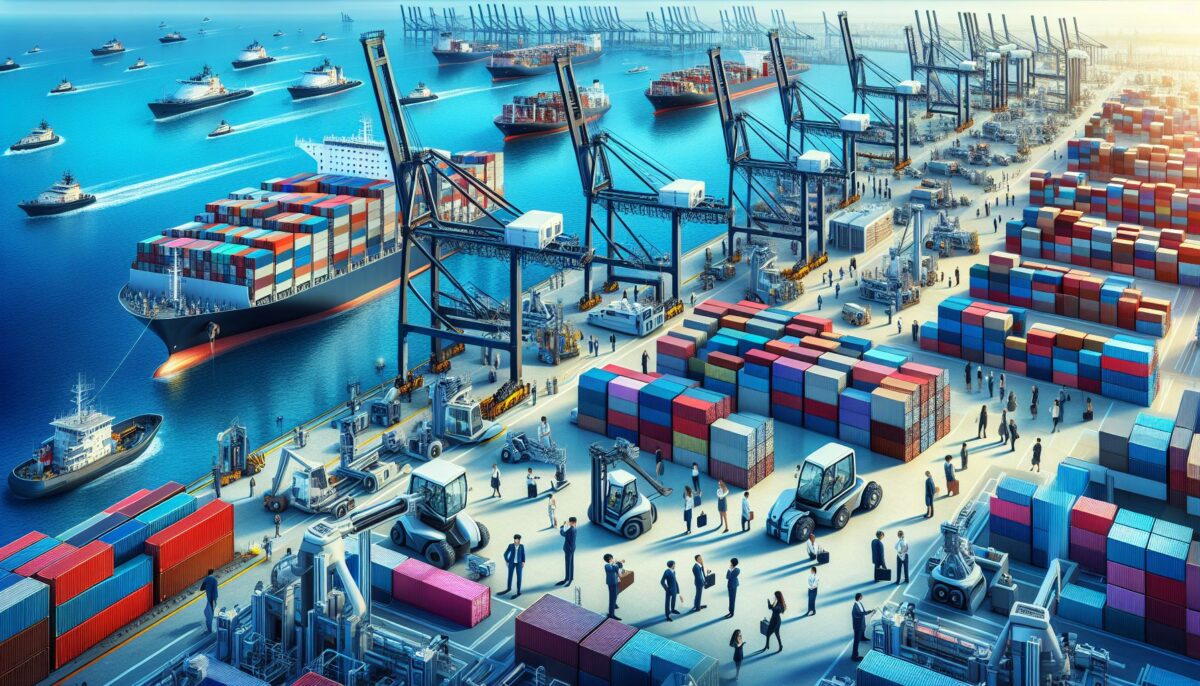
Ports are more than just points of departure and arrival; they are dynamic hubs of economic activity. Serving as transfer stations for cargo and passengers, ports enable goods to move efficiently from sea to land transportation systems, ultimately reaching markets and consumers around the world.

  • International Trade: According to the United Nations Conference on Trade and Development (UNCTAD), around 80% of global trade by volume and over 70% of global trade by value are carried by sea and are handled by ports worldwide[^1].
  • Employment: Ports are essential for employment, with each one supporting countless jobs both within the port itself and in associated industries like shipping, warehousing, and logistics.
  • Economic Development: Importantly, ports contribute to a country’s gross domestic product (GDP) and play a critical role in the development of other sectors, including manufacturing, agriculture, and service industries.

Coastal Management: Protecting Gateways to the Sea

While ports are indispensable to global trade, they are also situated in delicate coastal environments that require comprehensive coastal management practices to ensure their sustainability and the health of adjacent ecosystems.

  • Coastal Erosion: A widespread issue for ports is coastal erosion, which can undermine port infrastructure and necessitate costly mitigation efforts.
  • Sea Level Rise: Climate change poses a profound threat, with rising sea levels threatening to inundate ports and disrupt trade routes if adequate precautions are not undertaken.
  • Habitat Destruction: The construction and operation of ports can result in the destruction of vital habitats, such as mangroves and wetlands, which serve as natural protective barriers against storms and flooding.

Maintaining a balance between port development and environmental conservation is key for sustainable trade. Coastal management aims to prevent the negative impacts that can result from ill-planned port expansions and operations by:

  • Regulating land use in coastal areas.
  • Implementing erosion control measures.
  • Conducting environmental impact assessments for new projects.
  • Establishing marine protected areas to safeguard biodiversity.

The Future of Ports: Innovations and Trends

As the maritime industry evolves, ports are adapting to new technologies and trends to stay competitive and reduce their environmental footprint.

  • Automation: The automation of ports is on the rise, which increases efficiency and reduces the need for manual labor. Automated guided vehicles (AGVs), cranes, and terminal operations are revolutionizing how cargo is handled.
  • Green Ports: Efforts to create ‘green ports’ focus on reducing emissions through the use of renewable energy, electrification of equipment, and other sustainable practices.
  • Smart Ports: Smart port initiatives leverage big data, the Internet of Things (IoT), and artificial intelligence (AI) to optimize operations, improve supply chain visibility, and enhance security measures.

Conclusion

Ports are not only central to maritime trade but also to the future of our global economy and environmental sustainability. With careful coastal management, innovation, and forward-thinking policies, ports can continue to serve as gateways to prosperity while preserving the natural beauty and health of the world’s coastlines. The harmony between economic growth and environmental stewardship will define the success of ports in the coming years as they navigate the uncharted waters of the 21st century.

[^1]: United Nations Conference on Trade and Development (UNCTAD) Review of Maritime Transport. (https://unctad.org/webflyer/review-maritime-transport-2020)


The focus on ports offers a glimpse into the intricate dance between economic necessity and ecological considerations that coastal management demands. With the march of technology and the specter of climate change, the pivotal role of ports will undoubtedly grow, necessitating a delicate balance between the needs of maritime trade and the health of our coastal and marine environments.

Understanding Coastal Management: Challenges and Strategies

As human civilization has spread and grown, our impact on the world’s coastlines has been profound. Coastal regions present unique challenges and opportunities, requiring comprehensive management strategies to balance environmental concerns with economic interests. In this article, we’ll dive into the complexities of coastal management, the challenges faced, and the strategies employed to ensure sustainable use of these areas.

Introduction

Coastal areas are dynamic environments where the land meets the sea, hosting diverse ecosystems and serving as hubs for human activity. The management of these zones is crucial for protecting marine life, preserving human livelihoods, and mitigating natural hazards. The rising pressures from population growth, development, and climate change make it imperative to focus on sustainable coastal management practices.

The Importance of Coasts

Coasts are more than just picturesque locations; they are economic powerhouses and environmental treasure troves. According to the National Oceanic and Atmospheric Administration (NOAA), over half the world’s population lives within 100 kilometers of the coast, and coastal counties contribute significantly to national economies through sectors such as tourism, fisheries, and shipping.

Coastal ecosystems like mangroves, estuaries, and coral reefs provide essential services such as:

  • Habitat for marine biodiversity
  • Protection against storm surges and tsunamis
  • Natural water filtration
  • Carbon sequestration, aiding in climate regulation

Understanding the multifaceted role of coastal areas is key in appreciating the need for effective management.

Challenges in Coastal Management

Several pressing issues threaten the integrity of coastal regions:

Climate Change and Sea Level Rise

Climate change is leading to rising sea levels, which can inundate low-lying areas, exacerbate coastal erosion, and lead to more frequent and severe flooding. The Intergovernmental Panel on Climate Change (IPCC) warns that these effects will only worsen unless greenhouse gas emissions are significantly curtailed.

Coastal Erosion

Natural processes and human activities contribute to the loss of coastal lands. Erosion can lead to the destruction of important habitats and the loss of property and infrastructure.

Marine Pollution

Pollution from land-based sources, including plastic waste, agricultural runoff, and industrial contaminants, has devastating effects on coastal ecosystems. This pollution can lead to eutrophication, hypoxic zones, and harms marine species.

Overfishing and Unsustainable Aquaculture

The demand for seafood has led to overfishing in many parts of the world. Aquaculture, or fish farming, can help meet this demand but, if managed poorly, can also contribute to pollution and disease spread among wild fish populations.

Habitat Destruction

Development for commercial, residential, and recreational uses can lead to the destruction of crucial coastal habitats, further endangering the flora and fauna that rely on these areas.

Strategies for Sustainable Coastal Management

Addressing the challenges of coastal management requires a mix of policies, scientific understanding, and community engagement. Some of these strategies include:

Integrated Coastal Zone Management (ICZM)

ICZM is an approach that brings together all stakeholders to manage coastal zones holistically. It takes into account ecological, social, cultural, and economic perspectives to develop sustainable practices.

Marine Protected Areas (MPAs)

Establishing MPAs helps conserve marine ecosystems by restricting activities like fishing or development that can cause harm. This ensures the preservation of biodiversity and can enhance fish stocks in surrounding areas through the “spillover” effect.

Ecosystem-Based Management (EBM)

EBM is the comprehensive, sustainable management of ecosystem services that considers ecological relationships and cumulative impacts of human actions rather than focusing on a single species or issue.

Shoreline Stabilization

To counteract erosion, techniques such as beach nourishment, where sand is added to eroded beaches, and the construction of barriers such as seawalls and breakwaters help protect the coastline. These methods must be carefully considered to not exacerbate erosion elsewhere or harm the environment.

Restoring Coastal Habitats

Restoration projects aim to bring back the original condition of damaged or destroyed habitats. Restoring mangroves, salt marshes, and dunes can improve coastal resilience and provide natural defense against storms and erosion.

Regulatory Policies

Implementing regulations that limit harmful activities and promote sustainable use of resources is vital. These can include fishing quotas, pollution controls, and zoning laws that restrict development in vulnerable areas.

Climate Adaptation Measures

With the reality of climate change, coastal management must include planning for sea level rise and extreme weather events. This may involve building more resilient infrastructure, creating buffer zones, and enhancing early warning systems for natural disasters.

Community Engagement and Education

Local communities must play an active role in coastal management. Engaging the public through education on the importance of coastal areas and how to protect them creates a sense of stewardship and helps in the enforcement of sustainable practices.

Conclusion

Coastal management is a complex but essential field that balances human use with the preservation of ecological integrity. The strategies outlined above offer a blueprint for protecting our coastlines but require commitment and cooperation from governments, industries, communities, and individuals.

As we look to the future of our coastal regions, continued research, innovation, and adaptive management will be key. Addressing the challenges will not only protect the environment but will also safeguard the economic and cultural resources that the world’s coastlines provide for generations to come.

Sources

  • National Ocean Service (NOAA). “What is Coastal Zone Management?” Retrieved from oceanservice.noaa.gov.
  • Intergovernmental Panel on Climate Change (IPCC). “Special Report on the Ocean and Cryosphere in a Changing Climate.” Retrieved from ipcc.ch.
  • The Nature Conservancy. “Protecting Coastal Wetlands and Coral Reefs.” Retrieved from nature.org.

The Blue Economy: Sustaining Our Oceans While Harnessing Economic Potential

The Blue Economy has emerged as a term that encapsulates the sustainable use of ocean resources for economic growth, improved livelihoods, and jobs while preserving the health of marine and coastal ecosystems. It relates to a range of economic sectors and related policies that together can transform humankind’s relationship with the ocean.

In this article, we’ll delve into what the Blue Economy is, how it impacts global wealth, the integral sectors within the system, the challenges it faces, and how we can balance economic gain with ecological sustainability.

Understanding the Blue Economy

At the heart of the concept is the recognition that the well-being of our economies, environment, and societies relies heavily on the health of our oceans. The Blue Economy covers a broad array of activities, including fishery, aquaculture, tourism, energy, trade, marine biotechnology, and sea-bed mining.

Fisheries and Aquaculture

Fisheries and aquaculture are pillars of the Blue Economy. The global fish trade is reported to have more economic impact than all other traded food commodities combined. However, overfishing and unsustainable practices threaten fish populations and marine habitats.

Shipping and Trade

Ninety percent of the world’s commerce travels by sea. Shipping is, therefore, a vital component of the Blue Economy. However, it brings dangers such as oil spills, marine debris, and other forms of pollution.

Marine Biotechnology and Resources

The oceans are rich with biodiversity offering potential pharmaceutical and biotechnology applications. Exploring these further could lead to novel treatments for diseases and contribute to global health improvements.

Tourism

Coastal and marine tourism, a major area of the Blue Economy, taps on the aesthetic and recreational value of the oceans. It is dependent on clean beaches, healthy marine life, and well-preserved cultural heritage.

Energy

Renewable marine energy, like wave and tidal power, is an expanding field within the Blue Economy. Offshore wind farms, in particular, have shown immense potential.

Desalination

With freshwater scarcity becoming an alarming issue worldwide, desalination has become integral to the Blue Economy, providing essential drinking water in arid regions.

Challenges to the Blue Economy

Achieving the goals of the Blue Economy is fraught with challenges. These include environmental degradation, climate change, overfishing, and equity concerns.

Marine Pollution and Plastics

Marine pollution, particularly from plastics, is a significant issue, choking marine life and entering the human food chain. The Blue Economy advocates for circular economic practices to manage waste.

Climate Change

Increased carbon emissions lead to ocean acidification and coral bleaching, harming marine ecosystems. The Blue Economy supports a reduction in emissions and investment in carbon sequestration technologies.

Overfishing and Resource Management

Sustainable fisheries management and the fight against Illegal, Unreported, and Unregulated (IUU) fishing are crucial to the health of marine populations and ecosystems.

Equity Concerns

There’s a growing concern that wealth generated by ocean resources may not be distributed equitably. Many small-scale fishers and coastal communities could be marginalized if the Blue Economy becomes the domain of wealthier nations and big corporations.

Balancing Conservation and Economic Development

The Blue Economy must balance conservation efforts with economic development. This involves establishing Marine Protected Areas (MPAs), enforcing sustainable fishing practices, and investing in ecosystem restoration.

The Role of Policy and Governance

Effective governance structures are critical in harmonizing diverse Blue Economy sectors. Policies need to be inclusive, ensuring small-scale stakeholders have a say in resource management.

Promoting Research and Innovation

Continued research and innovation are fundamental for understanding ocean systems and developing sustainable practices. Oceanography, marine geology, and marine biodiversity science are some disciplines that provide essential knowledge to inform the Blue Economy.

Case Studies of Success

Several initiatives worldwide can serve as models:

Sustainable Fishing in the Pacific

Small Island Developing States in the Pacific have been pioneers in sustainably managing fish stocks and ensuring their fisheries contribute to local economies while preserving marine ecosystems.

Renewable Energy in Europe

Europe leads in offshore wind energy production, drastically cutting their carbon footprint while cementing the industry as a critical part of the Blue Economy.

Ecotourism Initiatives

Ecotourism around the world has been instrumental in preserving cultural heritage and biodiversity, particularly in coastal regions that have embraced conservation efforts as part of their marketing to ecologically conscious travelers.

Conclusion

The Blue Economy has the potential to be a major driver of economic progress and social development, providing jobs and bolstering global economies while ensuring the resilience and sustainability of ocean ecosystems. However, this potential can only be realized through responsible stewardship, creative policy-making, and a commitment to balancing human needs with the health of our planet’s greatest natural resource – the oceans.

Sources:

  1. “The Blue Economy: Growth, Opportunity, and a Sustainable Ocean Economy.” The World Bank Group. https://www.worldbank.org/en/news/infographic/2017/06/06/blue-economy
  2. “The potential of the blue economy: Increasing long-term benefits of the sustainable use of marine resources for small island developing states and coastal least developed countries.” United Nations Conference on Trade and Development (UNCTAD). https://unctad.org/topic/trade-and-environment/blue-economy
  3. “Ocean Renewable Energy Action Coalition report: The Power of Our Ocean as a Solution to Climate Change.” Global Wind Energy Council. https://gwec.net/ocean-renewable-energy-action-coalition-report/