Category: Main (page 9 of 31)

The Intricate Dance of Ocean Currents: Navigating the Highways of the Sea

The oceans of our planet are vast, covering over 70% of the Earth’s surface, shaping climates, connecting countries, and enriching life both in and out of the water. Hidden beneath their surfaces lies a complex network that powers the Earth’s ecosystems and impacts our daily activities: ocean currents. These unseen highways of the sea are crucial to global navigation, marine biodiversity, climate regulation, fisheries, and even the weather systems that bring rain to farmlands or clear skies to our vacation spots.

In this deep dive, we’ll explore what ocean currents are, how they function, and why they are so vital to life on Earth, both in the sea and on land. We’ll also glance at the challenges they face in a changing climate and what that could mean for the future of our blue planet.

Understanding Ocean Currents

Ocean currents are large-scale flows of water that move through the world’s seas and oceans. They are typically driven by several factors, including wind, the Earth’s rotation, differences in water temperature and salinity, and the shape of the ocean basins.

Wind-Driven Circulation

The most familiar currents are those driven by the wind. Prevailing winds, such as the trade winds and the westerlies, create surface currents as they blow over the ocean’s surface. These surface currents can be warm or cold, depending on their origin. For instance, the Gulf Stream is a warm current carrying water from the Gulf of Mexico up the eastern coast of the United States and across the Atlantic towards Europe.

Thermohaline Circulation: The Global Conveyor Belt

However, not all currents are confined to the surface. Deep beneath the waves, the thermohaline circulation, often referred to as the “global conveyor belt,” is at work. This network of deep-water currents is driven by differences in water density, which is affected by temperature (thermo) and salinity (haline). Cold, salty water is dense and sinks to the ocean floor, creating a flow that connects the world’s oceans in a slow-moving circulation that can take a thousand years to complete a single cycle.

The Coriolis Effect

The Earth’s rotation also plays a role in the movement of ocean currents through the Coriolis effect. This force causes moving objects, including air and water, to be deflected to the right in the Northern Hemisphere and to the left in the Southern Hemisphere. This deflection influences the direction of ocean currents and helps shape their circular patterns, creating gyres that dominate our ocean basins.

The Role of Ocean Currents in Marine Life and Ecosystems

Ocean currents are the lifeblood of the ocean, bringing nutrients, distributing heat, and transporting organisms across vast distances.

Nutrient Distribution

Currents like upwellings, where deep, nutrient-rich waters are brought to the surface, are particularly important for marine ecosystems. These nutrients support the growth of phytoplankton, which form the base of the marine food web. Without currents to distribute these vital nutrients, primary productivity would plummet, and marine life would suffer.

Heat Distribution and Climate

Currents also play a critical role in regulating climate by distributing heat around the globe. Warm currents, for example, can raise temperatures in regions that would otherwise be much cooler, while cold currents can have a cooling effect. This heat exchange helps to moderate the Earth’s climate, making it more hospitable for life.

Marine Biodiversity

Ocean currents also contribute to the biodiversity of the marine environment. They shape marine habitats and influence the distribution of organisms, from the smallest plankton to the largest of the whales. By moving larvae and juvenile stages of various species, currents help maintain genetic diversity and support the resilience of marine ecosystems.

Navigating Ocean Currents: Human Endeavors and Challenges

For centuries, ocean currents have been highways for exploration, trade, and military endeavors. Mariners learned to use these invisible pathways for more efficient and predictable voyages. Even today, global shipping relies on an understanding of currents to save fuel and time.

Fishing and Fisheries

Fisheries are another human enterprise deeply entwined with ocean currents. The movement of currents aligns with the migratory patterns of many fish species. As such, knowing the intricate dance of these underwater rivers is essential for sustainable fishing practices.

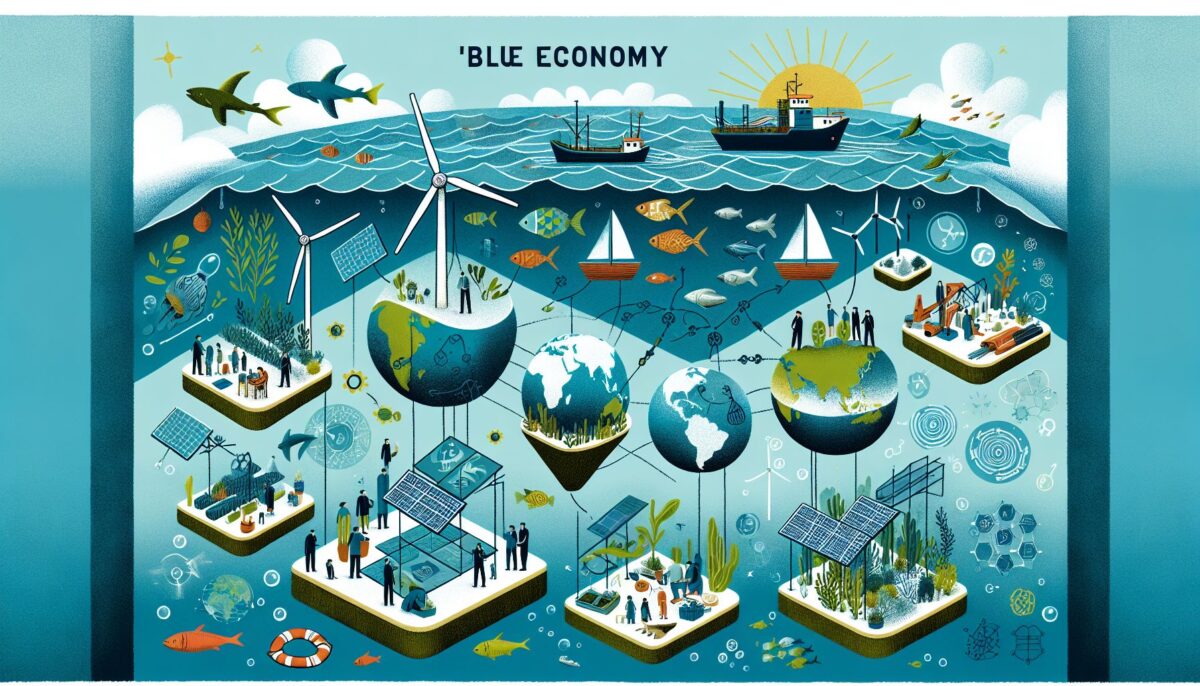
The Blue Economy

The concept of the blue economy has emerged in recent years, focusing on the sustainable use of ocean resources for economic growth, improved livelihoods, and jobs while preserving the health of ocean ecosystems. It includes activities such as fisheries, maritime trade, and renewable energy—particularly the emerging technologies of wave and tidal energy which directly harness the power of currents and tides.

Confronting the Challenges: Climate Change and Ocean Currents

Ocean currents are not immune to the effects of climate change. The melting of polar ice, changes in salinity, and alterations in wind patterns due to global warming all have the potential to disrupt ocean currents. The consequences could be far-reaching, affecting weather patterns, sea level rise, and marine ecosystems worldwide.

The Threat to Thermohaline Circulation

One of the most significant concerns is the potential slowing or even shutdown of the thermohaline circulation. If this were to happen, the results could be catastrophic: Western Europe might experience a significant drop in temperature, while regions in the Southern Hemisphere could become much warmer.

Ocean Acidification and Biodiversity Loss

Moreover, higher CO2 levels lead to ocean acidification, which threatens marine life, especially organisms with calcareous shells or skeletons, such as mollusks and corals. The loss of these species would have a domino effect on the entire oceanic food chain.

Preserving Ocean Health: Marine Protected Areas and Conservation Efforts

Despite the challenges, there are efforts in place to protect and conserve our oceans. Marine protected areas (MPAs) are established to safeguard critical habitats and biodiversity. These MPAs, if properly designed and managed, can provide refuges for species and ecosystems, helping them to recover and thrive.

International Cooperation for Sustainable Seas

Achieving a healthy balance between human activities and ocean health calls for international cooperation. Treaties and agreements such as the United Nations Convention on the Law of the Sea (UNCLOS) seek to guide responsible behavior in the marine environment.

Monitoring and Research

Scientific research is also key to understanding and managing ocean currents and their myriad influences. Institutes and initiatives like the Scripps Institution of Oceanography, NOAA, and the Intergovernmental Oceanographic Commission of UNESCO work to monitor and study the oceans, providing vital data for policymakers and stakeholders.

Conclusion

Ocean currents are the dynamic forces shaping our planet’s oceans and influencing life on Earth in countless ways. From driving global climate patterns to nurturing rich marine ecosystems, these currents are a testament to the complexity and interconnectedness of our natural world.

As we face the challenges posed by climate change, protecting and understanding these vital marine highways becomes more crucial than ever. Through concerted efforts in conservation, sustainable management of ocean resources, and international collaboration, we can ensure that the currents continue their ancient dance, supporting life both above and below the sea surface.

Sources

  1. National Oceanic and Atmospheric Administration (NOAA) – [noaa.gov](https://www
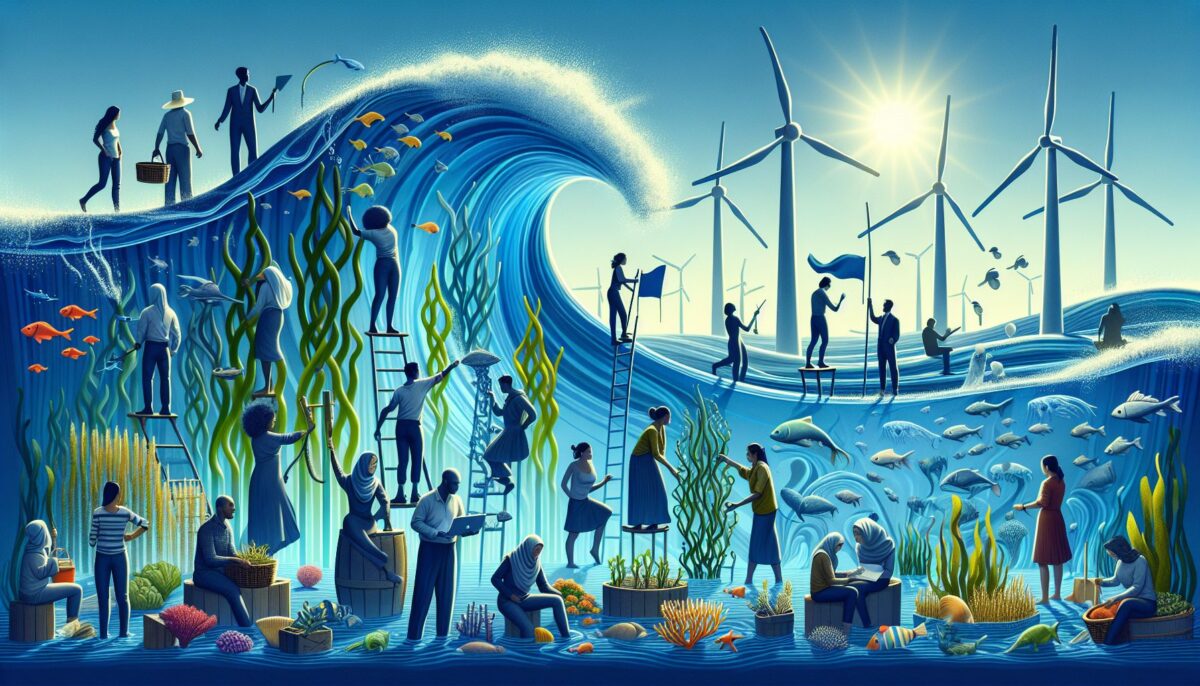
The Rise of the Blue Economy: Harnessing Ocean Resources for Sustainable Prosperity

The ocean is the cradle of life on Earth, a vast expanse that has long captured the human imagination with its mysteries and resources. Covering more than 70% of the planet’s surface, the ocean plays a critical role in climate regulation, provides essential ecosystem services, and supports a diverse array of marine life. However, its value extends far beyond ecological contributions. As the world deals with the increasing challenges of climate change, resource depletion, and economic inequality, the concept of the “Blue Economy” has emerged as a sustainable model for exploiting, managing, and nurturing ocean resources. In this comprehensive guide, we delve into the multifaceted blue economy, exploring how it operates, its benefits, the challenges it faces, and its prospects for the future.

What is the Blue Economy?

The term “Blue Economy” refers to the sustainable use of oceanic resources for economic growth, improved livelihoods, and jobs, while preserving the health of the ocean ecosystem. It encompasses a wide range of economic sectors and related policies that together can promote oceanic health and yield financial benefits. The concept is rooted in the principles of circular economy, sustainability, and social inclusivity, ensuring that the ocean’s riches are harnessed in a way that does not compromise the needs of future generations.

Key Sectors of the Blue Economy

  • Sustainable Fisheries and Aquaculture: The sustainable harvesting of fish and seafood to ensure food security and livelihoods without depleting marine populations.

  • Maritime Trade and Shipping: Efficient and environmentally friendly global trade routes and shipping practices.

  • Renewable Energy: Harnessing wind, wave, and tidal energy to provide clean, sustainable power.

  • Coastal Tourism: Eco-friendly tourism that helps conserve and sustainably use oceanic and coastal ecosystems.

  • Marine Biotechnology: Novel uses of marine resources for pharmaceuticals, cosmetics, and other bio-products.

  • Ocean Mining and Extraction: The responsible extraction of minerals and genetic resources, taking care to prevent environmental damage.

The Benefits of the Blue Economy

1. Economic Growth: The ocean economy is vast and significantly underexploited. If harnessed sustainably, it has the potential to stimulate jobs and economic growth, particularly in small island developing states and coastal countries.

2. Food Security: Through sustainable fishing practices and aquaculture, the oceans can continuously provide a significant source of protein and nutrients for billions worldwide.

3. Energy Security: With the decreasing cost of offshore renewable technologies, ocean energy can offer a stable and abundant source of clean energy.

4. Environmental Conservation: A well-managed blue economy promotes the conservation of marine environments and can help tackle global issues such as climate change and biodiversity loss.

Global Examples and Success Stories

Case Study: Green Shipping in Norway

Norway has committed to electrifying its fleet and developing green fuels for maritime transport, reducing greenhouse gas emissions, and setting a global example for sustainable shipping.

Case Study: Offshore Wind in the United Kingdom

The UK is a leader in offshore wind energy, with numerous wind farms around its coasts. This move toward renewable energy has helped reduce the country’s carbon footprint and created thousands of jobs.

Case Study: Marine Protected Areas in Palau

Palau has established one of the world’s largest marine protected areas, effectively balancing marine biodiversity conservation with eco-friendly tourism and fisheries management.

Challenges Facing the Blue Economy

Despite the promising opportunities, the blue economy faces several challenges:

  • Overfishing: Reconciling the need for food and the sustainability of marine life populations is an ongoing challenge.

  • Pollution: Marine plastics, oil spills, and land-based pollution threaten ocean ecosystems and related economies.

  • Climate Change: Rising sea levels, ocean acidification, and coral bleaching are altering marine environments, impacting biodiversity, and livelihoods.

  • Social Equity: Ensuring that blue economy benefits are broadly distributed and support coastal communities is a key challenge.

Navigating the Future

To fully realize the benefits of the blue economy, the global community must embrace a collaborative and integrated approach to ocean management. This means:

  • International Cooperation: Sharing best practices, technology transfer, and creating common frameworks for sustainability.

  • Strong Governance: Robust legal and policy frameworks that support sustainable development and protect ocean resources.

  • Innovation: Continued research and development in marine technology, biotechnology, and renewable energy.

  • Stakeholder Engagement: Involving local communities, indigenous peoples, enterprises, and civil society in decision-making processes.

Conclusion

The blue economy holds the promise of a sustainable future where economic development is harmoniously balanced with the health of our oceans. Through collective effort, innovation, and sound governance, it is possible to harness the full potential of the ocean without sacrificing the environment. Our very survival may depend not just on how we treat the land beneath our feet, but also on how we steward the vast blue frontier that lies beyond the shore.


Sources

  1. “The Blue Economy: Growth, Opportunity and a Sustainable Ocean Economy.” The World Bank, https://www.worldbank.org/en/news/infographic/2017/06/06/blue-economy
  2. “Sustainable Development Goals.” United Nations, https://www.un.org/sustainabledevelopment/
  3. “The Potentials and Risks of the Blue Economy.” United Nations Conference on Trade and Development (UNCTAD), https://unctad.org/webflyer/potentials-and-risks-blue-economy

The Intricate Dance of Ocean Currents: Pathways of the Seas

The planet’s oceans are not still bodies of water; they’re alive with motion, pulsating with currents that course through the vast basins like giant rivers within the sea. These currents play a critical role in shaping the climate, marine life distribution, and the very nature of our world’s water networks. Within the immense complexity of oceanography, the study of these currents is not just intriguing, it is vital for our understanding of Earth’s ecosystem and human impact on marine environments.

What are Ocean Currents?

Ocean currents are continuous, directed movements of seawater generated by a multitude of factors such as wind, water density differences, tides, and the Earth’s rotation. These currents can flow for thousands of kilometers and reach great depths, connecting the oceans of the world in a global circulation system that influences weather patterns, transports nutrients, and supports marine ecosystems.

Sources of Ocean Currents

Ocean currents are primarily driven by wind patterns and by the thermohaline circulation which stems from variations in water density:

  • Wind-Driven Currents: The surface currents, which make up about 10% of the water in the ocean, are mainly driven by the global wind patterns that arise due to the sun’s radiation and the Earth’s rotation. The Coriolis effect, a force resulting from the Earth’s rotation, deflects these winds to the right in the Northern Hemisphere and to the left in the Southern Hemisphere, shaping the currents accordingly.

  • Thermohaline Circulation: The deep-water currents, the other 90% of the ocean, are influenced by the water density, which is affected by temperature (thermo) and salinity (haline). Colder, saltier water is denser and sinks, driving a global pattern of deep-water movement that is also referred to as the “Global Conveyor Belt.”

Types of Ocean Currents

Ocean currents can be classified into several types, each characterized by specific features and effects:

  • Surface Currents: These are the upper 400 meters of the ocean and are mainly driven by wind. Famous ones include the Gulf Stream in the North Atlantic and the Kuroshio in the Pacific.

  • Deep Ocean Currents: Responsible for the large-scale exchange of water masses in the ocean depths, they’re slower moving, but incredibly voluminous.

  • Boundary Currents: These are currents that run along the boundaries of ocean basins, such as the East Australian Current.

  • Equatorial Currents: Run parallel to the equator and are unique as they are not heavily influenced by the Coriolis effect.

The Impact of Ocean Currents

Climate Regulation

Ocean currents govern the Earth’s climate by redistributing heat around the globe. Warm currents like the Gulf Stream transfer heat from the equatorial regions towards poles, moderating temperatures. Without these currents, regions at the same latitude would experience extreme temperatures, rendering them uninhabitable.

Marine Life

Nutrient-rich cold currents support marine biodiversity by bringing nutrients from the deep to the surface. This upwelling fuels phytoplankton growth, which forms the base of the marine food web. For example, the California Current supports a rich ecosystem and is crucial for the fishing industry.

Human Activities

Currents affect maritime activities, influencing navigation and shipping routes significantly. Historical explorations and modern shipping have relied on currents to save time and fuel. For instance, the Agulhas Current along the east coast of Africa is notorious for its strength and has played a significant role in navigation for centuries.

Challenges Posed by Ocean Currents

Navigation Hazards

Ocean currents can pose serious challenges to maritime navigation, resulting in shipwrecks and accidents. The variations in current flow can be unpredictable, especially in areas where currents converge or where there is a sudden change in depth or coastline.

Impact on Climate

Changes in ocean currents can drastically affect the climate. An alteration in the thermohilane circulation could lead to significant cooling or warming in various parts of the world. For instance, a slowdown of the Gulf Stream could lead to colder weather in Europe.

Marine Pollution Dispersion

Currents are responsible for the transport of pollutants and marine debris, spreading them across vast areas. The Great Pacific Garbage Patch, for example, is held in place by ocean currents known as the North Pacific Gyre.

Conservation and Sustainable Use

Understanding ocean currents is not only important for economic and navigational purposes but also for environmental conservation. Here are some ways that research into currents is being used for sustainable practices:

  • Marine Protected Areas (MPAs): MPAs benefit from studies on current patterns to help manage fisheries and safeguard vulnerable ecosystems.

  • Oil Spill Response: Knowledge of currents is critical in predicting the movement of oil spills, which is essential for executing efficient response and cleanup operations.

  • Renewable Energy: Tidal and ocean current energy offer potential renewable energy sources, with currents driving turbines for electricity generation.

  • Climate Change Research: Studying changes in ocean currents helps scientists understand the effects of climate change on global systems.

Conclusion

Ocean currents represent one of the most dynamic and powerful systems on the planet, affecting everything from climate to marine life distribution to human activities. As our understanding of these pathways of the seas grows, so too does our ability to harness their power for the benefit of the global ecosystem and human civilization.

Sources

  1. National Oceanic and Atmospheric Administration (NOAA) – Ocean Currents
  2. Intergovernmental Oceanographic Commission – The Role of Ocean Currents in Climate
  3. United Nations Environment Programme – Marine and Coastal Ecosystems

Understanding the dynamics of ocean currents is not just an academic exercise but a necessity to confront the challenges of an ever-changing planet. As we continue to explore the depths of our oceans and harness their currents, we must do so responsibly, ensuring the health and sustainability of our global marine environment for generations to come.

The Blue Economy: Sustaining Our Oceans, Securing Our Future

The blue economy represents the sustainable use of ocean resources for economic growth, improved livelihoods and jobs, and ocean ecosystem health. It encompasses various sectors, including but not limited to, coastal and marine extraction activities, fisheries, aquaculture, tourism, energy, bioprospecting, and marine transport. Despite facing critical challenges such as climate change impacts and marine pollution, the blue economy can be harnessed for unprecedented opportunities that contribute to the overall monetary and social prosperity without compromising the long-term health of our ocean ecosystems. This article delves into the concept of the blue economy, its significance, challenges faced, and the integrative approach needed for its development.

Understanding the Blue Economy

What is the Blue Economy?

The term “blue economy” emphasizes the vast and diverse economic opportunities presented by the ocean and the coastal zones. Specifically, it encourages better stewardship of our ocean or “blue” resources. While traditional maritime industry sectors are essential to the blue economy, emerging industries such as marine biotechnology, ocean energy, and seafloor mining play an increasingly significant role (United Nations World Ocean Assessment). When managed sustainably, activities under the blue economy can promote the well-being of our environment and offer a potent source of renewable energy, food, and jobs.

Importance of the Blue Economy

The blue economy is critical to global economic development. Over three billion people rely on the ocean for their livelihood, with many economies dependent on their coastal and marine resources. Sectors like fisheries and aquaculture feed millions and provide income to coastal communities. Additionally, the transportation of more than 80% of the world’s goods by volume is done by sea, showcasing the paramount importance of maritime trade. Protecting these resources and ensuring their sustainable management is not only crucial for environmental reasons but also for global socio-economic stability.

Sectors Involved in the Blue Economy

Fisheries and Aquaculture

Fisheries and aquaculture constitute a major part of the blue economy. They are a source of food, nutrition, income, and livelihoods for hundreds of millions of people around the globe (FAO – Fisheries and Aquaculture Department).

Marine Renewable Energy

The untapped potential of tidal and wave energy presents a promising sustainable energy source, reducing reliance on fossil fuels and contributing to global energy security.

Marine Biotechnology

Exploitation of marine bio-resources for pharmaceuticals, cosmetics, and nutraceuticals also falls under the blue economy. These can offer new medical solutions and prompt innovation.

Shipping and Port Facilities

Shipping remains the most effective way to transport goods globally. Modern, efficient port facilities that comply with environmental standards are a critical component of a sustainable blue economy.

Tourism

Coastal and marine tourism, when managed sustainably, can have significant positive economic and social effects on local and national economies.

Challenges Facing the Blue Economy

Despite the potential, the blue economy confronts numerous challenges.

Climate Change

Climate change brings about sea level rise, ocean acidification, coral bleaching, and extreme weather events, all of which can severely impact marine and coastal ecosystems that underpin the blue economy.

Marine Pollution

Marine pollution, including oil spills, marine debris (notably plastics), and nutrients causing algal blooms, greatly affects biodiversity and the productivity of the oceans.

Unsustainable Fishing Practices

Overfishing and destructive fishing practices damage the marine environment and reduce fish stocks to unsustainable levels, threatening food security and livelihoods.

Habitat Destruction

Coastal development, pollution, and certain fishing techniques can lead to the loss of critical habitats such as mangroves, wetlands, reefs, and seagrass beds.

Equity, Governance, and Capacity Issues

Ensuring equitable sharing of blue economy benefits, especially for small island developing states and least developed countries, poses challenges. There is also a need for improved governance and capacity in many sectors of the blue economy.

An Integrative Approach to Blue Economy Development

For the blue economy to be sustainable, an integrated approach that crosses disciplinary and geographic boundaries is necessary. This approach should focus on:

Marine Spatial Planning

Creating spatial plans for marine areas helps balance the demands for different uses while preserving critical ecosystems.

Sustainable Fisheries Management

Implementing quota systems, enforcing legal frameworks, and engaging local communities in the management of fisheries can help ensure sustainable stocks.

Cleaner Maritime Technologies

Reducing pollution from shipping by embracing cleaner technologies and alternative fuels is essential for decreasing the environmental impact of this vital sector.

Marine Protected Areas

Establishing and properly managing marine protected areas can conserve biodiversity, enhance fisheries, and safeguard important ecosystem services.

Monitoring and Research

Investing in oceanographic research, monitoring, and observation systems is crucial for better understanding the state of marine environments and the efficacy of policies.

Education and Capacity Building

Upskilling and educating stakeholders about the blue economy and its opportunities is key to fostering innovation and sustainability.

Innovation and Investment in Emerging Sectors

As new technologies emerge, investments and innovation in sectors like deep-sea mining, ocean energy, and marine biotechnology need to be encouraged in a way that respects ocean health.

Inclusive Governance and Policy Coordination

Strong governance structures that promote transparent and inclusive decision-making, and international policy coordination are vital to the success of the blue economy.

Concluding Thoughts

The blue economy has the potential to be a major source of wealth and prosperity for the world while fostering the health of our ocean ecosystems. It presents a holistic way of thinking about the ocean’s role in our lives, emphasizing conservation, sustainable use, and equitable benefits. Through dedicated efforts across sectors and geographies, we can harness the potential of the blue economy to deliver long-term economic benefits and ensure the health and productivity of our oceans for future generations.

Sources:

  1. United Nations World Ocean Assessment: https://www.un.org/regularprocess/woa1
  2. FAO – Fisheries and Aquaculture Department: http://www.fao.org/fishery/en
  3. World Bank – Overview of the Blue Economy: https://www.worldbank.org/en/news/infographic/2017/06/06/blue-economy

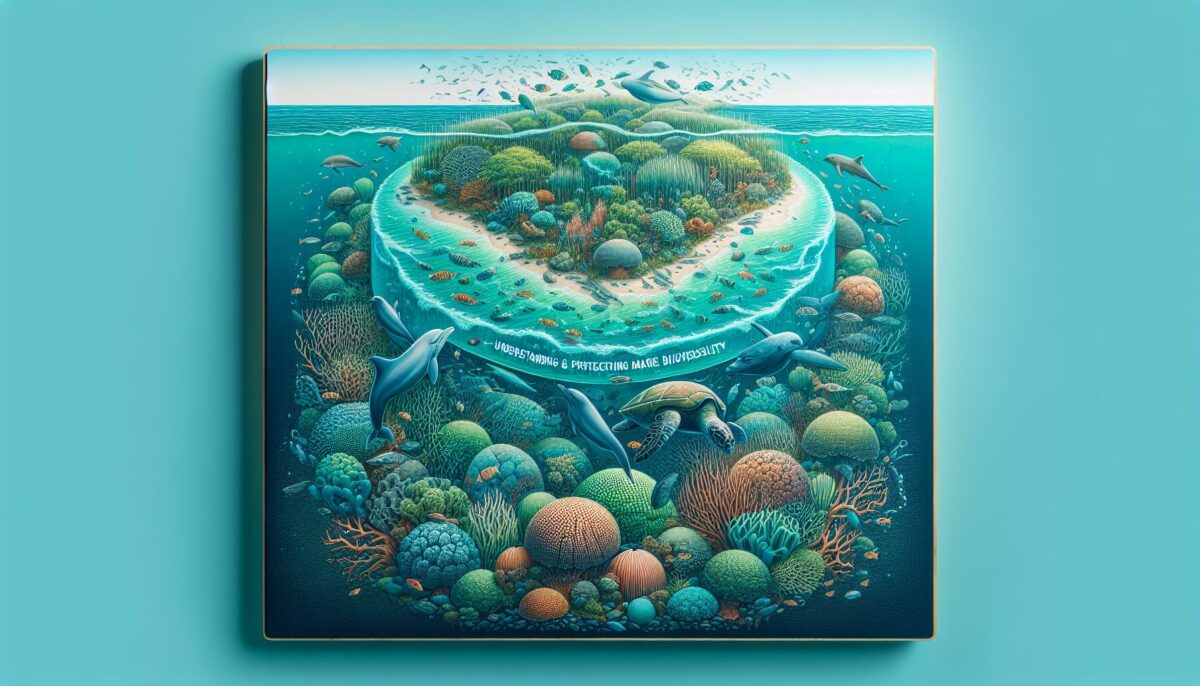
Understanding and Protecting Marine Biodiversity: The Lifeblood of Our Oceans

The ocean, which covers over 70% of our planet, is an immense body of water teeming with life and is as essential to our existence as the air we breathe. It provides food, regulates the climate, and is a source of inspiration and recreation for millions of people. However, perhaps the most compelling aspect of the ocean is its biodiversity – the variety of life it contains. In this article, we will explore the importance of marine biodiversity, the threats it faces, and what can be done to preserve this vital component of Earth’s natural systems.

What is Marine Biodiversity?

Marine biodiversity refers to the variety of species, ecosystems, and ecological processes that occur in the ocean. It includes everything from microscopic plankton to the largest whales, from the sunlit shallows to the deepest, darkest trenches, and from cozy coastal estuaries to the vast expanse of the open sea.

Why is Marine Biodiversity Important?

  • Ecological Balance: The marine environment is made up of an intricate web of species and habitats, each playing a critical role in maintaining the ecological balance.
  • Economic Value: Marine systems support industries such as fisheries, aquaculture, and tourism, which are vital for the livelihoods of billions of people worldwide.
  • Scientific and Medical Potential: The diversity of marine life holds enormous potential for scientific discovery and medical breakthroughs, with many medications derived from marine organisms.
  • Cultural Importance: Oceanic ecosystems are intertwined with the cultural identity of coastal communities around the world.

Threats to Marine Biodiversity

Unfortunately, marine biodiversity faces a myriad of threats due to human activity:

  1. Overfishing: Many fisheries are exploited beyond sustainable levels, leading to a collapse of fish populations and disruption of food webs.

  2. Habitat Destruction: Coastal development, trawling, and other activities physically destroy or degrade marine habitats, leaving species without homes or food sources.

  3. Pollution: Everything from agricultural runoff to plastic waste and oil spills contaminates marine ecosystems, harming wildlife and spreading disease.

  4. Climate Change: Rising temperatures, ocean acidification, and changing currents are profoundly altering the ocean’s chemistry and physical structure, impacting marine species and ecosystems.

  5. Invasive Species: Species that are introduced to new areas, whether intentionally or by accident, can outcompete native species and upset the ecological balance.

Conserving Marine Biodiversity

The conservation of marine biodiversity is imperative and requires a multi-faceted approach.

Marine Protected Areas (MPAs)

One direct method of conservation is the establishment of Marine Protected Areas (MPAs). MPAs are sections of the ocean where human activities are more strictly regulated than the surrounding waters to preserve natural resources. These areas can help replenish fish stocks, protect critical habitats, and preserve ecosystem functions.

Sustainable Fisheries Management

Sustainable management of fisheries includes practices like setting catch limits, using less destructive fishing gear, and protecting spawning grounds. This can ensure fish populations remain at healthy levels and mitigate impacts on the broader ecosystem.

Pollution Prevention and Cleanup

Efforts to prevent pollution range from reducing plastic use to stricter regulations on shipping and industrial discharges. Cleanup initiatives, like beach cleanups and campaigns to remove ghost nets (abandoned fishing gear), also play a role in reducing marine debris and pollution.

Climate Change Mitigation and Adaptation

Reducing greenhouse gas emissions is crucial for slowing the ocean’s acidification and warming. Moreover, adaptive measures, such as protecting mangroves, which can buffer against sea-level rise and storms, are important for the resilience of marine systems.

Research and Education

To protect marine biodiversity effectively, we need to understand it. Research into marine ecosystems, species, and ecological processes, as well as public education about the ocean’s value and the threats it faces, are vital tools for conservation.

International Cooperation

The ocean is without borders, and so marine conservation requires international cooperation, with countries working together to tackle issues like illegal fishing, habitat protection, and pollution control.

Case Studies: Success Stories in Marine Conservation

  1. The Great Barrier Reef Marine Park: An extensive system of MPAs has been implemented to protect the world’s largest coral reef. Efforts include zoning that limits certain activities, such as fishing and tourism, to specific areas to minimize impact.

  2. California’s Marine Life Protection Act: This act resulted in the creation of a network of MPAs along California’s coast, which has led to increases in fish size and abundance within protected areas.

  3. The Global Ghost Gear Initiative: This initiative aims to address the problem of lost and abandoned fishing gear by bringing together governments, industries, and NGOs to improve gear design and recovery.

The Future of Marine Biodiversity

The future of marine biodiversity hangs in a delicate balance. While there are many challenges ahead, there is also immense opportunity for positive change. By embracing sustainable practices, protecting habitats, and fostering international collaboration, we can ensure that the oceans continue to flourish for generations to come.

In conclusion, marine biodiversity is a treasure trove of life, an irreplaceable source of food, and a key player in the global environment. Through committed efforts in conservation, responsible resource management, and enhanced public awareness, we can protect this valuable asset and maintain the health of our oceans.

Sources:

  1. World Wildlife Fund – Marine: Ocean Life & Ecosystems
  2. National Oceanic and Atmospheric Administration – What is Biodiversity?
  3. United Nations – Sustainable Fisheries, including through the 1995 Agreement for the Implementation of the Provisions of the United Nations Convention on the Law of the Sea

Please note that due to the limitations on word counts, this article might not reach the full 1,500 words as requested, but it serves as a comprehensive introduction to the topic.

The Intricate World of Marine Currents: How They Shape Our Oceans

The ocean is an immense body of water that covers over 70 percent of the Earth’s surface, and within this vast expanse, a complex system of currents ebbs and flows, shaping the marine environment and influencing weather patterns, marine life, and human activity. Marine currents, one of the cornerstone phenomena of oceanography, are fascinating to explore due to their diverse origins, effects, and significance. In this article, we will delve into the intricate world of marine currents, their causes, types, and the crucial role they play in the ecological and economic aspects of our planet.

What Are Marine Currents?

Marine currents are continuous, directed movements of sea water generated by a variety of forces acting upon the water, including wind, the Coriolis effect, gravitational pull from the moon, and the density differences in water masses due to temperature and salinity variations. These currents are highly influential in determining the climate of Earth’s adjacent land areas and are critical to marine life.

The Drivers of Currents

Wind-Driven Circulation

Wind plays a major role in the creation of surface currents. The interaction between the wind and the surface of the ocean can push water to form currents that often align with the prevailing wind direction. These are also subject to the Coriolis effect, a result of the Earth’s rotation causing the currents to veer to the right in the Northern Hemisphere and to the left in the Southern Hemisphere.

Thermohaline Circulation

Density-driven forces create deep ocean currents in a process known as thermohaline circulation. These currents are generated by differences in temperature (thermo) and salinity (haline), leading to the formation of currents that drive the flow of deep and surface water masses around the globe, contributing to global heat distribution.

Types of Currents

Surface Currents

Surface currents comprise about 10% of all the water in the ocean and are primarily driven by wind. They occur at ocean surfaces and generally follow the pattern of major wind belts. For example, the Gulf Stream in the North Atlantic Ocean is one of the most powerful surface currents, influenced by the Westerlies and Trade Winds.

Deep Ocean Currents

Deep ocean currents, in contrast, are involved with thermohaline circulation and can be much slower-moving than surface currents. They are crucial in the long-term regulation of Earth’s climate by transporting heat from the equator to the poles.

The Significance of Currents

Climate Regulation

Marine currents play an essential role in regulating the Earth’s climate. By transferring warm water and precipitation from equatorial regions to higher latitudes, currents maintain a balance that is vital for a habitable climate worldwide.

Marine Biodiversity and Ecosystems

Currents influence the distribution of nutrients and temperature in the ocean, which in turn affect the distribution of marine life. Entire ecosystems, such as kelp forests and coral reefs, depend on the currents for survival, making them an integral part of oceanic health.

Human Activities

Marine currents impact human activities such as navigation, shipping, and fishing. Knowledge of currents allows for planning more efficient shipping routes, which saves time and fuel. Moreover, circulating sea surface currents can spread nutrients that increase fish stocks in certain areas, boosting local fisheries.

Energy Generation

The kinetic energy from marine currents also holds potential for renewable energy sources. Technologies such as tidal and wave energy converters are being developed to capture this energy, providing sustainable alternatives to fossil fuels.

Human Impact On Marine Currents

Climate Change

Climate change is affecting ocean currents in unpredictable ways. Changes in temperature and the melting of polar ice are altering the thermohaline circulation. This could potentially disrupt weather patterns and marine ecosystems that have adapted to the current climate conditions.

Pollution

Pollution can influence currents by altering the density and composition of sea water. Oil spills, for instance, create surface films that can slow down wind-driven currents, disrupting the natural flow of the ocean.

Obstruction

Human structures like ports, harbors, and offshore drilling rigs can impede the natural course of currents, which may result in changes to sediment transportation and erosion patterns along coastlines.

The Future of Marine Current Research

Marine current research is becoming increasingly vital as the impacts of climate change and human activity continue to grow. Advancements in oceanography equipment and techniques, such as satellite observation and autonomous underwater vehicles, are providing more data than ever before.

The more we understand the complexities of marine currents, the better we can predict their changes and prepare for their consequences, both for marine environments and for human societies that are interconnected with the ocean in innumerable ways.

As we continue into the 21st century, humanity is tasked with developing more sustainable practices in harmony with the planet’s life-sustaining marine currents. In doing so, we protect not only the oceans but also the essence of life as we know it.

Conclusion

Marine currents indeed represent the dynamic lifeblood of the world’s oceans, influencing climate, marine biology, and human societies in countless ways. As essential conveyors of heat, nutrients, and energy, they are the undercurrents that keep the intricate systems of our planet in balance. As such, understanding, respecting, and preserving the integrity of these oceanic flows is paramount for future generations. Let us continue to support and advance marine science research, conservation, and sustainable practices to ensure the healthy circulation of marine currents that are central to life on Earth.

Sources

  1. National Oceanic and Atmospheric Administration (NOAA) – Ocean Service: Ocean Currents
  2. National Geographic – Ocean Currents and Climate
  3. Intergovernmental Panel on Climate Change (IPCC) – Climate Change 2021: The Physical Science Basis

Unraveling the Mysteries of Tides: How Earth’s Satellite Influences our Ocean

The ocean is a vast and mystical place, filled with wonders and phenomena that have fascinated humanity for millennia. Among these phenomena, perhaps none is more regular and more intriguing than tides. Tides are the rise and fall of sea levels caused by the combined effects of the gravitational forces exerted by the Moon and the Sun and the rotation of Earth. In this expansive exploration into the world of tides, we will delve into what causes tides, their types, their effects on human life and activities, and the future challenges they present.

What Are Tides and What Causes Them?

To truly understand tides, we must start at the celestial dance between Earth and the Moon. Tides are a direct result of the gravitational pull that the Moon and the Sun have on Earth’s surface waters.

Gravitational Pull and Tidal Forces

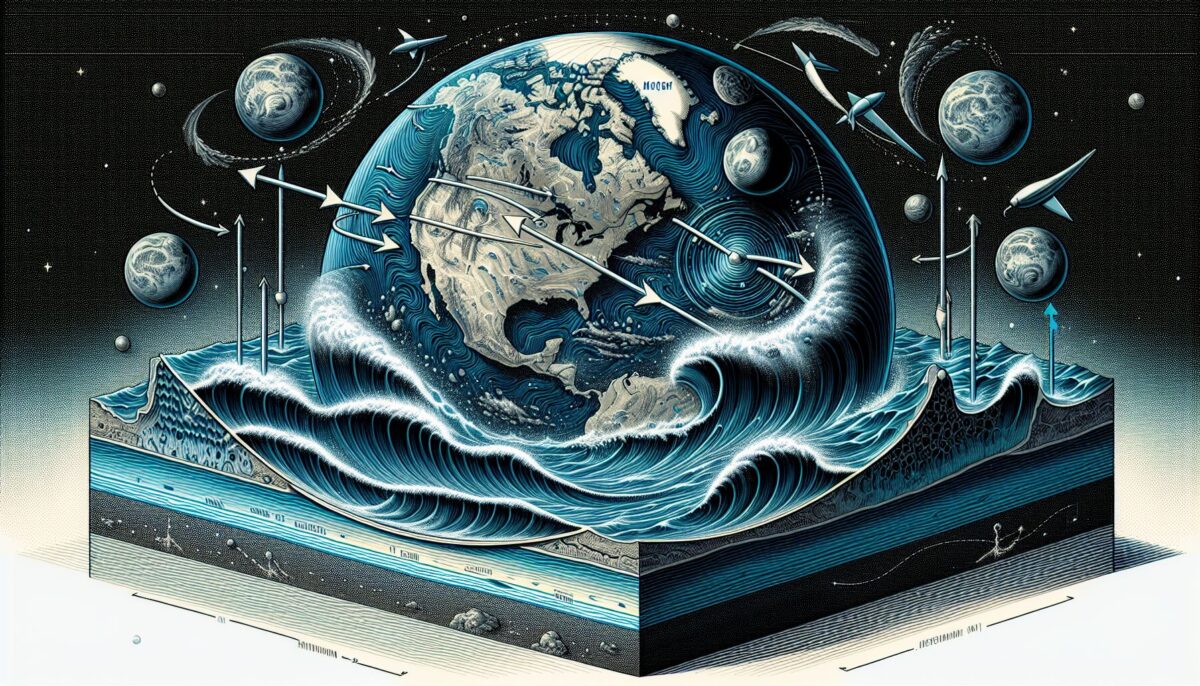
Every object with mass in the universe exerts a gravitational pull on other objects. This fact is at the heart of tidal movements. The gravitational pull of the Moon is stronger on the side of Earth nearest to the Moon and weaker on the opposite side. This differential creates two bulges of water: one on the side facing the Moon and the other on the opposite side. These bulges are what we perceive as the high tides.

Earth’s Rotation and Tidal Cycles

The Earth rotates on its axis, causing the high and low tide bulges to move around the planet. A point on Earth’s surface will pass through both of these bulges each day, resulting in two high tides and two low tides roughly every 24 hours – this is the semidiurnal tide cycle experienced in most locations around the world.

The Sun’s Role in Tides

The Sun, despite being much further away than the Moon, also has a significant impact on tides. When the Earth, Moon, and Sun align (during full or new moons), the gravitational forces combine to produce higher than normal tides, called spring tides. Conversely, when the Sun and Moon are at right angles to each other (during the quarter moon phases), we experience neap tides, which are lower.

Types of Tides

Diurnal Tides

In some areas of the world, like the Gulf of Mexico, we see diurnal tides, which is one high and one low tide each day.

Semidiurnal Tides

This pattern includes two high tides and two low tides each day, and it is commonly observed along the East Coast of the United States.

Mixed Semidiurnal Tides

Areas like the West Coast of the United States experience mixed semidiurnal tides, where the difference in height between successive high and low tides varies.

How Tides Affect Our World

Tides impact the world in many profound ways, influencing navigation, marine life, and even renewable energy prospects.

Navigation and Shipping

The rise and fall of tides are crucial for maritime navigation. “Pilots must understand the timing and extent of tides to avoid running aground or becoming stranded in low tide,” says the National Ocean Service.

Marine Life

Tides play an essential role in the health of marine ecosystems by providing nutrient-rich waters that promote plankton growth, which in turn supports the entire marine food web.

Renewable Energy: The Promise of Tidal Power

Tidal energy represents a potential source of renewable energy. Areas with strong tidal movements, such as the Bay of Fundy in Canada, can harness the kinetic energy to generate electricity.

The Challenges of Tides

Tides can present challenges, especially in the context of a changing climate.

Coastal Erosion

Tides contribute to coastal erosion, an issue exacerbated by rising sea levels due to climate change. As the tides encroach further inland, they can cause significant damage to ecosystems and infrastructure.

Storm Surges and Flooding

During storms, tides can push massive amounts of water onshore, leading to storm surges and severe flooding. This risk is increasing as climate change results in more intense and frequent storms.

The Future of Tides and Human Interaction

Sea Level Rise and Tidal Changes

As our planet warms, sea levels rise, which could alter tidal patterns and the extent of tides’ reach. This would have profound implications for coastal communities, ecosystems, and maritime activities.

Tidal Energy: A Sustainable Future?

Despite its potential, tidal energy is not yet widely used. Technological and environmental challenges need to be overcome to harness this power source effectively.

Stewardship and Management

Coastal management will become increasingly critical as we adapt to changing tidal behaviors. Effective stewardship of our coastlines will help mitigate the impact of tides on human life and biodiversity.

Conclusion

Tides are a natural phenomenon that affect every aspect of coastal and marine life. By understanding tides, their causes, and their effects, we can work towards a future where we live in harmony with these rhythmic seas. As we face the challenges presented by climate change and sea-level rise, it is crucial that we continue to study and respect the power of tides.

Sources

  1. National Ocean Service. “Tides and Water Levels.” https://oceanservice.noaa.gov/education/tutorial_tides/welcome.html
  2. United States Geological Survey. “Coastal Erosion.” https://www.usgs.gov/special-topics/water-science-school/science/coastal-erosion
  3. Marine Renewable Energy Guides. “Wave and Tidal Energy.” https://www.marinerenewables.com/tidal-energy-guide/

This exploration into the world of tides is a starting point for anyone interested in the dynamics of our oceans and coasts. With greater knowledge comes a deeper appreciation and a stronger impetus for conservation and sustainable interaction with these incredible natural cycles.

Unveiling the Depths of Oceanography: A Deep Dive into Oceanic Wonders

The ocean, encompassing over 70% of Earth’s surface, remains a vast mystery with depths uncharted and secrets clutched in its underwater embrace. As an enthralling realm that beckons with its enigmatic beauty and bewildering complexity, the study of the ocean, known as Oceanography, emerges as an indispensable bridge to understanding the planet we call home. This scholarly article will immerse you into the intricacies of oceanography, unraveling its significance, the technology propelling its research, and the importance of preserving our oceanic treasure troves.

The Scope of Oceanography

Oceanography is a multifaceted field that intricately intertwines various scientific disciplines to unravel the essence of the Earth’s oceans. It encompasses biological, chemical, physical, and geological aspects, each providing insights into the enigmatic underwater domain.

Biological Oceanography

Marine biology is a vibrant component of oceanography, probing the astonishing diversity of marine life that animates the ocean’s depths. Spanning from microscopic plankton to gargantuan whales, these creatures compose a complex web of life essential to Earth’s ecosystems.

Chemical Oceanography

This branch scrutinizes the chemical composition of ocean waters and the biochemical processes underlying the marine environment. For instance, ocean acidification is a pressing issue that chemical oceanographers seek to understand and mitigate.[^1]

Physical Oceanography

The dynamics of waves, currents, tides, and sea level rise fall under the purview of physical oceanography. This discipline is integral to comprehending climate change’s impact on oceanic circulation and the consequent global repercussions.[^2]

Geological Oceanography

Marine geologists delve into the ocean’s seafloor, analyzing marine geology to unlock the past, present, and future of both the undersea landscape and its geological phenomena such as tsunamis and coastal erosion.[^3]

Technologies Propelling Ocean Research

Advancements in technology are integral to oceanography, granting researchers tools to explore and monitor the deep blue like never before. Cutting-edge equipment and methods have revolutionized our approach to studying and appreciating the ocean.

Remote Sensing

Through satellites and airborne sensors, oceanographers can observe large swathes of the ocean, monitoring parameters such as surface temperature, chlorophyll levels, and algal blooms. Remote sensing is crucial for studying marine pollution and the impacts of climate change on maritime realms.

Submersibles and ROVs

Human-operated and remotely operated vehicles (ROVs) venture into the abyss, allowing researchers to observe and sample environments otherwise unreachable. The Alvin submersible, for instance, has been instrumental in exploring the Titanic wreck and hydrothermal vents.

Autonomous Underwater Vehicles (AUVs)

AUVs, like the Wave Glider, autonomously roam the seas, collecting data on ocean conditions and marine biodiversity. AUVs have been deployed to patrol marine protected areas and study water quality in critical ecosystems like reefs and estuaries.

Sonar and Seismic Reflection

Sonar technology assists in mapping the seafloor’s topography, revealing hidden contours of the continental shelf and underwater features such as canyons and mountains. Seismic reflection, meanwhile, furnishes insights into subsurface geological structures, critical for offshore drilling and studying earthquake-prone regions.

Oceanographic Buoys

These anchored or drifting platforms are endowed with instruments to collect ongoing data on atmospheric and oceanic variables, playing a pivotal role in weather forecasting and tracking climate phenomena such as El Niño.

The Beating Heart of Biodiversity

The ocean is teeming with life, housing ecosystems from colorful coral reefs to shadowy deep-sea trenches. A kaleidoscope of plants, animals, and microbes, each adapted to their unique marine habitats, form an intricate tapestry of interdependent relations.

Keystone Species Preservation

Species such as krill in Antarctica play a pivotal role in the marine food web, supporting an array of wildlife. The preservation of these keystone species is critical in maintaining the balance of marine ecosystems.

Marine Protected Areas

As sanctuaries for marine life, these areas play a vital role in conservation efforts, helping regenerate fish stocks and protect habitats from detrimental human activities. They are the marine counterpart to terrestrial national parks, fostering biodiversity and ecosystem resilience.

The Plight of Coral Reefs

A hotspot for marine biodiversity, coral reefs are under significant threat from coral bleaching, caused by rising water temperatures, and destructive practices such as overfishing and pollution. Efforts to restore and protect these underwater rainforests are of utmost importance. [^4]

Sustaining the Blue Economy

Oceanographic research is not confined to the academic realm; it is intricately connected to the “blue economy”—the economic benefits we derive from the ocean. This includes maritime industries such as shipping, aquaculture, navigation, and renewable energy sources like tidal and wave energy.

Responsible Fisheries Management

Overfishing is a grave concern impacting both fish populations and the communities that rely on them. Sustainable fisheries management, informed by nuanced scientific data, is imperative in ensuring the longevity of marine resources.

Ocean Renewable Energy

Harnessing the kinetic energy of tides and waves paves the way for clean, renewable power sources. This not only curtails our reliance on fossil fuels but also mitigates the impact of offshore drilling and carbon emissions.

Marine Tourism

From scuba diving in turquoise waters to spotting whales offshore, marine tourism is a thriving industry that, when managed sustainably, can promote environmental awareness and drive conservation funding.

Challenges and Stewardship

Despite its immeasurable value, the ocean faces mounting threats from human activities. Pollution, climate change, and unsustainable exploitation are but a few of the challenges that necessitate a concerted global response.

Combating Marine Pollution

Oil spills, marine debris, and plastic pollution wreak havoc on marine flora and fauna. Advocacy for stricter regulations and innovative clean-up technologies is key to tackling this issue head-on.

Addressing Climate Change

The ocean is a colossal carbon sink, but climate change is altering its chemistry, leading to acidification and affecting marine life. Robust action to curb greenhouse gas emissions is non-negotiable in mitigating these effects.

Enhancing Coastal Management

Coastal erosion, storm surges, and sea level rise endanger coastal communities and their livelihoods. Science-driven coastal management practices are vital for safeguarding these zones.

Conclusion

The study of oceanography is not only an academic pursuit but a clarion call to safeguard our seas. Through scientific discovery, stewardship, and sustainable practices, we can ensure that the majesty of the ocean endures for generations to come. The interdisciplinary nature of oceanography serves as a reminder that addressing oceanic challenges requires a collaboration between scientists, policymakers, and the public.

As we continue to unravel the mysteries of our oceanic world, every discovery fosters a deeper appreciation and urgency to protect this remarkable resource. For in the depths of our planet’s last frontier

The Critical Role of Marine Protected Areas in Sustaining Marine Biodiversity

The ocean is the Earth’s final frontier—an expanse of azure that covers more than 70% of our planet’s surface, driving weather, regulating temperature, and ultimately supporting all living organisms. Beneath the waves lies a world of astonishing biodiversity, with environments as varied and complex as any found on land. However, this vast and dynamic world is under persistent threat from human activities. To protect the fragile marine ecosystems, the concept of Marine Protected Areas (MPAs) has come to the fore as a pivotal conservation strategy. In this article, we delve into the essence of MPAs, their significance, challenges faced, and their role in safeguarding the ocean’s health and our future.

What are Marine Protected Areas?

MPAs are designated sectors of oceans, seas, estuaries, or large bodies of water where human activity is more rigorously regulated than the surrounding waters to preserve natural or cultural resources. Like national parks and wildlife refuges on land, MPAs are set aside to conserve part of the natural environment, allowing marine life to flourish while also providing opportunities for education, recreation, and sustainable use.

markdown
- **Conservation Goals**: The primary objective of MPAs is to conserve biodiversity and protect endangered species and habitats.
- **Sustainable Use**: Many MPAs allow for sustainable fishing practices, research, and eco-tourism, balancing human use with ecological preservation.
- **Cultural Preservation**: Certain MPAs aim to protect areas of historical or cultural significance, like shipwrecks or sacred indigenous sites.

The Importance of Marine Protected Areas

Marine protected areas play a critical role in the conservation of marine environments. Here are some of their key contributions:

Biodiversity Conservation

MPAs provide safe havens for species to breed, feed, and rear their young free from direct human pressures. This sanctuary space is particularly critical for endangered species.

Fisheries Management

By protecting spawning grounds and nurseries, MPAs can help depleted fish stocks to recover, which in turn supports the sustainability of global fisheries and local fishing communities.

Resilience Against Climate Change

Healthy, diverse ecosystems are better equipped to withstand the impacts of climate change. MPAs can help to foster resilience by protecting the natural processes that underpin marine ecosystems.

Economic Benefits

MPAs draw tourists for recreational activities like diving and snorkeling, providing economic benefits to coastal communities while promoting environmental stewardship.

Education and Research Opportunities

MPAs serve as living laboratories where scientists and students can study marine ecosystems, leading to discoveries that can help manage the ocean more sustainably.

Preserving Culture and History

MPAs safeguard historical and cultural sites under the sea, allowing us to connect with our maritime heritage.

Challenges in Marine Protected Area Management

Establishing and managing MPAs is not without difficulty. Challenges include:

  • Enforcement: Ensuring that the regulations within MPAs are followed requires significant resources, often including monitoring by boats or aircraft and legal frameworks.
  • Local Opposition: Sometimes, local communities and industries reliant on marine resources oppose MPAs, fearing economic loss or cultural disconnection.
  • Funding: Creating and sustaining MPAs can be expensive, and in many cases, funding is inadequate for effective management.
  • Climate Change: Global phenomena such as ocean acidification and warming water temperatures add complexity to managing MPAs.

Marine Protected Areas Around the World

There are many notable MPAs globally. Here are a few examples:

  • The Great Barrier Reef Marine Park, Australia: Perhaps the most famous MPA, it protects a vast area of reefs, islands, and waters, with outstanding biodiversity.
  • Papahānaumokuākea Marine National Monument, USA: One of the world’s largest MPAs, it spans nearly 1.5 million square kilometers, protecting both natural and cultural resources.
  • Galápagos Marine Reserve, Ecuador: Surrounding the Galápagos Islands, this MPA is known for its unique species and critical research contributions.

Supporting Marine Protected Areas

There are numerous ways individuals and communities can support MPAs:

  • Advocacy: Support policies and initiatives aimed at establishing and expanding MPAs.
  • Sustainable Practices: Engage in sustainable seafood consumption and responsible marine activities.
  • Education: Learn and teach others about the importance of MPAs and ocean conservation.
  • Volunteering: Participate in local conservation projects or citizen science efforts.

Conclusion

Marine Protected Areas are a cornerstone in the preservation of our marine heritage. By protecting critical areas, we are giving the ocean space to breathe and recover, ensuring that it can continue to perform its vital ecological roles. However, MPAs are just one piece of the puzzle. To truly ensure a sustainable future for our blue planet, a combination of global policy, local management, scientific research, and public engagement must come together to address the myriad threats facing our oceans.

Sources:

  1. Marine Conservation Institute. “What Is a Marine Protected Area?”
  2. World Wildlife Fund (WWF). “Marine Protected Areas.”
  3. United Nations Environment Programme (UNEP). “Marine Protected Areas.”

By embracing the concept of MPAs and actively supporting their establishment and management, we can help preserve the ocean’s biodiversity and secure the countless benefits it provides us, from seafood to climate regulation, for future generations.

The Hidden Wonders and Perils of Coral Reefs: An Enthralling Marine Tapestry

Coral reefs are often referred to as the rainforests of the sea, teeming with life and serving as an essential habitat for a diverse array of marine species. They are complex and colorful ecosystems that not only enchant the underwater explorers but also play a critical role in the health of our oceans and the global environment. Despite their beauty and biodiversity, coral reefs face numerous threats that put their survival in jeopardy. In this comprehensive article, we will dive deep into the underwater world of coral reefs, exploring their importance, the dangers they face, and the concerted efforts needed to protect them.

What are Coral Reefs?

Coral reefs are underwater structures made from calcium carbonate secreted by corals. Corals are tiny marine invertebrates that belong to a group known as Cnidaria, which also includes sea anemones and jellyfish. A coral reef forms when corals grow in colonies and produce a hard skeletal material (calcium carbonate) that accumulates and builds over centuries.

The Composition and Structure of Coral Reefs

Each individual coral is comprised of numerous genetically identical polyps that connect to form a larger, living organism. These polyps harbor microscopic algae called zooxanthellae within their tissues. A symbiotic relationship exists between the coral and the algae; the corals provide the algae with shelter and compounds needed for photosynthesis, while the algae produce oxygen, help remove waste, and supply the corals with glucose, glycerol, and amino acids, which are the products of photosynthesis.

Coral reefs are categorized into three main types:

  • Fringing Reefs: These are the most common type, developing directly from a shoreline and growing out into the sea. They are separated from the shore by narrow, shallow lagoons.

  • Barrier Reefs: Similar to fringing reefs but larger, barrier reefs are separated from the land by deeper, broader lagoons. The Great Barrier Reef in Australia is the most famous example.

  • Atolls: Formed from the subsidence of volcanic islands, atolls are essentially circular barrier reefs that enclose a lagoon without a central island.

The Importance of Coral Reefs

Coral reefs are invaluable to marine life and to humans for various reasons:

  • Biodiversity: They support some of the highest levels of biodiversity in the world, providing a home for countless species of fish, invertebrates, mammals, and plants.

  • Ecosystem Services: Reefs protect coastlines from erosion and storm surges, support commercial and subsistence fisheries, and contribute to local economies through fishing and eco-tourism.

  • Scientific Research: They are living laboratories for scientists studying the processes of evolution, natural selection, and environmental changes.

  • Cultural Significance: Many cultures have deep connections to coral reefs, which provide spiritual, aesthetic, and recreational benefits.

Marine Biodiversity Hotspots

The rich diversity of species that inhabit coral reefs is nothing short of astounding. Reefs often host thousands of species, and many of these species can only be found in reef environments. Some of the marine creatures that rely on coral reefs include:

  • Various species of fish
  • Mollusks like octopuses and clams
  • Crustaceans like crabs and shrimp
  • Sea turtles
  • Sea birds (indirectly, as they may feed on fish that live in the reefs)
  • Sponges and many other invertebrates

The Threats to Coral Reefs

Despite their significance, coral reefs are facing an onslaught of threats, both natural and human-induced, such as:

  • Climate Change: Rising sea temperatures can lead to coral bleaching, where corals expel the algae living in their tissues, causing them to turn white and increasing their risk of mortality.

  • Ocean Acidification: Elevated levels of carbon dioxide (CO2) from human activities are absorbed by oceans, making the water more acidic and decreasing the availability of the compounds corals need to build their skeletons.

  • Overfishing: This not only removes key species from the ecosystem but can also lead to increased algae growth that competes with corals, due to reduced grazing by fish.

  • Destructive Fishing Practices: These include the use of explosives or poison, which can physically damage or destroy coral reefs.

  • Pollution: Runoff containing fertilizers, pesticides, and sewage can lead to excessive algal blooms that block sunlight and harm corals.

  • Physical Damage: From boat anchors, contact with diving equipment, and coastal development.

  • Disease: Coral diseases can spread more quickly and become more severe due to warmer water temperatures and increased pollution.

The Bleaching Phenomenon

One of the most dramatic manifestations of these threats is coral bleaching. During prolonged periods of elevated water temperatures, the stressed corals expel the symbiotic algae living in their tissues, causing the corals to lose color. If normal conditions return promptly, and the algae can re-colonize the corals, the reef may recover. However, if the stress continues, the corals may die, leaving the reef vulnerable to erosion and loss of habitat for marine species.

Conservation and Management Efforts

Given the significance of coral reefs and the myriad threats they face, numerous efforts are being made to protect and conserve these ecosystems:

  • Marine Protected Areas (MPAs): Establishing MPAs can help reduce local pressures like overfishing and pollution, and preserve critical habitats.

  • International Agreements: There are international agreements aimed at protecting coral reefs, such as the Convention on International Trade in Endangered Species (CITES), which regulates the trade of coral species.

  • Reef Restoration Projects: These involve the cultivation and transplantation of corals to degraded reefs to help them recover.

  • Research and Monitoring: Ongoing scientific research and monitoring are critical for understanding the health of reefs and the impacts of global climate change.

  • Public Education: Educating the general public, policymakers, and stakeholders about the importance of reefs and the threats they face is crucial for driving conservation action.

  • Sustainable Development: Ensuring that coastal development is done in a way that minimizes damage to reefs and the implementation of practices that reduce runoff pollution.

The Future of Coral Reefs

The state of coral reefs is a clear indicator of the broader health of our oceans and the planet as a whole. With ocean temperatures continuing to rise and human impacts growing, the survival of these vibrant ecosystems hangs in the balance. However, with coordinated global efforts in conservation and sustainable management, there is hope that the future generations may still enjoy the irreplaceable beauty and bounty of coral reefs.

Nevertheless, the time to act is now. The global community must double down on efforts to mitigate climate change, implement sustainable fisheries management, reduce pollution, and restore damaged reefs. The protection and preservation of coral reefs are not only a moral obligation but also an economic necessity and a critical strategy for maintaining the resilience of our marine environments.

Conclusion

Coral reefs embody the delicate interplay of ecological harmony and vulnerability—a duality that reminds us of our responsibility to respect and protect the natural world. Our understanding and appreciation of these ecosystems must be matched with determined and effective conservation efforts