Archives (page 15 of 31)

The Intricate Dance of Ocean Tides: Understanding the Forces that Shape Our Shorelines


When we think of the ocean, images of vast blue waters, crashing waves, and expansive beaches often come to mind. While these are some of the more visible characteristics, there’s a dynamic and less observable force at play that has a profound effect on our planet: the tides. The movement of tides is a sophisticated dance guided by celestial and terrestrial influences, shaping not only the natural world but human activities as well. In this exploration, we’ll delve deep into what causes tides, their varying types, and the far-reaching impacts they have on marine life, human endeavors, and the coastal environment.

The Mystique of Tidal Forces

The phenomenon of tides has been observed by humanity for thousands of years, but it was not until Sir Isaac Newton’s elucidation of the gravitational forces between celestial bodies in the 17th century that we began to comprehend their underlying causes.

Gravitational Pull and the Bulge Theory

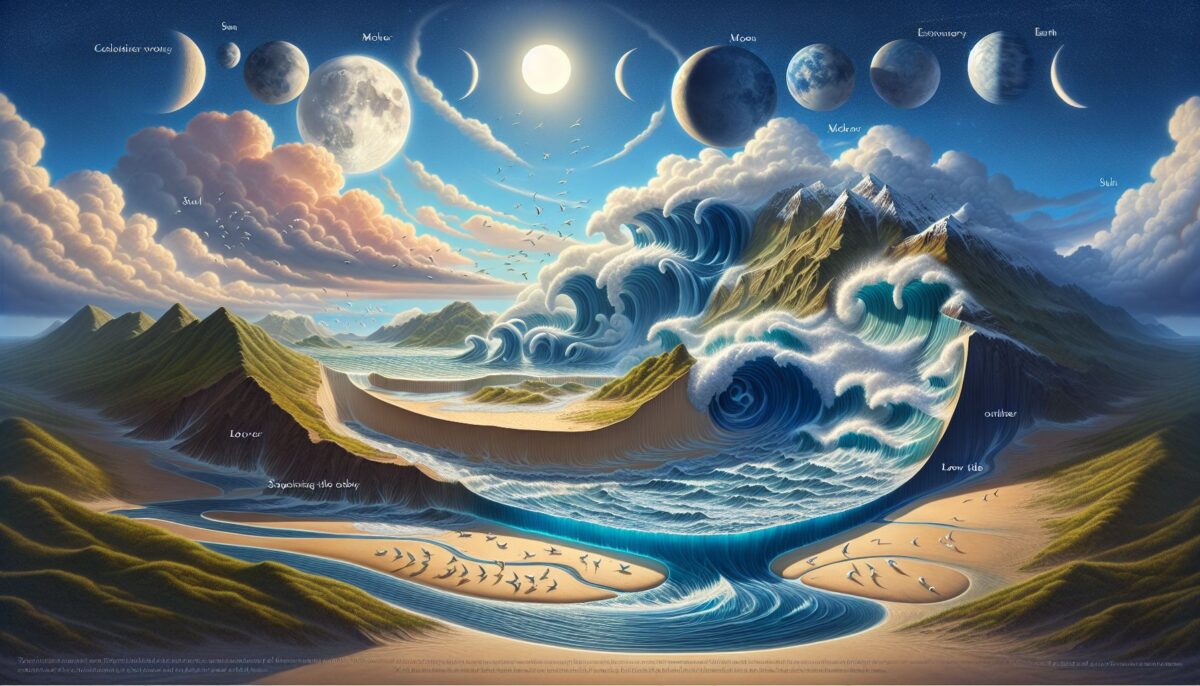
Tides are primarily the result of the gravitational pull exerted by the moon and, to a lesser extent, the sun upon the Earth. This gravitational attraction causes the ocean waters to bulge out in the direction of the moon. As the Earth rotates, different regions pass through these bulges, experiencing what we know as high tide. On the side of Earth opposite of the moon, another bulge occurs due to the centrifugal force of Earth’s rotation, leading to a second high tide.

Spring and Neap Tides

The relative positions of the Earth, moon, and sun affect the height and strength of these tides. When the Earth, moon, and sun align during the full or new moon—known as a syzygy—the gravitational forces combine to produce the highest high tides and the lowest low tides, called spring tides. Conversely, during the first and last quarter phases of the moon, when the sun and moon are at right angles to each other, the tidal range is minimized, and we experience neap tides.

The Tidal Cycle

A single location on Earth typically experiences two high tides and two low tides each lunar day—a period slightly longer than 24 hours due to the moon’s orbit around the Earth. These are termed semidiurnal tides and are prevalent in places such as the Atlantic coasts of Europe and North America. However, some regions, like the west coast of North America, experience mixed semidiurnal tides, where the high and low tides differ in height. Yet other areas may experience diurnal tides, having only one high and one low tide per day.

Tides and Marine Life

The ebb and flow of tides significantly influence marine ecosystems and the creatures that dwell within them.

Intertidal Zones

Tides create intertidal zones—areas that are underwater at high tide and exposed at low tide. These regions are rich in biodiversity, hosting a variety of organisms such as barnacles, mussels, sea stars, and many types of algae. Adaptations to survive both submerged and aired conditions are crucial for the survival of these species.

Feeding and Breeding

The tidal movement also aids in the feeding of numerous marine animals. For instance, shorebirds often time their feeding to correspond with low tides when mudflats are exposed, revealing a bounty of invertebrates to feast upon. Additionally, many species of fish and crustaceans time their breeding cycles to the tides, using high tides to bring their young into estuaries and nurseries safely.

Human Endeavors and Tides

Just as marine life has adapted to the rhythm of the tides, so have human activities.

Navigation and Shipping

Since ancient times, tides have played a critical role in navigation and shipping. Understanding the timing and extent of tides is crucial for the safe passage of ships into and out of ports and harbors. Mariners rely on tide tables and charts to avoid running aground in shallow waters or to take advantage of tidal currents for energy-efficient travel.

Renewable Energy

In recent years, the predictability and power of tides have been harnessed for renewable energy through tidal energy converters. Countries with strong tidal ranges, such as the UK and Canada, have invested in this technology to produce clean, sustainable power.

Coastal Management

Coastal engineers and planners must account for tidal forces when designing coastal defenses, constructing buildings, or developing coastal infrastructure. Understanding tidal patterns is key to mitigating the risks of coastal erosion and flooding.

Threats to Tidal Environments

Despite their enduring nature, tidal environments face significant threats due to human actions and climate change.

Sea Level Rise

As global temperatures rise, polar ice caps melt, and sea levels increase, leading to higher tides that can inundate coastal areas, erode shorelines, and threaten habitats and human dwellings.

Coastal Development

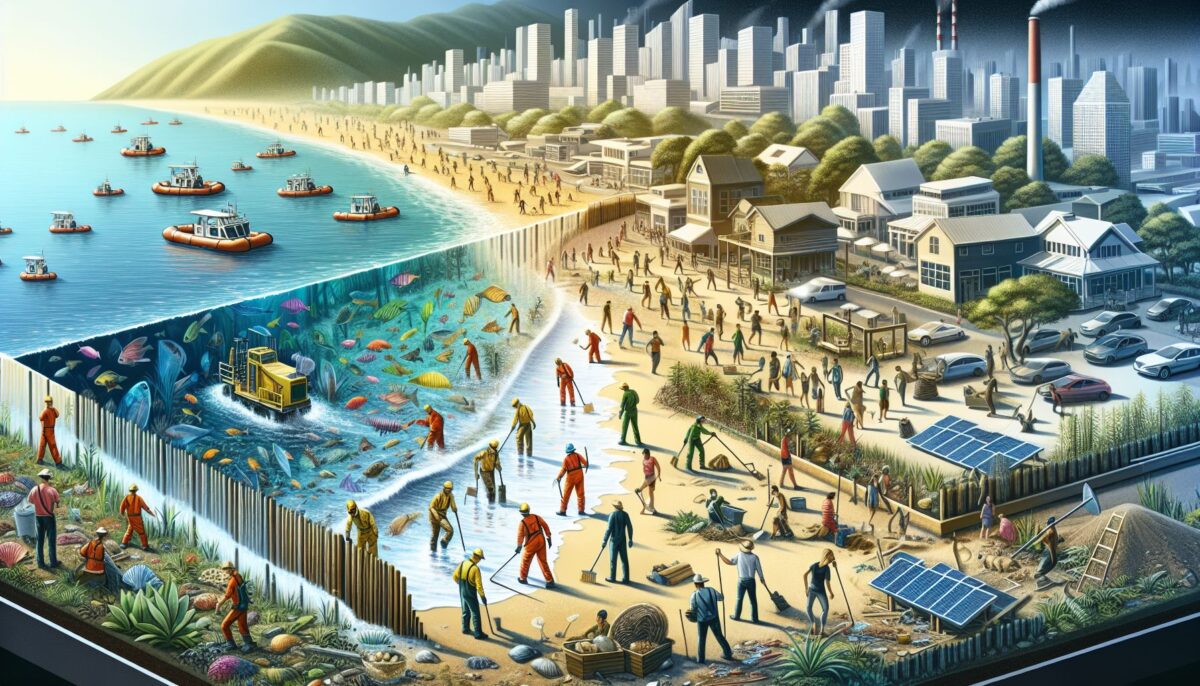
Expanding urban development along coastlines can disrupt the natural flow of tides, harming ecosystems dependent on tidal exchanges. Hardened structures like seawalls and jetties can alter tidal flows and sediment deposition patterns.

Ocean Acidification and Coral Bleaching

The rising levels of CO2 in the atmosphere not only impact the climate but also the ocean’s chemistry, leading to ocean acidification. Higher acidity can affect the health of coral reefs, which are vital for coastal protection and marine biodiversity. Moreover, warmer ocean temperatures can induce coral bleaching, weakening these ecosystems.

Preserving the Tidal Dance

To safeguard the vital functions tides perform in our world, concerted global efforts in coastal management and environmental protection are required.

Marine Protected Areas

Establishing and enforcing marine protected areas (MPAs) can help buffer tidal ecosystems from human pressures. MPAs provide safe havens for marine life to thrive and ecosystems to regenerate.

Sustainable Practices

Promoting sustainable practices in fisheries, aquaculture, and land use can reduce pollution and habitat destruction, thereby protecting tidal environments.

Tidal Energy Development

Investing in tidal energy research and development can provide clean electricity while minimizing environmental impacts when compared to other forms of power generation.

Conclusion: Tides as the Pulse of the Ocean

Tides are the heartbeat of the ocean, a pulse that exerts a profound influence over ecological and human activities alike. Understanding their mechanisms and respecting their might by adopting sustainable practices is paramount for ensuring the health and vitality of our coastal and marine environments.

While the forces driving the tides are celestial in origin, their effects are felt here on Earth’s shores, reminding us of the interconnectedness of the cosmos and our own existence. As we move forward, it’s crucial that we harmonize our actions with the natural rhythms they impart to preserve the delicate balance of life surrounding our coasts.


Sources:

  1. “What Causes Tides?” NOAA’s National Ocean Service. https://oceanservice.noaa.gov/facts/tides.html
  2. “Intertidal Zone,” Encyclopedia Britannica. https://www.britannica.com/science/intertidal-zone
  3. “Tidal Energy,” Office of Energy Efficiency & Renewable Energy. [https://www.energy.gov/eere/water
Exploring the Depths of Marine Biodiversity: A Journey Into the Ocean’s Living Library

The ocean, a mysterious expanse covering over 70% of the Earth’s surface, is home to an astounding mosaic of life. Beneath the rolling waves and beyond the reach of the sun’s rays lies a complex world teeming with a diverse array of organisms. This rich diversity, known as marine biodiversity, is not just a marvel to behold but a crucial element of the planet’s health. In this article, we embark on a voyage to understand the significance of marine biodiversity, the threats it faces, and the measures we can take to preserve this underwater treasure trove.

Understanding Marine Biodiversity

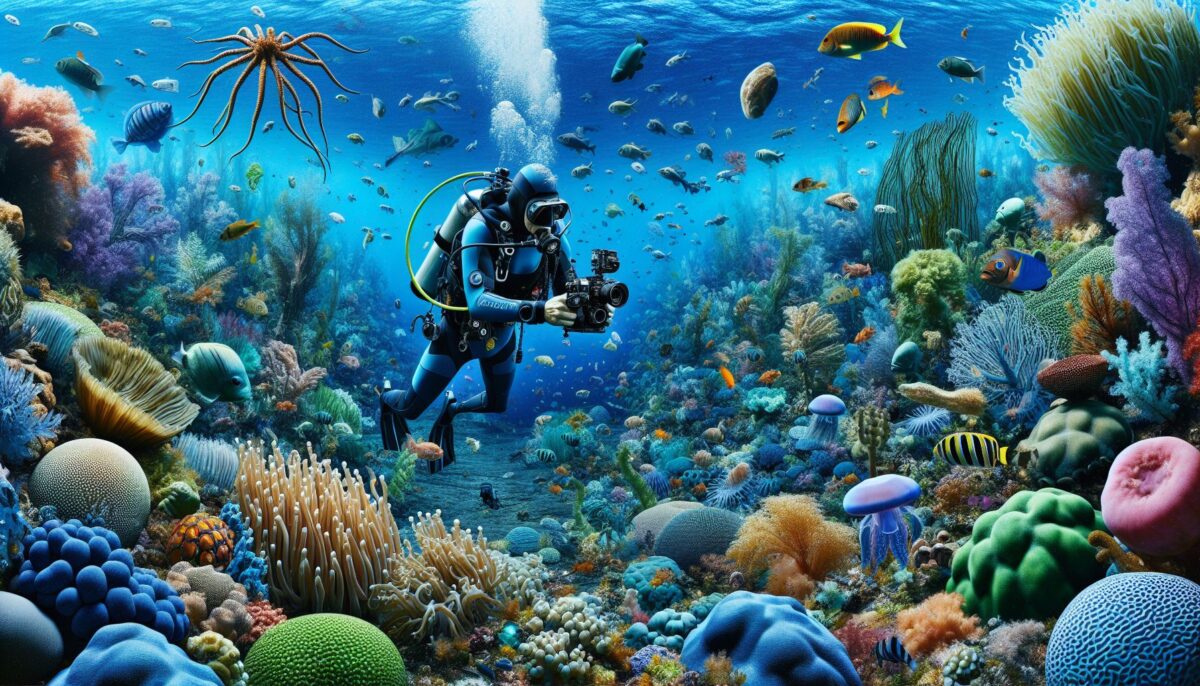
Marine biodiversity encompasses all the different species of plants, animals, and microorganisms in the ocean, from the coasts and coral reefs to the deepest sea trenches. This includes a staggering range of habitats, such as mangroves, seagrass meadows, estuaries, coral reefs, the abyssal plain, and hydrothermal vents, each harboring unique lifeforms adapted to their respective environments.

The Richness of Life Underwater

The ocean’s biodiversity is immense, with scientists estimating that over a million species reside in the marine environment, with many more yet to be discovered[^1]. This includes microscopic plankton, familiar fish and marine mammals, and lesser-known creatures like the bioluminescent denizens of the deep sea.

Ecosystem Services: The Ocean’s Offering

Marine biodiversity is responsible for numerous ecosystem services that are vital to human survival. These include providing food in the form of fisheries and aquaculture, regulating the climate by sequestering carbon dioxide, and maintaining water quality through natural filtering processes.

Threats to Marine Biodiversity

Despite its resilience, marine biodiversity faces significant threats from human activities. Key among these threats are overfishing, habitat destruction, pollution, climate change and ocean acidification, invasive species, and unsustainable coastal development.

Overfishing: Stripping the Seas

Worldwide, fishing industries have grown exponentially, with many employing practices that are unsustainable. Overfishing leads to the depletion of fish stocks, disrupts food webs, and can cause the collapse of entire ecosystems[^2].

Habitat Destruction: The Disappearing Act

Coastal and oceanic habitats are being destroyed at an alarming rate. Coral reefs are being bleached due to rising water temperatures, seagrass meadows are being smothered by sedimentation, and mangroves are being cleared for development.

Pollution: The Toxic Tide

Marine pollution takes many forms, from oil spills and chemical discharges to the pervasive issue of marine debris—plastics and other materials that end up in the ocean, harming wildlife and ecosystems[^3].

Climate Change and Ocean Acidification: Twin Perils

Climate change is causing ocean temperatures to rise and sea levels to increase, which leads to coral bleaching and the alteration of species distributions. Ocean acidification, a result of increased carbon dioxide absorption, impacts organisms with calcium carbonate shells or skeletons, threatening the entire food web.

Invasive Species: Uninvited Guests

Invasive species, often introduced through ship ballast water or attached to hulls, can outcompete native species for resources, alter habitats, and introduce diseases.

Conservation Efforts: Safeguarding Our Seas

In the face of these threats, a variety of conservation measures are being implemented to protect and restore marine biodiversity.

Marine Protected Areas (MPAs)

MPAs are regions of the ocean where human activities are more regulated than in surrounding waters, designed to conserve marine ecosystems. These protected areas can help to replenish overfished populations and allow habitats to recover.

Sustainable Fishing: Ensuring a Future Catch

Sustainable fishing practices, such as setting catch limits and using selective gear to minimize bycatch, help to ensure that fish stocks and their habitats remain healthy for future generations.

Pollution Control: Stemming the Toxic Flow

Efforts to control pollution range from reducing plastic use and improving waste management on land to enforcing regulations on the discharge of contaminants from ships and coastal facilities.

Tackling Climate Change: A Global Effort

Combating climate change requires global cooperation to reduce greenhouse gas emissions, primarily through transitioning to renewable energy sources and implementing energy efficiency measures.

Public Awareness: Spreading the Word

Raising public awareness about the importance of marine biodiversity and the threats it faces can lead to greater support for conservation efforts. Education and outreach are essential tools in cultivating a society that values and protects the ocean.

The Role of Science and Research

Understanding marine biodiversity and its importance necessitates scientific research and monitoring. Studies in marine biology, ecology, genetics, and oceanography help us to uncover the complexities of marine ecosystems and devise more effective conservation strategies.

Oceanography: Mapping the Unknown

Oceanography, the study of the physical and biological aspects of the ocean, provides critical insights into how marine ecosystems function and how they react to changes in their environment.

Marine Biotechnology: Innovations from the Sea

Advances in biotechnology make it possible to explore the ocean’s biodiversity for new pharmaceuticals, biofuels, and other products, underscoring the economic as well as ecological value of marine life.

The Blue Economy: Harnessing Ocean Resources Wisely

The concept of the blue economy encompasses the sustainable use of ocean resources for economic growth, improved livelihoods, and jobs while preserving the health of marine and coastal ecosystems. Marine biodiversity is a cornerstone of the blue economy, underpinning sectors like tourism, fisheries, and biotechnology.

The Future of Marine Biodiversity

The future of marine biodiversity hinges on our ability to strike a balance between using ocean resources and maintaining the health of marine ecosystems. Ensuring the ocean’s ecological integrity will allow us to continue benefitting from its bounty while safeguarding its vitality for generations to come.

Conclusion

Marine biodiversity is a crucial component of our planet’s health and our own well-being. Through concerted efforts in conservation, sustainable management, and scientific research, we can work to protect the ocean’s vast array of life and the countless benefits it provides us.

As we appreciate the beauty and complexity of marine life, let us also remember our responsibility to act as stewards of this extraordinary ecosystem. So next time you dip your toes in the ocean, remember that you’re at the edge of a world brimming with life, a world that requires our respect and protection to continue to thrive.

[^1]: Costello, M. J., et al. (2012). Global Biodiversity in the Ocean. Current Biology, 22(16).
[^2]: Pauly, D., & Zeller, D. (2016). Catch reconstructions reveal that global marine fisheries catches are higher than reported and declining. Nature Communications, 7, 10244.
[^3]: Jambeck, J. R., et al. (2015). Plastic waste inputs from land into the ocean. Science, 347(6223), 768-771.

Unraveling the Depths: Exploring Marine Biodiversity and the Importance of Conservation

The ocean, covering more than 70% of the Earth’s surface, is a vast expanse of mystery and beauty, teeming with life and activity. It is the cradle of life, the climatic regulator, and the provider to economies worldwide. This remarkable marine world harbors a wealth of biodiversity, from the tiniest of plankton to the colossal blue whales, forming intricate webs of life that are essential for the health of our planet. This article delves into the rich tapestry of marine biodiversity, the challenges it faces, and the relentless efforts to conserve this invaluable treasure for future generations.

What is Marine Biodiversity?

At its core, marine biodiversity represents the variety and variability of living organisms in the oceanic environment, covering a host of ecosystems such as coral reefs, mangroves, seagrass beds, deep-sea hydrothermal vents, and pelagic zones. Spanning millions of species, many yet to be discovered, marine biodiversity is not just a measure of the number of species but also encompasses the genetic variation within species and the intricacy of ecosystem interactions.

The Crux of Coastal Ecosystems

Coastal areas provide some of the most productive and biologically diverse ecosystems. Coral reefs, for example, while occupying less than 0.1% of the ocean’s surface, support an estimated 25% of all marine species. Reefs act as nurseries for fish, provide food, and offer protection from predators. Similarly, mangrove forests protect shorelines from erosion and serve as breeding grounds for many marine organisms.

The Abyssal Plains and Hydrothermal Vents

The deep sea, which remains largely unexplored, holds unique forms of life with organisms adapted to extreme conditions, such as high pressure, low temperatures, and complete darkness. Hydrothermal vents, where mineral-rich water spills from cracks in the seafloor, create oases of life, sustained by chemosynthetic bacteria, which convert chemicals from the vents into energy.

The Open Ocean and Pelagic Life

The pelagic zone, the open ocean away from the coastlines and above the seabed, is a vast desert-like environment within which life thrives. This zone is home to large migratory species like whales, sharks, and tunas. The majority of life here, however, is microscopic – phytoplankton and zooplankton form the base of the food web, converting sunlight into biological energy and sustaining the ocean’s vast food webs.

The Perils Threatening Marine Biodiversity

Despite its resilience, marine biodiversity faces existential threats from human activities.

Overfishing and Habitat Destruction

Overfishing has depleted many fish stocks beyond recovery, and destructive fishing practices have damaged critical habitats. Trawling, for example, rips through the seabed, destroying complex structures that take centuries to form.

Pollution and Plastics

Marine pollution, from chemicals, plastics, and other debris, has dire effects on marine life. Plastics cause entanglement and ingestion problems for several species, while toxins can accumulate in the food web, reaching toxic levels in apex predators.

Climate Change and Acidification

Climate change and resulting ocean acidification have a profound impact on marine ecosystems. Rising temperatures lead to coral bleaching, where corals expel the symbiotic algae that provide them with food, often leading to death. Acidifying oceans, caused by CO2 absorption, inhibit the ability of organisms like shellfish and corals to form calcium carbonate shells and skeletons.

Invasive Species

Invasive species, introduced into new environments by humans, often by ship ballasts or through the Suez or Panama Canals, can outcompete, prey upon, or bring diseases to native species, altering the ecosystem balance.

Conservation Efforts for Preserving Marine Biodiversity

Conservation organizations and governments are working to protect marine biodiversity through a variety of initiatives.

Marine Protected Areas (MPAs)

MPAs are regions of the ocean where human activities are restricted to protect natural or cultural resources. They can range from no-take zones, where all extractive activities are prohibited, to multiple-use areas that allow for sustainable usage.

International Agreements and Policies

Policies like the United Nations Convention on the Law of the Sea (UNCLOS) provide a legal framework for the conservation and sustainable use of the oceans. The Convention on Biological Diversity aims to protect biodiversity at all levels.

Sustainable Fishing and Aquaculture Practices

Sustainable fishing practices, such as setting catch limits and utilizing less destructive fishing gear, help ensure fish populations remain for the future. Responsible aquaculture can relieve fishing pressure on wild stocks while providing food security.

Climate Change Mitigation

Reducing greenhouse gas emissions, transitioning to renewable energy sources, and developing carbon capture technologies are crucial for mitigating climate change impacts on oceans.

Pollution Control and Clean-Up

Efforts to control pollution input into the ocean and large-scale clean-up operations, such as those targeting the Great Pacific Garbage Patch, are vital for reducing the debris that threatens marine life.

Public Engagement and Education

Public awareness initiatives are essential for driving the behavioral changes necessary to protect marine biodiversity. Education about the importance of oceans, the threats they face, and how individuals can help is key to conservation efforts.

The Role of Science and Research

Understanding the complexities of marine biodiversity requires continued scientific exploration and research.

Oceanography and Marine Biology

Disciplines like oceanography and marine biology delve deep into the functioning of marine ecosystems, species interactions, and the impacts of human activities on these systems. Technologies like remote-sensing satellites, autonomous underwater vehicles (AUVs), and deep-sea submersibles enable researchers to study previously inaccessible areas.

Genetic and Species Diversity Research

Genetic research helps in understanding the evolutionary processes that create biodiversity and can inform conservation strategies by identifying critical populations for protection. Documenting species diversity, particularly in under-studied regions, is imperative for creating comprehensive conservation plans.

Ecosystem Services Valuation

Valuing the services provided by marine ecosystems can demonstrate the economic rationale for conservation. These include services like food provision, climate regulation, and recreational opportunities which are often undervalued in decision-making processes.

The Future of Marine Biodiversity

As we advance, the need for a sustainable relationship with our oceans becomes ever more critical. The blue economy concept, where economic growth aligns with the health of marine ecosystems, can pave the way towards sustainable use of ocean resources.

Conclusion

Marine biodiversity is a jewel of incalculable value, yet it faces challenges that threaten its existence. Protection and sustainable management of the oceans’ resources require concerted global action and the commitment of every individual. With proper conservation strategies, we can ensure that the vast diversity of life below the waves thrives well into the future.

Sources

  1. United Nations Convention on the Law of the Sea (UNCLOS). (n.d.). Retrieved from [https://www.un.org/depts/los/convention_agreements/texts/unclos/unclos_e.pdf](https://www.un.org/depts/los/convention

Understanding the Complexity of Coastal Erosion: Causes, Consequences, and Management Strategies

Coastal erosion is a natural process that results in the gradual removal of shoreline material due to the action of waves, tides, and currents. However, human activities have exacerbated its effects, leading to increased loss of valuable coastal lands and the destruction of ecosystems. In an era of climate change and rising sea levels, understanding and managing coastal erosion has become more important than ever. By exploring its causes, impacts, and the strategies employed to mitigate it, we can better protect our coastal environments and the communities that depend on them.

Causes and Drivers of Coastal Erosion

Natural Processes

Coastal erosion is primarily driven by natural forces. Waves and currents generated by winds are the main agents of erosion. They continuously shape and reshape the coastline by carrying away sand and other sediments.

  • Waves: The strength and direction of waves can cause varying erosion rates. Storm waves, in particular, are powerful agents of erosion.
  • Tides: The rise and fall of tides affect the level of wave impact on the shore. Higher tides can lead to more severe erosion.
  • Currents: Longshore and rip currents can transport sediments along the coast and away from certain areas, leading to erosion.
  • Geological makeup: The type of rocks and their resistance to erosion can influence the rate and extent of coastal erosion.

Human Activities

Human actions have significantly accelerated natural erosion processes.

  • Coastal Development: Construction along shorelines can disrupt natural sediment movements and exacerbate erosion.
  • Sea-Level Rise: Changes in sea level, due mainly to climate change, increase the depth of water near the shore, leading to more aggressive erosion.
  • Deforestation and Land Use Changes: Removing vegetation and altering land uses can reduce the stability of the soil and increase erosion.
  • Dredging and Mining: These activities can directly remove protective beach sediments and indirectly affect sediment transport patterns.

Consequences of Coastal Erosion

Impact on Communities

Coastal erosion poses a direct threat to coastal communities. Homes, businesses, and infrastructure can suffer damage or be lost entirely as the coastline recedes.

Environmental Damage

Erosion can destroy habitats for marine life and birds, reduce biodiversity, and alter landscapes. The loss of protective features like dunes and wetlands can also increase vulnerability to storms and flooding.

Economic Costs

The economic implications of coastal erosion are significant, affecting tourism, fisheries, and property values. The costs of rebuilding and relocating infrastructure can be substantial.

Strategies for Managing Coastal Erosion

Hard Engineering Approaches

Hard engineering involves constructing physical structures to protect the coast.

  • Sea Walls: Vertical or sloping structures made to absorb and reflect the energy of waves.
  • Groynes: Barriers built at right angles to the shore to trap moving sediments.
  • Breakwaters: Offshore structures that dissipate wave energy before it reaches the coast.

Soft Engineering Approaches

Soft engineering seeks to work with natural processes to manage erosion.

  • Beach Nourishment: Importing sand and other sediments to replenish eroded beaches.
  • Dune Stabilization: Planting vegetation to secure dunes and promote natural defense against erosion.
  • Managed Retreat: Allowing certain areas to erode and relocate structures further inland.

Adaptive Management

Adaptive management involves monitoring coastal changes and responding with appropriate erosion control measures. It is a flexible, learning-based approach.

Community Engagement

Involving local communities in the decision-making process ensures that measures taken are sustainable and in the best interest of those impacted.

Policy and Regulations

Government policies and regulations play a critical role in managing coastal erosion by guiding development, conservation, and response strategies.

The Future of Coastal Erosion Management

As sea levels continue to rise and human activities intensify, the challenge of managing coastal erosion will become more complex. Future strategies must be innovative, sustainable, and focused on resilience. Incorporating ecosystem-based approaches, investing in research, and improving public awareness are crucial. International collaboration will be key in sharing knowledge and experiences.

Addressing Coastal Erosion with Informed Decisions

Effective management of coastal erosion requires a combination of engineering, ecological, and policy approaches. By integrating knowledge from various fields such as oceanography, marine geology, and environmental science, we can develop strategies that not only protect our coasts but also preserve their natural beauty and ecological functions.

Sources:

  1. National Oceanic and Atmospheric Administration (NOAA) – Coastal Erosion
  2. United States Geological Survey (USGS) – Beach Erosion
  3. Intergovernmental Panel on Climate Change (IPCC) – Special Report on the Ocean and Cryosphere in a Changing Climate: Coastal Erosion and Sea-Level Rise

Managing coastal erosion is an ongoing challenge that requires collaboration, adaptation, and forward-thinking strategies. While the process is complex and the causes are diverse, our understanding of coastal ecosystems and human impacts has significantly improved. By proactively addressing the root causes of coastal erosion and implementing a mix of solutions tailored to specific conditions, it is possible to safeguard our coasts for future generations while maintaining the health of marine life and ecosystems.

The Fascinating World of Marine Life: A Dive into the Ocean’s Biodiversity

Marine life refers to the vast array of species that reside in the world’s oceans and seas. The ocean is an immense habitat, stretching across millions of square miles and plunging to depths of several miles below the surface. This vast, watery realm is home to an incredible diversity of organisms, from the tiniest plankton to the largest whales. In this article, we will explore the composition, importance, threats, and conservation efforts surrounding marine biodiversity.

What is Marine Life?

Marine life encompasses all living organisms that call the ocean their home. This includes a wide variety of creatures, such as:

  • Microorganisms: Tiny life forms such as bacteria and phytoplankton, which form the base of the oceanic food chain.
  • Invertebrates: Animals without backbones, such as jellyfish, corals, crustaceans, and mollusks.
  • Fishes: A diverse group of gill-bearing aquatic creatures, from tiny clownfish to massive shark species.
  • Marine mammals: Animals such as dolphins, whales, and seals that spend most of their lives in the sea.
  • Seabirds: Bird species that are intricately linked to the marine environment for feeding and breeding.

Marine species occupy different habitats ranging from coastal ecosystems, like estuaries and coral reefs, to the open ocean and deep-sea environments.

The Importance of Marine Biodiversity

Marine biodiversity is essential for several reasons:

  • Ecological Balance: Diverse marine communities contribute to the stability and resilience of the ocean ecosystem.
  • Food Security: Many human populations depend on fish and other marine organisms as a primary food source.
  • Economic Value: Marine ecosystems support industries like fisheries, tourism, and pharmaceuticals.
  • Biogeochemical Cycles: Marine organisms play a crucial role in global cycles of nutrients like carbon, nitrogen, and oxygen.
  • Medicinal Resources: Many marine species produce unique compounds that are used in medicines.

Threats to Marine Life

The rich tapestry of life in our oceans is facing significant threats. Some of the primary challenges include:

  • Overfishing: Exploitative fishing practices have led to the depletion of several fish populations.
  • Habitat Destruction: Coastal development, destructive fishing methods, and bottom trawling disrupt marine habitats.
  • Pollution: Marine debris, nutrient runoff, chemical pollutants, and oil spills harm marine organisms.
  • Climate Change: Rising temperatures and ocean acidification affect species’ survival and distribution.
  • Invasive Species: Non-native species can unbalance ecosystems by outcompeting or preying upon native marine life.

Conservation of Marine Life

With the growing awareness of threats to marine biodiversity, several conservation efforts are underway:

  • Marine Protected Areas (MPAs): Establishing MPAs helps to protect habitats and species from human exploitation.
  • Sustainable Fisheries: Implementing quotas and sustainable fishing practices helps to ensure long-term viability of fish stocks.
  • Pollution Control: Efforts to reduce pollution include better waste management practices and stricter regulations.
  • Climate Action: Reducing greenhouse gas emissions can mitigate climate change’s impact on the oceans.
  • Research and Monitoring: Ongoing scientific research on marine ecosystems promotes better understanding and management.

Conclusion

The ocean’s marine life is a complex, interconnected web of species and habitats. As the guardians of this vast domain, it is our responsibility to understand and protect the biodiversity within it. Measures such as establishing protected areas, regulating fishing, and reducing pollution are crucial. By doing so, we preserve not only the natural beauty of our oceans but also the countless benefits that marine ecosystems provide to humanity.

Sources

  1. “Marine biodiversity.” World Wildlife Fund. WWF Marine Biodiversity
  2. “Overfishing: A threat to marine biodiversity.” United Nations. UN Overfishing
  3. “Marine Protected Areas.” National Oceanic and Atmospheric Administration. NOAA MPAs

With the sheer magnitude and complexity of marine biodiversity, it’s nearly impossible to encapsulate all aspects in a single article. However, it is our hope that this overview ignites a greater appreciation for the ocean’s living wealth and motivates continued learning and action towards its conservation.

The Blue Economy: A Dive into Sustainable Ocean Resources Management and Development

The ocean is earth’s lifeblood. It covers 71% of our planet’s surface, drives global weather systems, and supports a diversity of organisms unmatched by any other ecosystem. For centuries, the ocean has also been a vital source of sustenance, trade, and even adventure for humanity. However, as our dependence on marine resources has increased, so too has the impact on ocean health. Addressing these impacts while harnessing the ocean’s economic potential gave birth to the concept of the “Blue Economy.” This term encompasses sustainable ocean resource management and development—balancing economic growth with ocean health preservation. Let’s explore this concept in-depth.

What is the Blue Economy?

The Blue Economy refers to the sustainable use of ocean resources for economic growth, improved livelihoods, and jobs while preserving the health of ocean ecosystem services. The concept has been gaining prominence as nations increasingly recognize the need for a balance between economic development and environmental conservation.

Origins and Significance

Originating from the 2012 United Nations Conference on Sustainable Development (Rio+20), the Blue Economy concept places emphasis on the inclusion of coastal and marine sectors in the green economy, acknowledging that our oceans are a common heritage that must be protected and cherished for the good of all mankind.

Key Sectors of the Blue Economy

The Blue Economy includes a wide range of activities:

  • Sustainable Fisheries and Aquaculture: Ensuring fish stocks are managed to prevent overfishing, protect species diversity and ensure a long-term sustainable yield from the ocean.

  • Renewable Marine Energy: Harnessing the power of waves, tides, and offshore wind for cleaner energy that offsets reliance on carbon-intensive fuels.

  • Maritime Transport: Shipping and ports which are vital for global trade, making them efficient and eco-friendly.

  • Tourism and Recreation: Developing coastal tourism that respects local cultures and ecosystems, while providing economic benefits.

  • Marine Biotechnology: Researching and developing pharmaceuticals and other products derived from marine bioresources.

  • Desalination: Extracting fresh water from seawater in an energy-efficient and environmentally conscious way.

The Economic Impact of the Blue Economy

The Blue Economy has significant potential to be a major driver of the global economy. According to the Organization for Economic Co-operation and Development (OECD), the ocean economy could double in size by 2030 to over $3 trillion.

Sustainable Fisheries and Aquaculture

Fisheries and Aquaculture are cornerstone industries within the Blue Economy. Not only do they provide essential nutrition to billions of people worldwide, but they also represent livelihoods for countless coastal communities. Sustainable practices within these industries are imperative for ongoing success and environmental balance.

Challenges and Innovations in Fisheries

Overfishing has led to the decline of important fish stocks. Innovative approaches such as rights-based fishing, catch shares, and community-managed fisheries are essential to rebuild these populations. Moreover, progress in aquaculture technologies, including recirculating systems and offshore farming techniques, has helped to mitigate impacts on wild fish populations, leading to a more sustainable sector overall.

Renewable Marine Energy

Marine renewable energy presents a promising pathway for reducing carbon footprints.

Tidal and Wave Energy

Innovations in capturing tidal movements and wave energy are particularly noteworthy. Tidal energy converts the tides’ movement into electricity, typically via underwater turbines. Similarly, wave energy uses the kinetic force of waves to generate power. Such renewables are becoming cost-competitive with traditional energy sources and are critical to a Blue Economy framework.

Maritime Transport and Shipbuilding

Maritime transport is the backbone of international trade, while shipbuilding remains an economic stalwart in many countries. However, both sectors must adapt to minimize their environmental footprint by improving fuel efficiency, reducing emissions, and considering the full lifecycle of vessels from construction to decommissioning.

Marine Bioprospecting

The ocean’s vast biodiversity is a cornucopia of potential for new pharmaceuticals, nutritional supplements, and other valuable biochemical compounds. Marine bioprospecting, the search for novel compounds in marine organisms, must, however, proceed with respect for marine habitats and species.

Environmental and Conservation Perspectives

The flip side to commercial and economic interests is the environmental imperative.

Protecting Marine Biodiversity

Marine Protected Areas (MPAs) are a central tool used to protect biodiversity. By restricting human activities in these regions, MPAs help to conserve critical habitats, protect endangered species, and allow ecosystems to function and regenerate naturally.

Managing Climate Change Impacts

Oceans absorb around a quarter of the carbon dioxide humans emit, leading to ocean acidification which affects marine life. The Blue Economy seeks not only to mitigate such changes by lowering emissions and enhancing carbon sequestration but also to adapt marine resource management in the face of these challenges.

Blue Economy Policy Frameworks

Implementing the Blue Economy requires robust, comprehensive policy frameworks that integrate economic development and conservation goals.

National Strategies

Nations with coastlines are developing their Blue Economy strategies. For example, the European Union has launched its “Blue Growth” strategy to support sustainable growth in the marine and maritime sectors.

International Collaboration

Global action, such as through the United Nations’ Sustainable Development Goal 14, aims to conserve and sustainably use the oceans, seas, and marine resources.

Challenges and Controversies

The road to a fully realized Blue Economy is not without its bumps. Issues such as balancing the rights of small-scale fishers with the interests of multinational corporations, ensuring equitable access among nations to marine biotechnological developments, and managing the environmental impacts of expanding maritime industries present ongoing challenges.

Key among the Blue Economy’s critics are those who worry that the rush to develop ocean resources might prioritize economic returns over ecological sustainability. It is crucial that economic assessments include ecosystem service valuations and consider long-term environmental stewardship.

Conclusion

The Blue Economy is a beacon of how economic development and environmental sustainability can co-exist. The careful stewardship and innovative utilization of ocean resources outlined in this framework can lead to a prosperous future for both humanity and the marine environment.

As a society, we must embrace the principles of the Blue Economy to ensure our oceans continue to support life on Earth and contribute to sustainable prosperity for generations to come.

Sources

  • Organization for Economic Co-operation and Development (OECD). “The Ocean Economy in 2030.” https://www.oecd.org/ocean/ocean-economy-2030.htm
  • United Nations. “Sustainable Development Goals – Goal 14: Life Below Water.” https://www.un.org/sustainabledevelopment/oceans/
  • European Commission. “Blue Growth.” https://ec.europa.eu/maritimeaffairs/policy/blue_growth_en

Understanding Marine Biodiversity: The Wealth Beneath the Waves

Marine biodiversity is the variety of life in the ocean. It encompasses the different species of plants, animals, and microorganisms, the genes they contain, and the ecosystems they form on the seafloor and throughout the water column. The ocean’s vast and dynamic environment supports a remarkably diverse community of species, many of which are still undiscovered. Understanding this diversity is not only a matter of scientific curiosity but also essential for maintaining the health of our planet and its inhabitants.

The Importance of Marine Biodiversity

Marine biodiversity is crucial for the well-being of our planet. The oceans play a key role in regulating the Earth’s climate by absorbing carbon dioxide and producing oxygen. The diverse life forms contribute to the resilience of ecosystems, enabling them to withstand and recover from environmental changes and natural disasters.

Ecosystem Services

Marine species provide a wealth of ecosystem services that are vital to human society. These include:

  • Food security: The ocean is a source of sustenance for billions of people worldwide. Fisheries and aquaculture rely on a diverse array of species for the continued provision of food.

  • Medicinal resources: Many marine organisms have unique compounds that are used in pharmaceuticals, offering treatments for diseases and infections.

  • Economic benefits: The marine environment supports numerous industries, such as tourism, shipping, and recreational activities, contributing to the economies of coastal communities and nations.

Threats to Marine Biodiversity

Despite its importance, marine biodiversity is under significant threat from human activities. Overfishing, habitat destruction, pollution, ocean acidification, and climate change are just some of the challenges that marine life faces.

Overfishing

One of the most direct human impacts on marine biodiversity is overfishing. Intense fishing pressures can lead to the decline of target species, as well as incidental bycatch – the unintentional capture of non-target species such as dolphins, turtles, and seabirds.

Habitat Loss

Human actions such as coastal development, dredging, and bottom trawling can lead to the destruction of Key habitats like coral reefs, mangroves, and seagrass beds, further endangering the species that rely on them.

Pollution and Ocean Acidification

Marine pollution comes in various forms, including plastic debris, oil spills, and agricultural runoff. These pollutants can have detrimental effects on marine organisms, ranging from entanglement and ingestion to toxic exposure. Additionally, the increased CO2 absorption by oceans leads to ocean acidification, which can have dramatic effects on calcifying organisms like corals and shellfish.

Climate Change

Climate change, driven by global warming, is causing shifts in ocean temperatures, currents, and sea levels. These changes can result in altered distribution of species, coral bleaching, and increased frequency of extreme weather events, affecting the delicate balance of marine ecosystems.

The Science of Marine Biodiversity

Oceanography

Oceanography is the study of all aspects of the ocean. Oceanographic research contributes to our understanding of the physical processes that shape the ocean’s environment and, in turn, the distribution and well-being of marine life.

Marine Ecology

Marine ecologists study the relationships between marine organisms and their environment. They examine how species interact with each other and their surroundings, how energy flows through marine ecosystems, and how these ecosystems function as a whole.

Taxonomy and Marine Genetics

Marine taxonomy is the science of classifying and naming marine species. Genetics and genomics play an increasingly important role in taxonomy, helping scientists to identify species and understand their evolutionary relationships.

Conservation and Management of Marine Biodiversity

Marine Protected Areas (MPAs)

MPAs are regions of the ocean where human activity is restricted to protect the natural environment and biodiversity. These areas can help to replenish overfished stocks, preserve critical habitats, and maintain ecosystem functions.

Sustainable Fisheries

Sustainable fisheries management involves regulating fishing practices to ensure that they do not lead to the depletion of fish stocks. Techniques include setting quotas, implementing size limits, and using gear that minimizes bycatch.

International Agreements and Policy

Various international agreements aim to protect marine biodiversity. The United Nations Convention on the Law of the Sea (UNCLOS) provides a legal framework for conserving and sustainably using the oceans. The Convention on Biological Diversity (CBD) includes specific provisions for conserving marine and coastal ecosystems.

The Future of Marine Biodiversity

Research and Technology

Continued research and advances in technology are essential for understanding and protecting marine biodiversity. The use of satellites, underwater drones, and genetic analysis can provide new insights into the ocean’s depths and the life it harbors.

Citizen Science

Involving the public in scientific research, known as citizen science, can help to gather large amounts of data on marine biodiversity. Citizen scientists can contribute to global efforts by reporting sightings, collecting samples, and monitoring the health of local ecosystems.

Education and Awareness

Educating people about the importance of marine biodiversity and the threats it faces is crucial for fostering a sense of stewardship for the oceans. Increased awareness can inspire individual action, drive policy changes, and support conservation efforts.

Conclusion

Marine biodiversity is a treasure trove of life that supports countless ecosystem functions and services. Its conservation is imperative for the survival of our species and the health of the planet. By understanding the threats that marine life faces and working together to mitigate them, we can ensure that the oceans remain vibrant and productive for future generations.

Sources

  1. United Nations Convention on the Law of the Sea (UNCLOS): https://www.un.org/depts/los/convention_agreements/texts/unclos/unclos_e.pdf

  2. Convention on Biological Diversity (CBD) – Marine and Coastal Biodiversity: https://www.cbd.int/marine/

  3. The Food and Agriculture Organization of the United Nations (FAO) – Fisheries and Aquaculture: http://www.fao.org/fishery/en

The Intriguing Dance of Ocean Tides: A Deep Dive Into Nature’s Rhythmic Phenomenon

Tides are one of the most reliable phenomena in the natural world. Every day, coastal areas around the globe experience the rhythmic rise and fall of sea levels – the ebb and flow of tides that have influenced human life for millennia. In this comprehensive exploration of tides, we’ll delve into what causes them, how they affect marine life and human activities, and the scientific principles behind their predictability.

What Are Tides?

At its core, a tide is a long-period wave that moves through the oceans in response to the gravitational pull of the moon and the sun. The movement of tides is a complex interplay of gravitational forces, Earth’s rotation, and the shape of coastlines and ocean basins.

Gravitational Forces and Lunar Influence

Ocean tides are primarily caused by the gravitational attraction of the moon and the sun on Earth’s oceans. Although the sun is much larger than the moon, it is also far more distant, which means that the moon has a more significant tidal influence.

Centrifugal Force and Bulges

As the Earth and moon orbit around their common center of mass, centrifugal force is created, opposing the moon’s gravitational pull. Together, these forces create two bulges of water on Earth’s surface, one facing the moon and another on the opposite side. These bulges are high tide areas.

Solar Influence

The sun also plays a role in the tidal cycle. When the sun, moon, and Earth are in alignment (during a new or full moon), the solar and lunar tides reinforce each other, leading to higher high tides and lower low tides, known as spring tides. In contrast, when the moon is at a right angle to the sun (first or third quarter moon), the tides it produces partially offset those of the sun, resulting in reduced variation or neap tides.

The Tidal Cycle

Most coastal areas experience two high tides and two low tides within a 24-hour period, but the timing can vary because of the moon’s orbit. This type of tidal pattern is called a semidiurnal tide. In some locations, such as the Gulf of Mexico, only one high and one low tide occur each day – a diurnal tide pattern. There are also mixed tides that exhibit characteristics of both patterns.

Ebb and Flow

The period between a high tide and a low tide is called the ebb tide, while the period leading back to a high tide is known as the flood tide. The strength and height of tides can be affected by the shape of the coastline, the ocean floor, and even weather patterns.

The Science of Predicting Tides

Tide predictions are made using historical data and mathematical models. Records of tide gauges, which measure sea level over time, provide valuable information for understanding and forecasting tidal behaviors.

Tidal Constituents

The rhythmic nature of tides can be broken down into constituent parts, each with its own frequency and amplitude. These are related to factors like the moon’s declination, its distance from Earth, and other periodic variations. Sophisticated software analyzes these constituents to predict future tides with remarkable accuracy.

Impact on Marine Life

Tides are a driving force behind the rich biodiversity found in coastal and intertidal zones. Many marine organisms rely on tidal movements for reproduction, feeding, and migration.

Intertidal Species

Species such as crabs, mussels, and sea anemones have adapted to the changing conditions of the intertidal zone, timing their activities to the comings and goings of the tides.

Coastal Ecosystems

Estuaries, mangroves, and salt marshes also depend on tidal flux to bring in nutrients, remove wastes, and support diverse ecosystems, including important fisheries.

Tides and Human Activity

Navigation and Shipping

For centuries, tides have played a critical role in navigation. Understanding tidal patterns is crucial for the safe maneuvering of ships, especially in shallow waters and harbors.

Tidal Energy

The predictable nature of tides makes them a potential source of renewable energy. Tidal energy projects harness the kinetic energy of moving water with tidal streams or the potential energy in the height difference between high and low tides.

Coastal Development

Tide cycles must be considered in coastal infrastructure projects, such as the construction of ports, sea walls, and tidal barrages.

The Study of Tides

Oceanography, the branch of Earth sciences that studies the ocean, has a significant focus on tidal dynamics. Through a combination of field measurements, satellite observations, and computer modeling, scientists continue to refine our understanding of this intricate natural occurrence.

Hydrography

Hydrography, the study of underwater topography, plays an essential role in understanding how tides move and interact with the seabed. It’s a crucial field for both scientific research and maritime trade.

The Importance of Tides in Our World

Tides are more than just a curiosity – they’re an integral part of Earth’s natural systems. They influence marine ecosystems, shape our coastlines, and have a direct impact on human activities like fishing, shipping, and coastal development. Understanding and respecting the power of tides is important for anyone living or working along the coast.

Conclusion

The phenomenon of ocean tides is a testament to the intricate balance of forces at play in our solar system and the delicate interplay between the Earth and its celestial neighbors. As we continue to learn more about tidal patterns and their wider implications, we gain a greater appreciation for the dynamic nature of our planet and its oceans.

Sources

  1. National Oceanic and Atmospheric Administration (NOAA) – Tides and Water Levels. (https://oceanservice.noaa.gov/education/tutorial_tides/)
  2. Intergovernmental Oceanographic Commission (IOC) – Tide Predictions and Data. (http://www.ioc-sealevelmonitoring.org/)
  3. British Oceanographic Data Centre (BODC) – An Introduction to Tides. (https://www.bodc.ac.uk/education_and_outreach/educational_resources/tides_intro/)

Leveraging the predictability of tides, we can not only understand the natural world better but also utilize this knowledge for sustainable energy, improved maritime navigation, and enlightened coastal management. As climate change and sea-level rise present new challenges, the study of tides and related phenomena will only grow in importance, helping to safeguard coastal communities and marine environments alike.

Exploring the Vast World of Ocean Currents: The Engine of Our Climate and Marine Ecosystems

The ocean is nothing short of a marvel—a boundless expanse that has intrigued humans for millennia. Among its many wonders are ocean currents: vast, river-like flows of water that traverse thousands of miles across the Earth’s surface and depths. These currents play a pivotal role in regulating the planet’s climate, shaping marine ecosystems, and influencing human activities. In this comprehensive article, we will delve deep into the world of ocean currents, exploring their mechanisms, importance, and the challenges they face in a rapidly changing world.

Understanding Ocean Currents

Ocean currents are continuous, directed movements of seawater. They are generated by a variety of factors, including wind, temperature differences, salinity gradients, the rotation of the Earth (Coriolis effect), and tides. Currents are categorized into two main types: surface currents and deep-water currents.

Surface Currents

Surface currents constitute about 10% of all the water in the ocean and are primarily driven by the wind. These currents are most pronounced at depths of less than 400 meters and are largely responsible for the redistribution of heat from equatorial regions to the poles—a process critical to the Earth’s climate system.

Deep-Water Currents

Making up the other 90% of the ocean, deep-water currents are driven by differences in water density, which is affected by temperature (thermohaline) and salinity. This is often referred to as the “global conveyor belt,” a deep-water current system that circulates water around the globe and can take centuries to complete a single loop.

The Significance of Ocean Currents

Climate Regulation

One of the primary roles of ocean currents is in the regulation of the world’s climate. Currents act like a giant conveyor belt, transporting warm water from the equator towards the poles and cold water from the poles back to the tropics. This not only moderates global climate patterns but also influences weather systems.

Nurturing Marine Life

Marine life thrives on the constant movement of water. Ocean currents bring nutrients from the deep to the surface, supporting the growth of phytoplankton—the base of the marine food chain. They also facilitate the migration of species and the dispersal of organisms across different parts of the marine environment.

Human Impact

Currents are paramount to maritime navigation and shipping, influencing the design of shipping routes to maximize speed and fuel efficiency. They also play a role in fisheries, as areas enriched by upwelling currents tend to be particularly abundant in marine life, and thus, attract commercial fishing activities.

Threats to Ocean Currents

While ocean currents are robust and nature-driven, they are not immune to human-induced climate change. The melting of polar ice caps and the influx of freshwater into the oceans may alter the delicate balance of temperature and salinity that drives the global conveyor belt. Such shifts could lead to changes in the strength and direction of currents, severely affecting global climate and weather patterns, as well as marine biodiversity.

Monitoring and Preserving Ocean Currents

Given the importance of ocean currents, significant efforts are made to monitor and understand these massive flows of water. Oceanographers use various tools, including satellites, buoys, and underwater drones, to gather data on current speed, direction, and temperature.

Marine Protected Areas

To conserve the marine ecosystems dependent on ocean currents, marine protected areas (MPAs) have been established around the world. These areas help safeguard biodiversity and ensure sustainable use of marine resources by regulating human activities like fishing and tourism.

The Role of International Agreements

International agreements, such as the United Nations Convention on the Law of the Sea (UNCLOS), also help govern the use of the ocean and its resources. They provide frameworks for responsible oceanic exploration, shipping, fishing practices, and the protection of the marine environment.

Technological Advancements

The development of newer, more efficient technologies can also help minimize the impact on ocean currents. Innovations in shipping design, renewable energy sources like tidal and wave energy, and more sustainable fishing practices can reduce the human footprint on oceanic systems.

Conclusion

Ocean currents are an integral component of the Earth’s climate system and marine ecosystems. Their effects stretch far and wide, influencing weather, supporting marine life, and driving human activities. As we navigate the challenges posed by climate change, it’s imperative that we continue to study and protect these vital currents to ensure the health of our planet.

The complexity and magnitude of ocean currents cannot be understated, nor can their importance in the grand narrative of our planet’s ecological and climatological story. By understanding and respecting these powerful flows, we not only safeguard our environment but also secure a sustainable future for generations to come.

Sources

  1. National Oceanic and Atmospheric Administration (NOAA) – Ocean Currents
  2. Intergovernmental Oceanographic Commission of UNESCO – The Role of Ocean Currents in Climate
  3. United Nations Convention on the Law of the Sea (UNCLOS) – Division for Ocean Affairs and the Law of the Sea

As we approach the end of this exploration into the fascinating world of ocean currents, we must remember that the oceans do not exist in isolation. They are interconnected with the atmosphere, the land, and all living creatures, including ourselves. Whether we live near the coast or in a landlocked region, the health of ocean currents ultimately impacts us all. It’s our collective responsibility to cherish and protect this mesmerizingly complex and life-sustaining force—our global ocean conveyor belt.

The Significance of Coastal Management: Protecting Our Shorelines for the Future

Coastal areas – the dynamic interface between the land and the sea – are among the most engaging and diverse environments on our planet. With their natural beauty and rich biodiversity, coastlines are home to numerous species and attract millions of visitors each year. However, due to various natural and anthropogenic factors, these areas face significant threats. That’s why the role of coastal management in safeguarding these important regions is of paramount importance. In this comprehensive article, we will delve into what coastal management entails, the challenges it aims to address, and the strategies put forth to preserve our coastlines for generations to come.

Understanding Coastal Management

Coastal management refers to a wide range of policies, strategies, and actions designed to deal with the issues affecting coastal zones. It involves the coordination of all stakeholders, including government entities, local communities, and various organizations, to ensure that coastal resources are sustainably used and conserved.

Objectives of Coastal Management

  • Conservation of Coastal Ecosystems: To maintain the ecological balance and biodiversity.
  • Sustainable Resource Use: To ensure that the exploitation of resources like fisheries and tourism is done without depleting natural assets.
  • Adaptation to Climate Change: To enhance the resilience of coastal areas against the impacts of sea level rise, coastal erosion, and extreme weather events.
  • Integrated Planning and Development: To harmonize economic development with environmental sustainability.

Challenges in Coastal Management

Before diving deeper into the solutions and strategies of coastal management, it’s crucial to understand the challenges being faced:

  • Coastal Erosion: Caused by natural processes and human activities, erosion can lead to the loss of valuable land and ecosystems.
  • Pollution: Industrial, agricultural, and urban runoff lead to declining water quality, harming both marine life and human health.
  • Overfishing: Unsustainable fishing practices threaten fish populations and marine biodiversity.
  • Habitat Destruction: Development projects like seaside resorts often destroy critical habitats like mangroves and dunes.
  • Climate Change: Rising sea levels and increased frequency of extreme weather events can devastate coastal communities and ecosystems.

Coastal Management Strategies

Integrated Coastal Zone Management (ICZM)

ICZM is a process that brings together all those involved in the development, management, and use of coastal areas with the goal of optimizing the conservation and sustainable use of coastal resources and space. It recognizes the unique character of the coastal environment and the diversity of activities and interests involved.

Erosion and Sedimentation Control

To manage erosion, strategies may include implementing soft engineering methods like beach nourishment and planting vegetation as well as hard engineering methods such as constructing sea walls and groynes. Sediment management strategies are put in place to ensure that natural sediment movement is not impeded by human activities.

Marine Protected Areas (MPAs)

Establishing MPAs is a crucial strategy in protecting vulnerable ecosystems and allowing marine biodiversity to flourish. They are regions in which human activity is restricted to varying degrees to safeguard the natural environment.

Pollution Prevention and Control

Coastal management initiatives strive to mitigate pollution through the regulation of discharge standards, promotion of eco-friendly farming practices, and improvement of wastewater treatment facilities. Regular monitoring of water quality is also integral to this strategy.

Climate Change Adaptation

Adaptation strategies include the development of buffer zones, coastal setbacks, and promoting ‘living shorelines’ with natural barriers. These approaches prioritize the ability of coastal systems to adjust to climate change impacts without significant economic or ecological damage.

Public Education and Awareness

Educating communities about the importance of protecting coastal zones and how their actions can impact these areas is vital. Awareness campaigns and the integration of coastal management subjects into the educational curriculum are effective ways to foster a culture of stewardship.

Case Studies in Effective Coastal Management

The Netherlands: A Model of Coastal Defense

The Netherlands, much of which lies below sea level, has developed a sophisticated system of coastal defenses including the famous Delta Works – a series of dams, sluices, locks, dikes, and storm surge barriers. This system is a pinnacle in engineering aimed at preventing disastrous floods from the North Sea.

Australian Great Barrier Reef Marine Park

The Great Barrier Reef Marine Park is one of the largest and most well-known MPAs. The park authority implements a zoning plan that allocates specific uses for different zones to balance conservation with sustainable use.

The Mangrove Action Project

Mangroves serve as natural buffers against storm surges and tsunamis. Organizations like the Mangrove Action Project work on replanting and conserving mangrove forests around the world, integrating local communities into conservation efforts.

The Role of Technology in Coastal Management

Modern technology plays a pivotal role in effective coastal management. Geographic Information Systems (GIS), remote sensing, and computer modeling are used for mapping, analysis, and simulating various scenarios of coastal development or natural processes.

The Future of Coastal Management

Moving forward, coastal management must be proactive and anticipatory rather than reactive. The focus should be on resilience and the capacity to adapt to rapid environmental changes. As we continue to experience the effects of climate change, the emphasis on green infrastructure and restoration ecology will become increasingly important.

Conclusion

Coastal management is a complex, interdisciplinary field that requires an understanding of ecology, geography, civil engineering, and socioeconomics, among others. Its significance lies in preventing the degradation of coastal ecosystems, protecting human communities from coastal hazards, and ensuring the sustainability of economic activities that depend on coastal resources.

The challenges are substantial, but with integrated, science-based planning, effective policy implementation, and global cooperation, it is possible to preserve the functionality and beauty of our coastlines.

Sources

  1. Beatley, T., Brower, D. J., & Schwab, A. K. (2002). An Introduction to Coastal Zone Management. Washington, D.C.: Island Press.
  2. U.S. Environmental Protection Agency. (2021). What is Integrated Coastal Zone Management? Retrieved from: https://www.epa.gov
  3. The Nature Conservancy. (2021). Marine Protected Areas. Retrieved from: https://www.nature.org

These sources provide valuable insights into the principles and practices of coastal management, further underlining the importance of this multifaceted approach to protecting our delicate and vital coastlines.