Archives (page 7 of 31)

The Rising Challenge of Ocean Acidification: A Hidden Threat to Marine Biodiversity

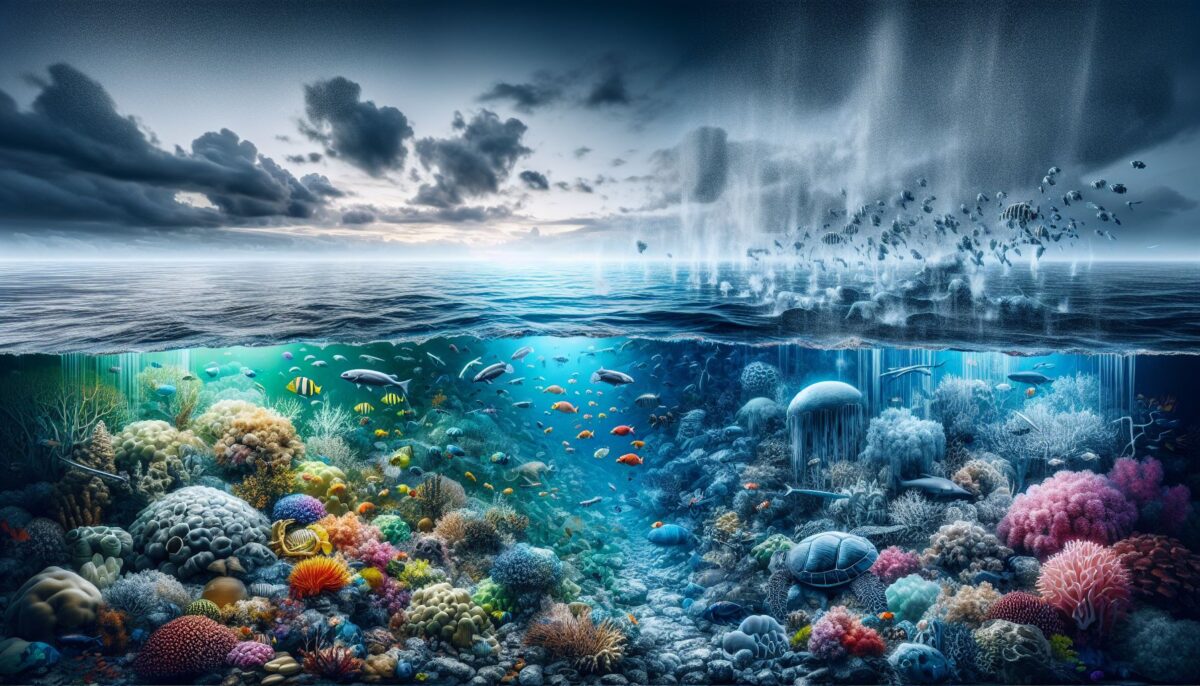
As you walk along a glistening shoreline, it’s easy to admire the vast beauty of the ocean and feel at peace with nature. However, beneath those waves lurks an invisible menace, one that’s slowly but steadily altering marine ecosystems and the biodiversity they harbor. This threat is ocean acidification, a complex process that is less obvious than oil spills or plastic pollution, yet its consequences are just as, if not more, concerning.

Ocean acidification may not be the most talked-about environmental issue, but it is one with potential ramifications that could affect not only marine life but also human life, economies, and cultural practices. In this comprehensive exploration, we’ll delve into what ocean acidification is, why it’s happening, its impacts on marine biodiversity, and what measures can be taken to mitigate its effects.

What is Ocean Acidification?

Ocean acidification is a term used to describe the ongoing decrease in the pH of the Earth’s oceans, caused by the uptake of carbon dioxide (CO2) from the atmosphere. Water and CO2 combine to form carbonic acid, which in turn releases hydrogen ions and lowers the pH of seawater, making it more acidic.

The Science Behind Acidification

Chemically speaking, when CO2 dissolves in seawater, it results in the following reaction:

CO2 (gas) + H2O (water) ↔ H2CO3 (carbonic acid) ↔ H+ (hydrogen ion) + HCO3− (bicarbonate)

The increase in hydrogen ion concentration is what leads to the lowering of the ocean’s pH. As we continue to emit significant amounts of CO2 into the atmosphere through the burning of fossil fuels, deforestation, and other industrial activities, the ocean absorbs a large proportion of it, thereby exacerbating the acidification process.

Historical Context and Trends

Previously, the ocean played a crucial role in moderating the climate by acting as a major sink for CO2, but human activities have significantly increased the rate at which CO2 is being released. According to the National Oceanic and Atmospheric Administration (NOAA), the amount of carbon dioxide absorbed by the upper layer of the oceans is increasing by about 2 billion tons per year.

Impact on Marine Biodiversity

The consequences of ocean acidification are far-reaching and particularly troubling for marine biodiversity.

  1. Shell-forming Organisms: Creatures like mollusks, coral, and certain plankton have difficulty forming their shells in acidic conditions. The calcium carbonate they rely on to create these structures dissolves more readily as pH levels drop. This affects their survival, growth, and structural integrity.

  2. Coral Reefs: Acidic waters hinder the growth of corals, weakening the foundations of coral reefs which are home to an estimated 25% of all marine species.

  3. Fish and Mammals: Fish may experience altered behavior and neurotransmitter functions in more acidic water, and the availability of prey could also be affected, thus disrupting food webs.

  4. Plankton: Changes in plankton populations can have a domino effect throughout the food chain since many marine organisms depend on plankton as a direct or indirect food source.

Broad Ecosystem Implications

The alteration of individual species and their development has a cumulative impact on ecosystems. Certain species may become more dominant while others diminish, leading to a loss of biodiversity. Complex relationships among organisms can be disturbed, which affects not only marine populations but also the humans who rely on the ocean for food, recreation, and industry.

Human Implications and Economic Impact

The implications for humans are significant as ocean acidification can impact fisheries, aquaculture, and any community that relies on the sea as a primary food resource. Areas heavily dependent on shellfish could face economic hardships, while the decline of coral reefs also threatens the tourism industry in many regions.

Mitigation and Adaptation Strategies

To combat ocean acidification and protect our marine ecosystems, global, regional, and individual strategies need to be considered.

  1. Reduce CO2 Emissions: The most effective way to combat ocean acidification is by reducing CO2 emissions on a global scale. This involves transitioning to renewable energy sources, implementing energy-efficient practices, and supporting policies aimed at mitigating climate change.

  2. Protect and Restore Ecosystems: Establishing marine protected areas and restoring habitats can help bolster resilience in marine populations, giving them a better chance to adapt to changing conditions.

  3. Research and Monitoring: Continued research is essential to understand the complexities of ocean acidification and to develop strategies to cope with its impacts. Monitoring programs can track changes in pH levels and the health of marine ecosystems.

  4. Public Education: Educating the public about the importance of the ocean’s health and the impact of their carbon footprint can lead to more informed decisions at the consumer and policy levels.

Conclusion

As the acidification of our oceans alters the fabric of marine life, we are reminded that the consequences of our actions extend beyond land. We must commit ourselves to understand and combat this pressing issue, for the sake of the ocean’s many inhabitants and our own.

Ocean acidification might be a silent process, but its effects are increasingly loud and clear. It’s not yet too late to change the tide of this threatening phenomenon, but it requires the concerted efforts of individuals, communities, nations, and the international community at large.

Sources

  1. National Oceanic and Atmospheric Administration (NOAA) – Ocean Acidification
  2. The Ocean Foundation – Ocean Acidification
  3. Intergovernmental Panel on Climate Change (IPCC) – Special Report on the Ocean and Cryosphere in a Changing Climate
The Intricate Dance of Ocean Currents: Vital Arteries of our Blue Planet

Oceans cover approximately 71% of the Earth’s surface and are integral to life as we know it. They play a critical role in shaping the climate, weather patterns, and the health of our global ecosystem. At the heart of the ocean’s influence on the Earth are the vast and complex networks of currents that circulate water around the globe. Understanding these currents is essential not only for navigational purposes but also for grasping the intricate balance that sustains marine life and impacts our climate. In this deep dive, we will explore the nature of ocean currents, their causes, their types, and their profound effects on the world.

Understanding Ocean Currents

Ocean currents are continuous, directed movements of seawater generated by a multitude of forces acting upon the water, including wind, temperature gradients, salinity, and the Earth’s rotation. The currents are the dominant controllers of the Earth’s climate by redistributing heat from the equator to the poles. They also aid in the transportation of nutrients and aquatic life, impact weather patterns, and even have a pivotal role in navigation and maritime trade.

The Drivers of Currents

Several key factors contribute to the formation and direction of ocean currents:

  • Wind: Surface currents are primarily driven by wind patterns. The Earth’s rotation results in the deflection of these winds (known as the Coriolis effect), which in turn steers currents on vast scales.

  • Thermohaline Circulation: Deep ocean currents are driven by differences in water density, governed by temperature (thermo) and salinity (haline). Cold, salty water is dense and sinks, creating a global conveyor belt that moves and mixes water around the oceans.

  • Gravitational Pull: Tidal currents are caused by the gravitational interaction between the Earth, Moon, and the Sun, resulting in the rise and fall of sea levels.

  • Topography: The shape of ocean basins and the presence of other geographical features such as underwater mountains and canyons can influence the flow and direction of currents.

  • Continental Configurations: The configuration of continents and the presence of narrow straits can also shape the pattern and flow of ocean currents.

Types of Ocean Currents

Ocean currents can be broadly classified into two categories:

  1. Surface Currents: These occupy the upper 400 meters (1,312 feet) of the ocean and are mostly driven by the wind. They are directly affected by the weather and can change with seasonal variations.

  2. Deep Water Currents: These are density-driven currents that occur deep within the ocean, moving much more slowly than surface currents. They are part of the thermohaline circulation, sometimes referred to as the global ocean conveyor belt.

The Impact of Ocean Currents

The influence of ocean currents is far-reaching and encompasses not just environmental aspects, but socio-economic ones as well.

Climate and Weather

Currents function as the Earth’s thermostat, regulating temperatures by carrying warm water toward the poles and cold water toward the equator. The Gulf Stream, for instance, warms the North Atlantic, leading to milder climates in Europe than would be expected at that latitude.

Marine Life

Currents also transport nutrients from the deep sea to surface waters, thus feeding phytoplankton and supporting intricate food webs. They can create areas of high productivity, such as upwelling zones found along the western coasts of continents.

Human Activity

From ancient times to the present, currents have guided sailors and shaped maritime routes. Understanding currents is fundamental to safe and efficient navigation. Additionally, currents have environmental impacts, such as dispersing pollutants or helping restore depleted fishing grounds.

Risks and Challenges

While currents sustain life, they can also pose dangers. Strong or unpredictable currents can be treacherous for swimmers, divers, and mariners. Furthermore, they can concentrate harmful materials like oil spills or marine debris, intensifying their impact on specific areas.

Mapping the Currents: Tools and Techniques

Over the centuries, our understanding of ocean currents has greatly improved thanks to advancements in technology and oceanography. Today, currents are mapped using a combination of:

  • Satellites: Space-based observations allow scientists to measure the height of the sea surface and the temperature of the ocean, which help infer current patterns.
  • Buoys and Floats: Deployed across the oceans, these instruments directly measure the speed and direction of currents.
  • Ship-based Measurements: Vessels equipped with sensors can take measurements of currents as they travel, adding valuable data to our knowledge base.

The Future of Ocean Current Research

With climate change affecting ocean temperatures and polar ice melt altering the salinity of seawater, currents could face significant changes. This could disrupt weather patterns and marine ecosystems, emphasizing the need for ongoing research and monitoring.

Sources

  1. National Oceanic and Atmospheric Administration (NOAA) – Comprehensive information about ocean currents and their implications on the marine ecosystem and climate.
  2. Intergovernmental Panel on Climate Change (IPCC) – Reports on how climate change affects ocean currents.
  3. United Nations Division for Ocean Affairs and the Law of the Sea (DOALOS) – Resources on legal frameworks around international waters, which are directly affected by ocean current patterns.

Understanding and preserving the natural flow of ocean currents are vital for maintaining the balance of our planet’s climate and ecosystem. Their silent, relentless movement beneath the ocean’s surface is a pivotal force upon which so much of life on Earth depends. Whether it is by regulating climate, nurturing marine life, or guiding human commerce, ocean currents are indeed the vital arteries of our blue planet.

Unveiling the Blue Economy: An Ocean of Opportunities

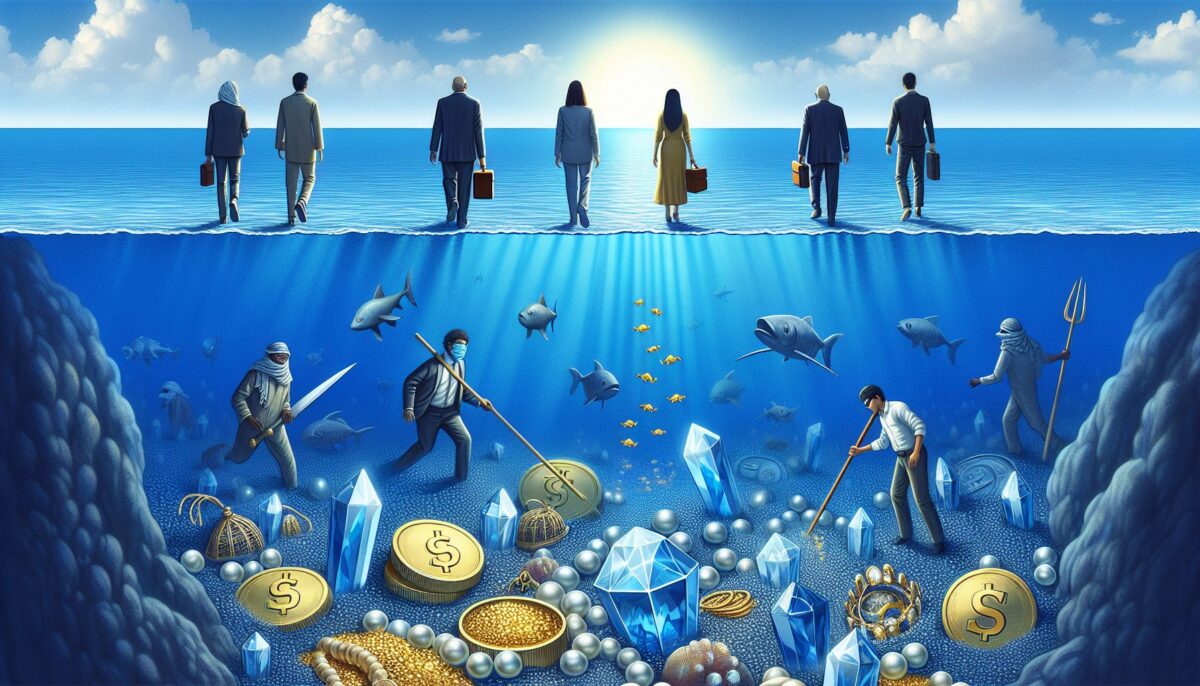
The ocean has always been a source of mystery, inspiration, and sustenance for humanity. It has paved the way for exploration, acted as a highway for commerce, and it has been the cradle of life since time immemorial. One term that has increasingly been making waves in discussions about oceans and seas is the “Blue Economy.” But what exactly is it? Let’s dive into a comprehensive exploration of the Blue Economy, its components, and its significance for the future of our planet and society.

What is the Blue Economy?

The Blue Economy refers to the sustainable use of ocean resources for economic growth, improved livelihoods, and jobs, while preserving the health of ocean ecosystems. It encompasses a vast range of industries, including fisheries, maritime transport, renewable energy, and tourism, to name a few.

Fisheries and Aquaculture

The fishing industry, along with aquaculture, represents a significant portion of the Blue Economy. The United Nations Food and Agriculture Organization (FAO) reports that billions of people globally depend on fish for protein, with fisheries and aquaculture supporting the livelihoods of at least 10-12% of the world’s population. Sustainable practices in these sectors are vital for ensuring food security and preventing the depletion of marine life.

Maritime Transport and Shipping

Maritime transport is another crucial component of the Blue Economy. Over 90% of the world’s trade is carried by sea, highlighting the importance of shipping and ports in the global economy. Advanced navigation, improved safety standards, and green shipping technologies are making this sector more environmentally friendly and efficient.

Renewable Energy

The blue economy also looks toward harnessing ocean resources for renewable energy. Tidal energy and wave energy technologies are under development with the potential to supply a significant amount of clean power. Offshore wind farms have already proven to be a successful and fast-growing segment of renewable energy.

Coastal Tourism

Tourism is a substantial part of the Blue Economy, particularly in coastal regions. Protected beaches, coral reefs, and marine wildlife offer opportunities for recreation and education, driving economic growth in local communities. Sustainable tourism practices are necessary to ensure that the draw of natural beauty does not lead to its demise.

The Environmental Pillar of the Blue Economy

The Blue Economy is inherently linked to the environmental health of the oceans. Initiatives such as marine protected areas, reduction of marine pollution, and efforts to combat ocean acidification and coral bleaching are all part of ensuring a sustainable use of the oceans. Without a healthy marine environment, the economic activities that depend on it cannot thrive.

Marine Protected Areas

Marine Protected Areas (MPAs) are regions of the ocean where human activities are more rigorously managed than the surrounding waters to protect natural or cultural resources. MPAs are a cornerstone for biodiversity conservation, providing safe havens for marine life to thrive.

Combatting Marine Pollution

Marine pollution, including plastic debris, oil spills, and chemical runoffs, poses a significant threat to the marine environment. Efforts to reduce pollution are an essential element of the Blue Economy, aiming to safeguard the oceans’ capacity to support life and economic activities.

Addressing Ocean Acidification

The increasing concentration of atmospheric CO₂ is affecting the chemistry of the ocean, causing ocean acidification, which can harm shellfish, corals, and other calcifying species. Mitigating climate change and reducing CO₂ emissions are vital to protecting the ocean’s pH balance.

Economic Benefits of the Blue Economy

The Blue Economy holds the promise of economic growth and job creation while ensuring that the ocean’s resources are utilized sustainably. It is particularly important for developing nations with extensive coastlines. The World Bank estimates that the Blue Economy could have a combined economic output of $3 trillion per year and support more than 350 million jobs by 2030.

Challenges and Considerations

The transition to a Blue Economy requires overcoming numerous challenges, including governance issues, conflicting uses of marine resources, the need for investment in sustainable practices, and balancing economic benefits with environmental protection. Coastal management policies and international collaboration are critical to addressing these challenges.

Conclusion

The Blue Economy offers an ocean of opportunities for sustainable development, economic growth, and environmental stewardship. It is a multifaceted and interconnected concept that holds the promise of a prosperous future for both humanity and the marine world.

By tapping into the sustainable potential of the seas, we can foster a resilient economy that not only provides for the present but also safeguards the rich marine life for future generations. The real challenge lies in our ability to transform the Blue Economy from an abstract concept into a tangible reality, where conservation and economic progress go hand in hand.

Sources

The Rhythmic Pulse of the Sea: Tides and Their Role in Earth’s Coastal Symphony

The ocean is Earth’s beating heart, its rhythmic pulse felt along every coastline in the form of tides. The ebb and flow of tides shape our coastlines, influence marine ecosystems, and have profound impacts on human activities. In this exploration of over 1,500 words, we’ll dive deep into the world of tides, from their origins and types to their effect on the environment and human endeavors. Prepare to be swept away by the fascinating tidal forces that govern the interplay between land and sea.


Tides: A Gravitational Ballet

To understand tides, one must look up to the heavens. The gravitational pull of the moon, and to a lesser extent the sun, orchestrates tidal movements. When the moon is closest to a part of Earth, the sea beneath it bulges toward it, creating what is known as a high tide. Conversely, on the side of the Earth farthest from the moon, inertia causes the water to bulge outward, creating another high tide; the areas in between experience low tides.

Spring and Neap Tides

The interplay between the sun and moon gives rise to two significant types of tides – spring and neap tides. During new and full moons, the sun, Earth, and moon align, their combined gravitational forces resulting in spring tides, which are higher and lower than average. Conversely, during the moon’s quarter phases, it forms a right angle with the sun, leading to neap tides, which boast less extreme differences between high and low tides.

Understanding this celestial dance is crucial for various human activities, such as coastal navigation and fishing. Websites like the National Oceanic and Atmospheric Administration (NOAA) Tides & Currents provide vital information for those who rely on the sea’s rhythms (https://tidesandcurrents.noaa.gov/).


The Tidal Phenomena

Tides are more than just the rise and fall of sea levels. They’re also creators of various natural phenomena, each playing a unique role in the life of our coasts and oceans.

Tidal Currents

As tides move in and out, they generate tidal currents – streams of water that can be incredibly powerful. These currents are essential for ships entering and leaving ports and have been used for centuries as natural highways upon the sea.

Tidal Flats and Estuaries

Tides also create tidal flats, areas flooded and exposed with each tidal cycle. These rich ecosystems are nurseries for many marine species and crucial feeding grounds for migratory birds. Furthermore, estuaries – where rivers meet the sea – are greatly influenced by tides, distributing nutrients and sediments essential for sustaining diverse habitats.


The Ecological Significance of Tides

Intertidal Zones

The intertidal zone, the area between high and low tide, is a world of survival and adaptation. Organisms here, such as barnacles, mussels, and various crustaceans, have evolved to withstand immense physical stress from waves and changing salinity and temperature.

Marine Life Cycles

Many marine species, from the diminutive plankton to the colossal blue whale, have life cycles and behaviors synchronized with the tides. For instance, some fish spawn on specific tide cycles, ensuring their offspring are carried to safer waters.

The Nutrient Pump

Tides serve as a massive nutrient pump, moving water in and out of coastal areas, replenishing nutrients and oxygen. This process sustains vast populations of phytoplankton, which form the base of the marine food web and produce much of the world’s oxygen.


Human Interactions with Tides

Coastal Communities and Tide Prediction

Coastal communities have been tied to the rhythms of the tides since their inception. The ability to predict tides is vital for everything from building coastal infrastructure to search and rescue operations. Organisations like the UK Hydrographic Office provide tidal predictions critical for maritime safety (https://www.admiralty.co.uk/).

Renewable Energy: Tidal Power

The predictable nature of tides has been harnessed for generating renewable energy. Tidal power stations, like the Rance Tidal Power Station in France, convert the energy of moving tidal waters into electricity, providing a consistent and sustainable energy source.

Tidal Influence on Maritime Trade

Maritime trade relies heavily on tides for the safe passage of cargo ships. Tides determine when a ship can enter or leave a port and affect how heavily a ship can be loaded, directly impacting global trade efficiency.


Tides Facing Modern Challenges

Climate Change and Rising Sea Levels

Climate change and the associated sea-level rise alter tidal dynamics, leading to increased flooding and altering coastal ecosystems. As sea levels rise, tidal ranges and the power of tidal currents can change, necessitating updated management strategies for affected areas.

Coastal Erosion

Increased storm activity and sea-level rise can intensify coastal erosion. Tides contribute to this process by carrying away sand and soil during strong tidal flows, posing a threat to coastal structures and habitats.

The Need for Coastal Management

Effective coastal management, considering tidal effects, is necessary to protect human lives and preserve ecosystems. Initiatives like integrated coastal zone management (ICZM) aim to balance human activities with the need to conserve coastal and marine areas.


Conclusion: Respect and Understanding for Our Tidal World

Tides are an emblem of nature’s predictable yet powerful forces that shape our world’s shorelines and marine ecosystems. As we strive to comprehend and respect their influence, we unlock a deeper appreciation for the complex symphony of life, climate, and geography that is our ocean.


References

  1. National Oceanic and Atmospheric Administration (NOAA) – Tides & Currents, https://tidesandcurrents.noaa.gov/
  2. UK Hydrographic Office – Admiralty Tidal Prediction, https://www.admiralty.co.uk/
  3. Rance Tidal Power Station, https://www.britannica.com/technology/tidal-power/Tidal-power-stations

With a deeper understanding of tides, we can better safeguard our coasts, harness the ocean’s energy, and protect the myriad life forms that rely on this ancient, timeless dance of the seas.

Unveiling the Mysteries of Marine Biodiversity: A Deep Dive into the Richness of Ocean Life

The ocean, a majestic and expansive body of water, covers more than 70% of our planet’s surface, shaping the Earth’s climate and geography. But, beyond its surface lies a complex and diverse tapestry of life—the marine biodiversity. In this comprehensive look at marine biodiversity, we explore not just the array of species that call the ocean home, but also the crucial role they play in maintaining environmental balance and the threats they face in the modern world.

What is Marine Biodiversity?

Marine biodiversity refers to the variety and variability of life forms within ocean ecosystems, including species diversity, genetic diversity, and ecological diversity. This encompasses everything from microscopic plankton to the largest whales, and from the surface waves to the darkest depths of the ocean trenches. The molecular diversity and intricate interactions between these organisms contribute to the ocean’s robust and intricate ecosystems.

The Significance of Marine Biodiversity

Understanding the importance of marine biodiversity is key to appreciating why we must strive to protect it.

Ecological Balance:
Marine species play specific roles in their ecosystems, such as predators, prey, or ecosystem engineers that modify their habitats. For example, coral reefs provide shelter and breeding grounds for numerous marine organisms.

Economic Value:
Many coastal communities depend on marine biodiversity for their livelihoods through fisheries and tourism. Additionally, marine organisms are sources of new pharmaceuticals and are essential in biotechnology research.

Climate Regulation:
The ocean absorbs vast amounts of carbon dioxide from the atmosphere, and marine plants and algae produce oxygen. This helps to regulate the global climate.

Discovering the Richness of Marine Life

Let’s plunge into the various realms that make up the ocean’s living network.

Plankton: The Ocean’s Foundation

Plankton, both phytoplankton (plant-like) and zooplankton (animal-like), are microorganisms that drift with ocean currents. They form the basis of the marine food web, with phytoplankton utilizing photosynthesis to convert sunlight into energy.

Coral Reefs: The Rainforests of the Sea

Coral reefs are the most diverse of all marine ecosystems, often referred to as ‘rainforests of the sea.’ They harbor thousands of species of fish, invertebrates, and other organisms within their intricate structures.

Deep-Sea Habitats: A Realm of Mysteries

The deep sea remains one of the least explored areas on Earth, with hydrothermal vents and cold seeps hosting unique life forms that thrive in extreme conditions.

Coastal and Estuarine Ecosystems: Biodiversity Hotspots

Coastal areas, including estuaries, mangroves, and salt marshes, are among the most productive ecosystems on Earth. They serve as nurseries for many marine species and are crucial for maintaining fish populations.

The Open Ocean: A Vast Wilderness

The open ocean or pelagic zone is a vast area that occupies the largest volume of the Earth’s surface. Its inhabitants range from tiny copepods to gigantic blue whales, and it includes both the sunlit surface layers and the darker, pressure-intense deep waters below.

Source 1: NOAA – National Oceanic and Atmospheric Administration

Threats to Marine Biodiversity

Despite its vastness, the world’s oceans are facing significant threats that are causing unprecedented changes to marine biodiversity.

Overfishing and Unsustainable Fisheries

Overfishing has led to the depletion of many fish stocks, significantly altering marine ecosystems. Unsustainable fishing practices also cause unintended damage to non-target species and habitats.

Climate Change and Ocean Acidification

Increasing levels of greenhouse gases are causing ocean temperatures to rise, leading to coral bleaching and other stresses on marine life. The oceans also absorb carbon dioxide, leading to acidification, which affects the ability of organisms like shellfish and corals to build their calcium carbonate structures.

Pollution and Marine Debris

Marine pollution, including plastic debris, chemicals, and oil spills, poses a direct threat to marine organisms through ingestion, entanglement, and habitat degradation.

Habitat Destruction

Coastal developments, destructive fishing practices, and other human activities lead to the loss of crucial habitats like coral reefs, mangroves, and seagrass beds.

Invasive Species

The introduction of non-native species can disrupt local ecosystems, outcompete native species, and alter the natural balance of marine environments.

Source 2: WWF – World Wildlife Fund

Conservation Efforts and Sustainable Practices

Combatting the threats to marine biodiversity requires global action and local commitment. Here’s what’s being done:

Marine Protected Areas (MPAs)

MPAs are regions of the ocean where human activities are managed and regulated to conserve the natural environment. These areas help preserve biodiversity, rebuild fish stocks, and protect critical habitats.

Sustainable Fisheries Management

Implementing sustainable fishing practices, such as catch limits, gear restrictions, and bycatch reduction, helps ensure that marine species are not overexploited.

Pollution Reduction Initiatives

Projects aimed at reducing the input of pollutants into the ocean, including plastic waste management and stricter controls on chemical discharges.

Climate Change Mitigation

Efforts to reduce greenhouse gas emissions on a global scale are critical for protecting the ocean’s biodiversity. Additionally, promoting ocean resilience through the protection of key ecosystems can help marine life adapt to changing conditions.

Education and Public Awareness

Educating people about the importance of marine biodiversity and how their actions can make a difference plays a vital role in fostering long-term conservation efforts.

Source 3: IUCN – International Union for Conservation of Nature

The Role of Science and Technology in Understanding Marine Biodiversity

Advancements in marine biology, oceanography, and technology are essential for exploring, monitoring, and protecting the ocean’s biodiversity.

Marine Biology and Ecology Research

Scientists study the interactions within marine ecosystems to inform conservation strategies and predict responses to environmental changes.

Remote Sensing and Monitoring

Satellite imagery and autonomous underwater vehicles (AUVs) provide valuable data on large-scale oceanic processes and the distribution of marine life.

Genetic and Genomic Studies

Genetic research helps preserve the genetic diversity within populations, essential for adaptation and resilience against environmental pressures.

The Blue Economy: Sustainable Use of Ocean Resources

The blue economy refers to the sustainable use of ocean resources for economic growth, improved livelihoods, and jobs while preserving the health of the ocean ecosystem. It encompasses industries such as sustainable fishing, renewable energy (tidal and wave energy), and eco-tourism, all working towards a balance between development and conservation.

Conclusion: Our Ocean, Our Responsibility

Marine biodiversity is a global treasure with vital importance for environmental balance, economic sustainability, and human well-being. It is our collective duty to understand, cherish, and protect this rich tapestry of life beneath the waves. Through informed policies, responsible practices, and a commitment to conservation, we can ensure that the ocean’s vibrant diversity endures

The Vital Role of Coral Reefs in Marine Ecology and Human Society

Coral reefs, often referred to as the “rainforests of the sea,” are among the most diverse and valuable ecosystems on Earth. These underwater structures are more than just beautiful underwater landscapes; they are critical to marine life and provide various ecosystem services that are essential for the wellbeing of human society. In this article, we will delve deep into the world of coral reefs, exploring their ecological role, threats they face, and the importance of their conservation. Additionally, we’ll examine innovative solutions for reef conservation and restoration.

Understanding Coral Reefs

What Are Coral Reefs?

Coral reefs are made up of colonies of tiny animals known as coral polyps, which are related to jellyfish and anemones. These polyps secrete calcium carbonate, which forms the structure of the reefs. This living, breathing ecosystem is not just a single entity; it’s a symbiotic partnership between the coral polyps and microscopic algae called zooxanthellae, which live within the corals’ tissues and provide them with their vibrant colors.

The Diverse Marine Life of Coral Reefs

Coral reefs are biodiversity hotspots, home to an estimated 25% of all marine species despite covering less than 1% of the ocean floor [1]. Fish, crustaceans, mollusks, sponges, and many other sea creatures depend on these ecosystems for food, shelter, and breeding grounds.

Importance of Coral Reefs

Ecosystem Services

Coral reefs provide a range of ecosystem services, including:

  • Food provision: They are the primary source of protein for millions of people.
  • Coastal protection: Reefs act as natural barriers, absorbing the energy of waves and helping to protect coastlines from erosion and storm surges.
  • Economic value: Through tourism, fishing, and other activities, coral reefs contribute to the livelihoods of millions of people.
  • Biomedical resources: They are a source of new medicines for a variety of ailments such as cancer, arthritis, and bacterial infections.

Cultural Significance

In many coastal and island cultures, coral reefs hold spiritual and cultural significance. They feature in traditions and beliefs, contributing to the identity and heritage of these communities.

Threats to Coral Reefs

Climate Change and Coral Bleaching

One of the most significant threats to coral reefs is climate change, which causes ocean warming and coral bleaching. Bleaching occurs when corals, stressed by high water temperatures, expel their symbiotic algae, leading to a loss of color and, most importantly, a critical source of energy for the coral. Repeated bleaching events can be fatal for the reefs [2].

Ocean Acidification

The increased absorption of carbon dioxide by the oceans, a byproduct of burning fossil fuels, leads to ocean acidification. This process reduces the availability of carbonate ions that corals need to build and maintain their calcium carbonate skeletons.

Overfishing and Destructive Fishing Practices

Overfishing can throw reef ecosystems out of balance, while destructive practices like blast fishing can cause physical damage to the coral structure itself.

Pollution

Land-based sources of pollution, such as agricultural runoff and sewage, can introduce nutrients that disturb the ecological balance, causing harmful algal blooms and reducing water quality.

Coastal Development

Rapid coastal development can lead to sedimentation and the destruction of reef habitats. Without proper management and consideration, construction and tourism can severely impact the health of coral reefs.

Conservation and Restoration of Coral Reefs

To address the myriad threats to coral reefs, conservation and restoration efforts are essential. Some of these efforts include:

Marine Protected Areas (MPAs)

Establishing MPAs can help to manage and protect coral reefs from overfishing and other harmful activities, allowing ecosystem recovery and conservation of biodiversity [3].

Coral Farming and Reef Restoration

Coral farming involves growing corals in underwater nurseries and then transplanting them to damaged reef areas. Reef restoration projects also use techniques such as 3D printing to create artificial structures on which corals can grow.

Sustainable Tourism

Implementing sustainable tourism practices ensures that the economic benefits of coral reefs do not come at the expense of their health. This includes education and regulation of tourist activities around reefs.

Climate Action

Addressing the root causes of climate change by adopting renewable energies, reducing carbon emissions, and promoting conservation can alleviate the stress on coral reefs.

Pollution Control

Efforts to control pollution, including proper sewage treatment and regulations on agricultural runoff, are critical to maintaining water quality near coral reefs.

The Future of Coral Reefs

The survival of coral reefs is not only an environmental imperative but also a socioeconomic necessity. As climate change accelerates and pressures on marine ecosystems grow, the need for comprehensive and concerted global actions to protect and restore coral reefs becomes more urgent. Only through understanding their value and the threats they face, can we develop the strategies necessary to ensure their future.

Coral reefs have demonstrated an incredible resilience, but they are increasingly vulnerable. By supporting marine protected areas, engaging in restoration projects, and promoting sustainable practices, we can help these vital ecosystems thrive for generations to come. The preservation of coral reefs is a testament to our broader commitment to the stewardship of our planet’s natural treasures.

In conclusion, coral reefs demand our attention, respect, and proactive conservation. They are not only critical for the health of the oceans but also for human societies around the world. The future of coral reefs is inseparable from the future of humankind, and it is our collective responsibility to ensure that both have a thriving and sustainable future.


References:

  1. Knowlton, N. (2013). Coral reefs. In S. A. Levin (Ed.), Encyclopedia of Biodiversity (2nd ed., Vol. 2, pp. 364-375). Academic Press. https://www.ncbi.nlm.nih.gov/pmc/articles/PMC3644293/
  2. Intergovernmental Panel on Climate Change. (2014). Climate Change 2014: Impacts, Adaptation, and Vulnerability. https://www.ipcc.ch/report/ar5/wg2/coral-reefs/
  3. Marine Conservation Institute. (n.d.). Marine Protected Areas. https://www.conservationgateways.com/ConservationPractices/Marine/CoralReefs/management/Pages/Marine-Protected-Areas.aspx

Understanding and Preserving Marine Life Through Conservation Efforts

Marine life comprises a diverse community of organisms that inhabit the vast and varied habitats of our world’s oceans. From microscopic plankton to the colossal blue whale, the ocean is teeming with life, each species playing a crucial role in the complex marine ecosystem. However, with increasing threats such as overfishing, habitat destruction, pollution, and climate change-induced issues like ocean acidification and coral bleaching, the need for marine conservation has never been more critical. In this article, we will delve into the wonders of marine life, the challenges it faces, and the conservation efforts that are vital for its survival.

Overview of Marine Life

Marine life is incredibly diverse and can be found at all depths, from the sunlit surface waters teeming with plankton to the mysterious and often unexplored depths of the abyssal plains. Marine organisms vary significantly in size, shape, and lifestyle, with some species living solitary lives while others form complex societies.

The Planktonic Foundation

At the base of the marine food web lies plankton – tiny organisms that drift in ocean currents. Phytoplankton, the plant-like component of plankton, performs photosynthesis and provides a significant portion of the Earth’s oxygen. Zooplankton, meanwhile, includes microscopic animals that feed on phytoplankton and are, in turn, a crucial food source for larger animals.

Invertebrates and Fishes

Further up the food web, we find an astounding array of invertebrates such as corals, sponges, jellyfish, and crustaceans, each occupying specific niches. Bountiful fish species range from the small, colorful inhabitants of coral reefs to the large, migratory species such as tuna and sharks that cover vast oceanic distances.

Marine Mammals and Others

Marine mammals, including whales, dolphins, seals, and manatees, are warm-blooded vertebrates that have adapted to life in the ocean. Seabirds and marine reptiles like turtles also depend on the ocean for food and nesting grounds, further illustrating the ocean’s widespread influence on life on Earth.

Threats to Marine Life

Marine ecosystems face a slew of threats that endanger the delicate balance of life within them. The primary challenges include:

  • Overfishing: Depletes fish stocks faster than they can replenish, leading to declining populations and disrupted food webs.
  • Habitat Destruction: Coastal development, bottom trawling, and other activities destroy essential habitats like coral reefs and mangrove forests.
  • Pollution: Marine debris, nutrient runoff, and toxic substances like oil and heavy metals pollute the seas, affecting marine life health.
  • Climate Change: Rising sea temperatures, ocean acidification, and sea-level rise impact species distribution, reproduction, and overall ecosystem health.

Conservation Efforts

Conservationists, scientists, and policymakers worldwide are working to address these threats through a combination of research, legislation, and actions such as:

  • Establishing Marine Protected Areas (MPAs): These areas are set aside to conserve marine habitats and biodiversity. MPAs limit human activities, allowing ecosystems to recover and regenerate.
  • Promoting Sustainable Fishing Practices: Restricting certain fishing gear, implementing quotas, and ensuring the traceability of seafood can help prevent overfishing.
  • Reducing Pollution: International treaties and regulations like the MARPOL Convention seek to minimize marine pollution from ships and other sources.
  • Addressing Climate Change: Efforts to reduce greenhouse gas emissions globally are crucial for protecting the ocean from the worst effects of climate change.

Ongoing Research

Research plays a critical role in effective marine conservation. Scientists study various aspects of marine life and ecosystems to understand better their functioning, resilience, and responses to human impacts.

  • Oceanography: This field explores the physical and chemical properties of the ocean, providing insights into patterns like currents and nutrient cycles that support marine life.
  • Marine Biodiversity: Researchers catalog and monitor the myriad species that comprise the marine ecosystem to track health and identify conservation priorities.
  • Genetics: Understanding the genetic diversity within marine species can inform strategies to protect them against diseases and environmental changes.

The Role of Citizen Science and Education

Contributions from the public through citizen science initiatives help gather valuable data on marine life, often leading to significant scientific discoveries and conservation outcomes. Education and awareness-raising about the oceans and their inhabitants encourage sustainable behaviors and inspire the next generation of marine biologists and conservationists.

Conclusion: A Call to Action

Protecting the richness of marine life is not only an ethical imperative but also a practical necessity for the health of our planet. Vibrant oceans contribute to global food security, climate regulation, and economies. Each of us has a role to play in marine conservation, from reducing our carbon footprints and plastic use to supporting organizations and policies that focus on ocean health.

As we move forward, it’s imperative that conservation efforts are inclusive and global, involving all stakeholders, from local communities who rely on the sea for their livelihoods to international bodies that govern maritime activities. Only through collaborative efforts can we ensure a sustainable future for the diverse and spectacular marine life that calls our oceans home.

Sources:

  1. United Nations – The Ocean Conference: [https://www.un.org/en/conferences/ocean2020]
  2. Marine Conservation Institute: [https://marine-conservation.org/]
  3. International Maritime Organization (IMO) – MARPOL: [http://www.imo.org/en/OurWork/Environment/Pages/MARPOL.aspx]

Navigating the Depths of Marine Pollution: A Deep Dive into the Ocean’s Perilous Plight

The ocean is a vast and wondrous place, a seemingly boundless expanse that ignites the imagination and sustains life on Earth. It covers more than 70% of our planet’s surface and is integral to the climate system, to global ecosystems, and to human societies. Yet beneath the tranquil surface of the world’s oceans lies a crisis of immense proportions: marine pollution.

In this article, we delve into the murky waters of marine pollution, examining its causes, its effects on marine life and human health, and the various international and local measures being taken to combat this ever-growing problem. As you read on, allow the gravity of this subject to sink in and reflect upon the part each of us plays in both the problem and its potential solutions.

Understanding Marine Pollution

Marine pollution can be described as any harmful substance that enters the ocean, disrupting the delicate balance of marine ecosystems and posing threats to marine organisms and humans alike. These harmful substances include plastics, oil, industrial and agricultural chemicals, and many others.

Sources of Marine Pollution

Pollution in the ocean can come from various sources, but they are often categorized into two main groups:

  • Point Source Pollution: Clear, identifiable sources such as oil spills from a tanker or discharge from a factory directly into the water.

  • Nonpoint Source Pollution: Pollution that does not have a specific point of entry and can come from multiple sources, like agricultural runoff, urban runoff, or atmospheric deposition.

These pollutants can affect every level of the ocean’s food web, from microscopic plankton to the mightiest whales.

Pollution’s Dreadful Impact on Marine Ecosystems and Biodiversity

The deleterious effects of marine pollution are widespread. When pollutants enter the ocean, they can:

  1. Harm Marine Life: Toxic substances can kill marine organisms directly or accumulate in their tissues, leading to diseases and reproductive problems.

  2. Destroy Habitats: Pollution can damage coral reefs and other critical habitats, reducing biodiversity and altering marine ecosystems.

  3. Disrupt Food Webs: Toxins can work their way up the food chain, ultimately affecting the entire ecosystem and potentially entering the human diet.

Human Health Concerns

The effects of marine pollution aren’t limited to ocean habitats and marine life. They also extend to human health through:

  1. Contaminated Seafood: Pollutants in fish and shellfish can pose serious risks when consumed by humans.

  2. Polluted Beaches: Trash and other pollution on beaches can impact tourism and recreational activities, as well as human health through contact with contaminated water or sand.

Economic Costs

The impact of marine pollution also carries a significant economic burden due to:

  1. Loss of Revenue: Pollution can lead to losses in fisheries, tourism, and other marine industries.

  2. Clean-up Efforts: The cost of removing pollutants and restoring ecosystems can be astronomical.

Tackling the Problem: Efforts and Challenges

As awareness of the severity of marine pollution grows, so do the efforts to address it. These efforts include:

International Agreements

  • The London Convention and Protocol: An international maritime agreement aiming to prevent marine pollution by regulating the dumping of waste into the sea[^1].

  • MARPOL Treaty: An international convention developed by the International Maritime Organization (IMO) to prevent marine pollution from ships[^2].

Local and Regional Strategies

  • Beach Cleanups: Organized events to remove trash from beaches and coastal areas.

  • Plastic Reduction Initiatives: Bans on single-use plastics and other measures designed to reduce plastic waste.

  • Education and Outreach: Programs aimed at increasing public awareness about the causes and consequences of marine pollution.

Technological Innovations

  • Advanced Filtration Systems: Technologies designed to remove pollutants from wastewater before they can reach the ocean.

  • Bioremediation: The use of organisms, such as bacteria, to clean up contaminants in the ocean.

Overcoming Barriers to Progress

Despite these measures, combating marine pollution remains an uphill battle due to various impediments:

  • Lack of Global Enforcement: International treaties are only as effective as their enforcement, which can be inconsistent.

  • Economic Incentives: Financial considerations often take precedence over environmental protection, especially in countries with fewer resources for enforcement and clean-up.

  • Changing Behavior: Reducing pollution involves altering human behavior, which can be a slow and difficult process.

Advancing Toward a Cleaner Ocean

In the face of these challenges, there are promising avenues for progress:

  • Education: Increasing knowledge about the ocean’s role and the effects of pollution can inspire changes in behavior.

  • Innovative Solutions: Emerging technologies promise more effective clean-up and prevention methods.

  • Collaboration: Greater cooperation between nations, NGOs, and the private sector is essential for addressing marine pollution at a global scale.

An Urgent Call for Action

The state of our oceans is a testament to the collective impact of human activities. Marine pollution is not a problem that belongs to any single nation or generation; it is a dilemma that affects us all. Urgent and sustained action, driven by scientific understanding and a sense of shared responsibility, is required to turn the tide on marine pollution.

How You Can Help

Each one of us can contribute to the solution:

  1. Reduce Plastic Use: Opt for reusable products instead of single-use plastics.

  2. Proper Waste Disposal: Ensure that your trash is disposed of correctly to prevent it from entering the ocean.

  3. Support Conservation Efforts: Contribute time or resources to organizations that work to protect the oceans.

Conclusion

The issue of marine pollution is vast and complex, intertwining ecological, health, and economic concerns with the intrinsic value of nature itself. Oceans, once thought to be the ultimate sink that could dilute and absorb limitless waste, have shown signs of vulnerability and imbalance. With concerted effort and heightened awareness, we can make strides toward cleaner, healthier oceans for future generations to enjoy.

The path to healthier oceans is not a solitary expedition but a collective voyage—one in which every action, no matter how small, can contribute to a larger positive impact on the seas that sustain us all.

[^1]: International Maritime Organization (IMO) – The London Convention and Protocol
[^2]: International Maritime Organization (IMO) – MARPOL – Marine Pollution

The Rising Tide of Oceanography: Unveiling the Mysteries of the Deep Blue

The ocean, a vast and enigmatic expanse, has captivated humanity for millennia. The allure of its boundless waters, complex ecosystems, and the life it harbors has spurred a variety of scientific endeavors aimed at understanding and preserving this vital component of our planet. Among the numerous fields of study, oceanography stands out as a pivotal discipline, providing insights into the ocean’s dynamics, its relationship with Earth’s climate, and the myriad of organisms that call it home. In this comprehensive article, we will delve into the depths of oceanography, exploring its importance, the technology driving it forward, and the challenges it faces amid the changing climate.

Contents:

  1. Understanding Oceanography
  2. Technology in Ocean Exploration
  3. Oceanography and Climate Change
  4. The Challenge of Ocean Pollution
  5. Preserving Marine Biodiversity
  6. The Future of Oceanography
  7. Conclusion
  8. Sources

Understanding Oceanography

Oceanography is the science of oceans, encompassing the physical, chemical, biological, and geological aspects of the marine environment. It is divided into several branches:

  • Physical oceanography: Studies the properties and dynamics of ocean currents, waves, and tides.
  • Chemical oceanography: Examines the chemical composition of seawater and the biochemical cycles within the ocean.
  • Biological oceanography: Focuses on the diversity of marine organisms and their ecosystems.
  • Geological oceanography: Explores the structure of the seafloor and the processes shaping it.

Oceanography is not a standalone discipline; it intersects with other scientific fields such as meteorology, climate science, and ecology, making it a multidisciplinary endeavor.

Technology in Ocean Exploration

To unravel the secrets of the ocean, scientists employ a variety of cutting-edge technologies:

  • Submersibles and ROVs (Remotely Operated Vehicles): These vehicles can withstand extreme pressures and temperatures, allowing researchers to reach the ocean’s most inaccessible regions.
  • Satellites: Providing a bird’s eye view, satellites help in mapping the oceans, tracking sea surface temperatures, sea level rise, and monitoring ocean currents.
  • Acoustic technology: Sonar systems map the seafloor, while hydrophones listen to the movements of marine life and geological events.
  • Data buoys: These floating devices collect a wealth of data ranging from temperature to salinity, contributing to our real-time understanding of ocean conditions.

These technological advancements have expanded our ability to monitor marine environments, enabling better predictions of phenomena like El Niño events, hurricanes, and tsunamis.

Oceanography and Climate Change

Oceanography plays a crucial role in understanding climate change:

  • Ocean currents act as conveyer belts, redistributing heat around the globe and affecting weather patterns.
  • The ocean is a major carbon sink, absorbing about 30% of CO2 emitted by human activities, which has led to issues such as ocean acidification.
  • Melting ice caps and glaciers, as a result of global warming, contribute to sea level rise, threatening coastal communities.

Researchers rely on oceanographic data to predict how climate change will continue to impact these processes, critical for the development of mitigation and adaptation strategies.

The Challenge of Ocean Pollution

Marine pollution is a growing concern:

  • Plastic debris is a significant pollutant, with millions of tons entering the ocean annually, harming wildlife and ecosystems.
  • Oil spills, such as the Deepwater Horizon disaster, have severe, lasting effects on marine and coastal environments.
  • Chemical pollutants, including agricultural runoff and industrial waste, contribute to the degradation of marine habitats.

Oceanographers are at the forefront of tracking pollution levels and understanding how these contaminants move through and impact marine ecosystems.

Preserving Marine Biodiversity

The ocean is home to an estimated two million species, many of which are yet to be described. Oceanography aids in the conservation of this biodiversity through:

  • Mapping and monitoring of habitats such as coral reefs, mangroves, and seagrass beds.
  • Studying the impact of human activities like overfishing, habitat destruction, and climate change on marine life.
  • Identifying and establishing Marine Protected Areas (MPAs) to safeguard crucial ecosystems and species.

Marine biodiversity not only has intrinsic value but also provides essential services like food, medicine, and coastal protection.

The Future of Oceanography

The future of oceanography is shaped by innovations in technology, data analysis, and international collaboration. Emerging trends include:

  • Autonomous underwater vehicles (AUVs) and gliders that can collect data over extended periods and in challenging conditions.
  • Big data and machine learning are revolutionizing the analysis and interpretation of vast oceanographic datasets.
  • Citizen science initiatives that engage the public in data collection and ocean stewardship.

As the field continues to evolve, the integration of traditional knowledge and community involvement will play an increasingly significant role in ocean management and conservation efforts.

Conclusion

Oceanography offers invaluable insights into one of Earth’s most critical and diverse environments. Through the collaboration of scientists around the world and the aid of sophisticated technology, we can continue to explore and understand the complexities of the oceans. The knowledge gained not only quenches human curiosity but is essential for the preservation of marine habitats and the well-being of our planet as a whole.

The ocean’s mysteries still abound, urging us forward in the quest for understanding and protection of the blue heart of Earth. As Sylvia Earle, an esteemed oceanographer, once remarked, “With every drop of water you drink, every breath you take, you’re connected to the sea.”

Sources

  1. National Oceanic and Atmospheric Administration (NOAA) – Ocean Exploration and Research
  2. Intergovernmental Oceanographic Commission of UNESCO – Ocean Biodiversity Information System
  3. The Ocean Cleanup – The Impact of Plastic Pollution on Our Oceans

The Blue Economy: Sustaining Our Oceans, Empowering Our Future

The ocean, a mesmerizing blue expanse that cradles life, whispers of adventures, and holds mysteries untold, is far more than a beautiful façade. It’s a dynamic environment that sustains life, regulates climate, and supports a vast economy. At the heart of this interlacing relationship between the oceans and humanity is what is often dubbed the “blue economy.” Let’s embark on a voyage to explore the blue economy, its pillars, potential, challenges, and sustainability.

The Concept of Blue Economy

The term “blue economy” refers to the sustainable use of ocean resources for economic growth, improved livelihoods, and jobs while preserving the health of ocean ecosystems. It encompasses a broad spectrum of activities such as fisheries, aquaculture, maritime trade, tourism, energy generation, and more.

The Pillars of Blue Economy

  1. Sustainable Marine Resources Utilization: Responsible fishing, aquaculture, and exploitation of non-living resources such as minerals.
  2. Ocean Energy: Harnessing wind, wave, and tidal energy while maintaining an ecological balance.
  3. Maritime Transportation: Efficient and eco-friendly shipping and port activities.
  4. Marine Biotechnology: Innovative use of marine organisms for pharmaceuticals, cosmetics, and food.
  5. Coastal Tourism: Promoting marine and coastal environments as sustainable tourist destinations.

Economic Potential of Oceans

Oceans contribute significantly to the global economy, supporting an estimated 2.5 trillion USD worth of goods and services annually. They’re highways for trade, with over 90% of the world’s goods transported by sea. Coastal tourism, fisheries, and aquaculture are pivotal economic pillars, contributing billions to the global economy.

Sustainable Fisheries and Aquaculture

Fisheries and aquaculture are vital for food security and livelihoods. The Food and Agriculture Organization (FAO) estimates that fisheries and aquaculture support the livelihoods of 10-12% of the world’s population. But to maintain this, sustainable practices must be adopted to prevent overfishing and ecosystem degradation.

Marine Renewable Energy

The potential of marine renewable energy is vast. The International Energy Agency (IEA) projects that offshore wind energy could become a 1 trillion USD business by 2040. Furthermore, tidal and wave energy could revolutionize power generation, offering a more predictable and environmentally friendly alternative.

Environmental Challenges and Sustainability

The growth of the blue economy is not without its challenges. Marine pollution, overfishing, habitat destruction, climate change, and ocean acidification threaten the health of our oceans.

Marine Pollution: A Growing Concern

Marine pollution, from plastics to toxic chemicals, has far-reaching impacts on marine life and human health. The United Nations Environment Programme (UNEP) states that around 13 million tonnes of plastic leak into our ocean each year, entangling wildlife and polluting habitats.

Climate Change and Ocean Acidification

Climate change, driven by anthropogenic greenhouse gas emissions, is causing ocean temperatures to rise and pH levels to drop, leading to ocean acidification. This phenomenon threatens marine organisms, such as coral reefs, that are crucial for biodiversity and coastal protection.

Coastal Erosion and Sea Level Rise

Rising sea levels, coupled with increased storm intensity, inflict significant damage on coastal communities and ecosystems. The Intergovernmental Panel on Climate Change (IPCC) warns that coastal cities and island nations are at high risk, facing potential displacement and economic hardship.

Innovations in Sustainable Marine Practices

Thriving blue economy initiatives are paving the way for a more sustainable use of our oceans.

Marine Protected Areas (MPAs)

MPAs safeguard biodiversity, preserve critical habitats, and help replenish fish stocks. They are vital for maintaining ecosystem balance and enhancing fisheries sustainability.

Advancements in Aquaculture

Modern aquaculture practices, such as integrated multi-trophic aquaculture (IMTA), promote a more sustainable and environmentally friendly approach to farming marine species.

Green Shipping Technologies

Shipping companies are investing in cleaner technologies, such as liquefied natural gas (LNG) fuel, to reduce emissions and pollution. The International Maritime Organization (IMO) aims to reduce greenhouse gas emissions from ships by 50% by 2050.

Economic Benefits and Job Creation

The blue economy not only supports sustainability but also brings economic benefits and job creation. The renewable energy sector, sustainable fisheries, and eco-tourism are fields ripe for innovation, investment, and employment.

Blue Bonds and Investment

Innovative financial instruments, like blue bonds, are emerging to fund marine and ocean-based projects. The Republic of Seychelles issued the world’s first blue bond in 2018, highlighting the potential for investment in sustainable ocean industries.

Technology and Research

Technological advancements and research in marine science, such as ocean mapping and monitoring, play a critical role in understanding and leveraging ocean resources responsibly.

The Way Forward: Global Collaboration and Governance

A concerted effort from governments, businesses, communities, and individuals is necessary to ensure a sustainable blue economy. International agreements, such as the United Nations Convention on the Law of the Sea (UNCLOS), provide a legal framework for the conservation and sustainable use of the oceans.

Integrating Ocean Health into Policy

Policies at the national and international levels need to integrate ocean health as a key factor for development, ensuring that economic activities do not compromise marine ecosystems.

Empowering Coastal Communities

Local communities, often the most directly affected by ocean policies, must be involved in decision-making processes to ensure equitable and inclusive management of marine resources.

Promoting Education and Awareness

Education and public awareness can foster a greater understanding of the importance of oceans and the need to manage them sustainably.

Conclusion

The blue economy represents a sustainable approach to harnessing the potential of our oceans while preserving their health for future generations. It is a balancing act of development, conservation, and investment that requires a global collaborative effort. By embracing the blue economy, we can empower communities, protect marine biodiversity, and secure economic prosperity.

For further reading and resources on the blue economy and sustainable ocean practices, consider the following:

  1. The World Bank – Blue Economy: https://www.worldbank.org/en/news/feature/2017/06/06/blue-economy
  2. The Food and Agriculture Organization of the United Nations (FAO) – The State of World Fisheries and Aquaculture: http://www.fao.org/state-of-fisheries-aquaculture
  3. The International Energy Agency (IEA) – Offshore Wind Outlook: https://www.iea.org/reports/offshore-wind-outlook-2019

As custodians of the planet’s largest ecosystem, it is our collective responsibility to steer our blue economy in a direction that ensures prosperity, inclusive growth, and environmental protection. The journey is long and fraught with challenges, but it holds the promise of a sustainable and thriving future for all.