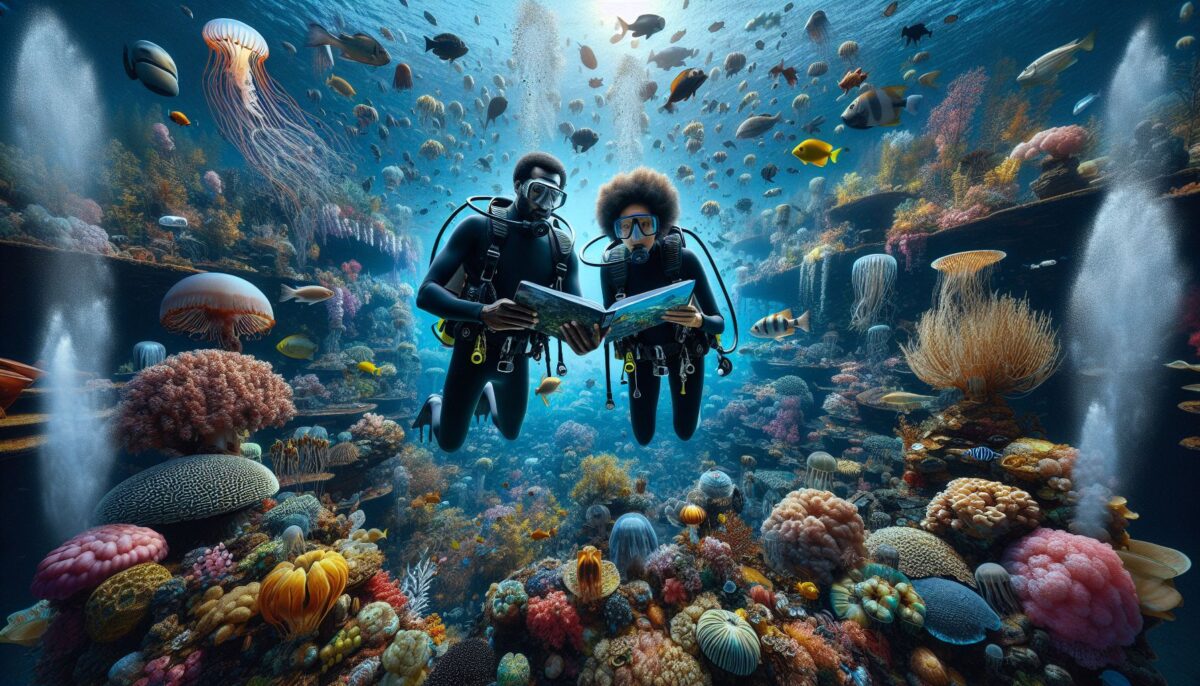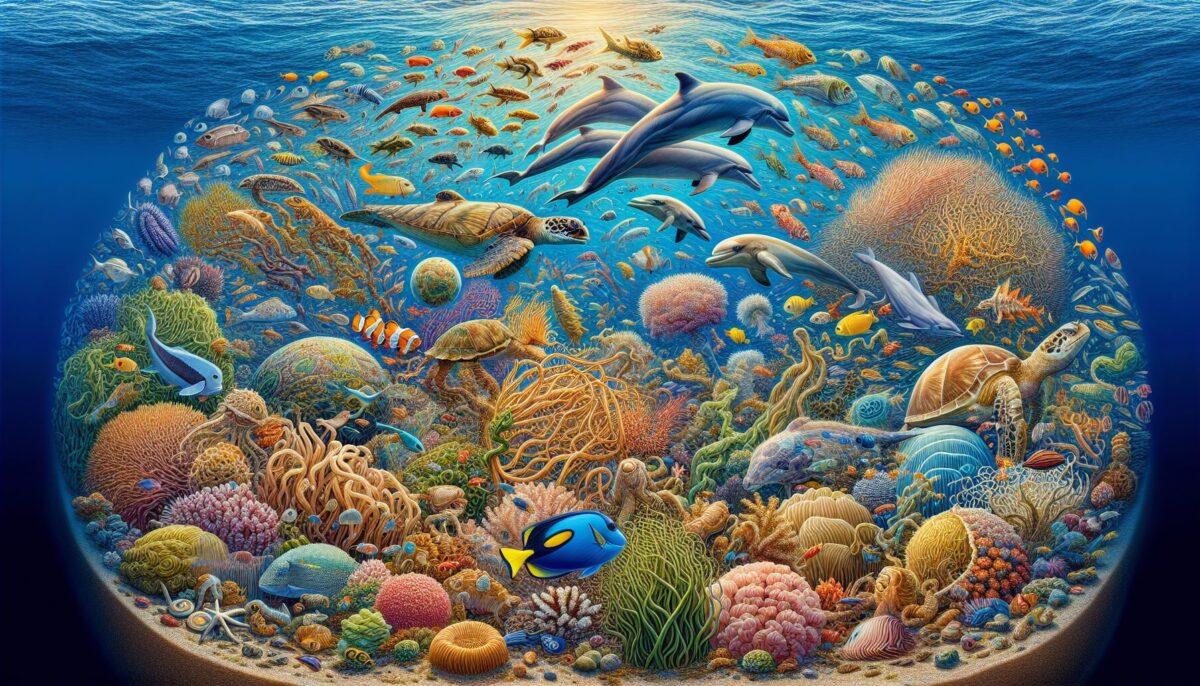
Oceans, encompassing around 71% of the Earth’s surface, are vast and mysterious realms teeming with life. The marine realm is known not only for its fascinating creatures but also for its crucial role in maintaining the planet’s climate, carbon cycle, and more. Tucked within these aquatic depths is an astonishing gamut of biodiversity. In this exploration of marine biodiversity, we will unravel the complexity of life found beneath the waves, the factors that sustain it, the threats it faces, and the steps we can take to protect this invaluable resource for future generations.
What is Marine Biodiversity?
Marine biodiversity refers to the variety of living organisms found in the ocean – from the tiniest plankton to the largest whales. It includes variations within species, between species, and the ecosystems they form. This incredible diversity can be found in the darkest deep-sea trenches, the warm waters of tropical coral reefs, and the icy realms of polar seas.
The Spectrum of Ocean Life
The spectrum of ocean life is mind-boggling. Microscopic plankton floats in the sunlit upper layers of the ocean, forming the foundation of marine food webs. Zooplankton, which feeds on phytoplankton, sustains a wealth of species, from small fish to the behemoths of the seas. Coral reefs, often dubbed the rainforests of the sea, are among the most diverse ecosystems on Earth. They provide shelter and breeding grounds for an enormous number of organisms, ranging from invertebrates like sea stars and mollusks to myriad fish species and apex predators like sharks.
Ecosystem Services Provided by Marine Biodiversity
The services rendered by marine biodiversity are immense and vital for life on Earth. These include:
- Provisioning services: Seafood for human consumption, extraction of marine products (like sponges and pearls), and genetic resources for pharmaceutical research.
- Regulating services: Carbon sequestration by oceanic organisms, climate regulation, waste decomposition, and water purification.
- Cultural services: Recreational (like diving and wildlife watching), spiritual, and educational benefits.
Factors That Influence Marine Biodiversity
A range of factors determines the distribution and abundance of marine life. These include:
- Temperature: The temperature dictates the types of species that can survive in a particular area.
- Salinity: Salinity levels can impact the osmoregulation of marine organisms.
- Light: Adequate light is essential for photosynthetic organisms and affects the depth at which life can exist.
- Nutrients: The availability of nutrients like nitrogen and phosphorus is essential for primary productivity.
- Ocean currents: Currents distribute organisms and nutrients, and influence water temperature.
Threats to Marine Biodiversity
Despite its significance, marine biodiversity is under threat from multiple anthropogenic factors. Some of the most pressing threats include:
Overfishing
Overfishing has decimated fish populations around the world. It disrupts food webs and leads to the collapse of fisheries, affecting the livelihoods of millions who rely on the sea.
Pollution
Pollution in the form of plastics, chemicals, and raw sewage severely affects marine ecosystems. Marine debris entangles wildlife, and toxins can accumulate through the food web, posing health risks to all organisms involved, including humans.
Ocean Acidification
The absorption of excess atmospheric CO2 by oceans leads to ocean acidification, reducing the ability of calcifying organisms like corals and shellfish to form shells and skeletons, threatening their existence.
Habitat Destruction
Human activities such as coastal development, bottom trawling, and sediment runoff destroy critical habitats like coral reefs and seagrass beds, which are crucial for the survival of many marine species.
Climate Change
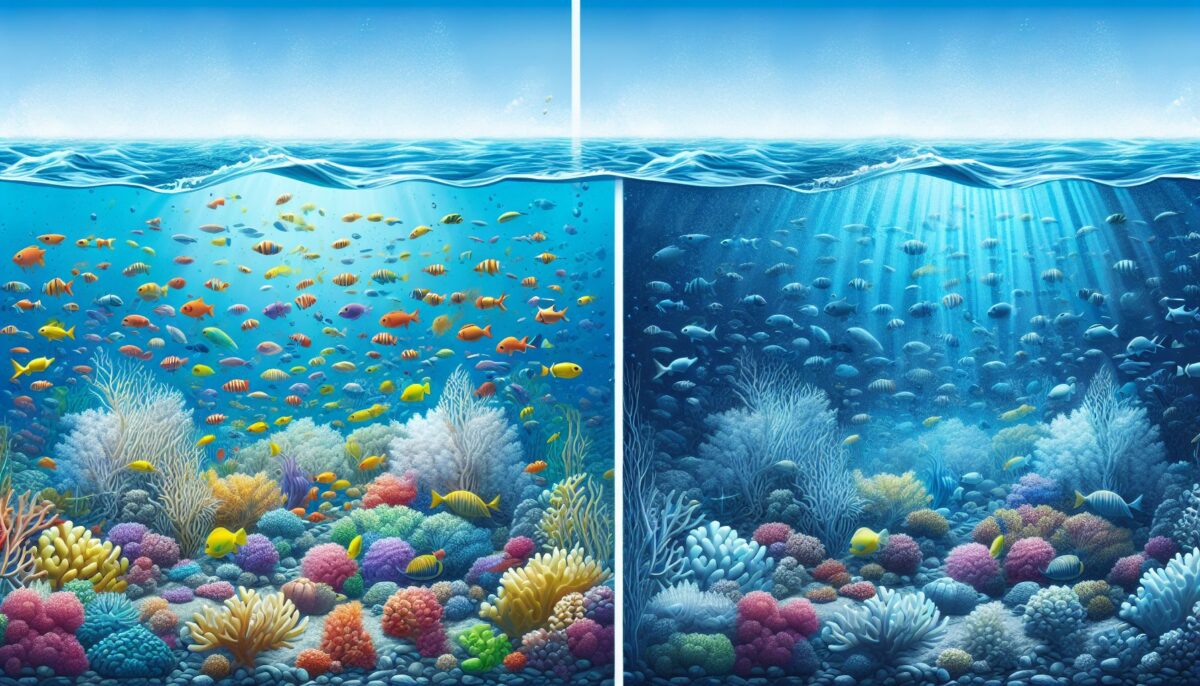
Climate change impacts marine biodiversity through warming waters, which can lead to coral bleaching, altered distribution patterns of species, and increased vulnerability to diseases.
Invasive Species
Non-native species introduced to new environments, either accidentally or intentionally, can become invasive and outcompete, prey on, or bring new diseases to indigenous species, disrupting local marine ecosystems.
Conservation and Sustainable Management
Addressing the threats to marine life is critical for the survival of the planet’s biodiversity. Some key strategies include:
Creating Marine Protected Areas (MPAs)
Protected areas can help safeguard vital habitats and provide refuges for marine life. They can help ecosystems recover and sustain fisheries outside their boundaries through the spillover effect.
Fishing Regulations
Implementing quotas, size limits, and seasonal closures can ensure that fishing is sustainable and does not lead to overexploitation of marine resources.
Reducing Pollution
Reducing marine pollution involves better waste management on land, stricter regulations on maritime activities, and public awareness about the impact of litter on the marine environment.
Addressing Climate Change
Mitigating climate change by reducing greenhouse gas emissions is crucial for the ocean’s health. Adaptation measures, such as building coastal resilience, are also essential.
Promoting Sustainable Aquaculture
Developing and promoting sustainable aquaculture can reduce the pressure on wild fish stocks while providing food security.
International Cooperation
Since marine issues are transboundary in nature, international cooperation and agreements are fundamental for effective marine conservation.
The Role of Science and Research
Marine biodiversity research is vital for our understanding and conservation efforts. Disciplines such as oceanography, marine biology, and marine ecology provide insights into species distribution, population dynamics, and ecosystem functions. Initiatives like the Census of Marine Life have contributed significantly to the cataloging and understanding of marine biodiversity.
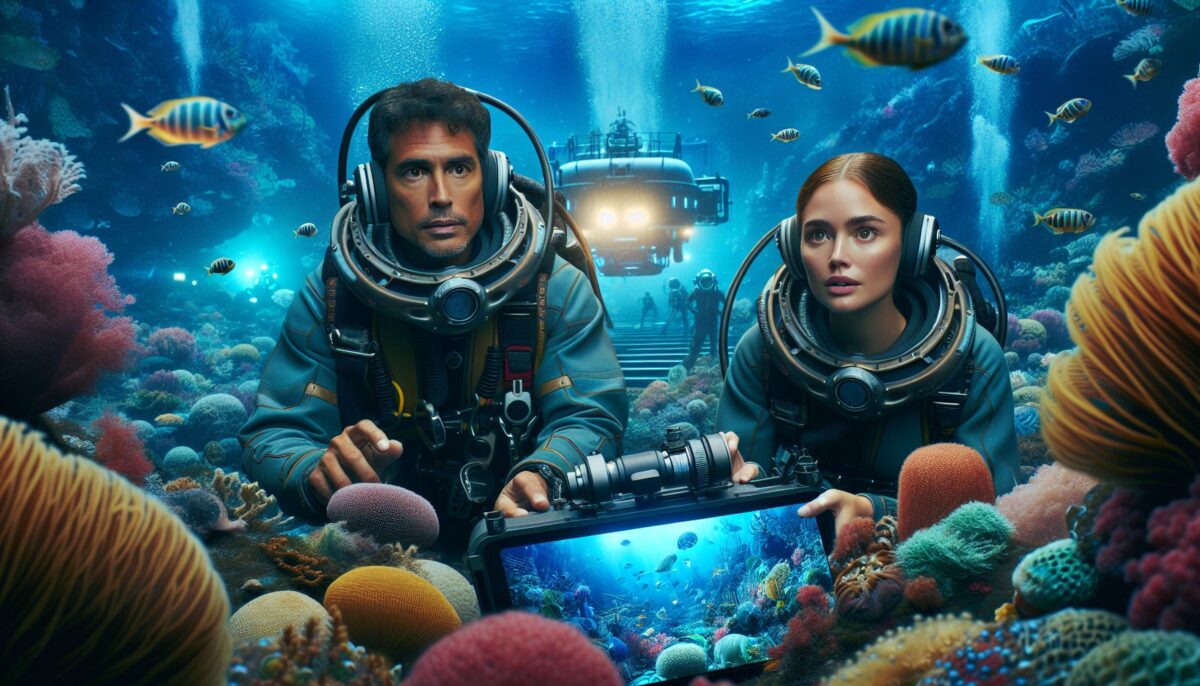
Additionally, technological advancements, such as remotely operated vehicles (ROVs) and autonomous underwater vehicles (AUVs), allow scientists to explore previously inaccessible parts of the ocean.
Conclusion
The diversity of life in the ocean is indispensable to our planet’s health and human survival. As stewards of this planet, it is our responsibility to ensure that these rich ecosystems are preserved. The challenge of conserving marine biodiversity requires a concerted effort from government agencies, non-profit organizations, the scientific community, industry, and the public. While the task is complex and ongoing, a collective commitment to sustainable practices can help maintain the balance of our ocean ecosystems for generations to come.
Protecting marine biodiversity is not only a moral obligation but a necessary investment in our future. Collective actions ranging from lifestyle changes to supporting global conservation initiatives will shape the legacy we leave for the ocean and its inhabitants.
For further reading and research, the scientific journal Marine Biodiversity, the National Oceanic and Atmospheric Administration (NOAA), and the World Wide Fund for Nature (WWF) offer extensive resources on marine species, ecosystems, and conservation efforts.
In this vast blue wilderness, every creature, no matter how small, plays a role in the symphony of the sea. It is up to us to ensure that this symphony continues to resonate with life, complexity, and wonder.